A Critical Study of the Nine Lineages of the Huai Surname: Ancient Clan Branches and Genealogical Clues
Discussions of the nine lineages of the Huai surname involve the relationships among Guifang, the Gui surname, the Hebo clan, and several ancient clans. Existing materials rely largely on bronze inscriptions, oracle-bone inscriptions, transmitted texts, and later surname records. Some judgments still require further verification in conjunction with archaeology, local gazetteers, and genealogical records.
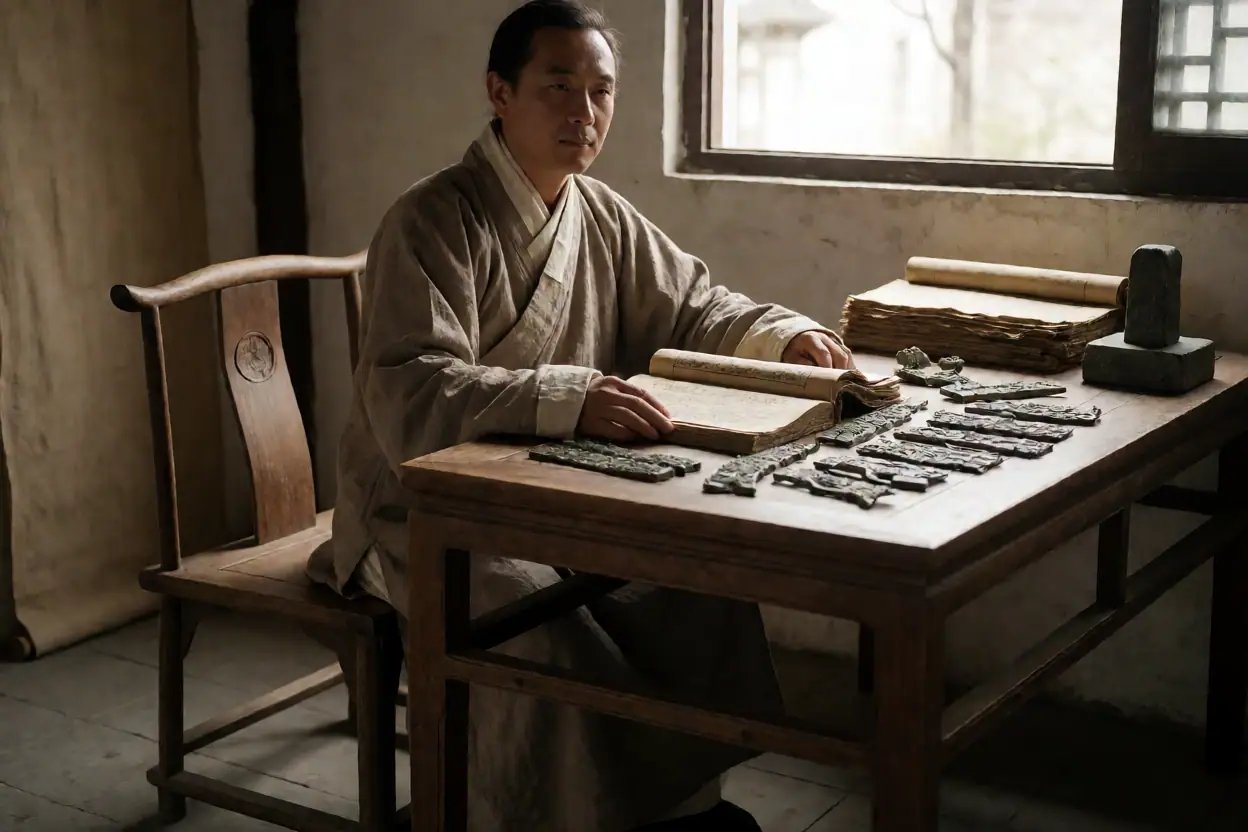
The “nine lineages of the Huai surname” are an important topic in the study of ancient surnames and ethnic groups. Relevant discussions suggest that the nine lineages of the Huai surname may be connected to Guifang, the Gui surname, and the Xia-period Hebo clan, and that several branches with independent names formed during the Shang and Zhou periods. However, the eras to which these names belong, their relationships with one another, and their later continuities cannot be inferred directly solely from the modern phenomenon of sharing the same surname. Unearthed texts, transmitted literature, and genealogical materials still need to be cross-referenced.
The related clans listed in existing clues include the Hezong clan, Peng clan, (Haifu) clan, He clan, Fu clan, Bao clan, and Feng clan, among others. The Hezong clan is presumed to be associated with Yellow River worship and the Hebo tradition. The Peng clan is often linked to the Peng state in the Hengshui area of Jiang County, Shanxi, and inscriptions such as “Gui ying” found on some bronzes provide clues for discussing its ethnic affiliation. The relationships of the (Haifu) clan and He clan with the Gui surname, the Hu clan, and Shang-period fang states are mainly seen through combined interpretations of bronzes, oracle-bone inscriptions, and surname literature. As for the Fu clan, Bao clan, and Feng clan, the related judgments are likewise based on materials such as vessel inscriptions, ancient state names, and local legends. At this stage, expressions such as “may belong to” and “available for study” are more appropriate.
Among them, the Bao clan is regarded in relevant materials as one possible branch of the nine lineages of the Huai surname, but this does not mean that all people surnamed Bao today descend from the same ancient branch. The Bao surname itself has multiple origins. It may be related to place names, official posts, or local branches, and it may also have formed multiple lines of transmission through surname changes, migration, and clan mergers in different historical periods. Existing surname materials list Longxi, Tianshui, Henan, and other places as traditional distribution areas or origin clues for the Bao clan, and record related distributions in Hubei, Hunan, Henan, Jiangxi, Anhui, and other areas. This information can serve as a direction for root-seeking, but it cannot directly replace genealogical proof for a specific family.
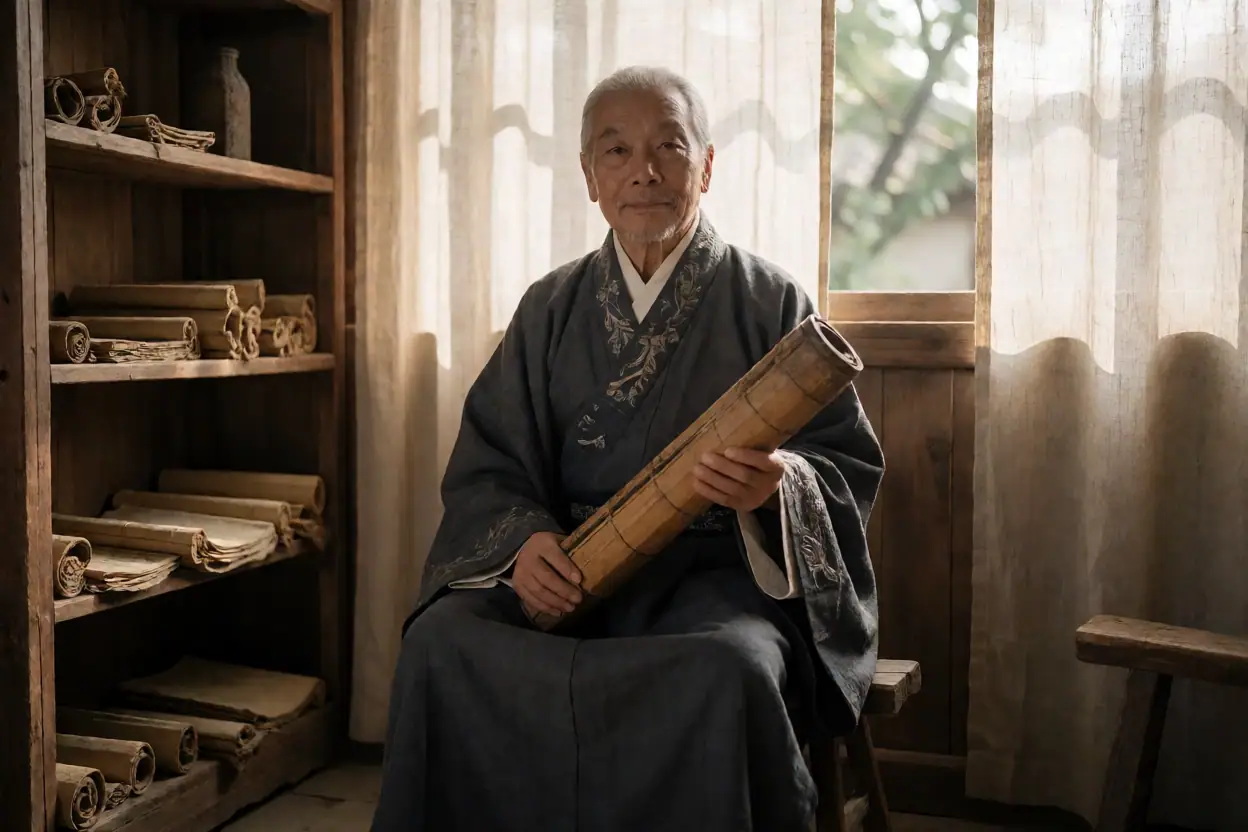
In studying the nine lineages of the Huai surname, the value of genealogy mainly lies in preserving information on local migration, branch names, ancestral hall property, burials, and family memory. Genealogical formats such as the Ouyang style, Su style, register style, or pagoda style can help organize father-son relationships and generational order across different genealogical books, but genealogies may also contain later revisions, omissions made out of taboo or embellishment, forced associations, and mistaken connections. A more prudent approach is to first organize the family’s existing genealogies, steles, epitaphs, and oral recollections, and then compare them with local gazetteers, historical maps, and relevant unearthed materials. Online genealogies can be used to identify branches with the same name and migration nodes; family memoirs can help supplement modern and contemporary life histories; and local gazetteer databases can help verify village evolution, administrative changes, and historical figures.
At present, the complete list of the nine branches of the Huai surname’s nine lineages, their common ancestor, paternal genetic types, and continuous lineages among descendants of each branch still should not be regarded as settled conclusions. In root-seeking, core evidence should focus on the specific first migrating ancestor, place of residence, genealogy prefaces, generational characters, burials, and kinship relationships, avoiding hasty identification as the same clan merely because of the same surname, similar hall names, or similar legends.
Learn More and Verify
- The Hua Clan of Dangkou, Wuxi: Jiangnan Family Memories and Genealogical Clues
- A careful compilation of clues from the Qing clan genealogical records and migration memories
- Clues to the Sihui Gong Branch in the Huangtun Wang Genealogy
- Clues to Generation Names and Branch Analysis for the Shandong Huai Surname
Genealogy Knowledge and Methods for Compiling Genealogies · Finding Genealogies and Local Gazetteers · Organize family-root-seeking leads