Liangshang Kuang Clan Ancestral Hall: Family Memory in a Lingnan Water Town
The Kuang Clan Ancestral Hall in Liangshang Village, Shenshan Administrative Area, Jianggao Town, Baiyun District, Guangzhou, preserves local memories such as its dragon-boat ridge, red sandstone columns, and water-level marks. Its date of construction, history of renovations, and the deeds of related figures still require further verification against inscriptions, genealogies, and local gazetteers.
In Liangshang Village, Shenshan Administrative Area, Jianggao Town, Baiyun District, Guangzhou, the Kuang Clan Ancestral Hall, together with the village and its waterways, forms a historic landscape with distinctive Lingnan characteristics. The ancestral hall not only served the traditional functions of ancestral worship and maintaining community ties, but also offers concrete clues for examining village architecture, disaster memory, and family organization in the Pearl River Delta.
There is currently no complete documentary evidence that can directly confirm the date when the ancestral hall was first built. The surviving structures reportedly include two red sandstone columns from the Ming dynasty, leading some to infer that the site has a relatively long history. However, the columns’ original locations, dates of use, and relationship to the main hall and its components still require assessment through inscriptions, renovation records, local gazetteers, and archaeological or architectural surveys. Related accounts also mention repairs carried out around the seventeenth year of the Qianlong reign, 1984, and 2002. These dates may serve as leads for further verification, but cannot alone be regarded as a complete history of the hall’s construction and renovations.
The architectural form is one of the most distinctive features of the Liangshang Kuang Clan Ancestral Hall. Both ends of its roof ridge curve upward, resembling a dragon boat, a decorative and structural style commonly found in traditional Lingnan architecture. The dragon-boat ridge reflects the Pearl River Delta’s adaptation to its water-town environment and also expresses wishes for smooth progress, peace, and prosperity. However, the period when this architectural style was popular and the precise construction date of an individual ancestral hall are not exactly the same; the hall cannot be dated solely on the basis of its form.
The hall’s walls are said to bear the inscription “Water level in the eleventh year of the Guangxu reign, yiyou,” located relatively high above the ground and regarded as physical evidence of local flood memory. If the mark is indeed a record of a floodwater level, it reflects not only the relationship between the Ba River tributary system and village life, but also the ancestral hall’s place in local public life and disaster memory. The inscription’s precise date, the circumstances of its creation, and the recorded water level should still be corroborated through on-site images, surveying and mapping data, and local hydrological records.
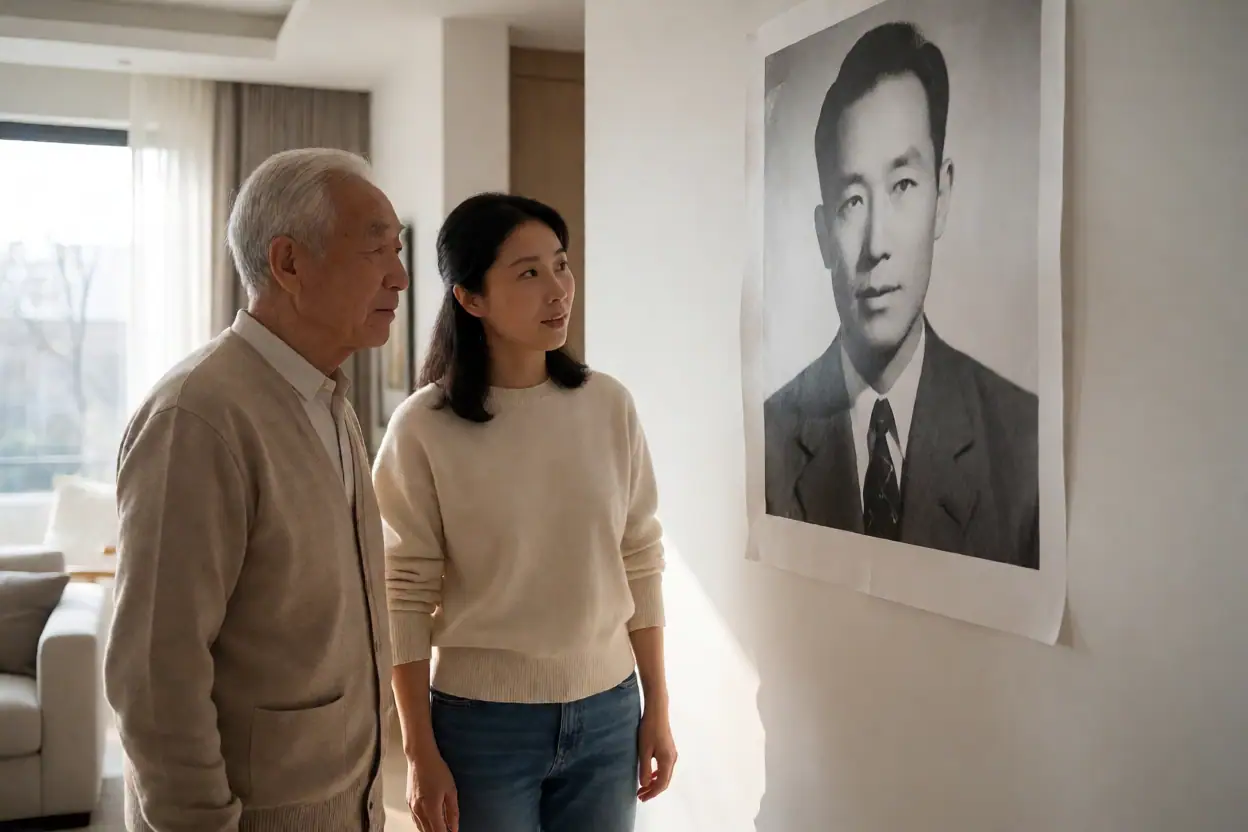
There are also accounts of a glazed-tile paifang and a plaque inscribed “Commemorating Loyalty and Martyrdom,” associated with Kuang Yueguang and commemorative honors conferred during the Qianlong reign. The person’s identity, official career, the date the paifang was built, and the status of the original plaque require consultation of official documents, epitaphs, old genealogical prefaces, and local gazetteers before any conclusions can be drawn. Family narratives often preserve valuable memories, but accounts of individuals and the continuity of genealogical lines should still be distinguished among legend, genealogical records, and contemporaneous documents.
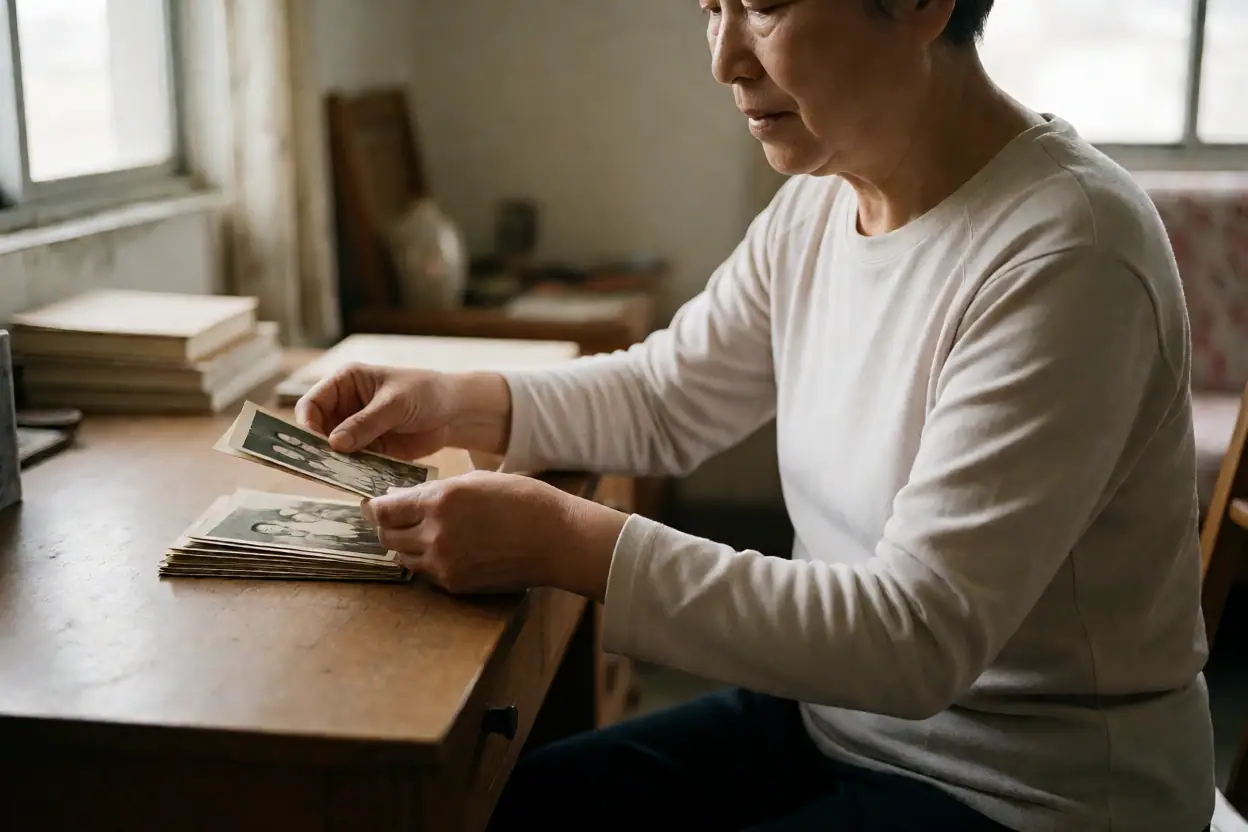
From the perspective of surname studies, the Kuang surname is found in Jiangxi, Fujian, Guangdong, Zhejiang, Taiwan, and elsewhere; related materials also contain information on lineage hall names such as “Jiyang Hall.” Hall names can help researchers organize documentary leads, but cannot in themselves prove that Kuang families in different places necessarily belong to the same lineage. The specific founding ancestor of the Kuang family in Liangshang Village, its migration routes, branch divisions, and generation-name relationships should be cross-checked against local genealogies, ancestral-hall inscriptions, family memoirs, and local gazetteers. Descendants seeking their roots can first compile information on ancestral residences, genealogical names, graves, oral memories, and old photographs, then search online genealogies and surname databases, and have the results reviewed by family elders and local historians. This can both continue the local memories carried by the ancestral hall and help avoid mistaking people with the same surname for members of the same lineage.
Learn More and Verify
- Guangzhou Donghu Village Kuang Clan Grand Ancestral Hall: Family Memory in Lingnan Historic Architecture
- Chushi Clan Ancestral Hall in Ziyang, Ankang: Family Memory in a Century-Old Ancestral Hall
- Guangzhou Liangshang Village Ximen Kuang Clan Ancestral Hall: Ancient Ancestral-Hall Form and Collective Memory
- Architectural Imprints and Family Memories of the Dai Clan Ancestral Hall in Daicun, Zhenhai, Ningbo
Genealogy Knowledge and Methods for Compiling Genealogies · Finding Genealogies and Local Gazetteers · Organize family-root-seeking leads