Understanding the Ethical Order of Hakka Lineages Through Family Rules and Instructions
The family rules and instructions found in Hakka genealogies commonly center on filial devotion, clan harmony, preserving the family livelihood, respect for learning, and慎重 conduct. They not only record the norms families applied to everyday life, but also reflect the values chosen to sustain communities in a society shaped by migration.
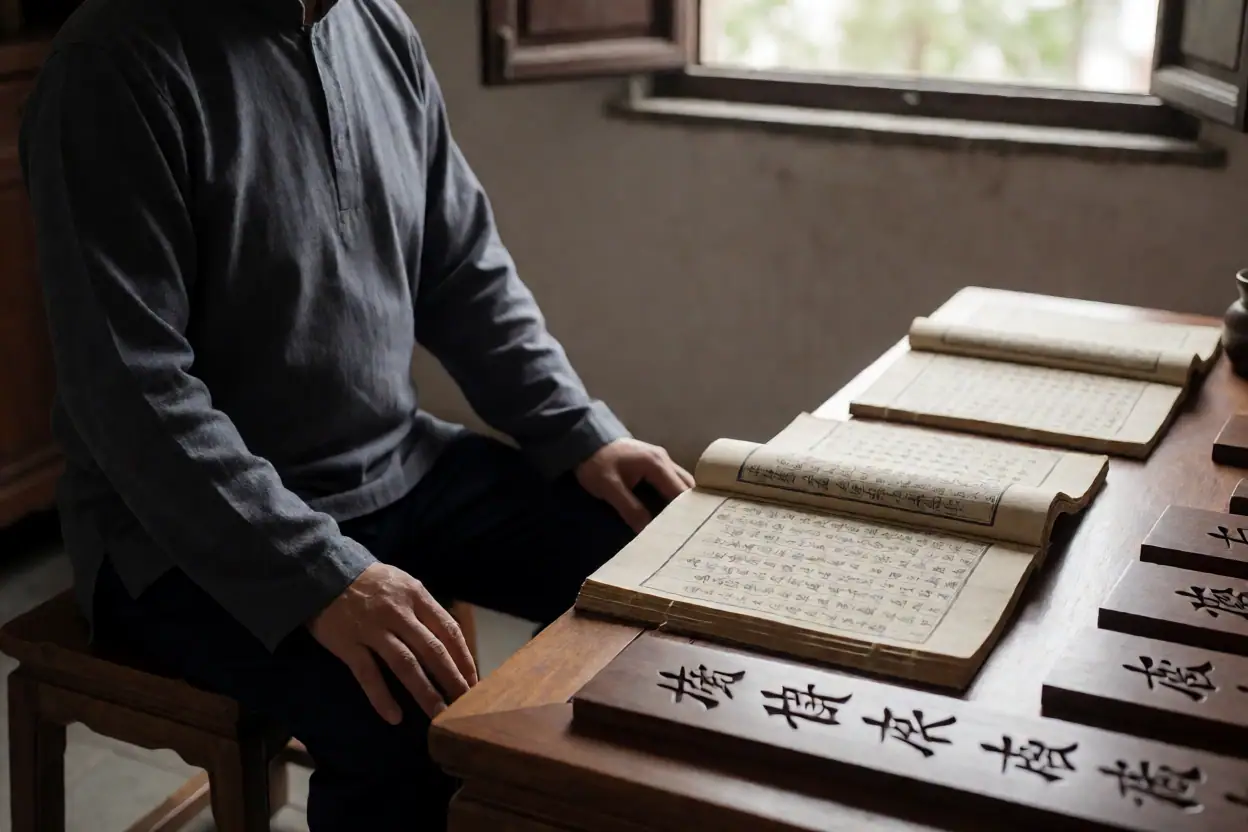
A genealogy is not merely an arrangement of lineages and names. For many families that have experienced migration, separation, and reunification over long periods, a genealogy also serves to preserve memory, establish kinship relationships, and regulate communal life. The family rules and instructions recorded in Hakka genealogies are a concentrated expression of this function. Often presented as concise articles, they explain how members should serve their parents, treat their brothers, manage relations with neighbors, and pursue education, make a living, and conduct themselves.
Existing Hakka genealogical materials repeatedly mention such principles as “being filial to one’s parents,” “living harmoniously with one’s brothers,” “respecting elders,” and “educating and disciplining younger family members.” These admonitions first emphasize responsibilities within the family, holding that an individual’s conduct is not a private matter but can affect the reputation and order of the entire lineage. At the same time, many family instructions advocate frugality, oppose extravagance and gambling, and require members to remain law-abiding and responsibly maintain their livelihoods. For groups that have experienced migration and livelihood pressures, controlling expenses, valuing labor, and ensuring the continuity of the family had highly concrete practical significance.
Family rules and instructions also embody a strong sense of community. Requirements to honor ancestors and maintain clan harmony, approach marriage with care, properly conduct funerals and ancestral rites, and assist widows, widowers, orphans, and the childless show that a lineage was not merely a collection of blood relations, but also once undertook social functions such as mutual assistance, moral instruction, and mediation. Some articles stress avoiding lawsuits, maintaining good relations with neighbors, and working together, reflecting the importance traditional rural society placed on reducing conflict and preserving public relationships. However, these texts were mostly formulated by lineage elders in particular historical periods. They contain ethical experience that can still be understood today, but also bear the historical limitations of the traditional patriarchal clan system; they should therefore be read and assessed in light of their specific contexts.
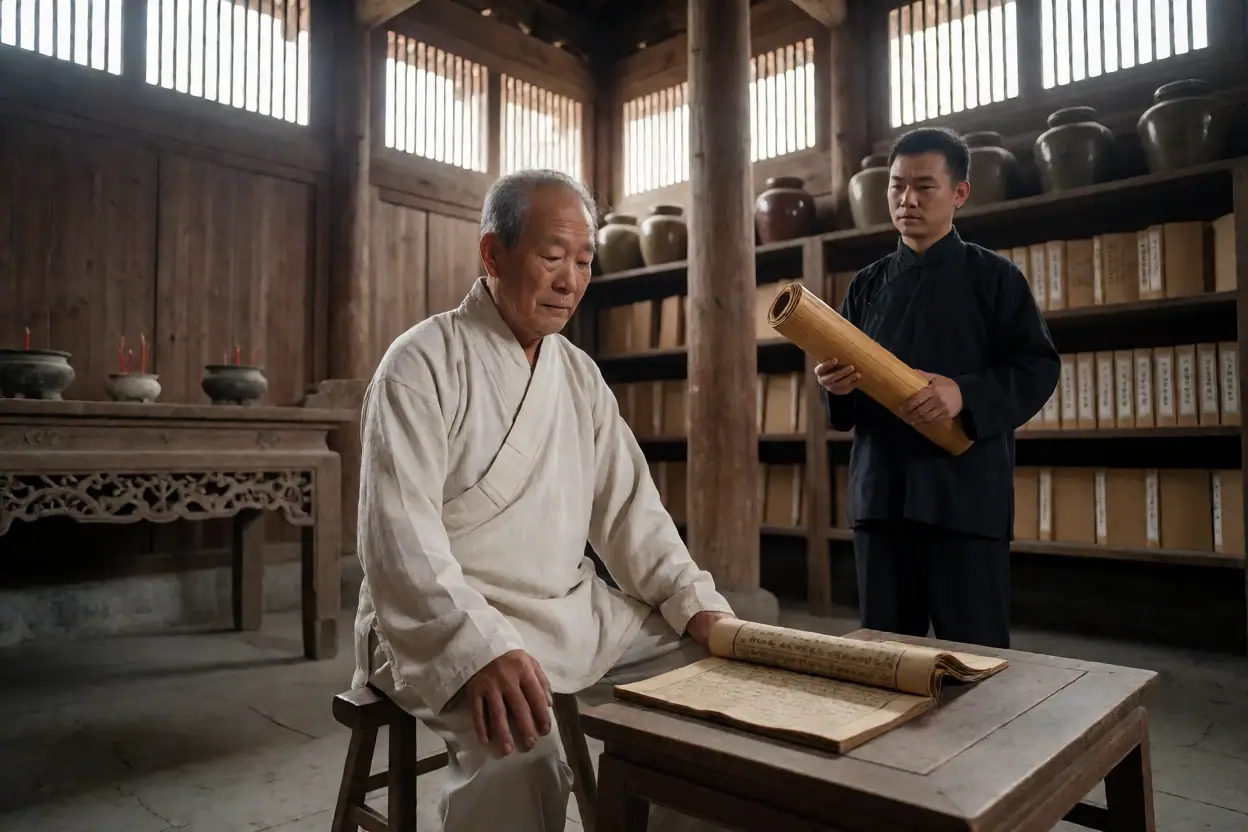
For surnames with multiple origins, such as Cong, research into family instructions cannot be separated from a specific genealogy. Sharing the same Chinese surname only indicates a shared written surname and cannot directly prove membership in the same lineage branch. ZongMai surname records show that the Cong surname has records of hall names including Guangling Hall, with related distribution involving Guangling, Jiangdu, and Henan, as well as Jiangxi, Fujian, Guangdong, Zhejiang, and Taiwan. This information can serve as a clue for tracing one’s roots, but it cannot replace the genealogical records, tomb inscriptions, ancestral hall records, and local documents of a particular branch. Hall names may also vary because of differences among branches, regions, or genealogy-compilation traditions.
When tracing one’s roots, one may first organize information such as hall names, places of migration, generation names, and the founding ancestor who first migrated, using a surname database, and then compare lineage nodes through online genealogies. Family memoirs can supplement genealogical records with modern and contemporary accounts of migration, marriage, and occupations that were not recorded in the genealogies, while local gazetteers can help verify changes in villages, ancestral temples and their remains, and historical figures. If different sources contain conflicting dates or locations, differing accounts should be retained and original records investigated item by item, rather than drawing conclusions based solely on oral accounts, hall names, or the same surname. Reading family rules and instructions in this way not only helps clarify the Hakka tradition of valuing kinship, frugality, moral education, and mutual assistance, but also allows for a more reliable identification of the connections between an individual family and historical lineage branches.