The Lishe Xue Clan Genealogy: Continuing the Family Line Between Old Genealogies and Local Ties
An eight-month genealogy continuation project by the Lishe Xue clan brought together old genealogies, village memories, interview materials, and modern contact methods. It reflects the shift in genealogical records from male lineages toward more complete family histories, while leaving room for further verification of branch lines, migrations, and relationships among individuals.
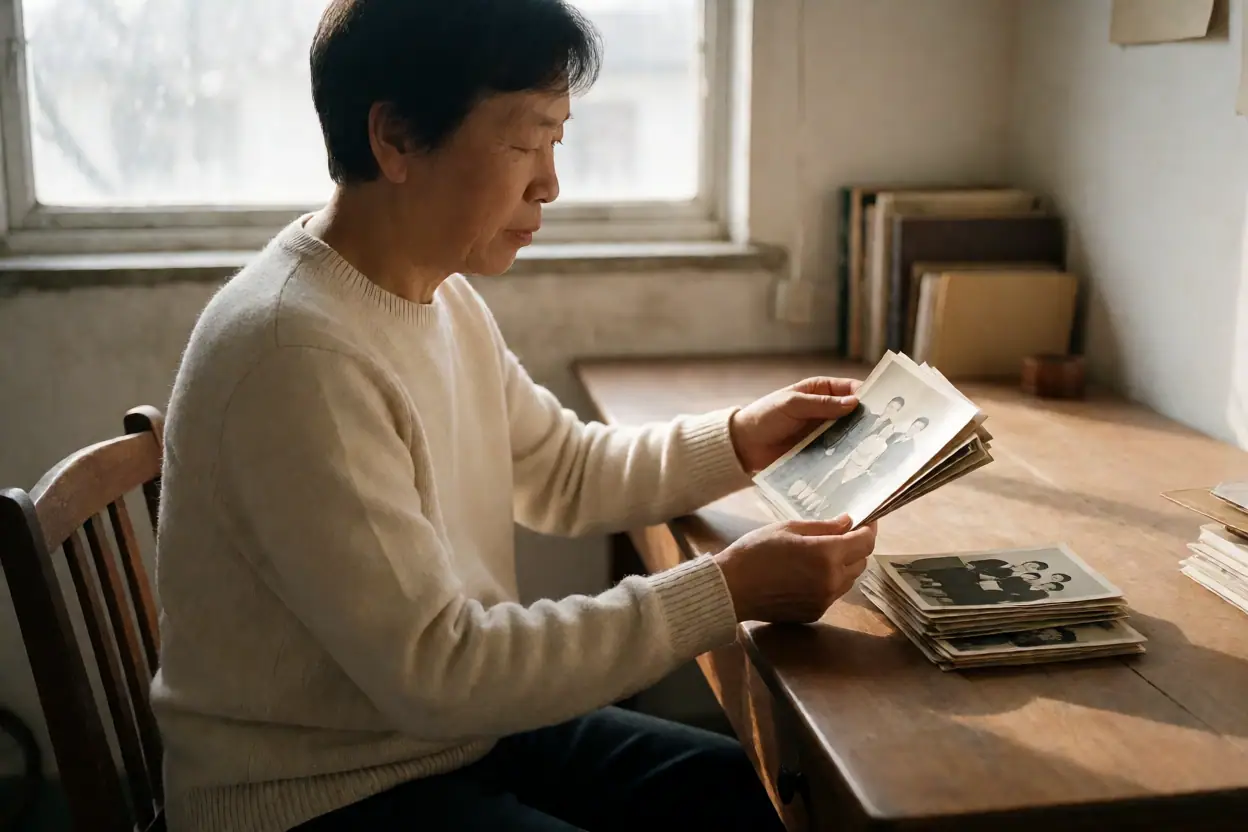
In Lishe, Yuqi Subdistrict, Huishan District, Wuxi, Jiangsu, the Xue ancestral hall once preserved a genealogy compiled in 1927. More than eighty years later, 16 elders reorganized the genealogy continuation project, sorting through more than 40 draft volumes in the ancestral hall and continuing to visit clan members' households. The work was both a continuation of the old genealogy and a renewed organization of family memory following changes in local society, population mobility, and family structure.
Existing accounts state that the founding ancestor of the Lishe Xue lineage was Xue Ju, who settled in Lishe around the Xuande era of the Ming dynasty. Questions concerning the early origins, migration routes, and relationship between this Xue lineage and other Xue branches should still be checked against original genealogical records, local gazetteers, epitaphs, and other contemporaneous records?
During the continuation project, the compilers did not rely solely on the existing genealogy books. Instead, they combined household visits, oral accounts from elders, and online contacts to locate clan members scattered across different regions. According to records, they visited more than 800 households and registered nearly 3,000 Xue clan members; these members were distributed across Hong Kong, Macao, and Beijing, Shanghai, Kunming, Chongqing, Hangzhou, Suzhou, Zhoushan, and other places. Among the people associated with the ancestral hall known as Lunxutang, those who remained in Lishe were only one part of the group. This distribution also shows that genealogical compilation is no longer confined to a single village, but must address cross-regional connections and information verification.
Lü Guoxing had previously participated in compiling the Lü clan genealogy and was invited to assist with the Lishe Xue genealogy continuation; his uncle, Lü Xichu, drew on his familiarity with local history to provide oral leads. Cao Guozhi, the Xue clan's son-in-law, handled some of the computer data entry and communications, while the compilers also communicated with clan members in other regions by email, instant messaging, and other means. This division of labor brought together local memory, paper archives, and digital organization, and also shows that genealogical work is shifting from simple transcription toward information collection, cross-verification, and ongoing maintenance.
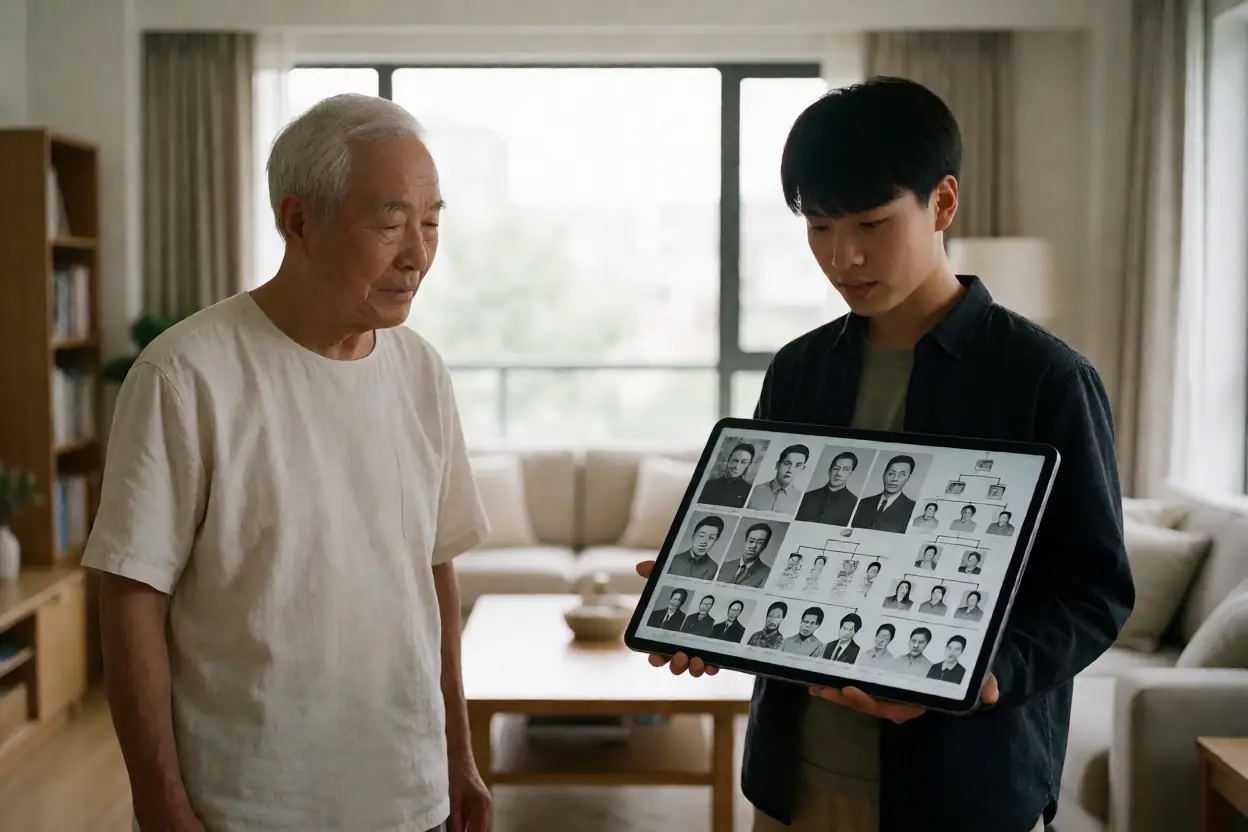
One notable aspect of this genealogy continuation project is its inclusion of female descendants and grandchildren through daughters. Traditional genealogies often emphasize patrilineal male lines, while married women and their children are easily omitted. The Lishe Xue compilers attempted to include grandsons and granddaughters through daughters within the scope of the records, reflecting changes in contemporary family relationships and understandings of kinship. However, the specific scope of inclusion, forms of address, genealogical placement, and privacy boundaries still need to be jointly confirmed by family members and set out in clear rules when the formal genealogy is completed.
The materials also mention that several notable figures appeared in the historical record of the Lishe Xue clan, including Xue Guang'e, Xue Guangqi, Xue Guangyue, and Xue Guangzhao, as well as Xue Muqiao and Sun Yefang. A person's renown can form part of local memory, but a shared surname or place of residence alone cannot establish that two people belonged to the same branch. When researching a particular family's relationship with the Lishe Xue clan, generation names, ancestral residences, marital relationships, migration records, and the lineage recorded in the genealogy should still be compared item by item. Online genealogies, family memoirs, surname records, and local gazetteers can help establish leads, but final conclusions must still return to verifiable primary materials.
Learn More and Verify
- Yixing Tan Family Gathering Showcases Old and New Genealogies and Discusses Their Continuation and Revision
- A Look at the Wucheng Hall Tuantian Zeng Clan Revised Genealogy through Volume 43
- An Examination of Volume Twelve of the Wucheng Hall Tuantian Zeng Clan’s Continuation Genealogy
- Cataloging and research of Volume 17 of the sixth-revision Xu Family Genealogy of the Cheluo River lineage
Genealogy Knowledge and Methods for Compiling Genealogies · Finding Genealogies and Local Gazetteers · Organize family-root-seeking leads