Su Wenting and the Gui Opera Stage: A Resources County Performer’s Family Memories
Su Wenting, also known as Su Shenghuai, is reportedly from Resources County, Guangxi, and was a performer involved in modern-era Gui opera performance and apprentice training. Existing accounts preserve details of his studies, stage career, and teaching activities in his later years, but the origin of his name, details of his associations, and the specific years of his performances still require further verification against local gazetteers, opera-history sources, and family documents.
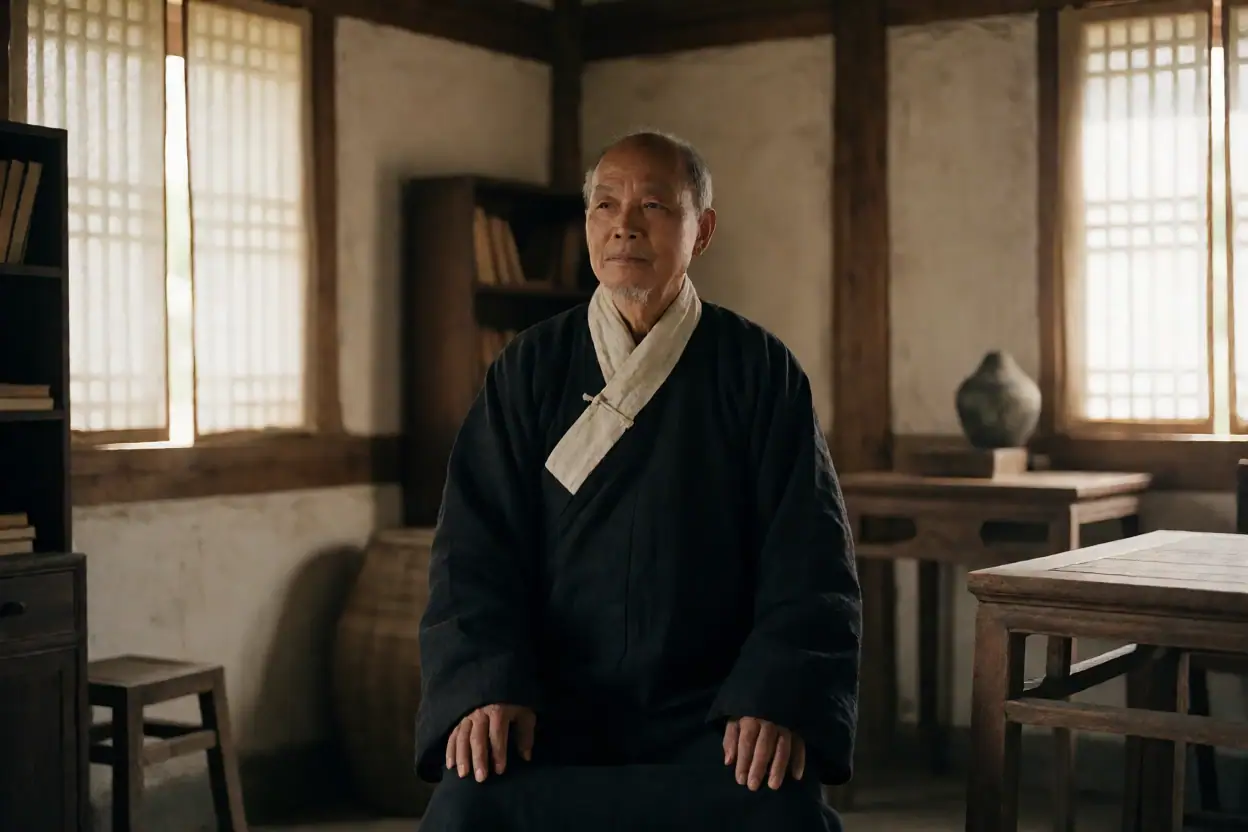
A biographical account passed down in Resources County, Guilin, Guangxi, connects Su Wenting with the development of modern Gui opera. The material states that his original name was Su Shenghuai, that he was born in the late nineteenth century, and that his ancestral home was Nongtangli, Guantian Village, Zhongfeng Township. Because administrative divisions and village names may have changed over time, these locations should be checked against Resources County local gazetteers, historical maps, and household-registration records.
According to existing accounts, Su Wenting grew up in poverty and once traveled with his elder brother to perform songs. At first, he mainly played supporting roles in an opera troupe, but later returned home for a period to work as a farmer. Family upheavals and illness made his life difficult; he subsequently went to Guilin to seek help from relatives and resumed his opera training. Details concerning his relationship with his elder brother and sister-in-law, the whereabouts of his wife and daughters, and his reportedly spontaneous recovery from illness have a strong oral-biographical character. Without corroboration from genealogies, contracts, household-registration records, or contemporaneous accounts, they should not be treated as fully established facts of his life.
The material also states that, after prolonged training, he became a relatively well-known performer. He initially excelled in huadan roles before switching to wusheng roles, attracting particular attention for characters such as Ma Chao. Because of his disciplined stage manner and solid technical foundation, local people reportedly called him the “Living Ma Chao.” Accounts also describe him as skilled at producing various kinds of laughter and say that audiences eagerly attended his performances. These details reflect local society’s memory of a celebrated performer’s skills, but the extent of his renown, his repertoire, and his artistic characteristics still require cross-verification through troupe registers, playbills, newspapers, and research on Gui opera history.
Regarding the origin of the name “Wenting,” existing stories connect it with Lu Rongting, a military and political figure in Guangxi during the early years of the Republic of China, and state that Su Shenghuai was given the name after attracting recognition through a performance. The relevant accounts still contain points requiring analysis concerning the names used for the individuals, the reasons for the event, and the chronological connection between events. They may therefore serve as leads for further investigation, but should not be used to confirm a relationship between the two men. If Lu family documents, local newspapers, performance records, or materials preserved by the Su family can be found, they may help determine when the story emerged and how credible it is.
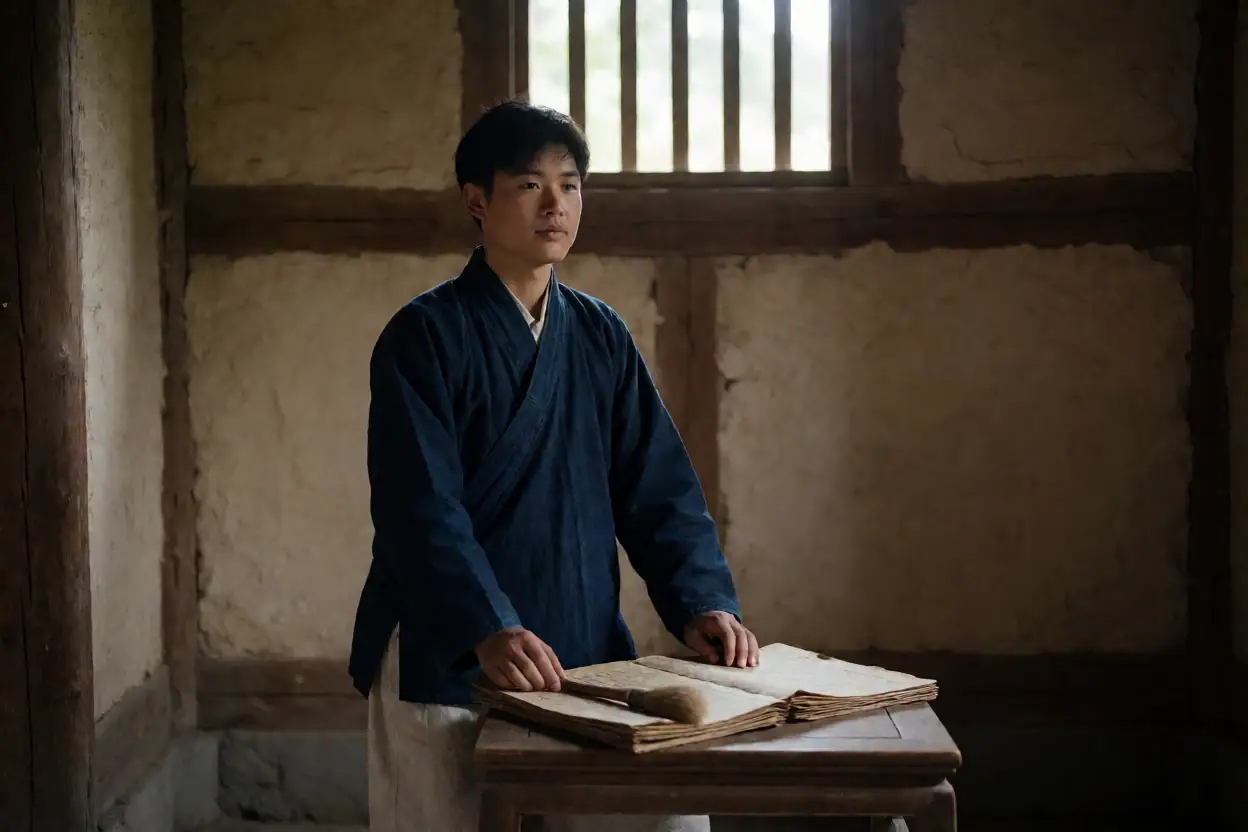
The opera school in which Su Wenting trained was known as the “Xiu-Character Opera School” and is regarded in some accounts as one of the earliest Gui opera schools in Guangxi. In his later years, he reportedly made a living by teaching apprentices and had a certain influence on the transmission of Gui opera techniques. Whether his activities extended throughout Guilin, Hunan, and other areas, as well as the identities of his specific disciples and troupes and the dates of his performances, still requires additional reliable evidence.
From the perspective of family research, surname databases can be used to trace the distribution of Su surname communities in northern Guangxi. Online genealogies can then be consulted to determine whether Su Shenghuai and Su Wenting were the same person and to look for information about his parents, elder brothers, marriage, and descendants. Family memoirs are suitable for preserving elders’ oral accounts, photographs of opera costumes, teacher–disciple terminology, and old playbills. In the course of genealogical research, clan genealogies, tombstones, household-registration records, local gazetteers, and opera archives should be compared with one another. Sharing the Su surname does not necessarily indicate belonging to the same lineage; without continuous genealogical evidence, branch affiliation should not be inferred solely from a surname, village residence, or stage name.