How to Organize and Verify an Ancestral Memorial Text for the Ye Surname
There is no single version of a Ye-surname ancestral memorial text that applies to all branches. When composing one, first confirm the objects of worship, branch lineage, migration locations, and family terminology, then organize the text with reference to genealogies, local gazetteers, and family memories, avoiding the assumption that sharing a surname proves belonging to the same ancestral line.
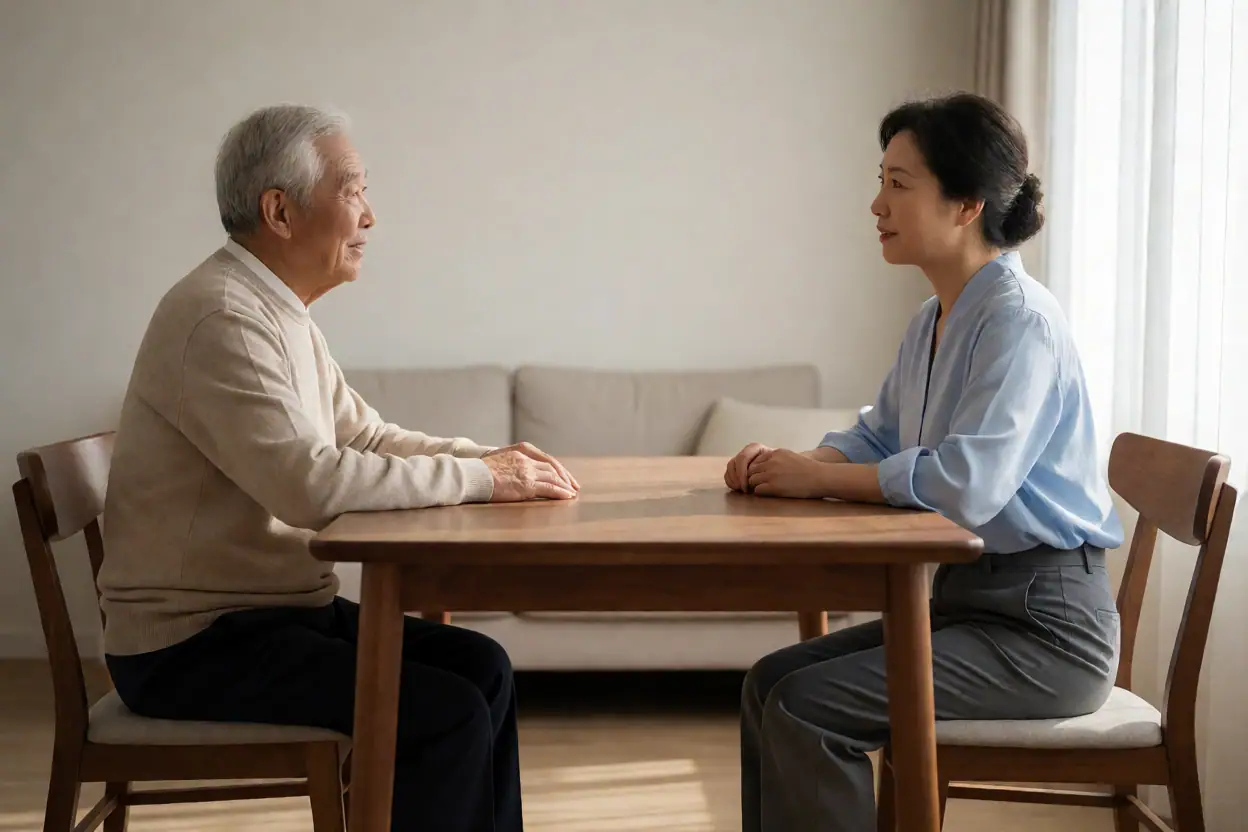
An ancestral memorial text is both a written tribute to forebears and a ritual text through which a family confirms the continuity of its own lineage. For the Ye surname, anyone preparing a memorial text for use by a particular branch should first clarify whether the object of worship is the founding ancestor, the founding ancestor who settled locally, or a more recent forebear. The text should also specify the time and place of the ceremony, its participants, and the family terminology used. As these details differ, the forms of address, narrative emphasis, and words of prayer in the memorial text should differ accordingly.
The materials that can currently be confirmed show only that someone has expressed a need to seek an ancestral memorial text for the Ye surname. They are not sufficient to establish any one fixed model text, much less to determine that all people with the Ye surname share a common recent ancestor. People with the same surname may come from different origins, regions, or historical branches. When addressing the founding ancestor of the surname, ancestral commanderies, lineage halls, migration routes, and the continuity of the family line, the basis should be the genealogy of the relevant branch, tomb inscriptions, inscriptions at ancestral halls, local gazetteers, and other verifiable documents. Legendary material should also remain open to analysis and qualification.
A relatively reliable memorial text can usually include four layers of content: first, state the date and place of the ceremony and the chief celebrant, then respectfully address the ancestors being honored; next, summarize the known changes in the branch’s places of residence, the course of its establishment, and its family traditions; then express the descendants’ remembrance of the ancestors’ virtue and their commitment to carrying on family values such as filial devotion, maintaining kinship, preserving the family enterprise, and pursuing goodness; finally, conclude with wishes for family harmony and encouragement for future generations. If the specific lineage has not yet been fully established, it is advisable to use cautious terms such as “the forebears of our family,” “the ancestors of this branch,” or “the ancestors of past generations,” and to avoid arbitrarily adding names, dates, or official titles.
The language of a memorial text need not pursue obscure allusions; solemnity, clarity, and suitability for recitation at the ceremony are more important. A family can begin by searching surname databases for records related to the Ye surname, then cross-reference lineage information in online genealogies with family memoirs. For places of settlement, historical place names, and the history of ancestral halls, it can consult local gazetteer databases further. If different sources conflict, their respective accounts and supporting bases should be recorded separately, and verification should continue through methods such as tracing family roots and consulting elders, rather than forcibly linking them into a single lineage merely to make the text appear complete.
Before formal use, the memorial text should also be reviewed by elders of the branch or members familiar with the genealogy, particularly with regard to forms of address, place names, generational order, and ritual customs. The value of ancestral memorial writing lies not in ornate diction, but in recording content that corresponds to the family’s actual circumstances and preserving confirmable memories with a prudent attitude.
Learn More and Verify
- Organizing and Analyzing Wucheng Surname Materials Through Genealogy Volumes
- Collation of Xian Clan Literary Materials and Textual Research on Family Documents
- Organizing Family Documents and Tracing Roots Through the Joint Catalogue of Genealogies
- Investigating the Origins of the Niu Surname: How the Weizi Legend Connects with Family Lineages
Genealogy Knowledge and Methods for Compiling Genealogies · Finding Genealogies and Local Gazetteers · Organize family-root-seeking leads