Compilation of Xian Literary Materials and Critical Examination of Clan Documents
The compilation of Xian literary materials should be based on verifying authors’ identities, the original forms of their works, and their clan affiliations, while also cross-examining genealogies, local gazetteers, family recollections, and migration records. The clues currently available are still insufficient to establish a complete directory of Xian-surname writers or a literary lineage, and the people and works concerned still require verification one by one.
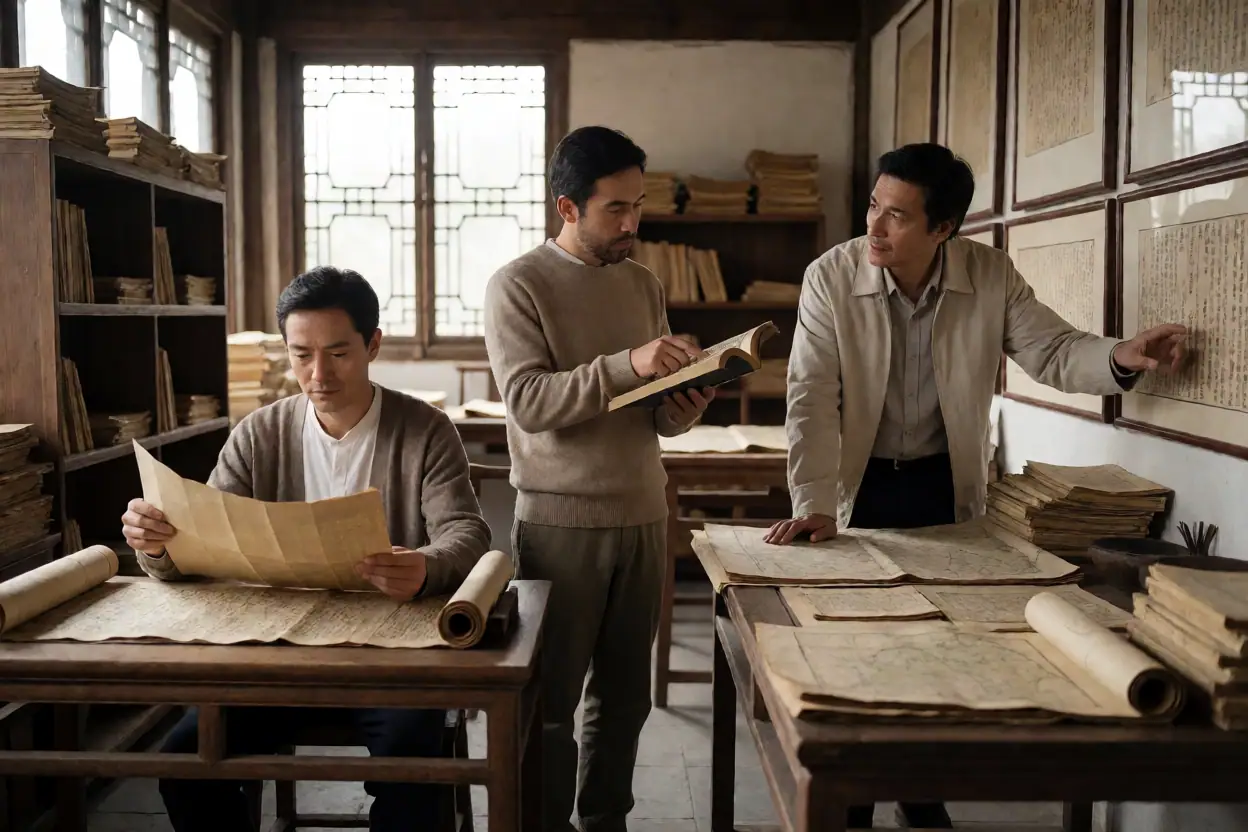
Compiling Xian clan literary culture involves more than gathering articles or poems containing the character “咸.” More importantly, it requires confirming whether an author was indeed of the Xian surname, whether a work has been preserved in full, and whether a reliable connection can be established between the person and a specific family. Existing materials include content such as idiom definitions and natural-history information. Although these items contain the character “咸,” they generally cannot therefore be classified as Xian clan literature. When cataloguing materials, works by individuals of the Xian surname, Xian-surname family documents, and general lexical materials should be handled separately to avoid confusing their documentary attributes merely because they share the same keyword.
To establish a directory of Xian literary figures, one may first record each author’s name, courtesy name or style name, dates of birth and death, native place, title of the work, literary genre, and details of its publication, engraving, or transmission by hand. These details should then be checked against genealogical prefaces, biographical accounts, prefaces and postscripts to collected works, and entries on literature and arts or notable figures in local gazetteers. When only the name matches and the native place, dates, and kinship relations are lacking, it is not advisable to directly identify the person as the same individual; nor can a shared surname alone establish membership in the same clan or lineage. Hand-copied manuscripts, oral materials, and later recollections by descendants have value in preserving family memory, but they should still be corroborated against documents produced earlier and containing clearer records of relationships.
According to ZongMai surname records, various explanations of the origins of the Xian surname can be found, including accounts associated with place names, official positions, or local branches. Information concerning Xiapi Hall and the commanderies or ancestral places of Xiapi, Pengcheng, and Henan may serve as leads for searching genealogies and regional documents, but blood ties cannot be established solely on the basis of a hall name or ancestral place. Records of the Xian surname in Hubei, Hunan, Henan, Jiangxi, Anhui, and other places are also suitable for further investigation in conjunction with local population movements, changes in administrative divisions, records on ancestral halls and steles, and the compilation of clan genealogies. If a migration route lacks evidence from continuous generations and documents from the same period, it should be retained as a family tradition or research lead rather than presented as a definitive conclusion.
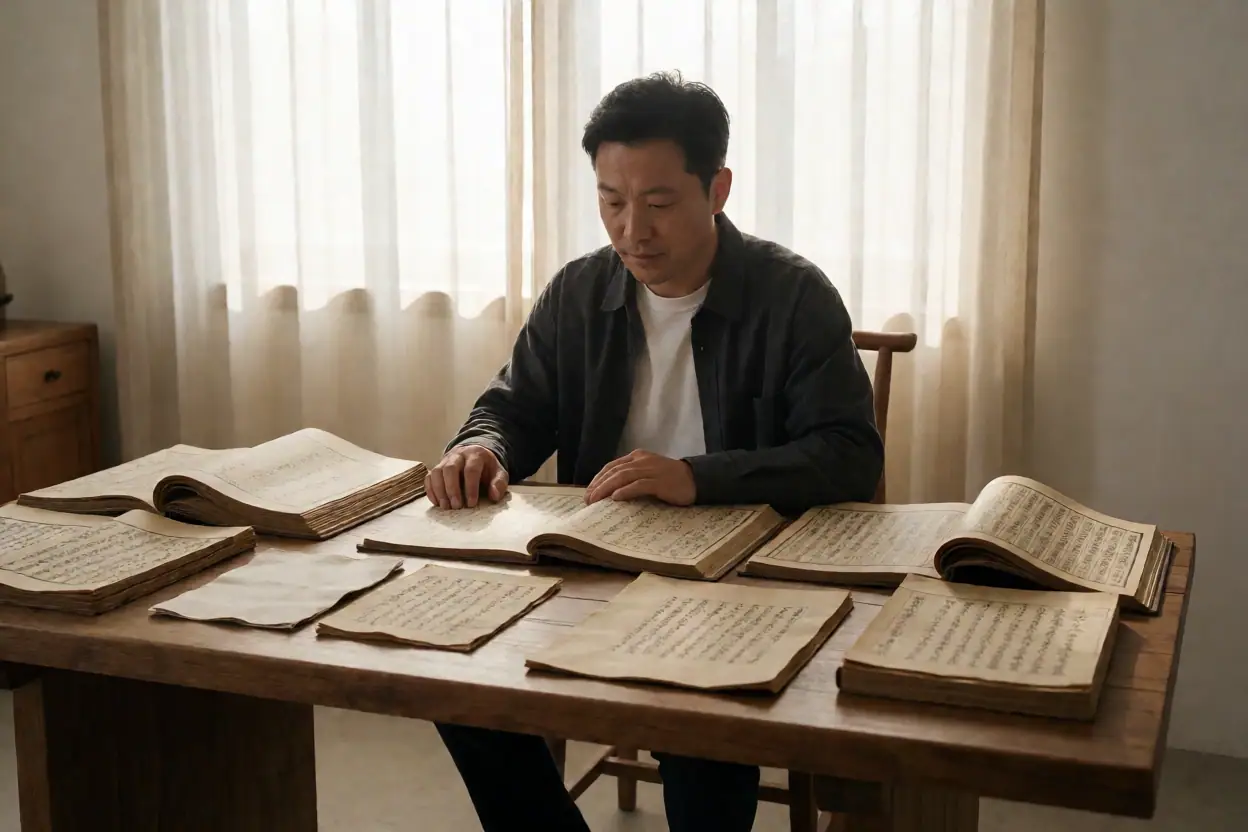
Online genealogies can assist in comparing generation names, lineages, marriages, and places of residence, while local-gazetteer databases can supplement information on the civil service examinations, official careers, education, and literary and artistic activities. Cross-referencing these two types of material may help identify people with the same name and may also reveal potential connections between authors of poetry and prose and a particular branch of the family. Family memoirs can further preserve verses, letters, sacrificial texts, couplets, and local stories, but the compiler should note the narrator, the time of recording, and the original materials on which the account is based, preserve the original form as far as possible, and distinguish firsthand memories from relayed accounts.
In the course of tracing one’s roots, research can proceed backward from known ancestral residences, more recent relatives, and surviving genealogical volumes, gradually linking them with hall names, generation names, and local documents. For ancient figures who have not yet been verified, they should not be forcibly incorporated into a clan lineage merely to complete a literary genealogy. A more reliable archive of Xian literature should present confirmed information, records containing disagreements, and leads still awaiting verification at the same time, giving poetry and prose, family memories, and regional history their own clearly defined places.