Memories of the 後 Surname’s Settlement in Beijing’s Pinggu District Through Clues from Stone Inscriptions
Beijing’s Pinggu District is considered one of the areas where 後氏 is relatively concentrated. Names inscribed on Qing-dynasty steles may preserve traces of local clan members’ activities. Because “后” and “後” may historically represent different surnames, identifying the local branches still requires careful verification against the original stele inscriptions, local gazetteers, household registration records, and genealogical lineages.
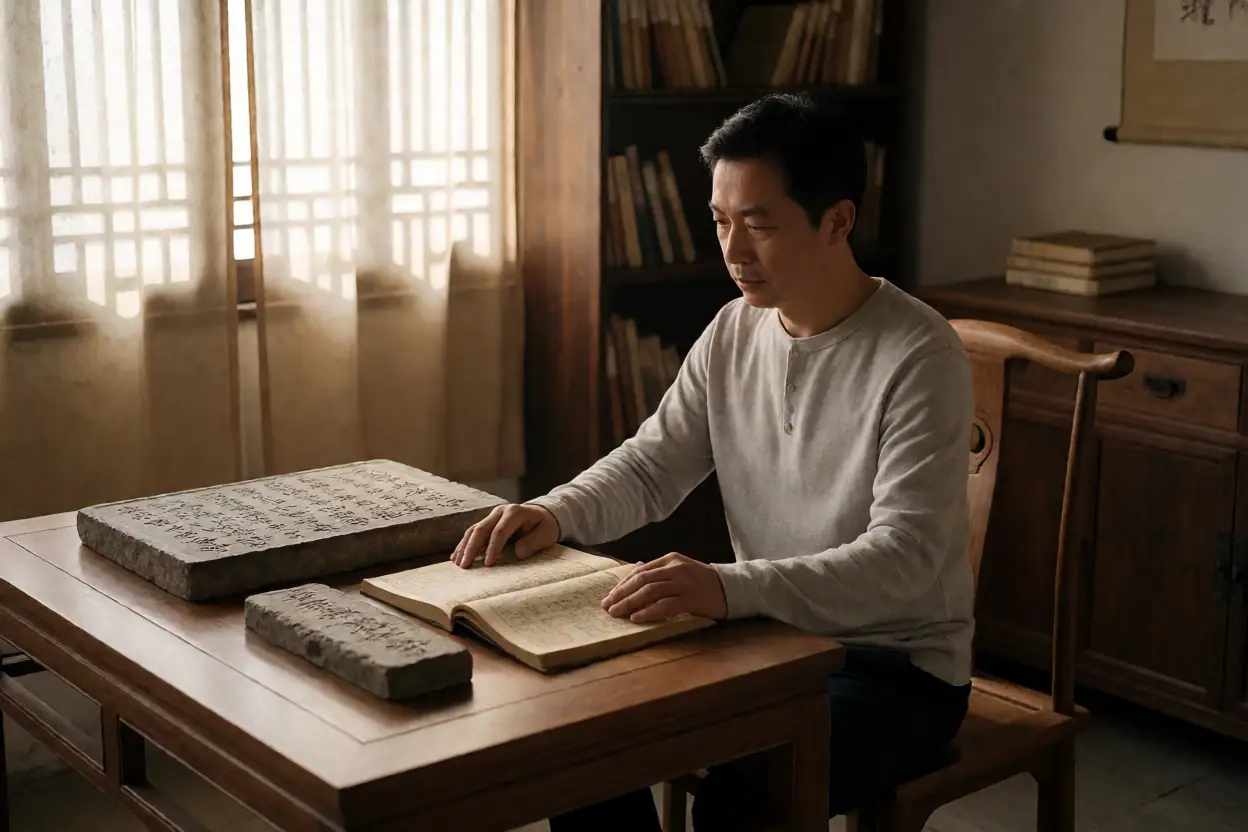
The 後 surname in Beijing’s Pinggu District provides a specific case for examining the relationship between changes in surname characters, local settlement patterns, and family transmission. Existing accounts suggest that Pinggu once developed a relatively influential 後-surname community, and that figures with the relevant surname appear in some Qing-dynasty stone inscriptions. However, the appearance of several people with the same surname in stone inscriptions can only show that clan members were active locally during a particular period. Whether this amounted to a “major settlement” or the scale of a prominent local clan still requires cross-checking the number of inscriptions, their chronological distribution, the individuals’ identities, and other documentary sources.
When discussing this surname, the first step is to distinguish between “后” and “後.” In traditional writing and the historical development of surnames, the two did not inherently belong to the same clan, nor can all 后 and 後 surnames in different places be combined into a single shared lineage merely because they are written in the same form today. After simplified characters were introduced, “後” was generally written as “后,” which may have led to confusion in official records, transcriptions of inscriptions, and genealogical entries. To identify the surname affiliation of the Pinggu branch, priority should be given to the original characters in inscriptions, the forms used in old genealogies, ancestral names, and records of spouses and children, while also noting whether sources from different periods continued to use the same character form.
The value of stone-inscription materials lies in the fact that they often provide names associated with activities such as construction, donations, the erection of steles, and ritual observances. If the original inscription or a reliable rubbing can be located, it may be possible to record the date of erection, the village where it stood, the order of the names, forms of address, and the relationships among the individuals. Only by then comparing these details with Pinggu local gazetteers, village records, temple gazetteers, contracts, and household-registration archives can it become possible to determine whether certain individuals belonged to the same family and approximately how long the branch continued locally. Identical names alone cannot prove a blood relationship.
Genealogies are important materials linking figures in stone inscriptions with modern families, but old genealogies may also contain transcription errors, later additions, or missing generations. When organizing an online genealogy, fields such as “name, character form, generation, place of residence, spouse, children, and burial place” can be used, with the basis for each record noted. Information such as clan hall names, ancestral commanderies, and founding migrant ancestors should be assigned to a specific branch only when it can be corroborated by genealogical prefaces, inscription records, or local documents. Clan-hall names and ancestral origins found in materials concerning other surnames cannot be directly applied to the 後 surname in Pinggu.
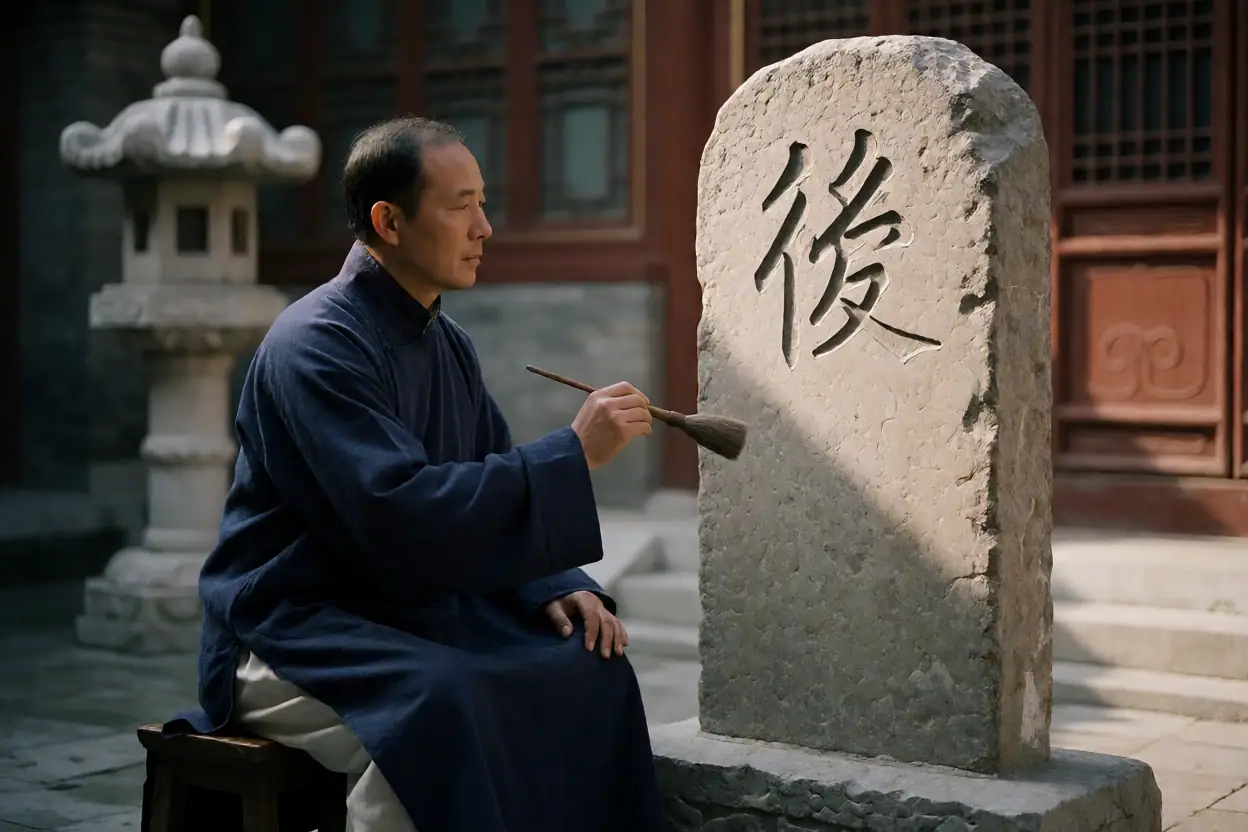
Family memoirs can supplement details about migration, marriage, occupations, and village life in modern times. When interviewing elders, it is advisable to distinguish firsthand experiences from hearsay while preserving the forms of names found in old photographs, letters, ancestral-tomb inscriptions, and identity documents. During the search for family origins, research can also gradually expand from Pinggu to surrounding areas. However, the 後 surname is also found in places such as Shanxi and Taiwan, which does not mean that these groups necessarily share common ancestry with the Pinggu branch. Only after a continuous, verifiable lineage has been established can possible migration or kinship connections between branches be discussed.
Research on the 後 surname in Pinggu should therefore begin with stone inscriptions, use local gazetteer databases to establish the historical context, use genealogies and family archives to clarify relationships among individuals, and then draw on oral memories to supplement the history of everyday life. This approach both preserves local surname culture and avoids making premature judgments about ancestral origins based on the merging of character forms or the occurrence of the same surname.