Organizing and Passing On Family Memory Through Creative Genealogies
Traditional genealogies are not limited to bound volumes, genealogical registers, and lineage charts. Through posters, three-dimensional works, and family interviews documenting bilateral kinship, students demonstrate that a family tree can preserve family information while also providing an entry point for understanding migration, family bonds, and multiculturalism.
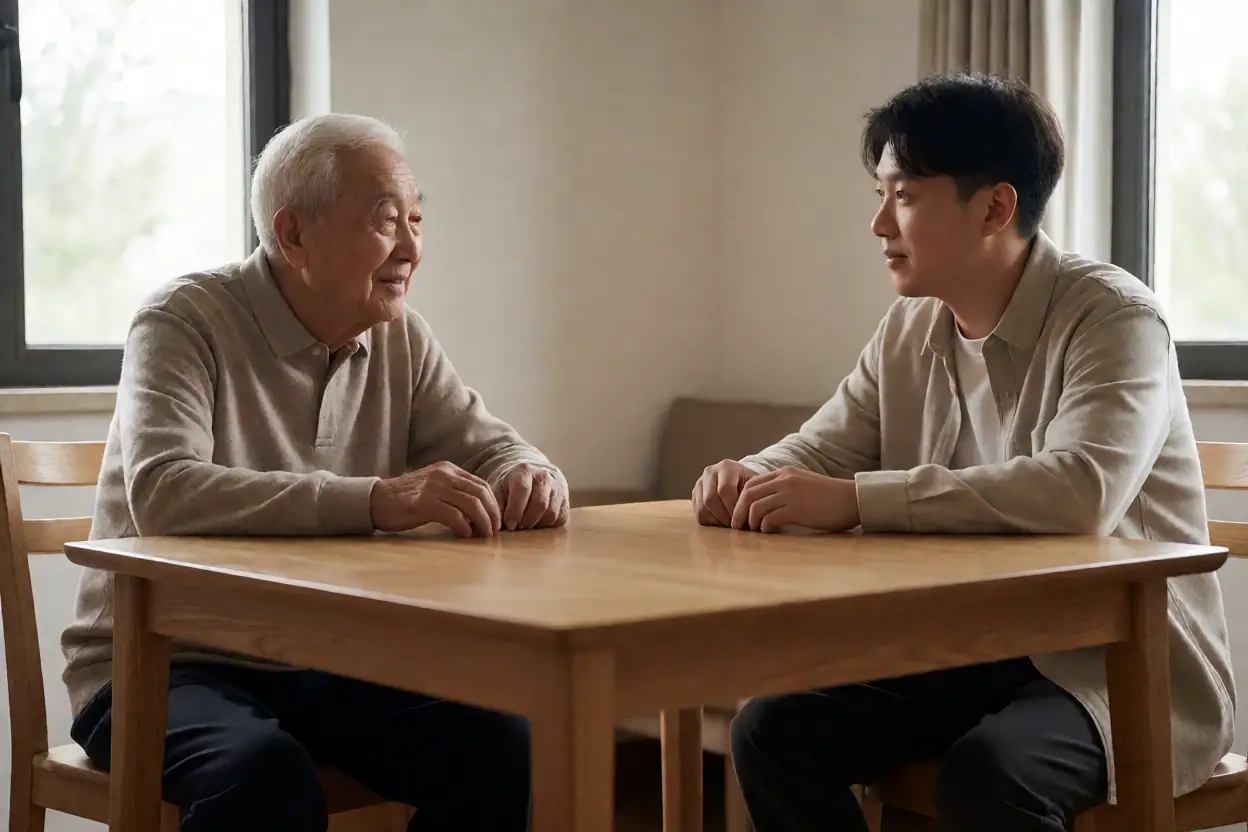
When people talk about genealogies, they often think of thread-bound genealogy books, calligraphy written with a brush, and family names arranged by generation. But in a creative genealogy-making activity for students in the northern region, participants used posters, three-dimensional arts-and-crafts works, and other formats to reinterpret family relationships, giving what was originally a more solemn genealogical tradition a more approachable and everyday character.
Records show that the activity attracted students from Taipei City, Taipei County, Taoyuan County, Yilan County, and other areas, receiving a total of 361 works. Awards included Special Excellence, Excellence, and Merit. The value of the works lay not only in their novel formats, but also in the way they encouraged family members to organize their history together. Students had to ask their parents and grandparents about names, family relationships, places of residence, and past events, giving many fragments that had previously existed only in older family members’ memories an opportunity to be recorded.
One two-dimensional work depicted the elders in the family lines on both the mother’s and father’s sides as gold ingots, under the theme “Family Heirlooms.” The creator returned to Yilan with their parents to interview their grandparents, hearing family stories in the process and unexpectedly discovering a memoir left by their grandfather. Another three-dimensional work used a castle, a large tree, and sweet potatoes as its main images, linking them respectively to Europe, the United States, and Taiwan to express the lived experience of a family spanning multiple regions. These forms of expression remind us that family memory does not necessarily develop along only a single paternal or maternal line; marriage, migration, and different cultural backgrounds also shape a person’s understanding of their family.
In terms of methodology, creative genealogies should first place importance on the provenance of their information. Names, places of birth, dates of relocation, marital relationships, and stories about ancestors should ideally indicate separately whether they come from household registration records, old genealogies, tombstones, local gazetteers, or oral accounts from older family members. Information that has not yet been verified can be listed provisionally as a lead pending further confirmation. Family memoirs are well suited to preserving people’s personalities, details of daily life, and the feelings of a particular era. However, oral accounts may have different versions because of variations in memory, and should be cross-referenced with other materials.
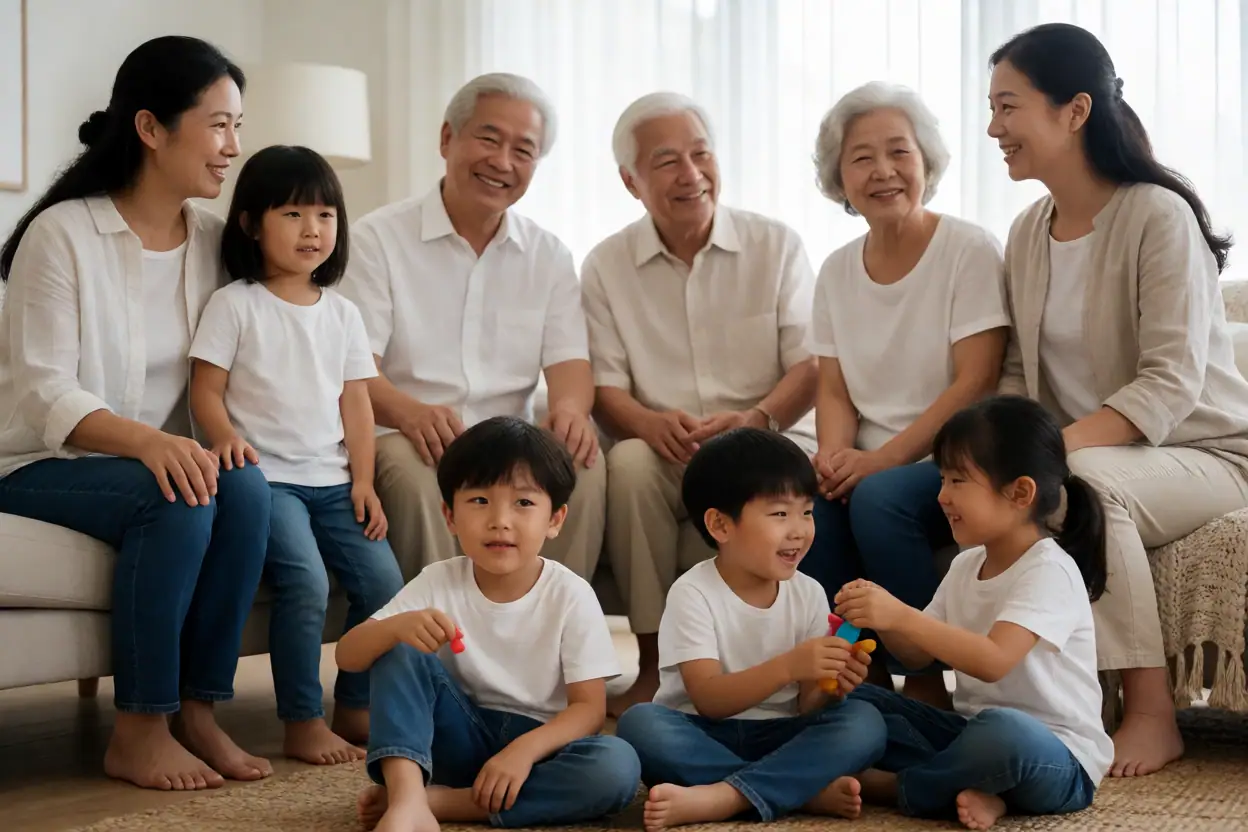
A surname database can help users learn basic information about a particular surname, clues about its distribution, and related literature. Online genealogies make it easier to continue adding lineages, individuals, and events, while local gazetteer databases can be used to verify the history of villages, administrative changes, and regional developments. For the surname “创,” currently available sources only indicate that it is included in surname reference materials; its origin, ancestral commandery, lineage hall name, generation names, and migration history still require further supplementation. Whether families bearing the surname 创 in different regions share a common ancestry cannot be determined solely from having the same surname; it still requires item-by-item examination of genealogical records, ancestral places of residence, ancestors’ names, and historical documents.
The significance of a creative genealogy therefore lies not in making a family story more ornate, but in encouraging family members of different generations to participate in recording it and, through that process, understand the connections among kinship, migration, and local society. Whether the final form is a printed genealogy, a visual work, or a continuously updated digital family tree, it should be grounded in factual verification, respect for privacy, and the preservation of unresolved questions, so that family memory can be seen and can also withstand future tracing.
Learn More and Verify
- Organizing and Critically Examining Family Memories through The Tang Clan Genealogy, Sixth Revision
- Examining and Verifying Family Memory Through a Liu Family Genealogy
- Yiyang Tang Clan Genealogy: Clues for Organizing a Record of Local Family Memory
- Literary Clues on the Neng Surname and Methods for Organizing Family Memories
Genealogy Knowledge and Methods for Compiling Genealogies · Finding Genealogies and Local Gazetteers · Organize family-root-seeking leads