Dongguan Li Clan Ancestral Hall Stele: Clues to Ancestral Hall Construction Found in the Inscription
The surviving Li clan ancestral hall steles in Dongguan record information about the construction and renovation of ancestral halls in multiple inscriptions, involving writings by scholars from the Song, Yuan, and Ming periods. The dimensions, authors, and dates of the engraved steles still require further verification against rubbings, local gazetteers, and genealogies; lineage cannot be inferred solely from a shared surname or a single record.
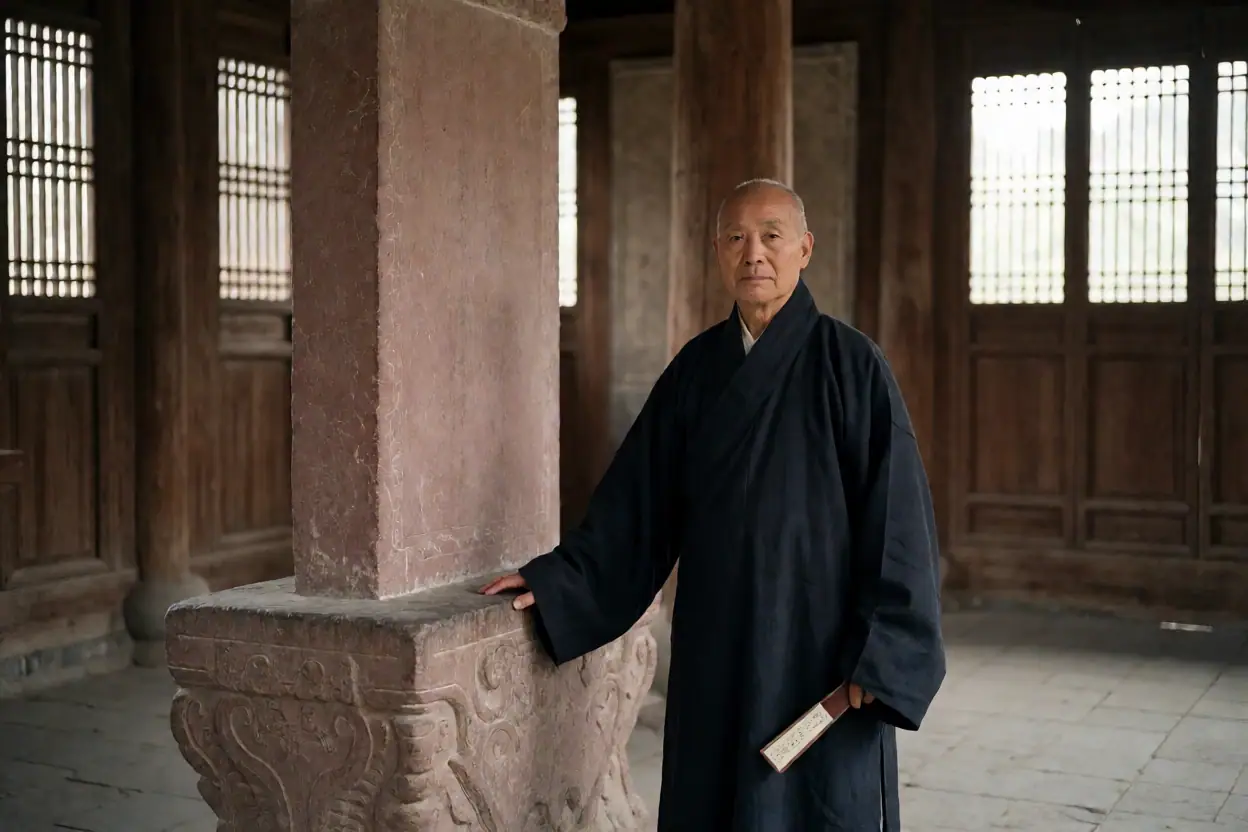
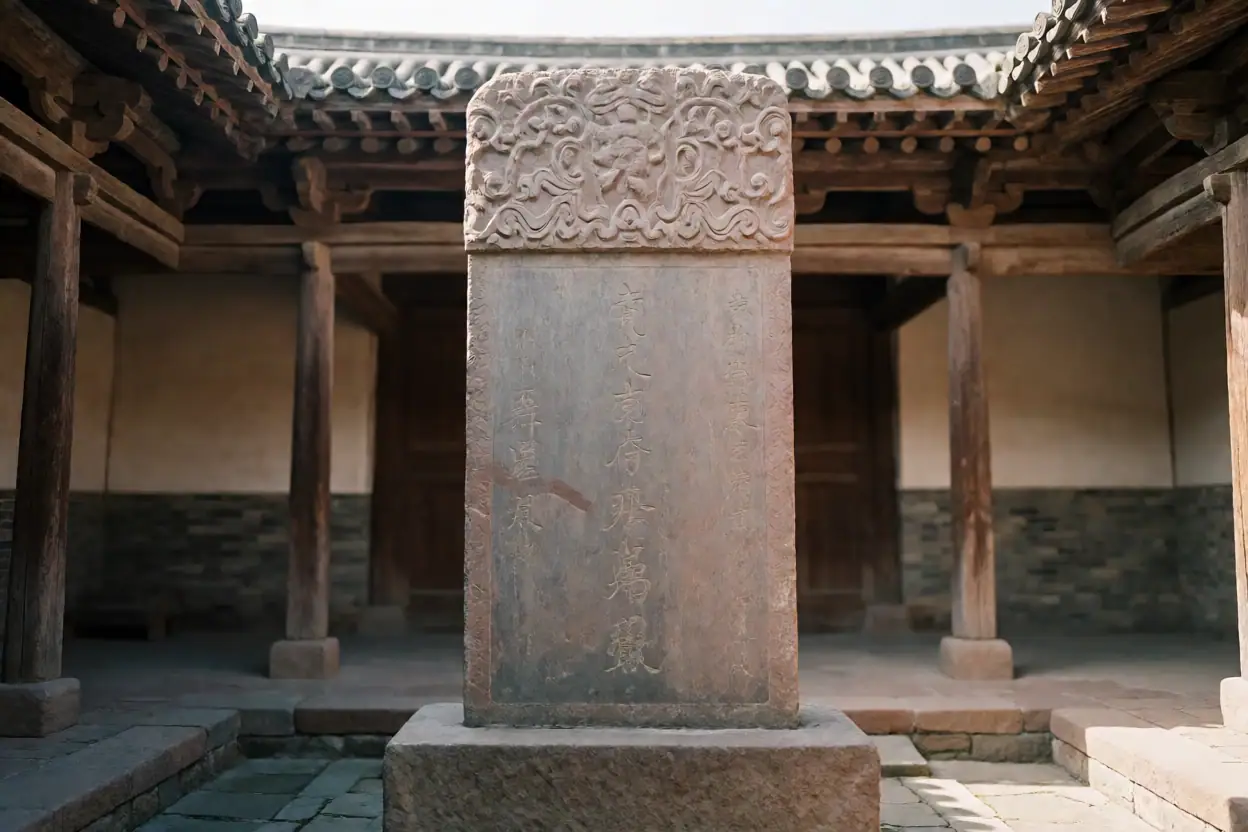
The Dongguan Li Clan Ancestral Hall Stele is an important material clue for studying the history of ancestral halls, local society, and family memory in the Pearl River Delta. Existing accounts mention at least two steles associated with the Li clan ancestral hall: one measures approximately 150 centimeters in total height, 86 centimeters in width, and 12 centimeters in thickness, and has a red sandstone base; the other measures approximately 140 centimeters in total height and 90 centimeters in width, with the title “Record of the Dongguan Li Clan Ancestral Hall” inscribed on its stele head and arranged in columns in seal script. The two sets of dimensions and forms are not completely identical. They may reflect different steles, or may be related to the measurement and transcription processes; on-site investigation and images of the stele surfaces should still be treated as authoritative.
Related accounts state that the inscription is divided into several sections, concerning authors and recorders from the Song, Yuan, and Ming periods. Some of the text is attributed to the Song scholar Li Chunsou, while other records were written by Dalu Yuquan, an Investigating Censor during the Hongwu era of the Ming, and Zhao Yina, a Fengxun Grand Master; another stele involves Zhao Mengfu of the Yuan dynasty and Chen Lian and Chen Yong of the Ming dynasty. Because the existing text contains variant characters, worn or illegible characters, and passages that are difficult to decipher, individual names, official titles, and divisions of the essays should not yet be treated directly as finalized transcriptions of the stele inscriptions.
The value of the inscription lies first in the clues it may preserve concerning the founding and reconstruction of the ancestral hall, as well as the participation of clan members in local affairs. If the records concerning its initial construction in the Southern Song and subsequent renovations can be corroborated through the original stele, rubbings, or contemporaneous documents, they could provide relatively reliable evidence for assessing the historical continuity of the Li Grand Ancestral Hall. Second, the authors, official titles, and construction activities recorded on the stele also help illustrate how clans used ancestral halls to maintain ritual observances, organization, and local prestige. However, the date when the ancestral hall was founded, the date of the surviving building, and the date when the inscription was erected are not necessarily the same and must be examined separately.
In the study of surname lineages, the Li surname is widely distributed, and the Li families in Dongguan may include branches that migrated there at different times. A shared surname cannot directly prove a shared clan origin, nor can an ancestral hall name, founding migrant ancestor, or ancestral place of residence alone establish a lineage conclusion. To connect the inscription with a specific family, the interpretation of the stele, local gazetteers, old genealogies, burial records, ancestral hall renovation records, and family memoirs should be compared within a single chain of evidence. Online genealogies can be used to organize clues concerning people, place names, and migration, but their lineages should still be verified against original genealogies, genealogical prefaces and postfaces, and local documents.
For authors such as Chen Yong, existing materials on the Chen surname can provide background information on commandery designations such as Yingchuan, Runan, and Xiapi, as well as on the distribution of the surname in Guangdong, Fujian, and other places. They cannot, however, prove that the Chen clan had a clan relationship with the Dongguan Li clan, nor can the appearance of a Chen author in the inscription justify placing that author in the Li lineage. Further research may draw on surname databases, online genealogies, family memoirs, records of ancestral searches, and local gazetteer databases to verify names, official titles, changes in place names, and branch transmission separately, with conclusions ultimately based on original evidence that can be independently checked.
Learn More and Verify
- Clues from the genealogy of the Wen Ancestral Hall in Huangxi, Ningdu, and research pathways
- Yihuang, Jiangxi Hu Clan Ancestral Hall: An Ancestral Hall and Local Family Memory
- Architectural Memories and Family Clues of the Diao Family Ancestral Hall in Guangxing, Jintang
- Lineage and Clues to Migration to Southern Zhejiang Found in the Sanxi Ke Clan Genealogy
Genealogy Knowledge and Methods for Compiling Genealogies · Finding Genealogies and Local Gazetteers · Organize family-root-seeking leads