The Transmission of the Zhang Family Instructions in Jixi and Huizhou Family Culture
The Zhang family instructions in Jixi center on self-cultivation, diligence and frugality, the nurturing of ambition, and prudence in choosing one's associates, reflecting the Huizhou tradition of valuing education and household management. Examining their formation, transmission, and practice also requires reference to Zhang genealogies, local gazetteers, residence and ancestral-hall documents, and family memories in order to distinguish specific branches and lineage relationships.
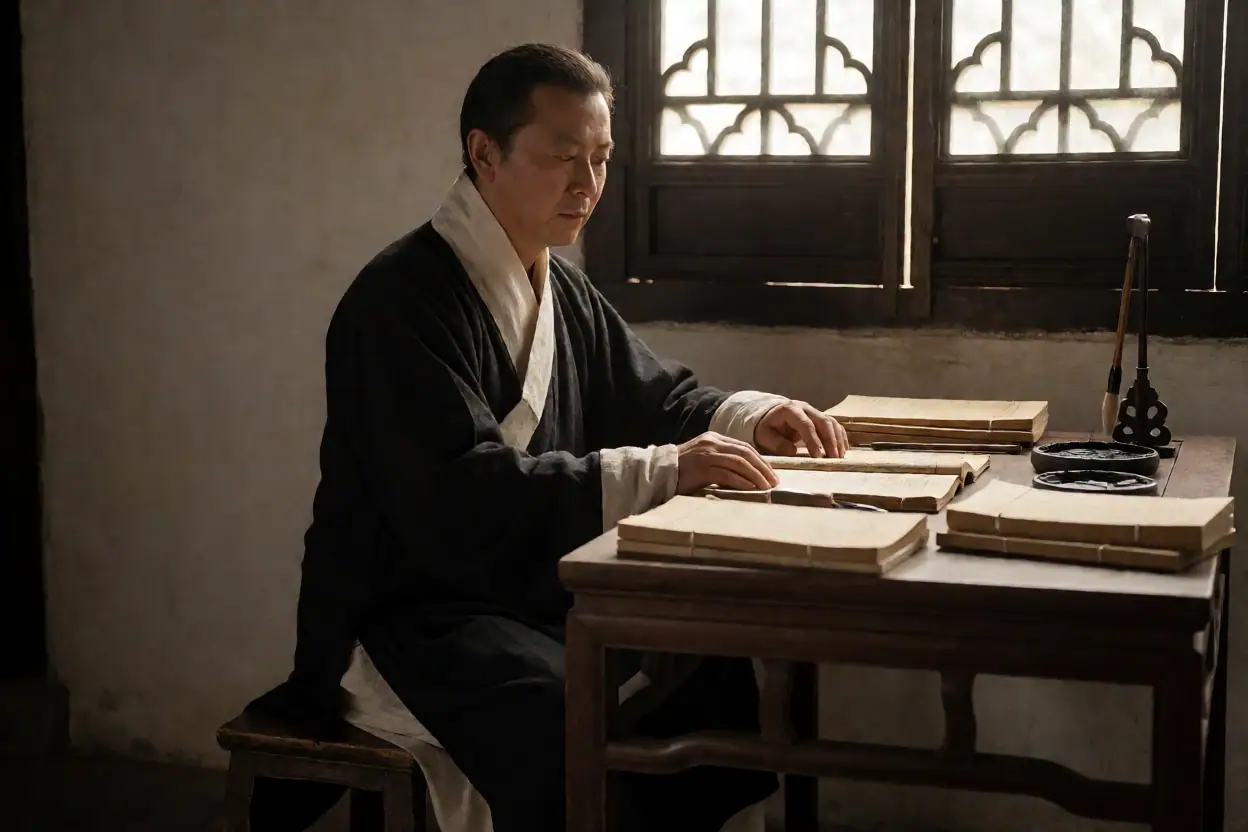
Within Huizhou family culture, family instructions are not only rules governing everyday conduct, but also important texts connecting family education, lineage order, and local society. The family instructions transmitted among certain Zhang branches in Jixi focus primarily on cultivating personal virtue, managing the household through diligence and frugality, strengthening one's resolve, and exercising caution in one's associations. Their concern is not the size of a household or its wealth at any given moment, but whether descendants can preserve virtue, learning, and a sense of responsibility. These ideas correspond with the Huizhou tradition of valuing study, enterprise, and family reputation.
Related accounts often refer to these instructions as the “Family Instructions of Grand Tutor Zai Jun” (《太傅仔钧公家训》), attributing them to Zhang Zaijun, and some accounts state that the text comprises 196 characters. However, the attribution, earliest textual form, and exact character count should still be determined through comparative examination of early genealogies, inscriptions, manuscripts, and reliable bibliographic records. In particular, the relationship between the period in which Zhang Zaijun lived and the time when his descendants moved to Jixi cannot be used to explain the background of the instructions' composition solely on the basis of later narratives. A more cautious interpretation is that the text may have acquired the wording seen today through long-term copying, genealogy revisions, and instruction within the lineage.
In terms of content, the family instructions attribute the foundation of family prosperity to personal character and ability, place the key to the lasting continuity of the family estate in restraint and diligence, and stress that one's resolve must not be lost in times of hardship. The admonitions concerning social associations reflect traditional society's cautious attitude toward the character of friends and the management of social relationships. They were not intended only for people in any one occupation, but could apply to study, commerce, official service, and family life in different circumstances. How members of the Jixi Zhang lineage understood and practiced these requirements in different periods still needs to be reconstructed through personal papers, family memoirs, contracts and account books, and local records.
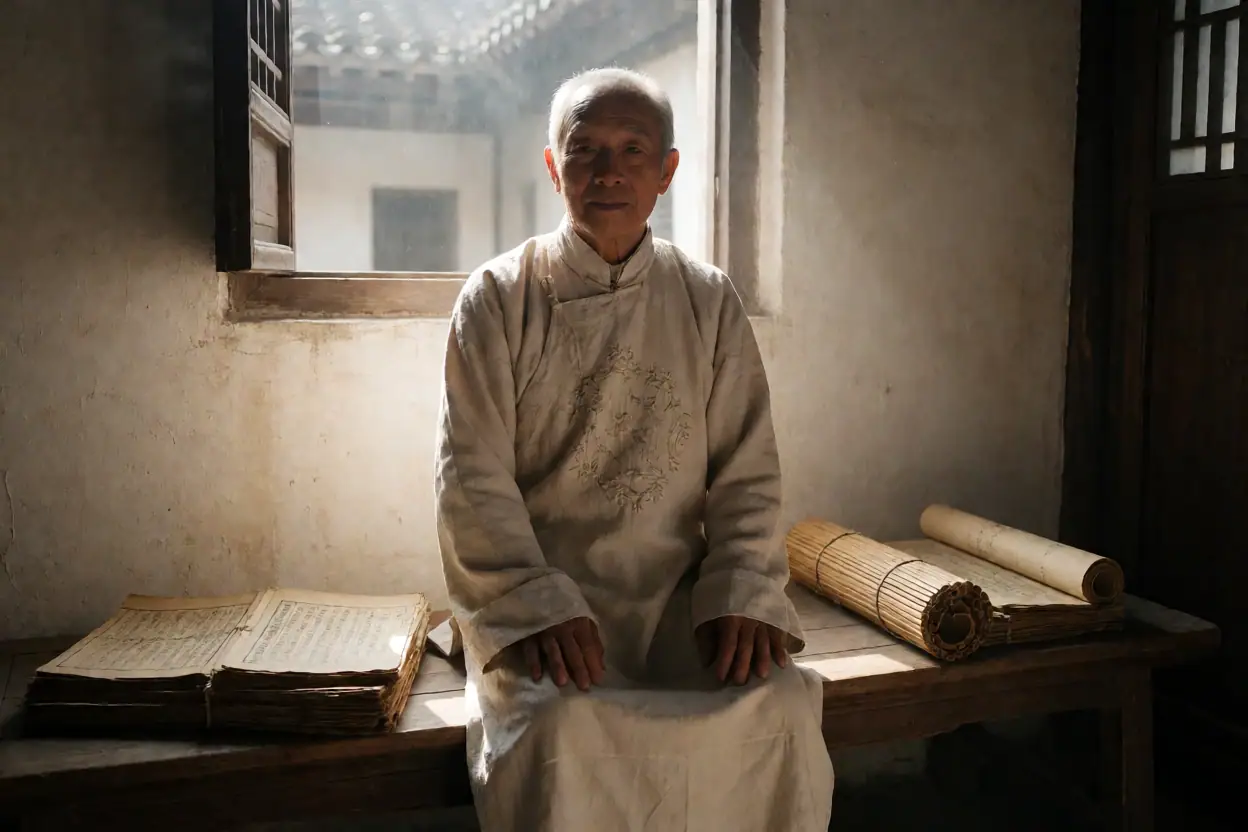
The Zhang surname itself has multiple origins and numerous local branches. Surname materials include accounts of commanderies such as Qinghe, Pingyuan, and Henan, and Qinghe Hall has also been adopted by some Zhang families; such designations help organize cultural identity but cannot by themselves prove a blood relationship. The Zhang surname is also found in Northeast China and in places such as Hebei and Shandong, but whether these groups share common ancestry with the Jixi Zhang lineage, when they migrated, and where they passed through must be established from specific genealogies and migration records. They should not be linked into a single lineage merely because they share a surname, a hall name, or similar generation names.
Further research on the Jixi Zhang lineage can begin by comparing genealogical prefaces, lineage tables, generation names, records of founding ancestors, and genealogy-revision dates in online family genealogies, followed by corroboration from village, biographical, ancestral-hall property, and migration materials in local gazetteer databases. Genealogical fragments, ancestral tablets, old letters, photographs, deeds, and oral memories preserved by families can also be organized into family memoirs, with the narrator, date of recording, and verifiable details noted. Only by cross-referencing surname materials, genealogical texts, local documents, and family memories can the transmission of the family instructions within a specific Zhang branch gradually be clarified, while avoiding the treatment of later conjecture as established historical fact.