What the Shanghang Hakka Genealogy Forum Reveals About Genealogical Records and Cross-Strait Memory
The Shanghang Hakka Genealogy Forum brings together researchers and association members from both sides of the Taiwan Strait to exchange views on genealogical organization, Hakka migration, and family memory. The discussions also indicate that, although genealogies are important historical sources, they still require careful examination alongside local gazetteers, documentary records, and on-site evidence.
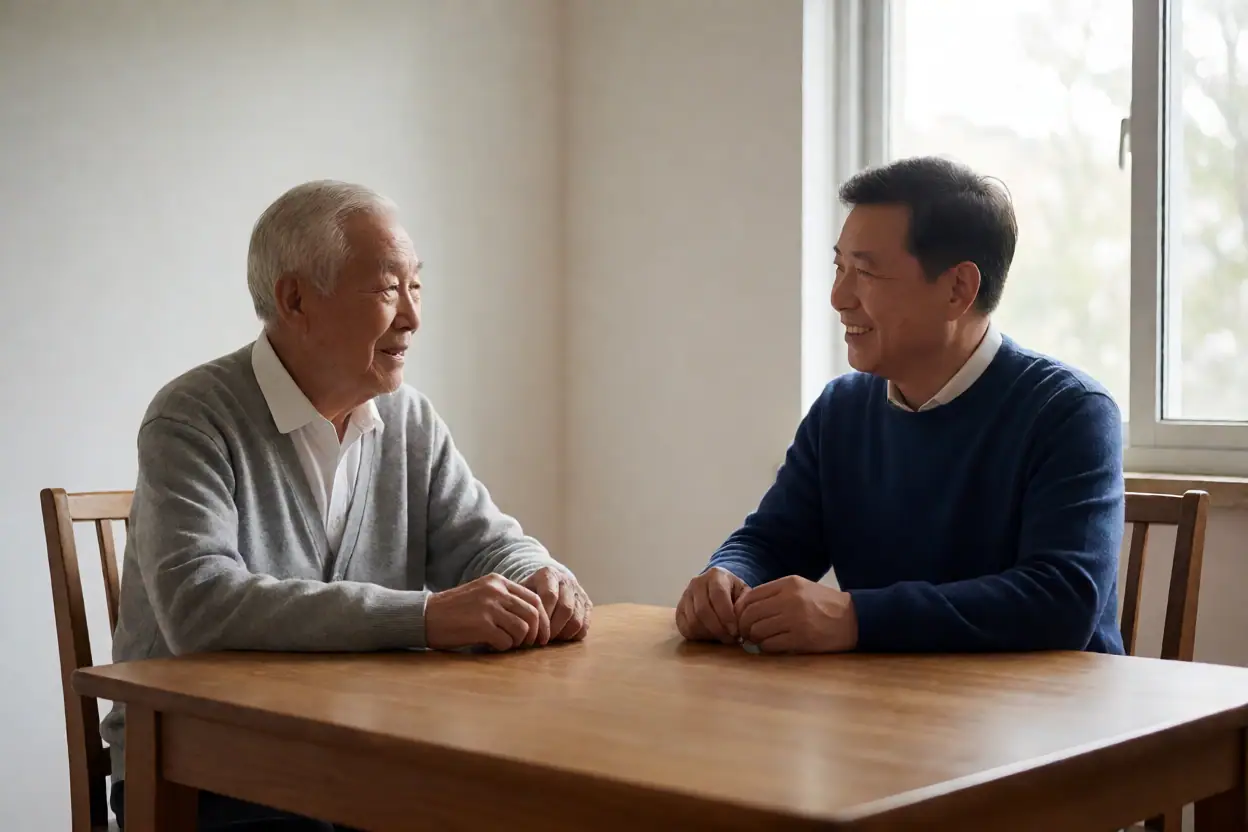
Located in the middle reaches of the Ting River, Shanghang, Fujian, is an important area of Hakka culture in western Fujian. In August 2018, the Cross-Strait Hakka Genealogy Forum was held in Shanghang, bringing together Hakka culture researchers, genealogy researchers, and association members from both sides of the Taiwan Strait. The forum took more than a year to prepare and received more than 70 papers. Its topics included genealogical organization, the transmission of Hakka culture, population migration, and historical ties across the Taiwan Strait.
One important insight presented at the forum is that a family genealogy is not simply a list of family members. It often records information such as the founding ancestor who first migrated to a place, lineage succession, marriages, places of residence, ancestral properties, burials, generation names, and family instructions, providing clues for research into local society and population movements. With regard to the historical links between western Fujian and Taiwan, records of migration to Taiwan, branch divisions, ancestral-rite relationships, and changes in place names found in genealogical records may also serve as materials for understanding family interactions. According to available information, the Shanghang Hakka Genealogy Museum houses a substantial collection of genealogies of Hakka surnames and family documents. Its related exhibitions and organizational work reflect the value of genealogical documents in regional cultural exchange.
However, the value of genealogies should be established through specific examination and verification. Some genealogical records may contain later additions, copying or transcription errors, overly simplified links between generations, or a blending of legends with historically verifiable facts. Forum discussions also noted that genealogical research must be alert to the practice of linking lineages to famous figures or tracing ancestry back to illustrious individuals. Therefore, determining a family's origins and migration routes cannot rely solely on a shared surname, the same ancestral hall name, or a single isolated record. It should also involve cross-checking genealogical prefaces, tombstones, inscriptions on ancestral halls, contracts and other documents, local gazetteers, household-registration records, and genealogies in different versions.
For families currently tracing their roots, the process of organizing clues can begin with existing genealogies, ancestral places of residence, generation names, ancestors' personal names, and oral recollections. The ZongMai Surname Database can be used to learn about surname distribution, ancestral hall names, and clues in historical documents; online family trees are useful for comparing branch records from different regions; family memoirs can preserve migration experiences, family instructions, and ancestral-rite traditions; and local gazetteer databases can help verify changes in villages, administrative organization, and the activities of historical figures. Where specific ancestors, places of first migration, or cross-sea migration are involved, each point should also be verified against images of original documents, archival catalogs, and field investigations conducted locally.
It is important to note that sharing a surname does not mean sharing the same lineage. Even if the same surname is found in Shanghang, Taiwan, and overseas, this alone cannot establish that those groups belong to the same branch. An ancestral hall name, ancestral prefecture, and generation names can serve as entry points for research, but a relatively clear judgment about a clan connection is appropriate only when the lineage, dates, places, and documentary evidence form a mutually consistent chain. The Shanghang forum exemplifies a path for organizing family memory that is based on genealogical records and supported by the cross-verification of multiple sources.
Learn More and Verify
- Yiyang Tang Clan Genealogy: Clues for Organizing a Record of Local Family Memory
- The Hua Clan of Dangkou, Wuxi: Jiangnan Family Memories and Genealogical Clues
- Two Visits to the Kuang Clan Ancestral Hall: Family Memories in the Lingnan Water Towns
- Guangzhou Donghu Village Kuang Clan Grand Ancestral Hall: Family Memory in Lingnan Historic Architecture
Genealogy Knowledge and Methods for Compiling Genealogies · Finding Genealogies and Local Gazetteers · Organize family-root-seeking leads