Renovation of the Taolin Xiao Clan Ancestral Hall and Chronicle of the Bing Shen Qingming Ancestor-Worship Ceremony
A clan activity record states that the Xiao Clan Ancestral Hall in Taolin Village, Ketou Township, underwent approximately two years of renovation before a completion ceremony and ancestor-worship activities were held on the eve of Qingming in the Bing Shen year. The relevant dates, identities of the people involved, and the history of the ancestral hall still require further verification against genealogies, inscriptions, and local gazetteers.
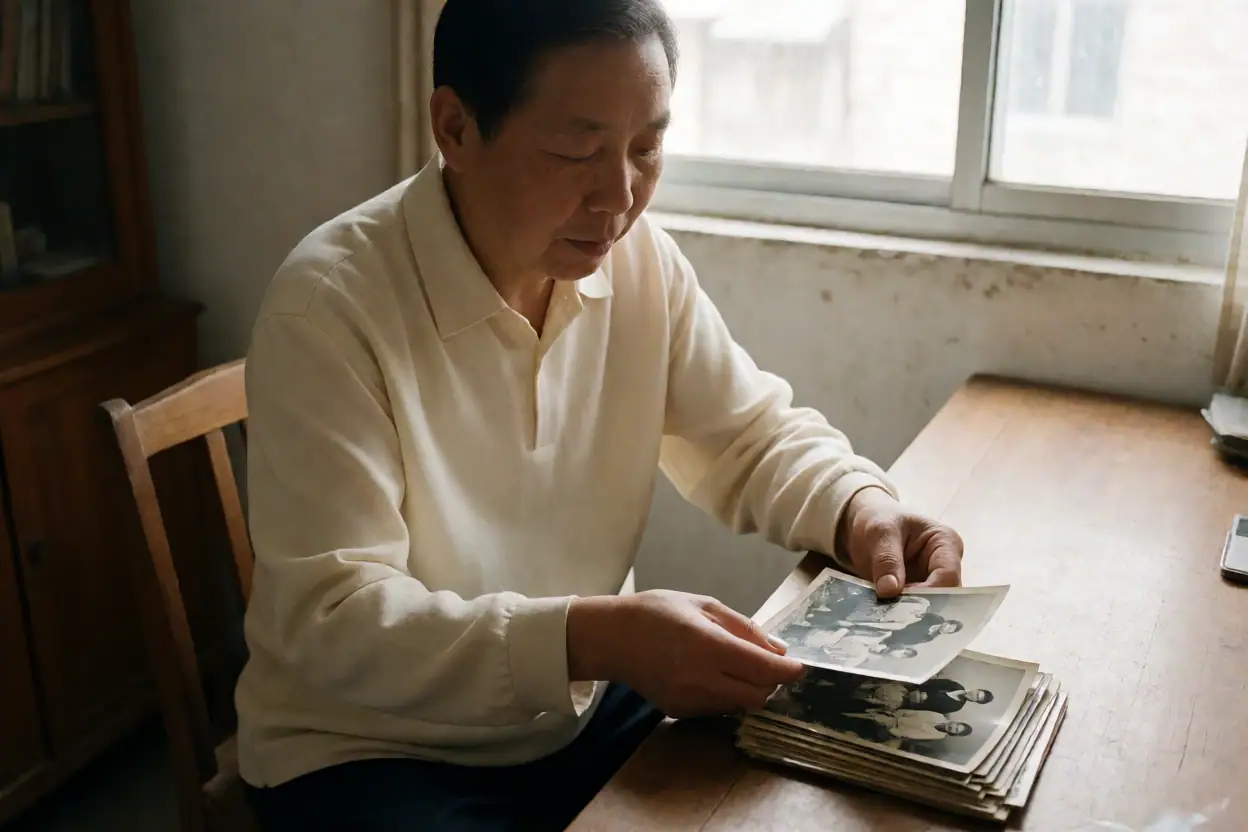
The eve of Qingming is often an important time for clans to organize genealogical records, remember their ancestors, and maintain contact with relatives in different places. An activity record indicates that the Taolin Village of Ketou Township held a completion ceremony for the renovation of the Xiao Clan Ancestral Hall on April 3, followed by ancestor-worship activities in accordance with traditional rites and customs. The activity was labeled “2016 Bing Shen,” and may therefore provisionally be understood as a record relating to the Bing Shen year. However, the extant record also bears a 2013 publication marker, and the two dates are inconsistent. The exact date should still be checked against the notice, captions on photographs, project account books, or local newspapers from that year.
According to the account, the Taolin Xiao Clan Ancestral Hall may have been first built during the Qianlong period of the Qing dynasty, underwent expansion in the 21st year of the Republic of China, and was later used for a time as a school, which helped preserve the building. This account of its history currently consists primarily of a family narrative compiled by the organizers and still requires cross-verification against inscriptions on structural members, steles, contracts, school histories, and local gazetteers. If these claims are substantiated, the ancestral hall not only served a ritual function but also records changes in the uses of rural public space during different historical periods.
The renovation of the ancestral hall was reportedly proposed by clan members around Qingming in 2014 and lasted approximately two years, with the funds raised recorded as more than RMB 560,000. After the project was completed, Xiao relatives from several places and local representatives attended the celebration. The guests mentioned in the record included people from several areas of Hunan, as well as representatives of Xiao clans from Laifeng, Hubei, and Guilin, Guangxi. However, attending the same event or sharing the same surname does not establish that the people involved belong to the same lineage or branch. Whether Xiao clans in different places have genealogical lines that can be connected must still be checked against old genealogical prefaces, generational names, records of founding ancestors who moved to the area, tomb inscriptions, household registration locations, and other evidence.
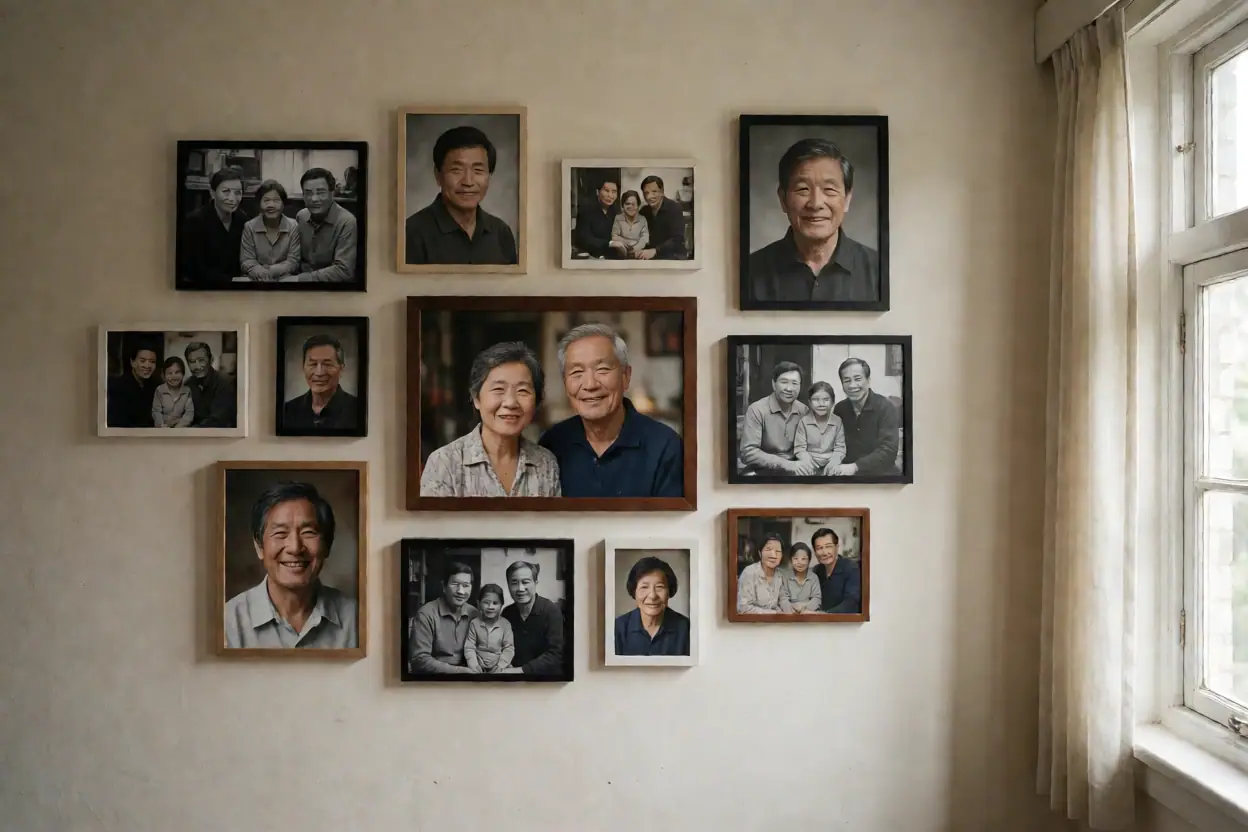
When organizing the history of the Taolin Xiao clan, one may first compile the ancestral hall’s history, records of past renovations, donation lists, and ancestor-worship photographs into a thematic archive, then use online genealogies to record the names of individuals, branch designations, and family relationships item by item. Accounts by elders of experiences involving schooling, ritual practices, and relocations can be compiled into family memoirs while retaining the narrator, the date recorded, and matters requiring verification. During the search for ancestral roots, one may also consult local gazetteers, school histories, gazetteers of place names, and records of former administrative divisions for Ketou Township and surrounding villages to determine the jurisdiction and names associated with “Taolin” during different periods.
It is especially important to distinguish that “Taolin” in “Taolin Xiao” is a place name and should not therefore be classified as the Tao surname. The Tao surname has its own genealogical materials; much remains to be supplemented regarding its origins, commanderies of prominence, ancestral hall names, generational names, and migration routes. Existing distribution clues involve Guangdong, Guangxi, Yunnan, Sichuan, Anhui, Hubei, Hebei, Shandong, and Shanxi, but these geographical details have no direct correspondence with the Taolin Xiao Clan Ancestral Hall. Only if inscriptions from the ancestral hall, complete genealogical records, and local archives can be brought together in the future may the date when the Taolin Xiao ancestral hall was built, its migration routes, and its branch relationships be explained more clearly.
Learn More and Verify
- Two Visits to the Kuang Clan Ancestral Hall: Family Memories in the Lingnan Water Towns
- Guangzhou Baiyun Kuang Clan Ancestral Hall and the “Fragrance of Light Ink Through the Ages” Paifang
- Guangzhou Liangshang Village Ximen Kuang Clan Ancestral Hall: Ancient Ancestral-Hall Form and Collective Memory
- Na Clan Ancestral Hall in Changhuang Village, Xiaoyi, Shanxi: Two Centuries of Rural Memory
Genealogy Knowledge and Methods for Compiling Genealogies · Finding Genealogies and Local Gazetteers · Organize family-root-seeking leads