A Study of Chu Clan Settlements, Ancestral Halls, and Migration Memories in Jiaodong
The Chu surname has left settlement, genealogy, and ancestral-hall records in many parts of Jiaodong. Yongfuyuan Village in Fushan and Chujia Village in Laizhou are among the more closely studied locations. Existing genealogies also preserve accounts of an ancestral home on Zhifu Island and migrations across the Bohai Sea. However, whether different branches share a common origin still requires case-by-case verification against genealogy prefaces, local gazetteers, inscriptions, and household-registration documents.
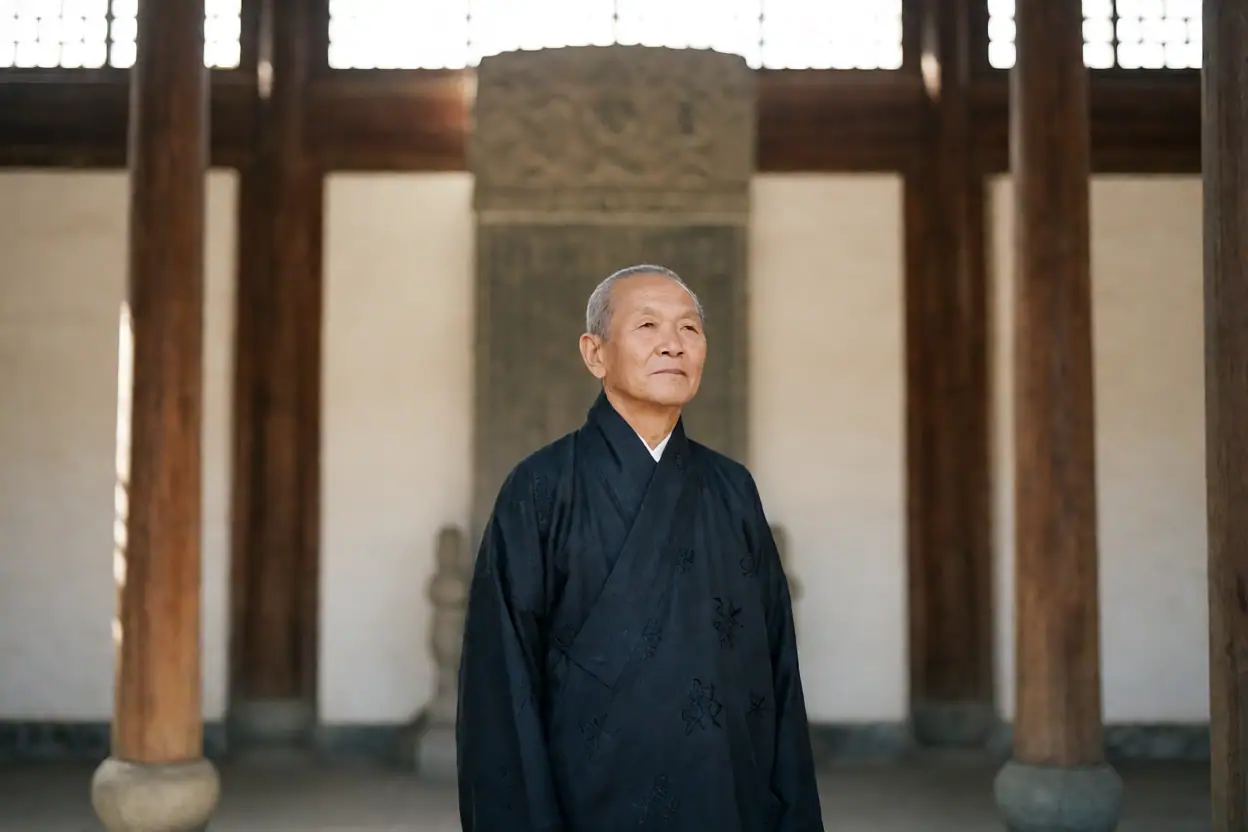
The Chu population is relatively small, but several fairly concentrated settlements have formed across the Jiaodong Peninsula. Existing accounts mention traces of Chu villages or clan activity in Fushan, Zhifu, Laishan, Muping, Laiyang, Penglai, Laizhou, and other areas. This regional distribution indicates that Jiaodong is an important area for studying Chu clan history. However, settlement by people bearing the same surname cannot directly prove that the various villages and branches share a common ancestor; specific relationships should still be determined on the basis of genealogical materials that can be connected through successive generations.
The Chu ancestral hall in Yongfuyuan Village, Fushan, is a prominent landmark in the cultural memory of the Chu clan in Jiaodong. According to relevant accounts, the hall was preserved over a long period by local members of the Chu clan, and a couplet at its entrance reads, “The hereditary legacy of Xing Mountain; the family renown of the Bohai.” The couplet links Xing Mountain and the Bohai with the family’s history, serving to recall earlier generations and mark memories of migration. However, couplets are materials of clan narrative; the locations they refer to, the time they were created, and the branches to which they apply still require careful analysis in conjunction with inscriptions from the ancestral hall, records of successive repairs, and original genealogies.
Some Chu genealogies state that the Chu clan in Jiaodong once regarded Zhifu Island as its ancestral home and preserve an account of migration in which the ancestors first lived in Chu, moved during the Tang dynasty to the area around Xingshan in Jinzhou, Liaoning, and crossed the Bohai Sea into Jiaodong during the Five Dynasties period. The genealogies provide no clear explanation for some of the migrations. Later interpretations involving frontier garrisoning are currently better treated as research leads rather than established conclusions. To reconstruct the migration process, researchers could focus on cross-checking the dates when genealogy prefaces were compiled, the names of the founding migrants, the dates of birth and death and burial places of each generation, and then compare them with old county gazetteers, military-garrison archives, village gazetteers, inscriptions, and changes in place names.
Chujia Village in Yidao Town, Laizhou, presents another type of family and local social memory. Existing materials describe the village as retaining a mountain-village landscape of stone walls, stone-paved lanes, and traditional residences, and note that it has at times developed rural tourism by making use of agricultural production, local culture, and historical remains. The “Chujia” in the village name may reflect a history of Chu-surname settlement, but the date when the village acquired its name, its earliest settlers, and its connections with other Chu branches in Yantai still require assessment through local gazetteers, records of the village’s historical changes, and the genealogy of this branch.
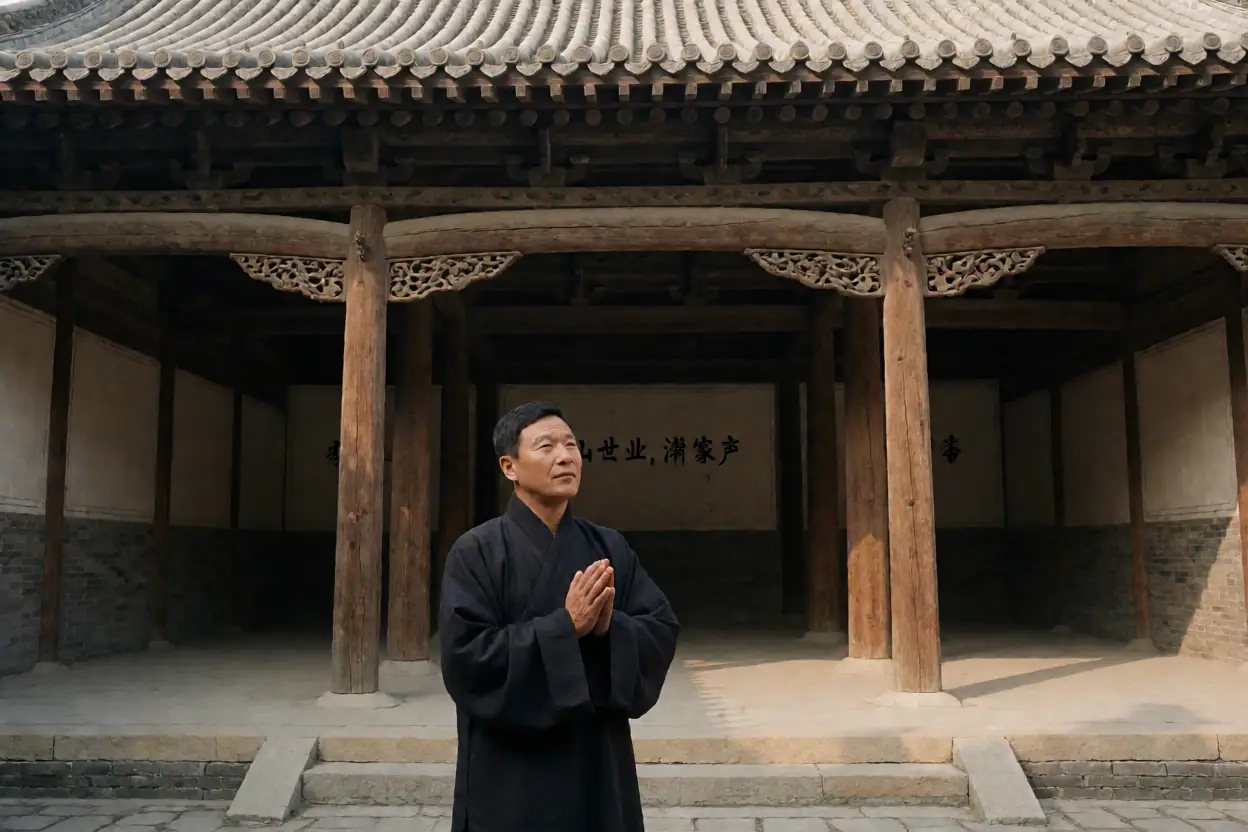
In ZongMai’s surname resources, the Chu surname is classified as having multiple origins. The listed hall name includes Fanyang Hall, while related commandery-origin clues involve Fanyang, Zhuojun, and Henan. Distribution records also include Inner Mongolia, Shanxi, Hebei, Liaoning, Shaanxi, and other areas. These generalizations can be used to establish a search scope, but they cannot automatically be applied to every Chu branch in Jiaodong. Hall names and commandery affiliations may be separated from actual blood relationships by long periods of time and may also have been attached or borrowed by later generations.
When compiling a history of the Chu family, one may first enter confirmed recent kinship relationships into an online genealogy, then organize oral accounts from elders, ritual practices, old photographs, and experiences of relocation into a family memoir, while also using local-gazetteer databases to verify village names, administrative divisions, and historical events. Research into one’s roots should trace upward from the marriages, burials, generation names, and relocation records of the most recent generations in the relevant branch. Only after the documentary evidence forms a continuous chain should questions concerning the ancestral home, hall name, and cross-regional clan relationships be discussed.