The Lineage of Danyang Hall: Tracing the Origins, Migration, and Genealogical Culture of the Bao Clan
This article reviews the Bao clan’s principal commanderies of origin, hall names, and migration patterns; introduces the role of genealogies and local gazetteers in clan research; emphasizes that a surname does not equal shared ancestry; guides readers to carefully verify Bao clan branches using multiple historical sources; and provides methods for recording family memories.
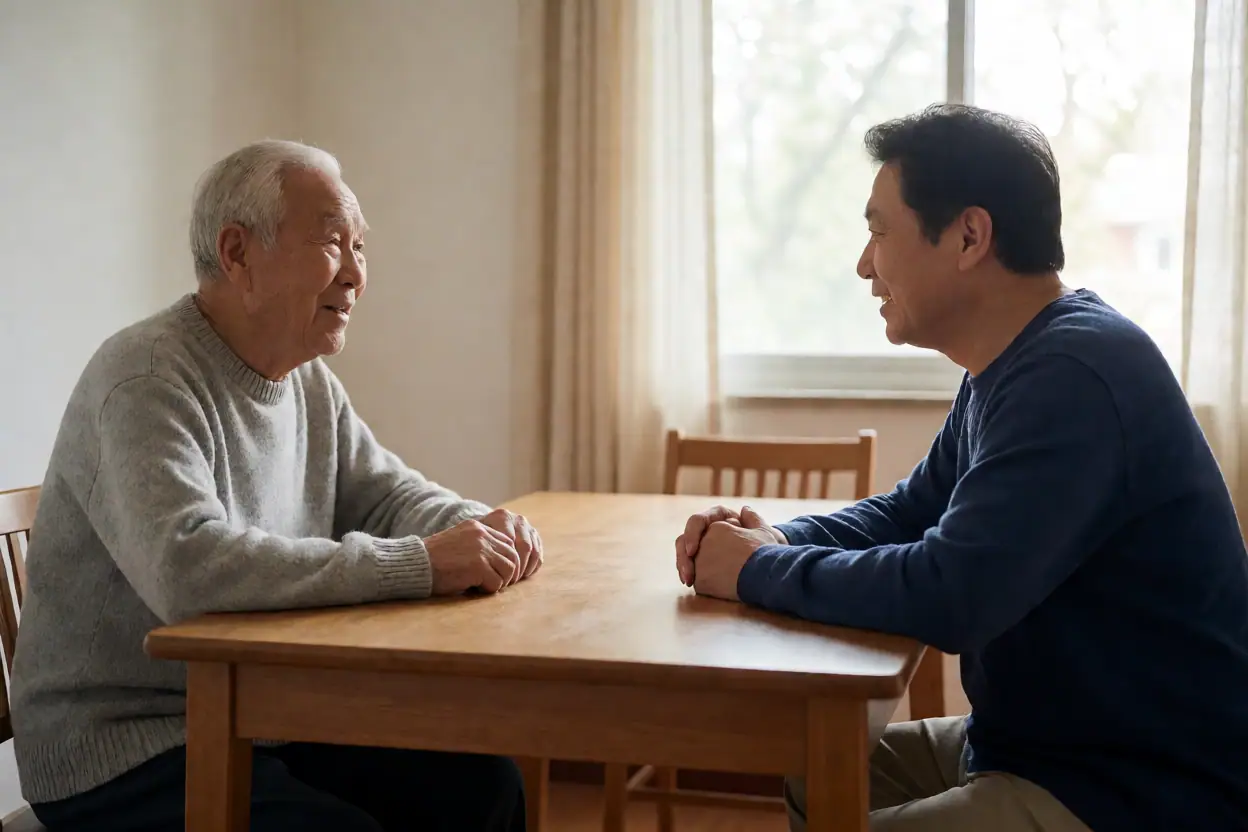
Within the culture of Chinese genealogies, a surname is not only a family identifier but also a carrier of historical memory. For the Bao clan, accounts of its origins and development often involve fiefs, commanderies of origin, and the migrations of different branches. Verified Bao clan materials published by ZongMai indicate that the Bao clan had early associations with Danyang, Shangdang, Henan, and other places. As one of the commonly seen hall names, “Danyang Hall” frequently appears in Bao clan genealogies from different regions. A hall name is a symbol used by a clan to foster a shared identity. However, because populations moved frequently throughout history, the same hall name does not necessarily indicate the same ancestral bloodline. Research should therefore compare specific branch genealogies with migration records.
As the core documents recording lineages, genealogies are valuable not only for tracing relationships across generations, but also for preserving local social structures and family memories. Historically, many Bao clan genealogies were compiled during the Ming and Qing periods, recording such information as clan members’ names, dates of birth and death, marriages, migrations, and success in the civil examinations. For example, multiple Bao clan genealogies were published during the Jiaqing, Daoguang, and Xianfeng periods of the Qing dynasty, covering different regions and branches. Although these documents were independently compiled by different branches, their accounts of origins and development often differ. When using genealogies, researchers should be alert to possible discrepancies between editions and avoid treating accounts without cited sources as definitive conclusions.
In genealogical research, a single surname clue is often insufficient to establish a complete family lineage. If “Bao” is used as the starting point, it is necessary to further examine place names recorded in genealogies, generation-name sequences, ancestral names, and historical migration routes. Local gazetteers, inscriptions, and oral histories can serve as supplementary evidence to verify or revise accounts in genealogical texts. The ZongMai platform provides online genealogy searches, a surname database, and a local gazetteer database. Users can enter a specific location, generation name, or ancestor’s name to obtain relevant leads. It should be noted that sharing a surname does not mean belonging to the same clan. After the Tang dynasty, different Bao branches may have dispersed to Anhui, Jiangsu, Zhejiang, Hubei, Henan, and other places due to official appointments, the avoidance of turmoil, or commerce, forming new settlements and branch genealogies.
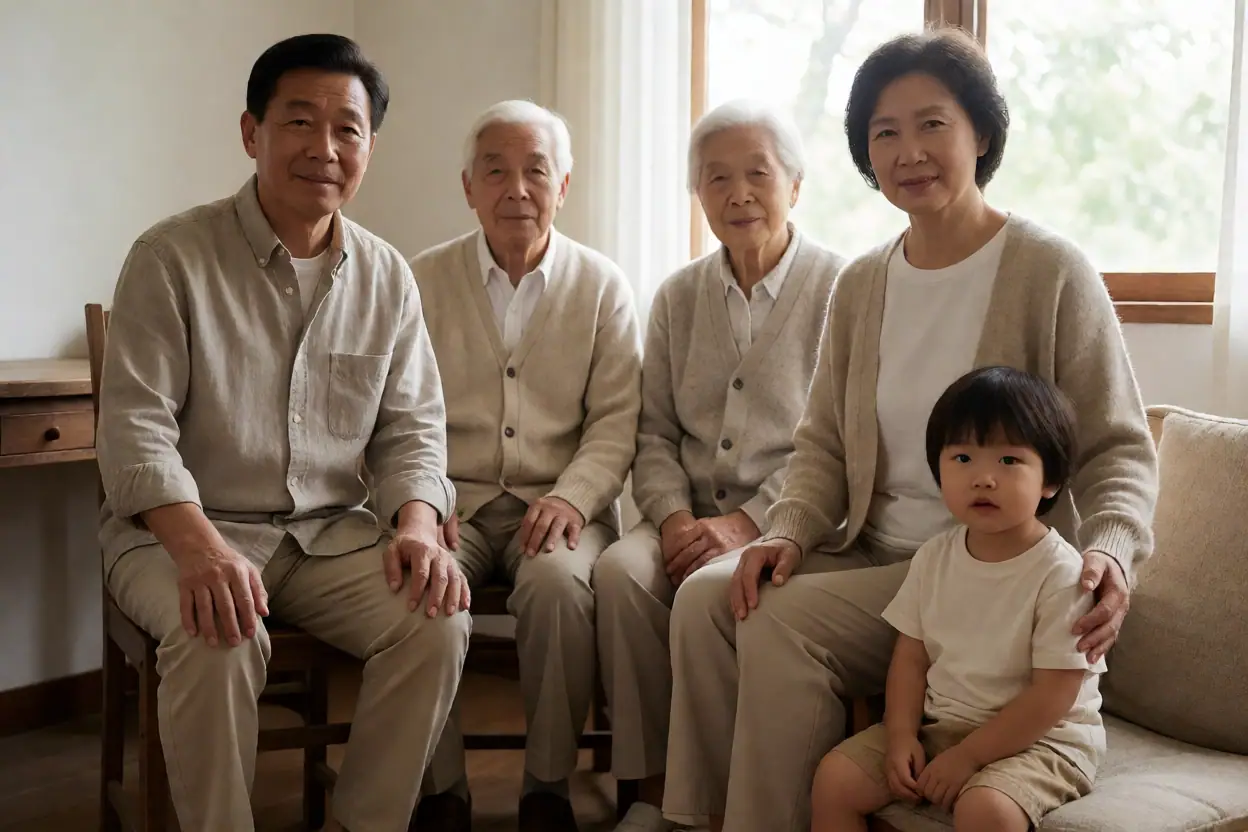
In addition to documentary research, recording family memories is also an important way to carry forward the spirit of genealogy. Families are encouraged to record oral histories and organize elders’ accounts of migration stories, family admonitions, and major events into written, audio, or video materials, creating a “family memoir.” Although these informal historical materials lack the rigor of formal lineage tables, they can provide emotional and social context, making up for the limitations of traditional genealogies in recording individual life experiences. ZongMai supports users in publishing and preserving such memoirs and linking them with publicly available genealogy resources, providing richer entry points for subsequent research.
When using public resources to research the roots of the Bao clan, it is advisable to maintain a cautious attitude. Although online genealogies and databases are convenient, the quality of their information varies. Conclusions concerning ancestors, dates, places, or lineages should, whenever possible, be traced back to facsimiles of original genealogies, entries in local gazetteers, or multiple independent sources for cross-verification. Where direct evidence is lacking, terms such as “inferred” and “possibly” should be used, and definitive assertions should be avoided. Through this rigorous approach, descendants of the Bao clan can not only clarify the lineages of its branches, but also carry forward the family spirit embodied by Danyang Hall through cultural identification and historical reflection.
Learn More and Verify
- The Origins and Development of the Mingguang Yue Family: Clues to Migration and Surname Changes in an Ancestral Shrine Record
- The Documentary Value of Rare Huizhou Genealogies and Pathways for Tracing Ancestry
- Clues from Jiangxi, Fujian, and Guangdong in the migration patterns of the Xing surname and pathways for historical research and verification
- Tracing the Roots of Four Surnames: An Organized Approach from Surname Entries to Genealogical Clues
Genealogy Knowledge and Methods for Compiling Genealogies · Finding Genealogies and Local Gazetteers · Organize family-root-seeking leads