Southeastern Henan Xuelou Xue Clan Migration Memories and Village Evolution
Nan Xuelou is located in Yucheng, Henan. The evolution of its village name is closely associated with the local Xue clan's settlement, roads and markets, and memories of genealogy revisions. Existing accounts outline a pattern in which the Xue clan migrated from Xiayi to Yucheng, settled in separate areas, established villages, and continued a family tradition of farming and learning. However, the identity of the founding migrant ancestor, the dates of migration, and the links between generations still require further verification against genealogies, inscriptions, and local gazetteers.
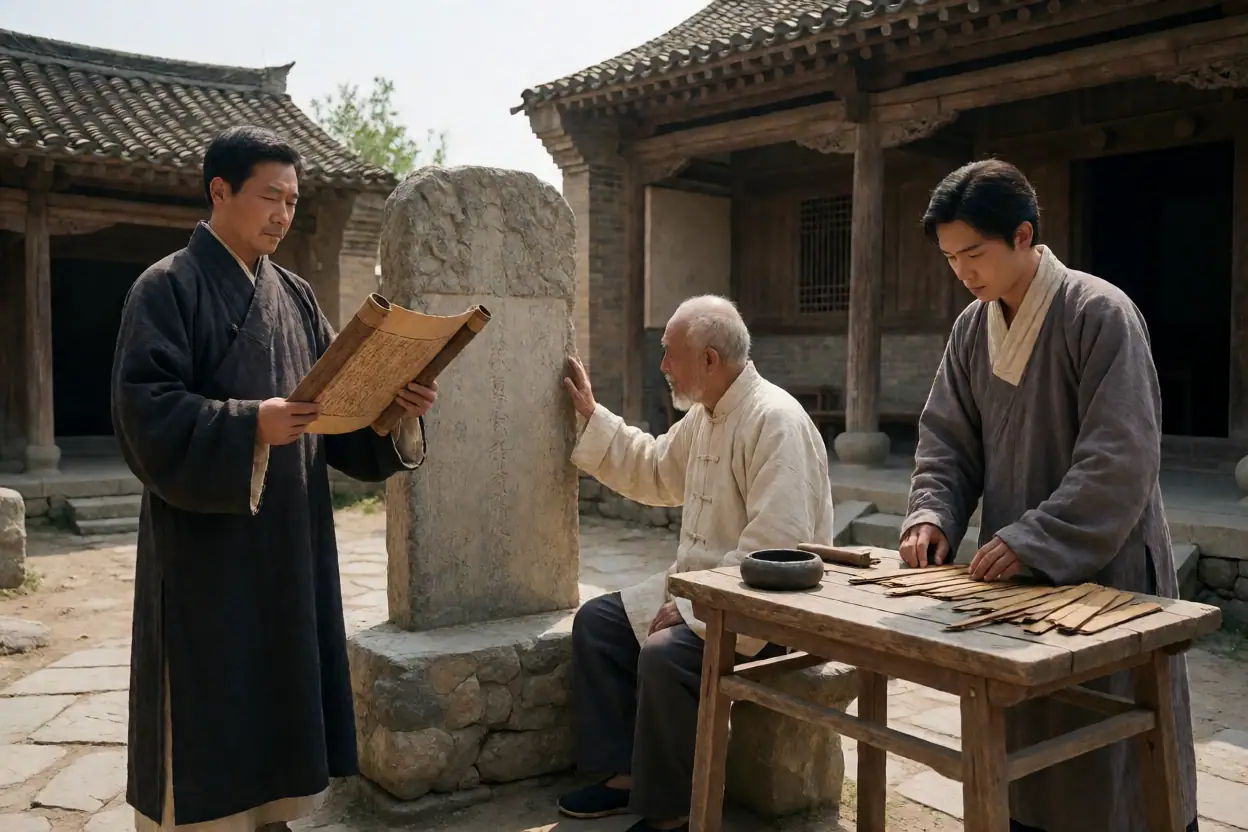
Nan Xuelou, Zhangji Town, Yucheng County, Henan Province, is a village known for its memory of settlement by people sharing the same surname. Existing accounts of the local Xue clan focus mainly on migration, the establishment of separate villages, changes to the village name, and the revision of genealogies. They reflect both the process by which an eastern Henan family adapted to rural society and collective memories of passing down the family through farming and learning, respecting the elderly and caring for the young, and maintaining a diligent and frugal household.
According to local family accounts, in the early Ming dynasty, a man named Xue Zhide migrated to the Central Plains with his family. He is said to have taught in the Wenyu area before later moving to Xiayi, where he continued to earn a living by teaching and had three sons. Another account states that after the first year of the Xuande era, his descendants Xue Fu, Xue Lu, and Xue Shou moved from Xiayi and settled near Li Family Gongzhuang in Yangji Township, Yucheng. The relationships among these figures, the specific routes they took, and the dates given should currently be regarded as leads requiring support from genealogies and archival records; they should not be treated as an established complete lineage based solely on a shared surname or oral tradition.
As the population grew, some clan members are said to have moved from the original settlement to establish a new village north of Yangji, initially named Xuezhuang. Family accounts also state that when the lineage reached the seventh generation, the clan member Xue Jie gained office through study and built a towered compound, after which the village gradually came to be called Xuelou. The references to the “seventh generation,” the circumstances of his official distinction, and the date of construction can still be cross-referenced against prefaces and colophons in old genealogies, civil-service examination rosters, stele inscriptions, contracts, and local gazetteers to assess when the account was formed and how reliable it is.
During the Kangxi period of the Qing dynasty, a road said to connect Yangji with the direction of Xieji in Dangshan, Anhui, reportedly passed through the village. Passing merchants and travelers stopped there, helping the village develop a regular market gathering. Local memory identifies the twelfth day of the fourth month in the lunar calendar as the market day and says that this tradition continued until around the middle of the twentieth century. The route of the road, the scale of the market, and when it ceased operating still require consultation of relevant local gazetteers and modern and contemporary administrative records from Yucheng and Dangshan.
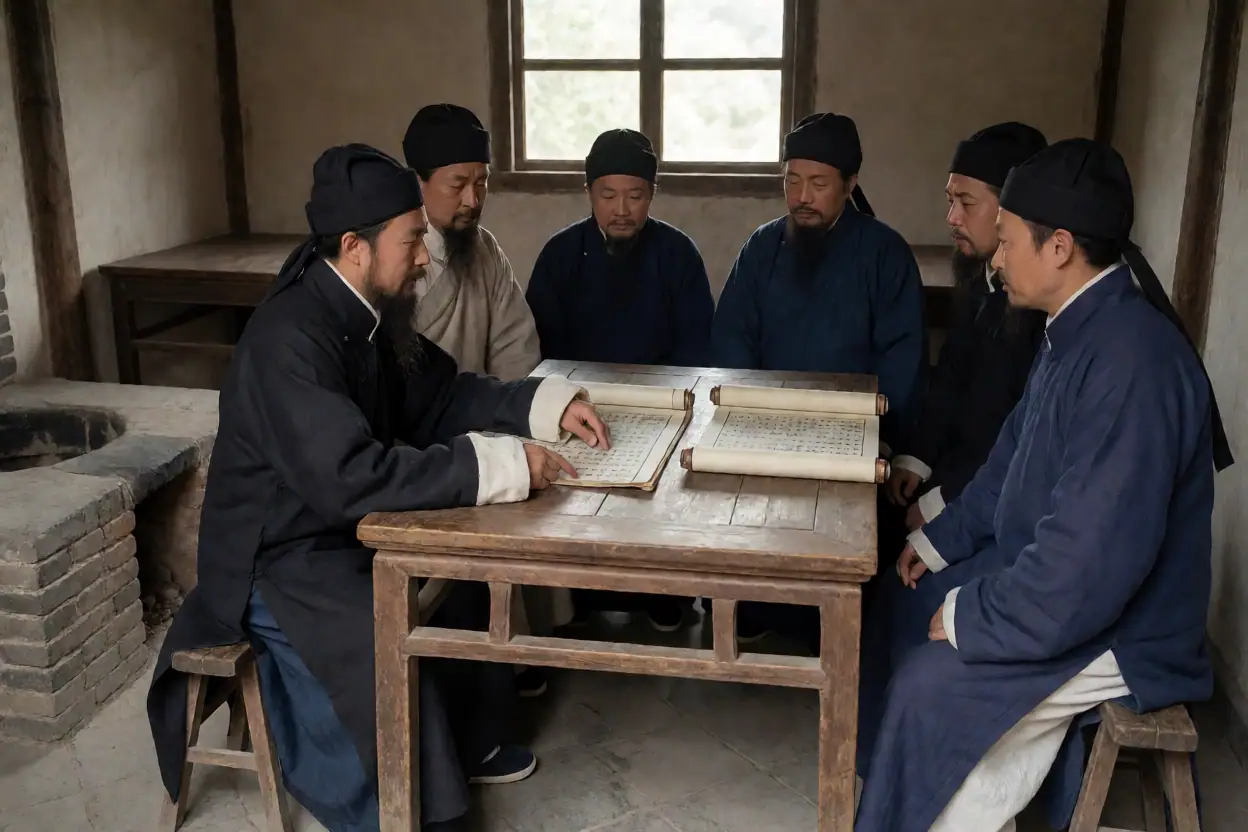
During the Republic of China period, the clan member Xue Tonglun was recorded as a private tutor in the countryside. He also reportedly revised the clan genealogy and hand-copied several volumes, distributing them among the various family branches. This information suggests that copies kept by individual clan members may contain textual differences, missing pages, or later additions. When organizing an online family genealogy, the original layout, prefaces, compilers, notes on copying, and history of custody should be retained, and the lineage tables should be compared item by item with tomb inscriptions, household registers, land deeds, and other materials.
To distinguish it from another nearby village with the same name, Xuelou was later renamed Nan Xuelou; some recollections date the renaming to 1986. To confirm the official evolution of the name, administrative-division records, gazetteers of place names, and village-level archives can be searched. Clan members can also document the former village layout, private-school education, market life, and migration experiences in family memoirs, then cross-check them against surname databases and local gazetteers.
It is important to note that the Xue surname is widely distributed, and the processes by which Xue communities formed in different places are complex. Whether the Xue clan of Nan Xuelou belongs to the same lineage as groups with the same surname in other regions cannot be inferred directly from the surname, a hall name, or similar migration legends. Tracing one's roots should proceed upward generation by generation from recently known ancestors, using original genealogies and records from the same period to construct an evidentiary chain, so that village memories and family history can corroborate each other.