The Architectural Memory and Family Clues of the Diao Clan Ancestral Hall in Guangxing, Jintang
A Diao clan ancestral hall in Guangxing, Jintang, is described in local memory and available sources as a family building whose construction began during the Qing dynasty and continued through the Guangxu period. Its layout, local place-names and landform terminology, and history of repairs provide important clues for tracing local Diao branches, settlement development, and cultural transmission.
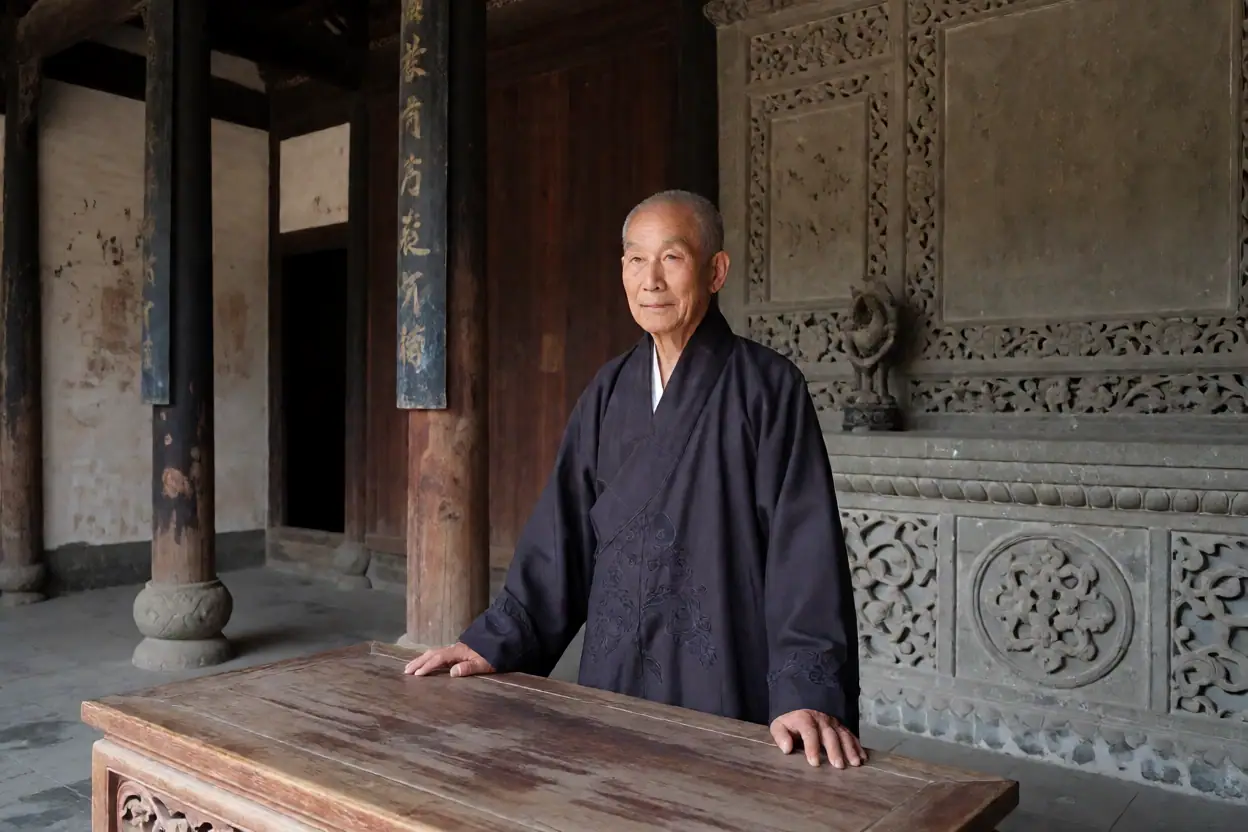
In the Jintang area in the northeastern part of the Chengdu Plain, ancestral halls are not only traditional buildings but also repositories of shared family memory. Available clues indicate that Guangxing Town preserves a Diao clan ancestral hall whose surrounding terrain is commonly described by local people as “Swan Embracing an Egg.” This figurative name derives from local observations of the forms of the ridges and rounded rocks and has a strong local cultural character. However, the time when it arose, the extent of its circulation, and its original meaning should still be examined further through village visits and documentary records.
Regarding the ancestral hall’s date, some sources state that its construction began during the Qianlong period and, after several generations of work, was not completed until the Guangxu period. Because this span covers different stages of construction, expansion, or repair, it is not possible to determine from a general account alone that all surviving sections belong to the same period. To establish a relatively reliable building history, it would be necessary to continue searching for inscriptions, inscriptions on beams and frames, contracts, prefaces and postscripts in genealogies, and records of successive repairs, and to cross-check them against local gazetteers and archaeological and heritage survey materials.
In terms of architectural form, the ancestral hall is described as facing water with mountains behind it, with a floor plan resembling the character “凸,” and as being relatively large in scale with a comparatively complete formal structure. Some accounts regard it as one of the representative Hakka ancestral hall buildings in the Chengdu area, but this assessment still requires support from architectural surveys, local migration history, and folklore materials. Whether the hall has a direct connection with Hakka culture should likewise be established through the specific branch’s time of migration, place of origin, dialect and customs, and genealogical records, rather than inferred solely from its appearance or regional associations.
Materials on the Diao surname can provide a broader point of reference for research. Among the surname records currently compiled, commonly cited ancestral commanderies of the Diao surname include Bohai, Hongnong, and Henan, while the available hall-name records include “Bohai Hall.” Relevant population-distribution clues involve Shandong, Hebei, Henan, Jiangsu, Sichuan, and other places. Regarding the origin of the surname and its branches, different accounts have circulated, including descent from Shu Diao, origins based on an occupation, and origins based on place names. These accounts reflect the diversity of the Diao surname’s historical memories and cannot be used to conclude directly that the Guangxing Diao clan necessarily originated from a particular commandery, hall name, or founding-ancestor line. Sharing a surname does not mean sharing the same lineage; whether Diao clans in different places have blood or genealogical connections must be demonstrated through continuous lineage records.
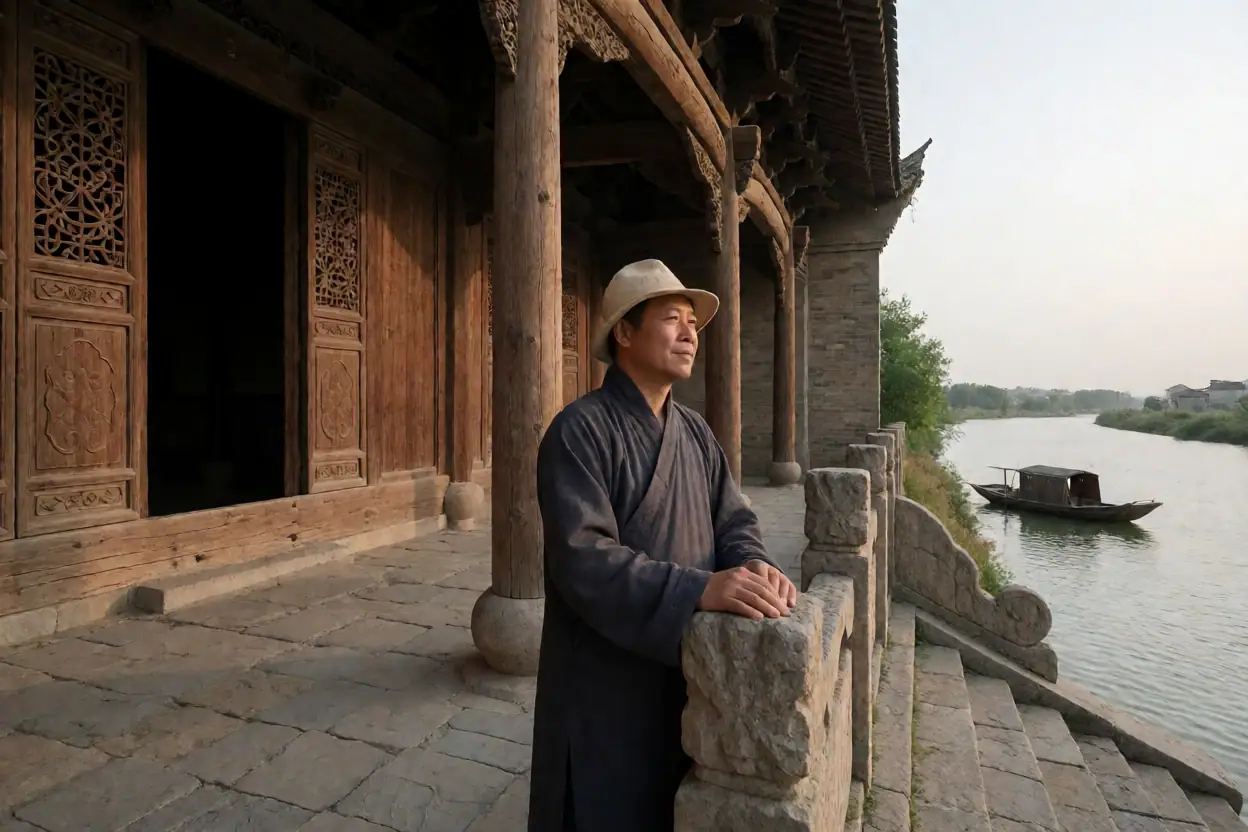
The ancestral hall has reportedly faced risks associated with long neglect and partial collapse, and local cultural researchers have continued to call for its protection. Other information states that it has been included in a related historical and cultural heritage protection and restoration project plan of Chengdu, but the project name, designation level, scope of implementation, and current progress should still be determined according to documents published by the competent authorities. In addition to repairing the building itself, conservation work should also prioritize the systematic documentation of old components, plaques, inscriptions, sacrificial rituals, and oral memories, so as to prevent the loss during restoration of details that could illuminate the family’s history.
Research into the family roots connected with this ancestral hall can begin with local materials: compare the lineages, generation names, and migration records in online genealogies item by item with old household registers, gravestones, contracts, and local gazetteers; invite elders in the clan to recount the hall’s uses, stories of its construction, and the family’s migration experiences, and compile these into family memoirs identifying the narrator, time, and place; and preserve differing accounts where disagreements exist over ancestral names, migration routes, or the attribution of a hall name. The evidence accumulated in this way can help clarify the history of the Guangxing Diao clan itself and leave a more solid record for understanding changes in Jintang’s local society and clan architecture.