The Lineage of the Zhu Family’s Surgical Practice in Dongting, Wuxi
According to available sources, the Zhu family’s surgical practice, originating in Dongting, Wuxi, has been passed down for nearly two hundred years and developed through the successive work of eight generations of practitioners. It has been included in the fifth batch of Jiangsu Province’s representative projects of provincial-level intangible cultural heritage, reflecting the evolution of traditional surgical experience alongside modern diagnosis and treatment.
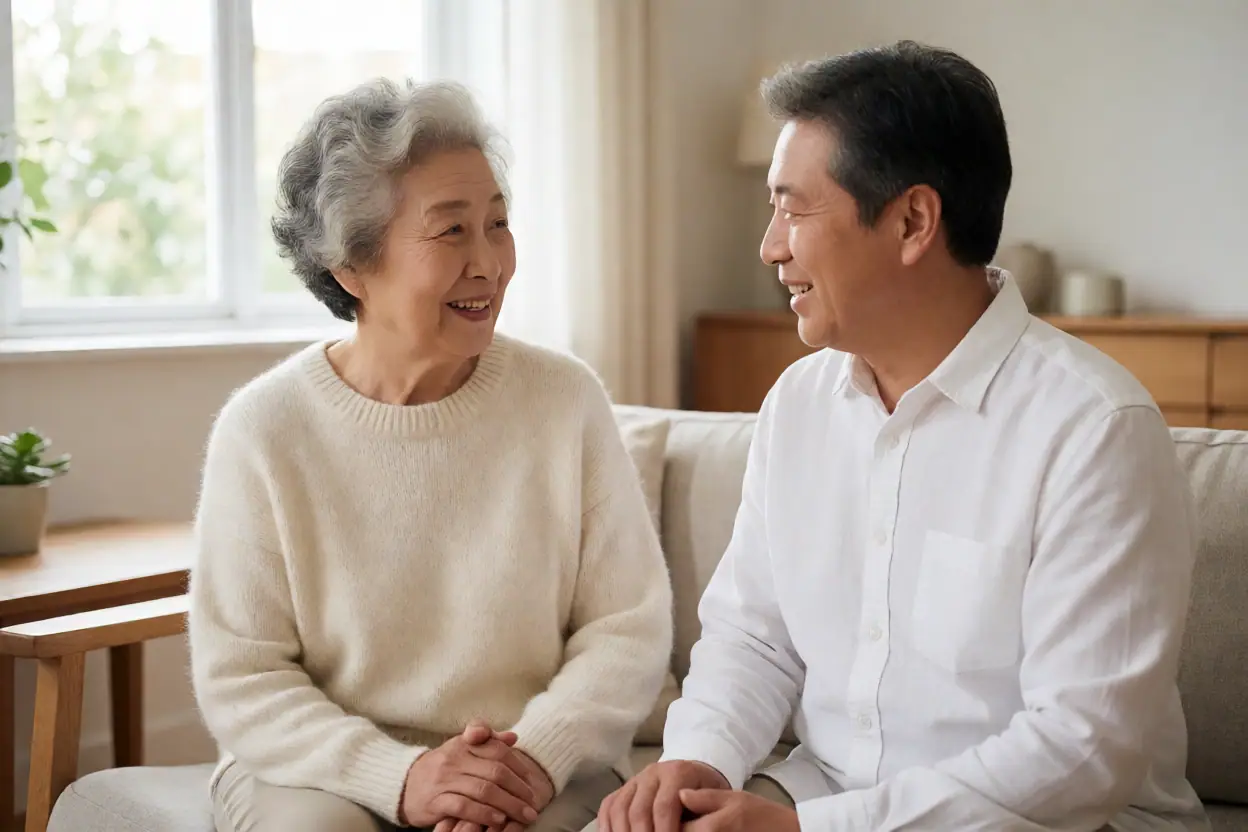
According to existing sources, the Zhu family’s surgical practice originated in Dongting, Wuxi, during the mid-Qing dynasty. The first-generation practitioner, 诸孝昇, established the Wumeitang medical clinic, where he primarily treated surgical conditions such as carbuncles, boils, and osteomyelitis. Thereafter, 诸星槎, 诸蓉初, and 诸昭千 successively inherited and developed the family tradition, gradually forming a clinical system characterized in particular by external treatment. Relevant records describe the lineage as having continued for nearly two hundred years and across eight generations.
Among the principles emphasized in this body of experience are early external treatment, prioritizing the resolution of lesions, managing pus and necrotic tissue, treating internally and externally in tandem, and attending to the patient’s overall condition. The phrase recorded in the sources—“70% care and recuperation, 30% treatment”—emphasizes that conditions such as chronic wounds should not be approached by focusing only on the local lesion, but also by considering constitution, recuperation, and follow-up care. Today, these traditional approaches are situated within modern hospital specialty settings and considered alongside wound examinations, minimally invasive procedures, and integrated Chinese and Western medical treatment, reflecting the process by which folk medical practices are incorporated into standardized medical practice.
The fifth-generation practitioner, 诸竹生, is one of the more representative figures in this lineage. According to the sources, he accompanied his father during medical consultations from a young age, gaining early exposure to the identification of medicinal materials and external-use prescriptions. As an adult, he practiced medicine in Wuxi and specialized in treating sores, ulcers, and traumatic conditions. Accounts of his treatment of osteomyelitis and his promotion of plaster-making techniques and the use of medicated applications at acupuncture points reflect the traditional physician’s emphasis on clinical summary and the dissemination of experience. However, the efficacy of individual cases, the names of prescriptions, and the inclusion of related materials in exhibitions should still be further verified against medical literature, archives, or materials published by professional institutions.
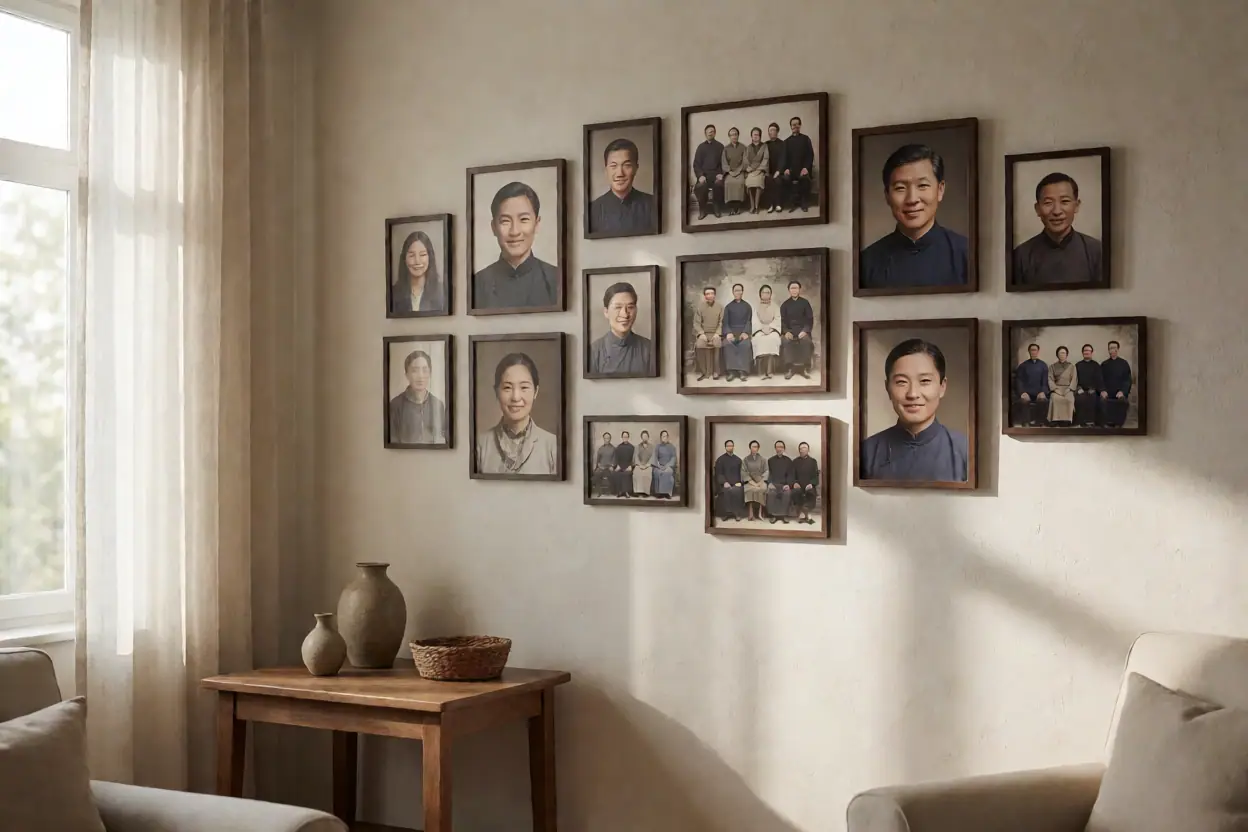
From the perspective of family history, the Zhu family’s surgical practice is not only a continuation of medical skills but also part of the memory of a local family. It should be noted that sharing a surname does not mean sharing the same ancestral line; whether the Zhu family of Dongting and Zhu families in other regions belong to the same branch cannot be determined solely from the surname or ancestral hall name. To clarify the specific genealogy, one may consult surname databases, online genealogies, family memoirs, and place-name and biographical records in local gazetteer databases, with particular attention to the first ancestor to migrate, places of residence, prefaces to genealogies, generational names, and the history of the medical clinic, before comparing each item through genealogical research. At this stage, the more cautious conclusion is that the Zhu family’s surgical practice has a clearly articulated local lineage narrative rooted in Dongting and has received recognition at the level of a provincial intangible cultural heritage project. Its complete genealogy, the biographies of practitioners from each generation, and some medical cases still require corroboration from additional original sources.
Learn More and Verify
- The transmission lineage of the Zhang family teachings in Jixi and Huizhou family culture
- Chu Surname Ancestral Halls and Family Memory: Clues to a Line of Transmission from Zhangzhou to Ziyang
- The Zhu Family Ancestral Hall by Shijiu Lake: Architectural Remains and Family Memory
- The Wei Family Ancestral Shrine in Zhongshan Ancient Town: From a Military-Registered Family to the Continuation of a Literary Tradition
Genealogy Knowledge and Methods for Compiling Genealogies · Finding Genealogies and Local Gazetteers · Organize family-root-seeking leads