Researching Family Documents and Tracing Roots Through the Union Catalogue of Genealogies
The Union Catalogue of Genealogies brings together bibliographic records from collecting institutions in various locations, providing a search portal for surname research, genealogy analysis, and family-root tracing. When used alongside online genealogies, local gazetteers, and family memories, it can help verify branch lines, migration patterns, and documentary clues step by step. However, relationships between people sharing the same surname must still be substantiated by specific genealogical records and historical sources.
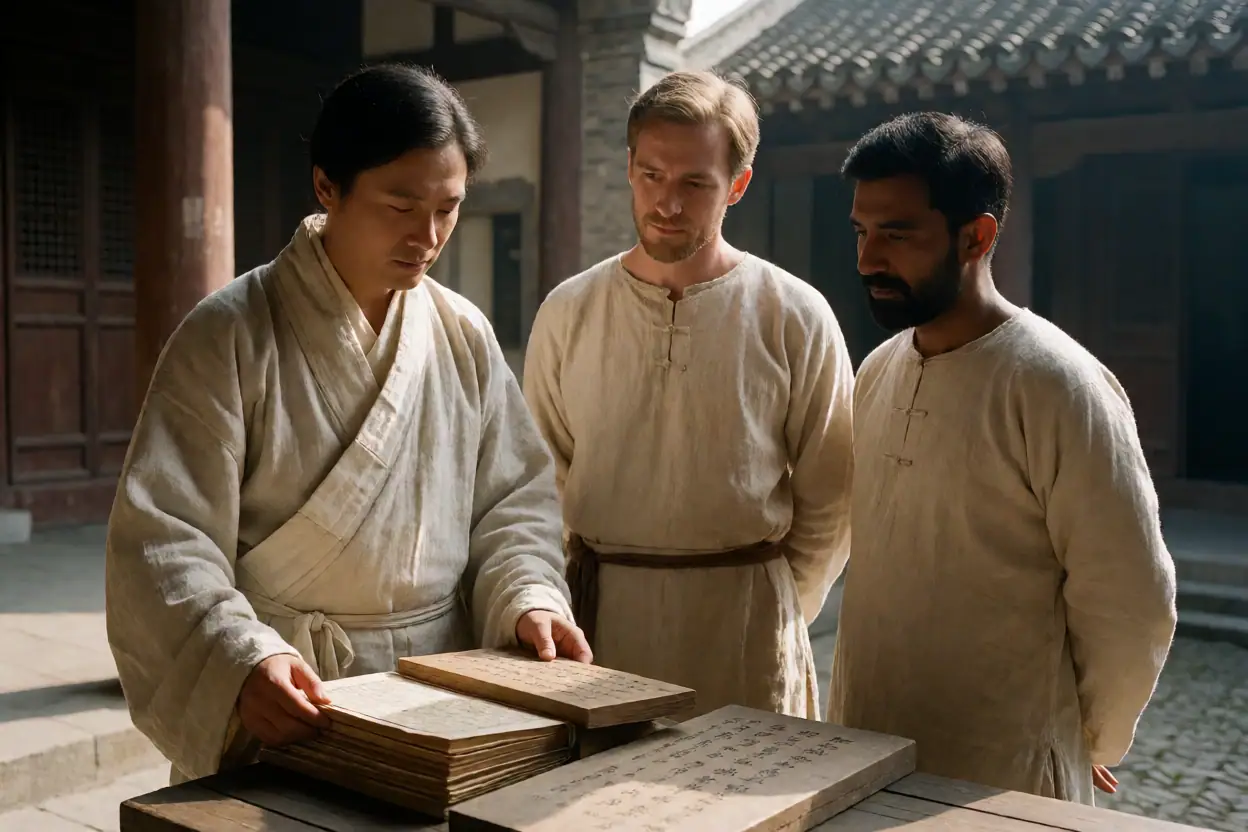
Genealogies are not merely family documents recording lines of descent; they are also important sources for examining population movements, regional connections, marital relationships, and local society. The value of the Union Catalogue of Genealogies lies in bringing together the bibliographic records of genealogical works held by different institutions, enabling researchers to begin with the title, surname, place of origin, compilation information, and collection details to assess whether a particular genealogy warrants further consultation. The catalogue itself generally provides clues at the bibliographic level; specific content must still be checked against the original book, digital images, or collection descriptions.
The relevant catalogues cover a large number of genealogies, and some records also support the organization and exchange of different bibliographic formats. Such standardized records help distinguish genealogies with the same title, continuation editions, and duplicate copies held in different locations. They also make it easier to compare genealogies with local gazetteers, collected works by clan members, inscriptions, and other historical documents. For genealogical works with early editions or complex transmission histories, information such as prefaces and postscripts, editorial notes, lineage charts, migration records, ancestral-hall property records, and seals often says more about their formation and scope of use than a single surname does.
Taking the surname “Jia” as an example, existing surname sources summarize it as having multiple origins. The relevant accounts refer to place names, official posts, and local branches, and list Fanyang, Zhuojun, and Henan among the commanderies or ancestral places associated with the surname. They also provide clues to its distribution in Inner Mongolia, Shanxi, Hebei, Liaoning, Shaanxi, and other areas. This information is suitable as a starting point for searches, but cannot directly prove that Jia families in different places descend from the same ancestor. Hall names appearing in the sources, such as “Fanyang Hall,” can only indicate that certain families or genealogies may have used this designation; they cannot support the inference that all descendants of the Jia surname belong to the same branch.
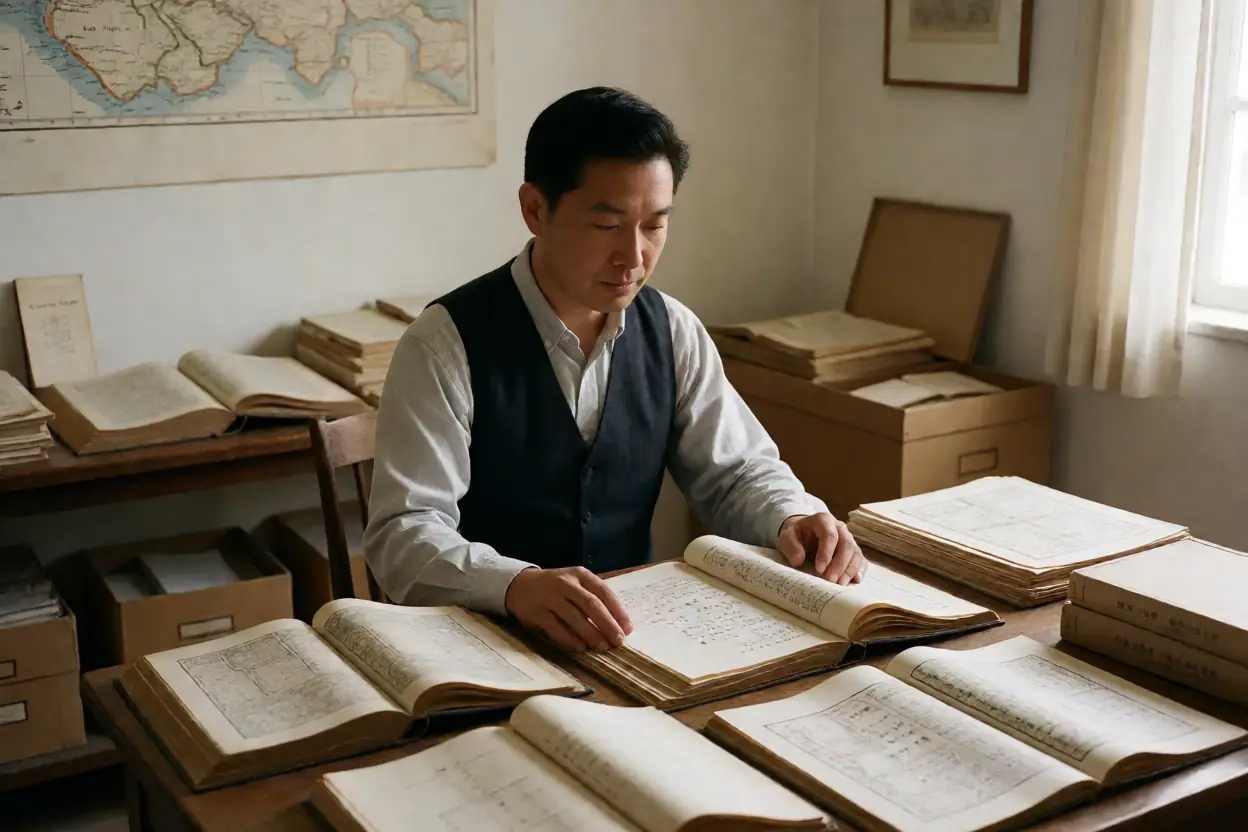
When tracing family roots, begin by organizing the written form, pronunciation, hall name, ancestral place, and known places of residence in surname databases. Then use online genealogy searches to look up titles, founding migrants, genealogy compilation dates, and branch-household information. Next, compare the ancestral homes, migrations, and generation-name traditions recorded in family memoirs item by item with accounts of village and town history, notable figures, and ancestral halls in local gazetteers. If images of the original genealogy can be obtained, also check whether the author of the preface, place of printing, continuation history, and personal names across successive generations are consistent. Judgments about ancestors, migration routes, and the succession of branch lines can be considered highly reliable only when multiple independent clues corroborate one another. Search results may also be incomplete because of differences in coverage, editions, and digitization. Users should therefore retain uncertainties and document the basis for each step of verification.