Compilation of the Xue Generation Names in Fujian: From Regional Clues to Analysis of Family Lineages
The generation names of the Xue clan passed down in various parts of Fujian record lineage seniority and also provide clues for tracing relatives and continuing genealogical records. The characters used in Zhangzhou, Xiamen, Quanzhou, and other places are not completely consistent, and specific branches still need to be verified against genealogical records, ancestral residences, and local documents.
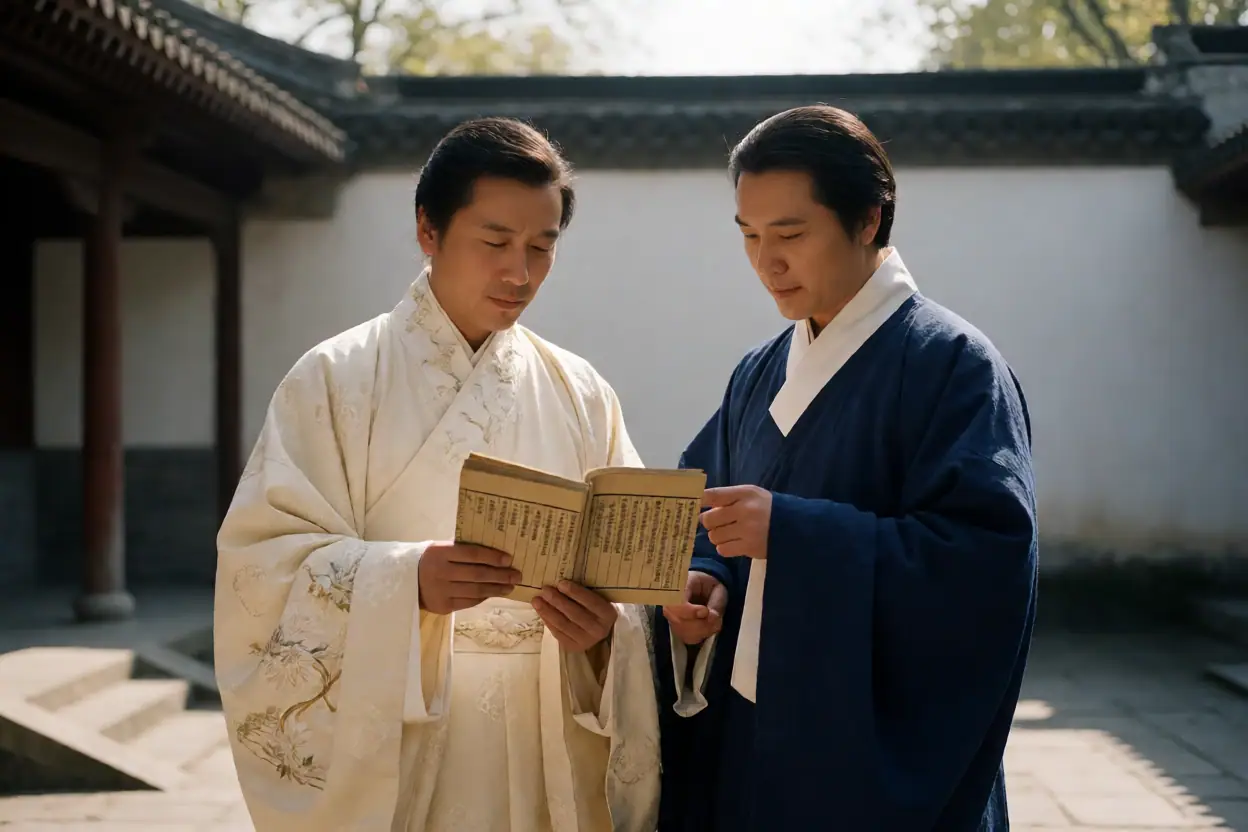
Generation names are a group of characters used in family genealogical records to indicate the order of successive generations. They commonly appear in genealogies, ancestral spirit tablets, tombstones, and family recollections. The generation-name records preserved in different parts of Fujian show considerable regional variation. In the Zhangzhou area, sequences such as “龄、宗、宜、孟、存、志、应、永、胜、国、尚、承(崇)、朝、世、允、祚、仁、文、从、华起……” have been passed down, followed later by content such as “国克复、孝友守、定鸿昌.” A group of generation names found in Xiamen and Quanzhou is relatively similar, with sequences including “光辉炳万昭、永文克世昌.” Fuzhou has “良长兴启,荣发富贵,” while Putian, Ningde, Nanping, and Longyan each have their own distinct traditions.
These characters can help clan members make a preliminary assessment of a branch’s position in the generational order, but clan relationships cannot be determined on the basis of a single generation name alone. People with the same surname may belong to different lineages, while the same branch may develop variant forms because of migration, branch divisions, the revision and continuation of genealogies, or changes made to avoid taboo characters. For example, forms such as “承” and “崇,” or “广” and “光,” may reflect copying differences, but they may also indicate actual usage in different sub-branches. The occurrence of the same characters in generation-name sequences likewise only indicates a certain cultural or genealogical similarity and cannot directly establish a common founding ancestor.
When tracing the roots of the Xue clan in Fujian, it is advisable to first record the full names given in accounts by older family members, generational rankings, ancestral home villages, dates of migration, and burial locations, and then compare them with the lineages in extant genealogies, ancestral-hall records, and local gazetteers. Online genealogies can be used to look for clues involving the same generation names, the same place of residence, or the same founding ancestor of a branch. Family memoirs can help preserve accounts of migration, branch divisions, and former place names. If the specific county or district, natural village, lineage hall name, or ancestral-hall name is known, local gazetteers and genealogical records can also be consulted further to assess whether the clues can be connected to a particular branch.
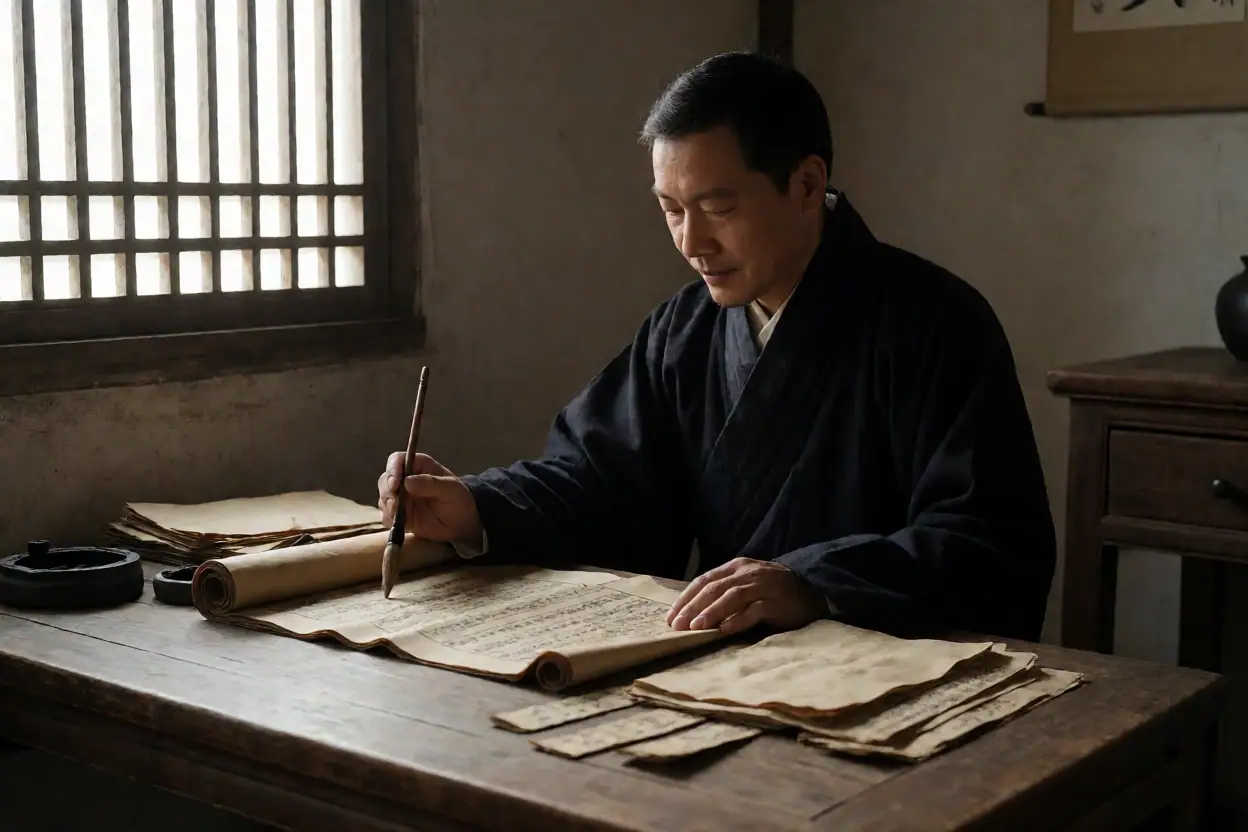
The Fujian Xue generation names currently available are best used as an index to regional materials rather than regarded as a uniform generational sequence covering the entire province. Some generation names are listed only in fragments, and the starting generation, order of arrangement, and scope of transmission may also be unclear. Further research should focus on facsimiles of original genealogies, inscriptions and ritual records preserved within the clan, and a character-by-character comparison of different versions. Only when the generation names, ancestral residence, migration routes, and preceding and succeeding generations corroborate one another can related judgments about kinship or clan affiliation be considered more reliable.