Migration and Genealogy Continuation of the Ning Clan of Zhucheng, Shandong, Seen Through Two Old Genealogy Volumes
A handwritten volume from the 15th year of the Republic of China preserves the Zhucheng Ning clan’s family memories of military registration in the early Ming, civilian registration in the early Qing, settlement in Butouzhuang, and later branch migrations. Because earlier genealogical records were once dispersed or lost, the relevant origins, lineage, and official titles still require item-by-item verification against the original genealogy, local gazetteers, and archival records.
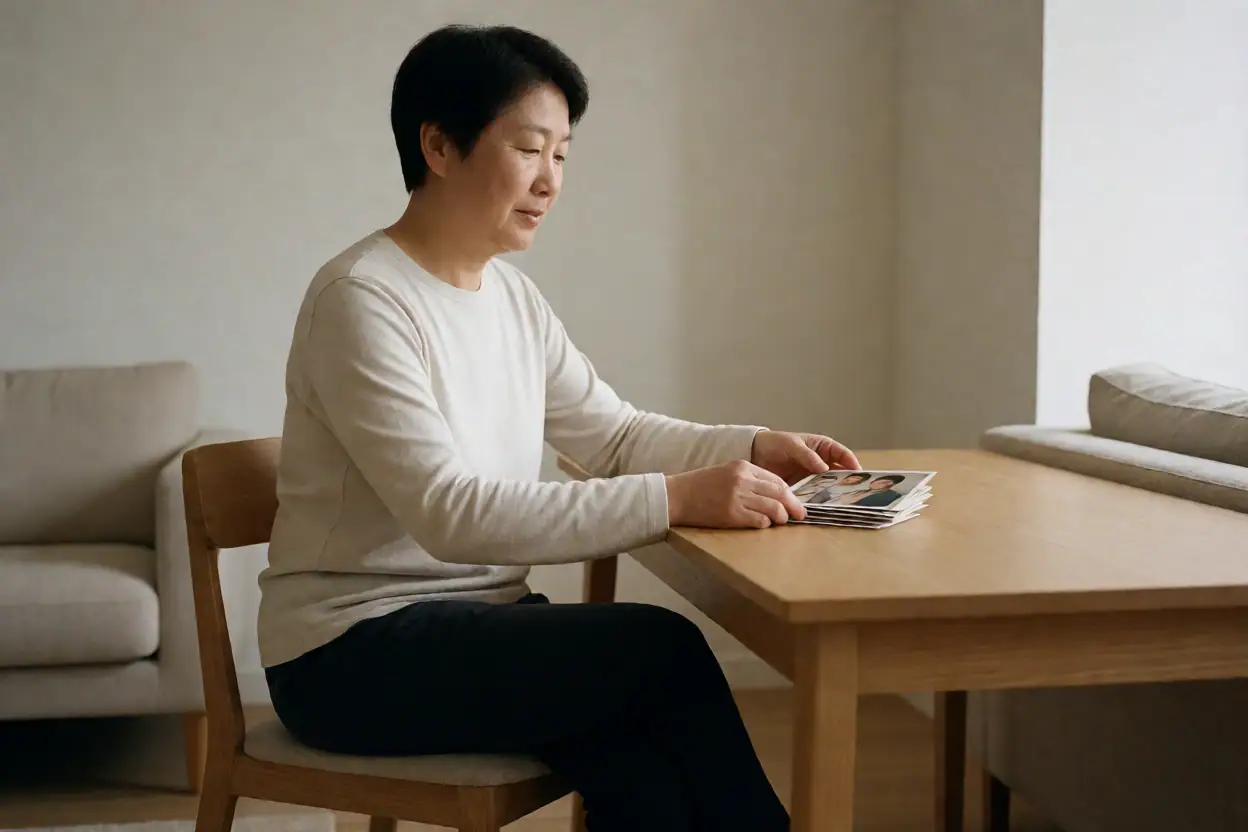
Existing materials indicate that the Genealogy of the Ning Clan of Zhucheng consists of two volumes, covering the period from the first year of the Hongwu era of the Ming dynasty to the 15th year of the Republic of China. The genealogy states that this spans 558 years and 21 generations. The complete genealogy includes prefaces, general principles, regulations concerning ancestral rites, and lineage tables. The surviving version is said to be a handwritten copy from the 15th year of the Republic of China, namely 1926, continued under the leadership of the 18th-generation Hongtian. The stated number of volumes, dates, and number of generations should still be verified individually against the volume labels, prefaces and postscripts, and lineage pages.
According to the genealogy, the Zhucheng Ning clan honors Baizhu as its founding ancestor and states that his ancestral home was Lean County, Qingzhou Prefecture, after which he joined the Ming forces in the early Ming and served as the Chief Banner Officer of the Qingzhou Guard. The second-generation Zhong was promoted through military merit to Hundred-Household Commander of the Zhucheng Garrison. Military offices were subsequently inherited within the family, with the genealogy recording the line through the ninth generation, Jiashan. After the transition from the Ming to the Qing, the family entered the civilian register of Zhucheng and later moved to Butouzhuang in the northeastern part of Zhucheng. This is a record of one family branch’s own military-registration history and migration process. It cannot, on this basis, be inferred that all people surnamed Ning in different places share the same origin as this branch, nor can the official posts, titles, and migration details recorded in the genealogy all be treated as established historical facts in the absence of corroborating evidence.
The formation of this genealogy involved clear breaks and subsequent supplementation. According to the preface, the old genealogy was destroyed in warfare at the end of the Ming dynasty, and Kui of the 14th generation preserved only the names of some Ming-era ancestors who had inherited official posts; many early collateral branches could no longer be examined in detail. In the seventh year of the Daoguang era, namely 1827, Gui Village of the 16th generation led a supplementary revision, visiting each household, organizing the lineage order, and recording retrospectively the founding ancestor’s origins, inherited offices, entry into the local register, and migration. In 1926, Hongtian of the 18th generation again led a continuation of the revision, producing the handwritten copy now referred to. This indicates that some accounts covering the early Ming through the early Qing contain later retrospective additions, and that the early continuous lineage should be used with particular caution.
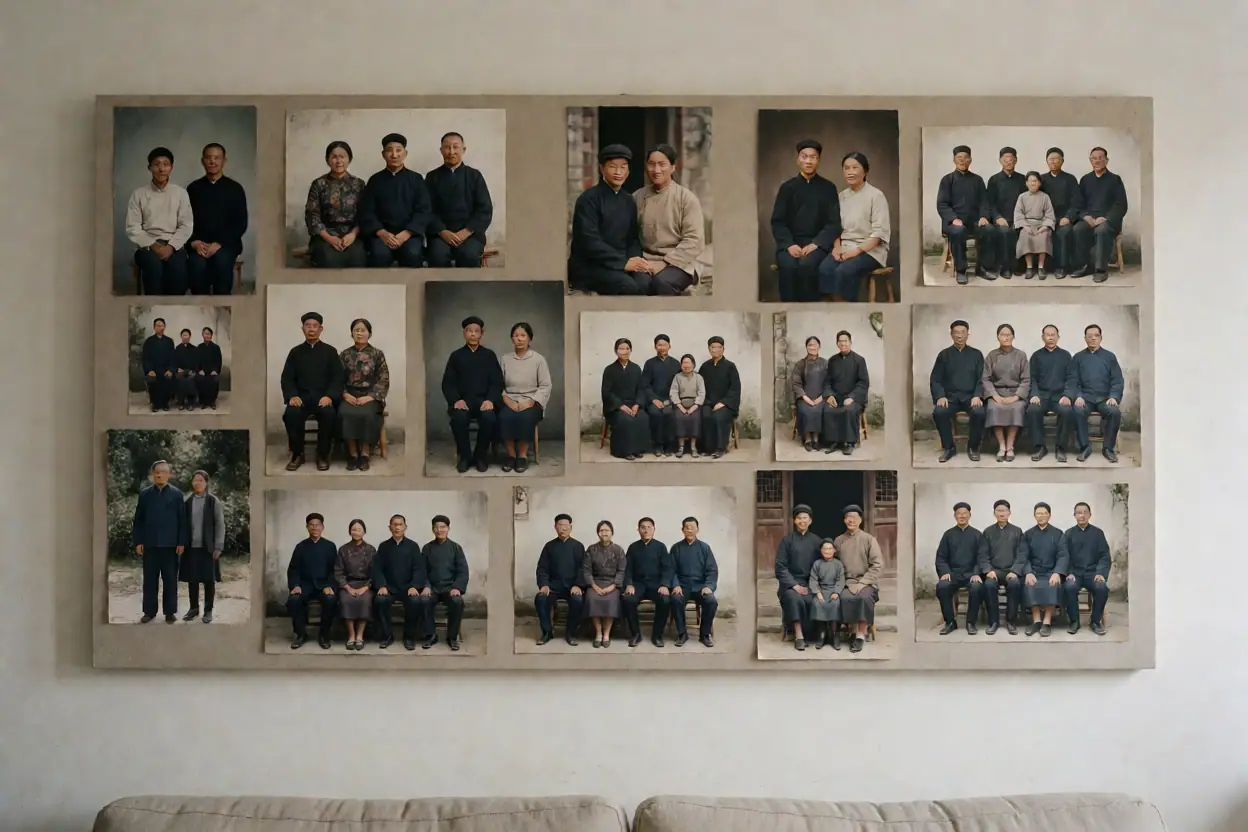
The genealogy also records that clan members relied primarily on agriculture for their livelihood over a long period and placed importance on educating their sons. It mentions such statuses as students of the Imperial Academy, students of the Imperial College, and civil and military licentiates. Rui Chen of the 17th generation is recorded as having been born in 1847 and died in 1899; the record also lists Fengzhi Dafu, a fifth-rank title, and candidate for the post of an experience in the Provincial Administration Commission. His wife, née Xu, is likewise recorded as having received an honorary title. Such academic distinctions, official titles, and honorary grants should be cross-checked against local gazetteers, official-service archives, examination lists, or epitaph materials.
Regarding later distribution, family memory holds that, in addition to remaining in Zhucheng, clan members also migrated to Gaomi, Rizhao, Weifang, Anqiu, Qingdao, and the Northeast, among other places. However, modern administrative divisions do not correspond completely to historical place-names, and people with the same surname in different places may also belong to different branches. When conducting ancestry research, one may first distinguish the forms “甯” and “宁” and the periods in which they were used in surname materials, then use online genealogical resources to organize the branch’s lineage, generation names, spouses, and places of residence, while also collecting migration clues from family memoirs. The village names, individuals, and official titles recorded in the genealogy can then be compared with old gazetteers, village histories, inscriptions, and household-registration materials in local gazetteer databases, with the levels of original record, oral account, and corroborating evidence clearly identified. The hall name and commandery origin currently lack sufficient supporting material, so no conclusion about shared ancestry should be drawn solely from a matching surname or a single genealogy.
Learn More and Verify
- The Li Clan of Ligangxi Village, Handan: Memories of Migration, Ancestral Hall Construction, and Genealogy Continuation
- Migration Memories and Genealogical Clues of the Leng Clan
- Genealogical Memories of the Guiyang Wang and Linwu Peng Families Seen Through Woodblock-Printed Genealogies
- The Migration Memories and Family Heritage of the Qin Clan of Dongting, Xishan, Taihu
Genealogy Knowledge and Methods for Compiling Genealogies · Finding Genealogies and Local Gazetteers · Organize family-root-seeking leads