Yi Clan Ancestral Hall in Helong, Ninghua: A Witness to Three Centuries of Family Memory
The Yi Clan Ancestral Hall in Helong, Ninghua, also known as “Sibentang,” is described in existing records as having been first built during the Qing Kangxi period and preserved to the present after a fire and subsequent reconstruction. The architecture of the ancestral hall, migration traditions, genealogical lineage, and historical figures still require further verification against physical evidence, genealogical records, and local gazetteers.
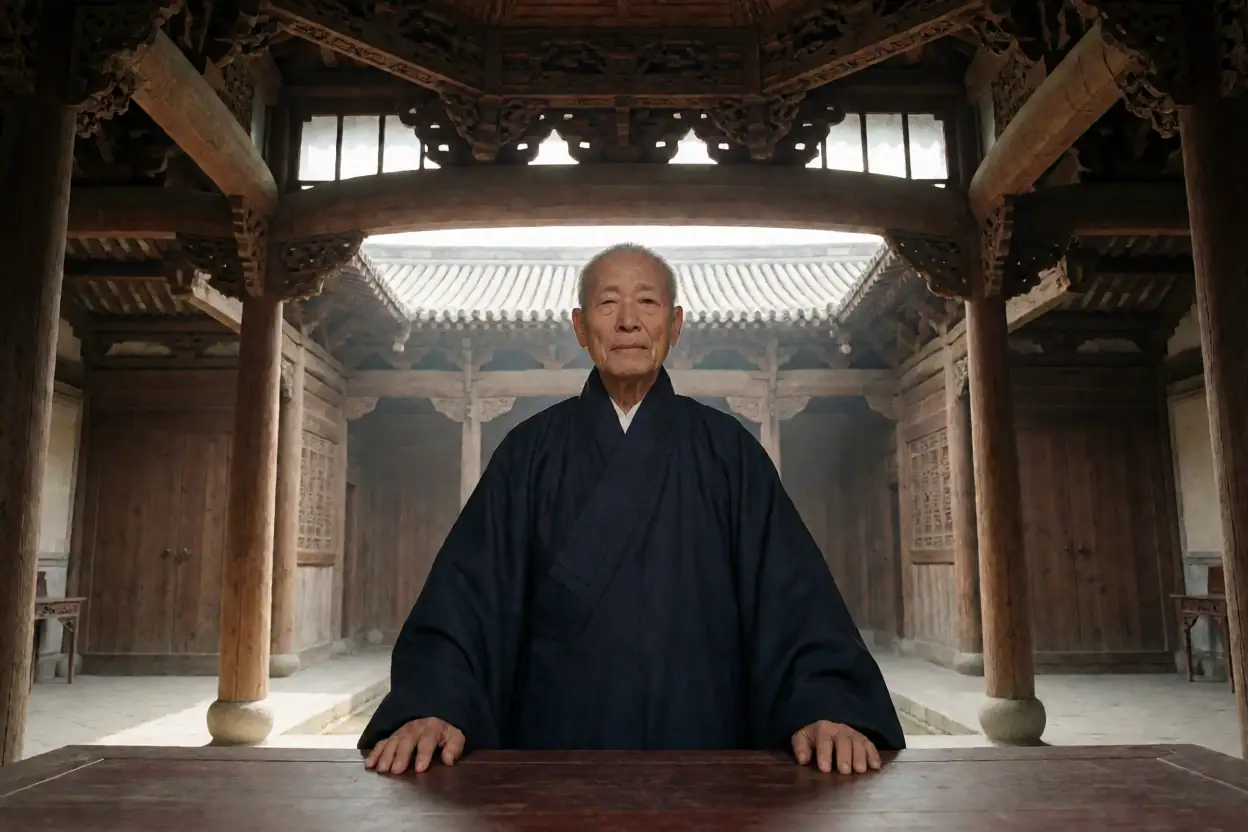
In Shangyi Village, Helong Township, Ninghua, Fujian, there is an Yi clan ancestral hall known as “Sibentang.” Existing family materials state that the hall once served as a place where Yi descendants in Ninghua and those who had migrated elsewhere gathered for ancestral worship and maintained clan connections. Regarding the date of its original construction, relevant records point to the sixtieth year of the Qing Kangxi period (1721), with completion in the first year of the Yongzheng period (1723). However, the specific construction process and early surviving features should still be further compared with inscriptions, renovation records, and local gazetteer materials.
In terms of architectural form, Sibentang occupies approximately 500 square meters, with a building area of approximately 200 square meters. It has a flush gable roof and brick-and-timber construction, and faces south with its back to the north. Along the central axis are, broadly, the main hall, a courtyard, and a rear hall. The main hall is three bays wide, with a shrine niche on the north side housing tablets dedicated to successive ancestors. The covered corridor in front of the hall and the rectangular courtyard form a traditional ancestral-hall space, while the octagonal caisson ceiling at the entrance is regarded as one of the building’s more distinctive decorative features. The craftsmanship evident in the beams, structural timbers, and carved details also provides clues for examining local vernacular architecture of the Qing period.
The history of the ancestral hall was not unchanging. Records state that Sibentang suffered wartime damage during the Xianfeng period, although parts of the main structure may have survived. In the sixth year of the Tongzhi period (1867), the hall was destroyed by a fire caused by theatrical performances. During the Guangxu period, Yi Jingming, Yi Ruichun, and others led its reconstruction, which was completed around the thirty-fourth year of the Guangxu period (1908). Further cross-checking of the identities of those who led the reconstruction, the scale of the project, and the contributions with surviving features in the hall, prefaces to genealogies, and local archives would help clarify the specific course of the ancestral hall’s repeated rebuilding.
Existing accounts of the founding ancestor of the Yi clan’s migration into Fujian honor Wenmin Gong as the first-generation ancestor and state that he migrated south from the Yishui region at the end of the Tang dynasty, eventually settling in the vicinity of Xiyuan Post Station in Wuqü, Ninghua. Such migration accounts are important within genealogical traditions, but the prefaces, lineages, and original migration locations recorded by different branches may vary; shared ancestry cannot be determined solely from a surname or an ancestral-hall name. After the Southern Song period, as the clan population grew, multiple branch ancestral halls were established in Ninghua and surrounding areas, and some descendants migrated to places such as Shicheng, Jiangxi, and Songxi, Fujian. Whether the lineages in different locations can be connected continuously should also be jointly verified through successive generations in genealogical records, burial information, and local historical documents.
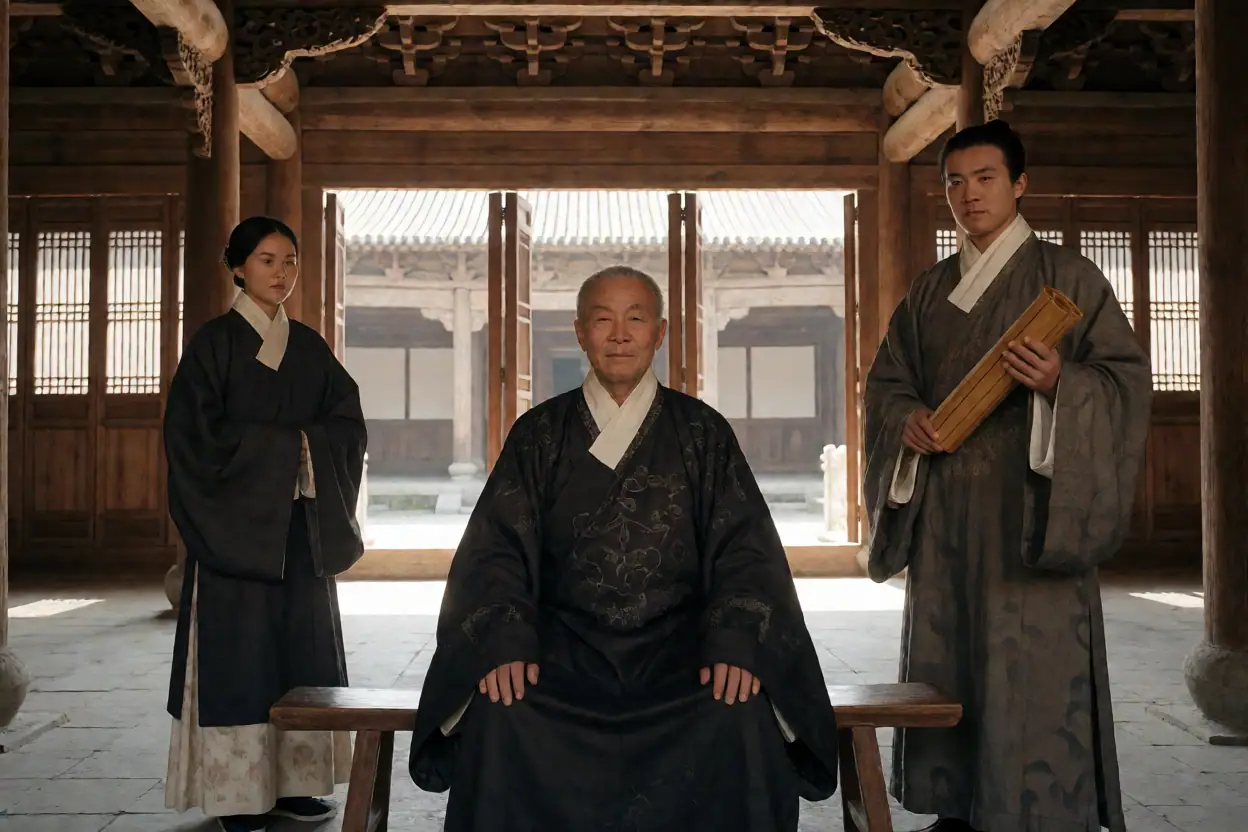
The Yi family’s collective memory also preserves numerous accounts of figures who attained degrees or held official positions, including jinshi degree holders, jieyuan, juren, and officeholders during the Ming and Qing periods. Yi Bingshou, a Qing-dynasty calligrapher and official, is one of the more closely studied historical figures of the Ninghua Yi clan. Relevant details of his birth and death, examination achievements, and official appointments can be cross-checked through biographies, epitaphs, and local gazetteers. As for the general claim that “there were more than twenty officials of seventh rank or above during the Ming and Qing periods,” conclusions should be deferred until the counting criteria, list of individuals, and affiliated branches have been clearly established.
A study of Sibentang today should attend not only to its brick-and-timber construction, caisson ceiling, and traces of renovation, but also to cross-referencing genealogies, family memoirs, and local gazetteers. By using online genealogical research to organize migration points, compare generation names and lineages, and then combining this work with field evidence from inscriptions, burials, and village place names, it may be possible to gradually reconstruct the developmental paths of the various Ninghua Yi branches. The value of tracing one’s roots lies not in replacing all evidence with a single tradition, but in preserving different memories and indicating verifiable sources for each claimed ancestral origin, migration, and kinship relationship.