Reexamining the Cultural Lineage of the Qu Surname through Genealogies and Local Gazetteers
Compiling cultural materials on the Qu surname cannot rely solely on lists of people sharing the surname; genealogies, local gazetteers, attributions in collected works, and migration records must also be checked against one another item by item. The old genealogy of the Qu clan in Anhui's Tongcheng provides clues for examining local branches, while also indicating that a reliable chain of evidence must still be established between literary figures and family lineages.
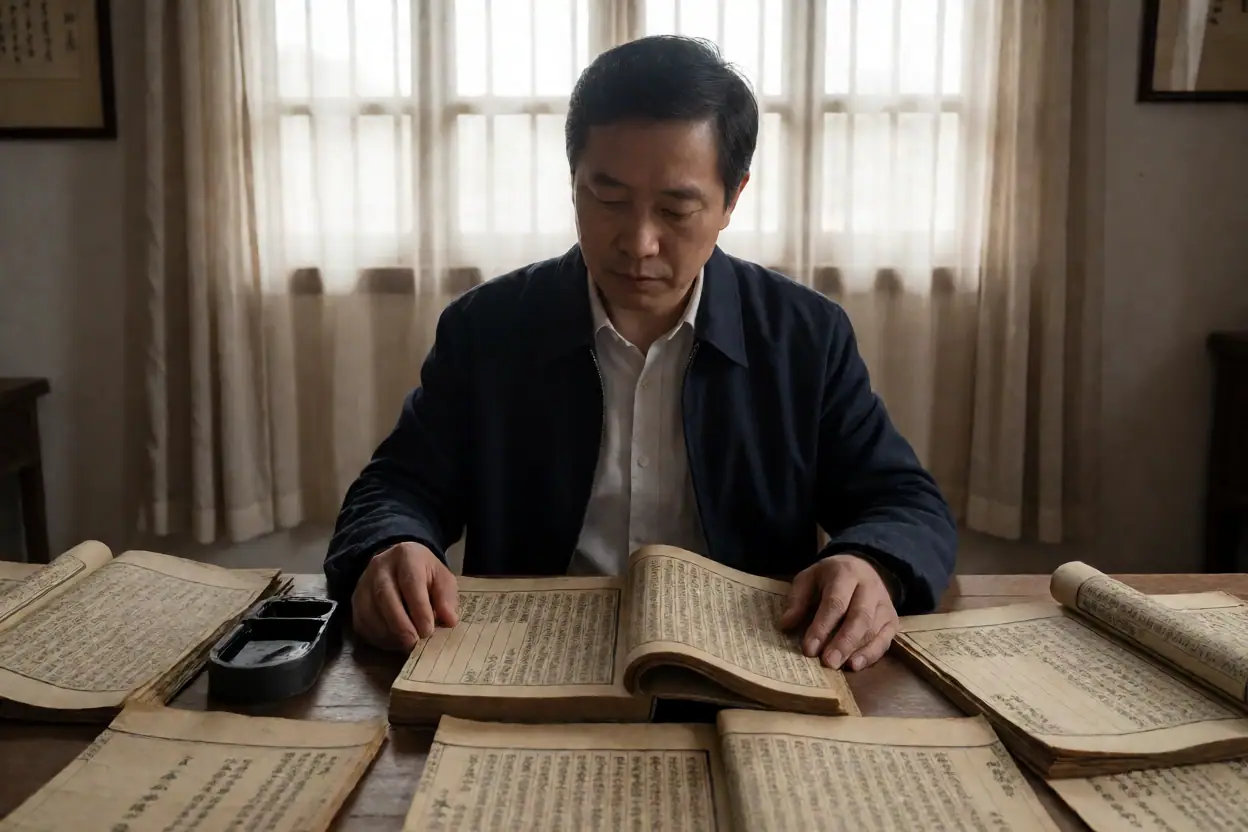
Although the number of people bearing the Qu surname is relatively small, the related cultural memory is by no means sparse. Poetry and prose, calligraphy and painting, education, ancestral-hall inscriptions, and genealogy prefaces and family biographies may all preserve traces of the lives of Qu clan members. When organizing these materials, the first step is to distinguish between “people whose surname is Qu” and “people whose names contain the character Qu.” For example, Zuo Qu and Ying Qu, as recorded in old texts, had the surnames Zuo and Ying respectively; they should not be included among figures bearing the Qu surname merely because the character Qu appears in their names. Only after the structure of a name, place of origin, historical period, and documentary attribution have been clarified can a person's affiliation be considered reasonably reliable.
Existing genealogical catalog records indicate that a branch of the Qu clan in Anhui's Tongcheng once compiled the Genealogy of the Qu Clan, identified with the Shide Yijing Hall, and recorded as having been compiled and printed in the fourth year of the Qing Tongzhi era, namely 1865. It comprised twenty-eight bound volumes and is also listed as twenty-six juan, with one juan each for the beginning and end. The genealogy records the founder who migrated to Tongcheng as Qu Zuyi of the Ming dynasty, courtesy name Daomin, and notes that clan members were dispersed across areas including Tongcheng, Anhui. These details can serve as an entry point for researching this local branch, but a catalog summary cannot replace the original genealogy. The number of volumes, edition, compilation history, biographies, and migration points should still be checked against the opening sections, genealogy prefaces, lineage charts, and inscriptions in the original work.
ZongMai's surname materials record Tianshui Hall as the Qu surname's lineage hall name, with commandery-origin clues involving Tianshui, Longxi, and Henan. Materials on modern distribution mention Liaoning, Jilin, Heilongjiang, Hebei, Shandong, and other areas. Such entries are suitable for establishing a search scope, but should not be used to conclude directly that all Qu clans in these places descended from the same ancestor. The same hall name may have been adopted by different branches; commandery origins more often reflect historical and cultural identification, and a modern place of residence is not necessarily an ancestral home. Whether a particular family is connected to the Anhui Tongcheng branch should be corroborated through the branch's genealogies, epitaphs, contracts, inscriptions, and local gazetteers.
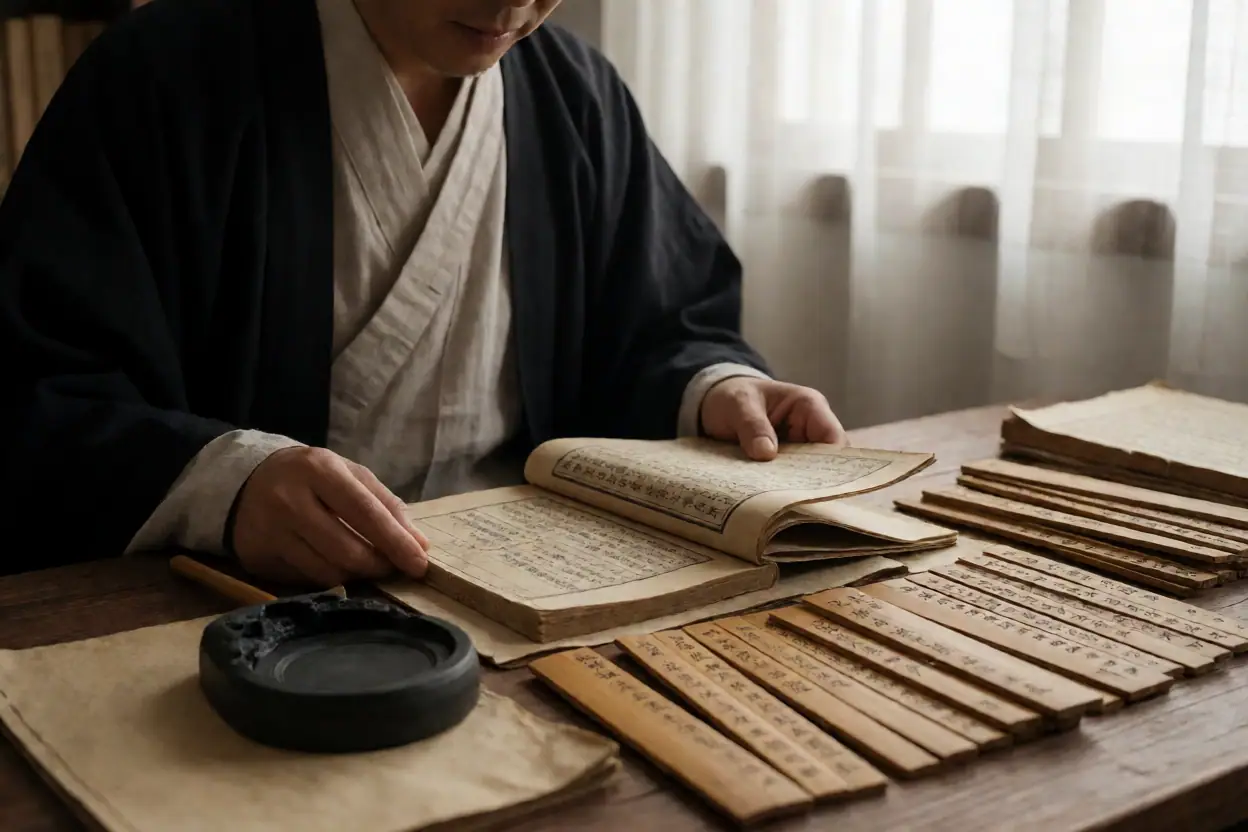
To further trace the literary tradition of the Qu surname, one may begin with the sections on writings, family biographies, official careers, civil service examinations, and prefaces and colophons in clan genealogies, then read them alongside the biographical, examination, and literary sections of local gazetteers. Titles of works, authors' personal names and courtesy names, dates of life, and places of origin must be verified individually; when only the name matches and there is no corresponding evidence for period and region, the records should not be combined as referring to one person. Poems and drafts, letters, plaque inscriptions, and oral recollections preserved in family homes may also be organized into a family memoir, but the narrator, recording date, and verifiable physical evidence should be identified.
Online genealogies can help clan members in different regions compare generation characters, lineages, and migration clues, while local-gazetteer databases can supplement information on village history, schools and academies, people's activities, and changes in old place names. When tracing one's roots, one can work backward layer by layer in the order of “contemporary kinship, modern-era household registers and tombstones, old genealogical lineages, and corroborating evidence from local gazetteers.” This both helps preserve materials on Qu-surname culture and avoids mistaking people with the same surname, the same name, or the same hall name for members of a common lineage branch.