The Origins and Branches of the Liu Clan in Yunhe: From Legendary Genealogies to Local Memory
Records concerning the origin of the Liu surname, migrations, and the establishment of the Liu settlement in Yunhe are found primarily in genealogical traditions and local narratives. Existing clues involve Liu Xia Hui of the State of Lu, Hedong, Xiangyang, Lishui, Yunhe, and the Fujian–Guangdong region, among other places. However, some genealogical links span long periods and still require further verification against genealogies, local gazetteers, and family memory.

Existing genealogical narratives about the origins of the Liu surname generally associate its emergence with Liu Xia Hui of the Spring and Autumn period. According to the relevant accounts, Liu Xia Hui was named Huo and styled Ziqin. He came from the ducal clan of the State of Lu and once held a fief at Liuxia; his descendants subsequently took the place name as their surname. This account holds an important place in Liu genealogical tradition. However, the formation of early surnames often unfolded over a lengthy historical period, and it is not possible to conclude that all people bearing the Liu surname today descend from a single branch solely on the basis of one genealogy or one oral account.
Some genealogical texts further state that among the descendants of Liu Xia Hui at the end of the Qin dynasty was a man named An, who lived in Jie County, Hedong. Between Lu and the end of the Qin dynasty, there is a genealogical gap of several hundred years that is difficult to verify. The genealogy then records that Qi Gong and Chun Gong formed the eastern and western branches, and that Chun Gong's son Xi Gong moved to Xiangyang. During the Ningkang era of the Eastern Jin, Yanzong was appointed to administer Linhai, and the family is again recorded as having moved to Dongyang. During the Yuanjia era of the Liu Song dynasty, his descendant Su Gong moved from Longyou in Quzhou to the area around Songyang in Lishui. After completing a period of mourning, Yuan Ye moved to Fuyun Township in Xiyangli, in what is now the area of Yunhe, Zhejiang. This route presents one possible pattern of migration for the Liu clan in southern Zhejiang, but the links between the generations should still be cross-checked against different versions of the genealogy, burial records, and local gazetteers.
Regarding the formation of the Yunhe area, the genealogy links the Liu clan's settlement there with local development, stating that the early Fuyun area gradually developed from forest settlements into a market town and later underwent adjustments to its administrative organization, ultimately becoming Yunhe County. Other records mention that Liu descendants moved from the foot of Liuyin Mountain to Yingchuan in Qingtian, after which branches also entered Putian in Fujian, Chaoyang in Guangdong, Hui'an in Fujian, and Shouning. These accounts suggest that multiple instances of branch formation, migration, and the establishment of new settlements may have occurred among the mountains of southern Zhejiang and along the coastal areas of Zhejiang, Fujian, and Guangdong. However, place-name changes, the number of generations, and personal names may have changed during the process of copying and transmission, so these records cannot be treated directly as a complete and continuous family migration chart.
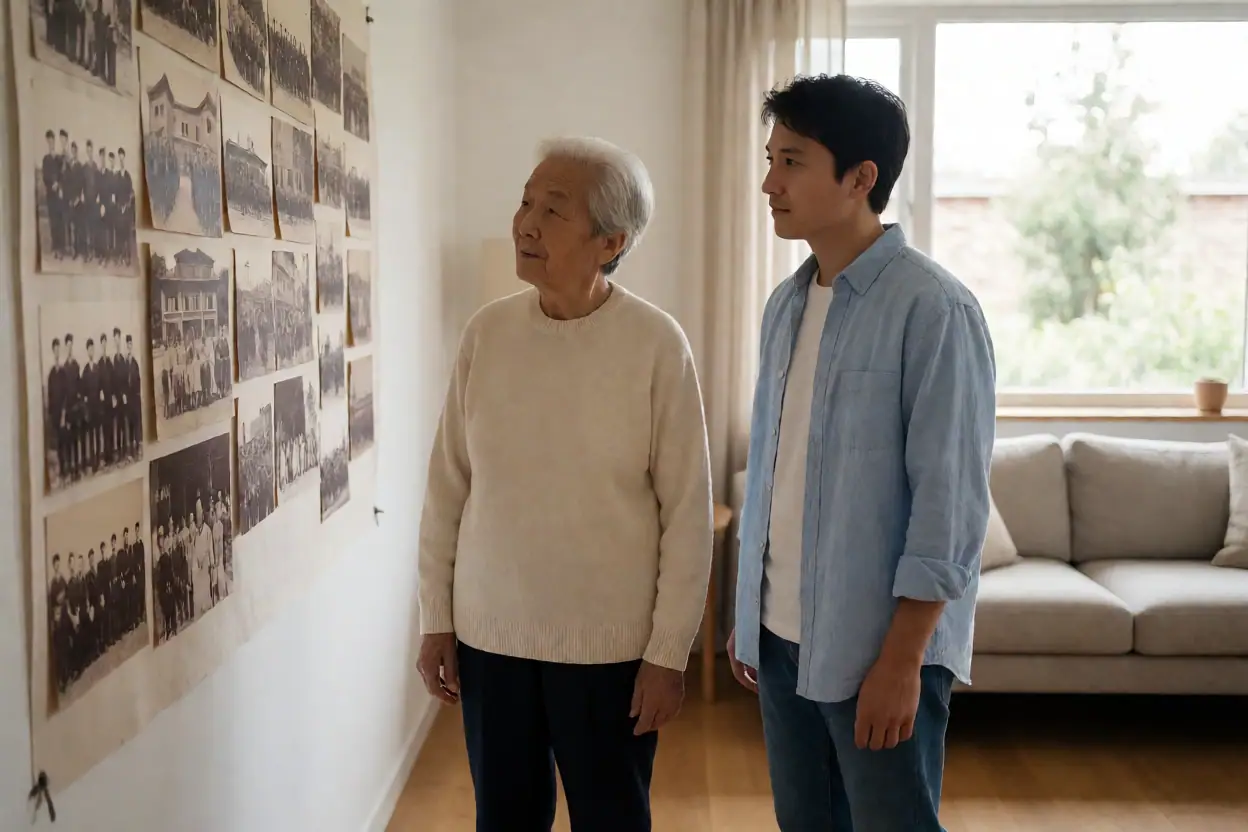
When researching the history of the Liu clan, begin by organizing the surviving genealogies of the relevant branch, ancestral tomb inscriptions, ancestral hall records, generational characters, and family memoirs. Then compare them item by item with the people, residences, and dates recorded in online genealogies. Local gazetteer databases can help verify former place names, administrative changes, and the areas in which relevant figures were active. Surname databases can be used to learn about the Liu surname's commonly associated commanderies, hall names, and the distribution of different branches. If the genealogy contains the same hall name or similar generational characters, these can serve only as clues and cannot independently prove common ancestry. Only when genealogical links, migration sites, prefaces to genealogies, burial records, and family oral accounts corroborate one another can the origins and development of a particular branch be assessed with greater confidence.
Learn More and Verify
- An Analysis of the Origins and Development of the Mingguang Yue Lineage: The Yang–Yue Marriage Alliance and Local Memory
- Clues to the Transmission of the Liu Clan's Wuliu Hall and Memories of Migration to Yunhe
- The Origins of the Heng Clan and Legends of Migration to Nanyue: Beginning with the Story of the Descendants of the Yuan Clan
- Local Memory of the Qu Clan Ancestral Hall in Baisha, Yangxin, and the Legends of Liyang
Genealogy Knowledge and Methods for Compiling Genealogies · Finding Genealogies and Local Gazetteers · Organize family-root-seeking leads