The Origins of the Heng Surname and the Legend of Migration to Nanyue: Beginning with the Descendants of the Yuan Clan
Regarding the origins of the Heng surname, a folk tradition connects it with the family of Yuan Shao in the late Eastern Han period and with Mount Heng in Nanyue. Existing accounts include stories of changing the family name to escape turmoil and migrating to Hunan, but the specific genealogy, dates of migration, and relationships among branches still require further verification against genealogies, local gazetteers, and family documents.

The Heng surname is relatively uncommon in surname culture. One widely circulated folk account holds that, amid political turmoil in the late Eastern Han period, the family of Yuan Shao declined after the Battle of Guandu, and that some family members may have left their original home because of war, political entanglements, or the need to evade danger, eventually migrating south to the Hunan region. Another version suggests that one branch once lived in seclusion near Mount Heng in Nanyue and later adopted the mountain's name or the name of the place where they lived as its surname, gradually forming the Heng surname. This story connects the historical setting of the Three Kingdoms period with family memories of seeking refuge and local place names, giving it a distinctly legendary character.
Historical events and family traditions, however, cannot simply be equated. Records in official histories and local documents concerning the sphere of activity of Yuan Shao and his family, as well as the whereabouts of their descendants, are not entirely consistent. The claim that descendants of the Yuan clan changed their surname to Heng to escape danger likewise requires corroboration from specific genealogies, epitaphs, inscriptions, or contemporary documents. In particular, although the explanation that the surname was derived from Mount Heng accords with the traditional narrative of surnames originating from place names, the shape of the characters in the surname, a place of residence, or an oral account alone is still insufficient to confirm a common ancestor for any particular Heng branch.
Information on the later distribution of the Heng surname, including hall names, ancestral commandery affiliations, and generation names, should generally be examined on the basis of genealogical records preserved in different localities. The same surname may encompass branches of different origins, while the same branch may show discrepancies in its records because of migration, naming taboos, adoption, marriage, or a change of surname. Accordingly, if Heng families in Mount Heng, Hunan, and surrounding areas wish to trace their ancestors, they should focus on verifying the name of the founding migrant ancestor, the ancestral place of residence, the migration route, the genealogical sequence, and the date when the genealogy was compiled or revised, and compare the records in genealogical books with county and prefectural gazetteers, ancestral hall inscriptions, and burial materials.
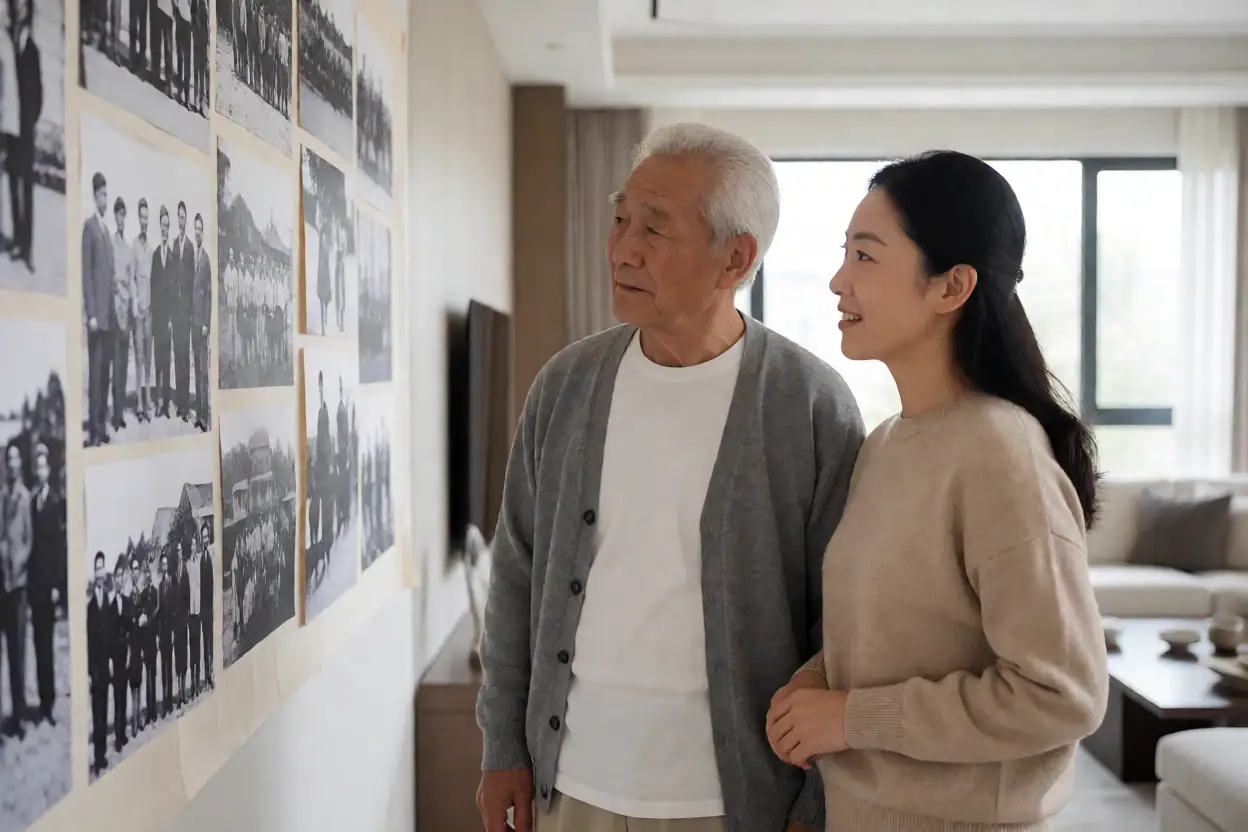
In the course of actual ancestry research, surname databases can help organize variant forms of the Heng surname, ancestral commandery affiliations, hall names, and regional distribution. Online genealogies are useful for searching publicly available genealogical leads, but online versions of genealogies still need to be checked against the original records. Family memoirs, ancestor-worship records, and old photographs can supplement information about modern and contemporary migrations, but they should not be used as the sole basis for distant genealogical connections. If genealogy pages, clan regulations, inscription rubbings, or relevant entries from local gazetteers can be provided, local gazetteer databases can also be consulted to trace changes in villages and the timing of a family's migration into the area.
At present, the more cautious formulation is that some Heng branches may have maintained long-standing ties with the Nanyue area of Hunan, while the claim that they descended from the lineage of Yuan Shao remains a family tradition awaiting documentary support. Whether Heng families in different regions belong to the same lineage should still be determined by the continuity of genealogical lines and evidence of migration recorded in the genealogies of each branch; no conclusion should be drawn solely from a shared surname or similar place names.
Learn More and Verify
- The Origins of the Ji Surname and the Jisun Branch: From an Old Lu State Clan to Later Regional Distribution
- The Danyang Hall Lineage: The Origins, Migrations, and Genealogical Culture of the Bao Family as a Path to Tracing Its Roots
- The Origins and Development of the Mingguang Yue Family: Clues to Migration and Surname Changes in an Ancestral Shrine Record
- A Study of the Situ Surname's Origins and Development: From Ancient Official Titles to Branches in Multiple Regions
Genealogy Knowledge and Methods for Compiling Genealogies · Finding Genealogies and Local Gazetteers · Organize family-root-seeking leads