The Hang Clan of Shanqian, Fangshan: Local Memories Sustained by Family Precepts
During the late Qing period, branches of the Hang clan moved to Shanqian Village in Fangshan, where they have continued to live for more than 100 years. The family precepts have been compiled and recited on several occasions, incorporating values such as diligence and frugality, filial piety and respect among siblings, harmony, and observance of the law. They have become a thread connecting family memories with life in the local community.
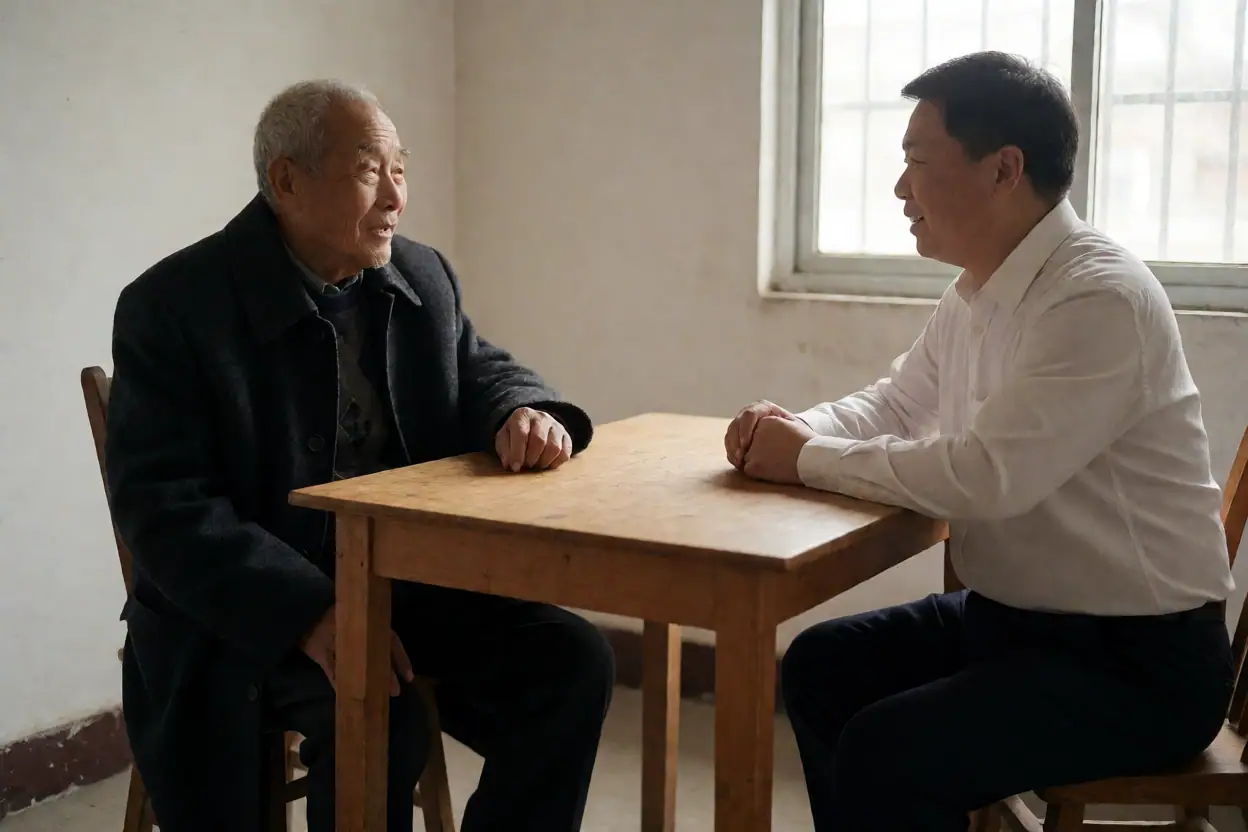
The Hang clan’s memories in Shanqian Village, Fangshan, are mainly interwoven through three threads: migration, settlement, and family precepts. According to existing accounts, four branches of the Hang clan moved to Shanqian Village during the late Qing period and subsequently lived and multiplied there, continuing to the present day for more than 100 years. The original places of籍, relationships among these branches, and earlier generations still require further verification against genealogies, tombstones, local gazetteers, and family oral accounts; no conclusions can be drawn solely from a shared surname or place of residence.
Among the traditions passed down by the Hang clan of Shanqian, a fourteen-line family instruction written in seven-character lines is particularly notable. It emphasizes establishing oneself through diligence and frugality, remaining humble in prosperity, and not complaining in hardship. It advocates parental kindness and filial children, mutual assistance among brothers, and harmony among neighbors, while also reminding later generations to value family education, observe rules and laws, and uphold their character. These words retain the traditional family rules concerning family ethics and principles for conducting oneself, while also incorporating public norms from modern rural life, reflecting how family precepts have adapted to the times.
According to recollections from family elders, in the 1960s, Hang Linshan, Hang Nanshan, Hang Buyu, and other fellow clan members began compiling and promoting the family precepts. They solicited opinions on matters such as whether the wording was fluent and the content easy to understand, making the original instructions easier to recite. After the beginning of the new century, Hang Linshan and others again took part in revising the text, incorporating such content as observing rules and laws and staying away from harmful temptations, gradually forming the version circulated today. The individuals, revision process, and specific versions described in the existing materials should still be cross-referenced with physical genealogical records or village annals.
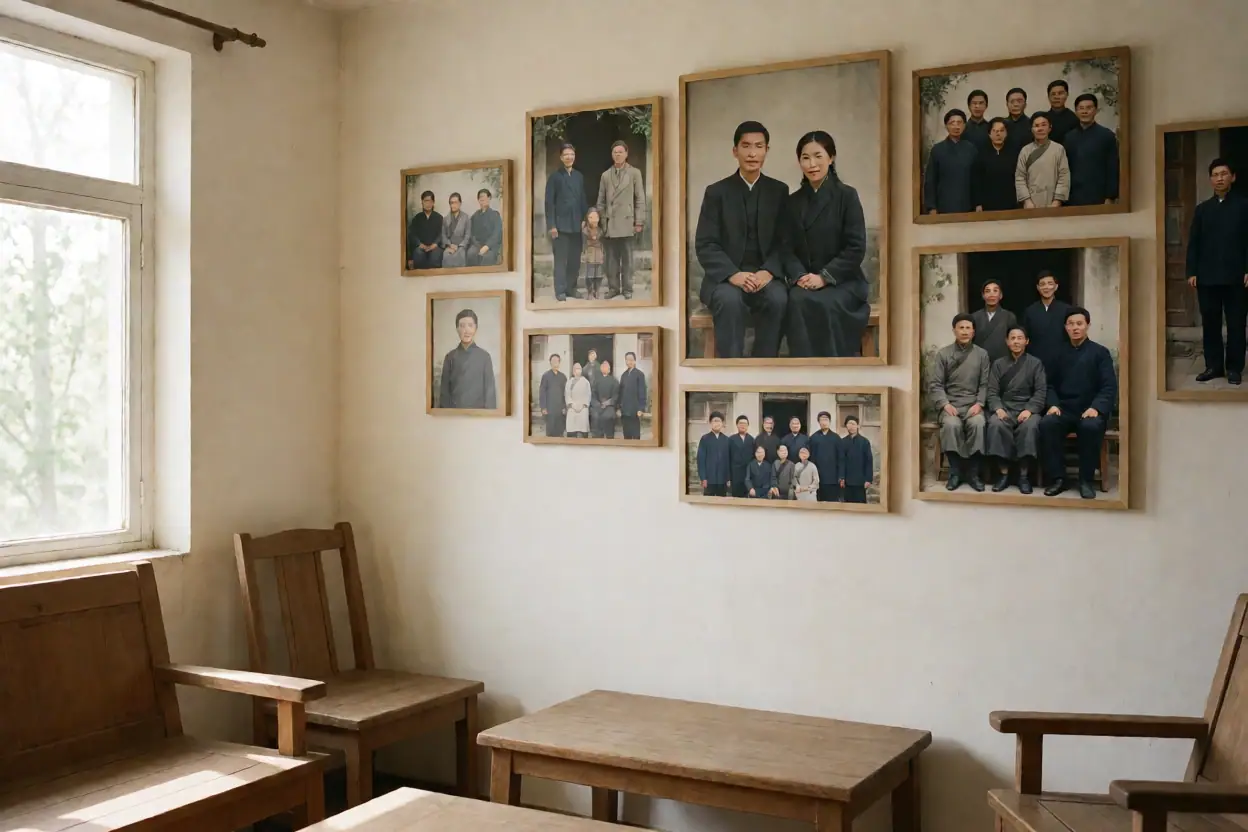
Since 2010, Hangzhuang has also held the “Hang Clan Family Instructions Lecture Series.” Around the Spring Festival, family members and nearby villagers gather at elders’ homes to listen to stories about the family precepts and exchange views on filial respect, diligence and frugality, harmony, and responsibility. Most of the speakers are retired teachers and village officials. They explain the family precepts through their personal experiences and place family norms within relationships among neighbors and the village’s public life. In this way, the family precepts are not merely preserved words but also a daily means of intergenerational communication and local education.
Information on the Hang surname includes such ancestral hall names as “Danyang Hall,” while branches associated with the place name Yuhang are also often discussed in connection with the origins and development of the Hang surname. Hang families are found in Zhejiang, Jiangsu, Anhui, Shanghai, Fujian, and other places. It is important to note that a shared ancestral hall name or surname, or proximity of ancestral homes, cannot by itself prove that the Hang clan of Shanqian, Fangshan, belongs to the same lineage as other Hang branches. For further ancestral research, family genealogies, generation names, burial information, migration traditions, and elders’ recollections can be organized separately and then compared through online genealogies, family memoirs, and local gazetteers, allowing a gradual assessment of whether verifiable links exist among the branches.
Learn More and Verify
- Na Clan Ancestral Hall in Changhuang Village, Xiaoyi, Shanxi: Two Centuries of Rural Memory
- Qi Clan Family Instructions: Mutual Learning Between Traditional Lineage Concepts and Contemporary Family Ethics
- Medieval Family Memory and Genealogical Continuity Seen Through the Stele of the Yan Family Shrine
- The Xiamen Shangguan Clan Conducts Visits to Honor the Elderly, Sustaining Family Memories Through Community Visits
Genealogy Knowledge and Methods for Compiling Genealogies · Finding Genealogies and Local Gazetteers · Organize family-root-seeking leads