Family documents, migration clues, and verification methods. Publicly available sources are continuously searched and organized article by article.
A Cautious Review of Bai Surname Distribution and Migration Clues
2026-10-08 · Source Materials Review
Records show that people with the Bai surname have lived in concentrated or scattered settlements in many areas. Existing accounts point in particular to Henan, as well as Hunan, Shandong, Anhui, Jiangsu, and Shaanxi. Because population data, early origins, and accounts of migration still require corroboration through documentary sources, those tracing their roots should begin with their branch's genealogy, local gazetteers from ancestral settlements, and verifiable lineage materials.
Architecture of the Qi Clan Ancestral Hall in Xiafu Village, Hujiang Town, and Clues for Tracing Its Origins
2026-10-08 · Source Materials Review
Xiafu Village in Hujiang Town preserves a Qi clan ancestral hall. Existing descriptions indicate that it covers approximately 1400 square meters and consists of three successive halls, courtyards, a pond, covered walkways, a loft, and an opera stage. The ancestral hall provides a tangible point of entry for understanding the local Qi clan’s settlement, ritual practices, and communal life, but its construction date, successive renovations, and related genealogical lines still require further verification against genealogies, inscriptions, and local gazetteers.
Clues to Shuai Clan Settlement in Jiangxi and Paths for Tracing Its Origins
2026-10-08 · Source Materials Review
Existing materials indicate that the Shuai clan is widely distributed in Jiangxi, with related settlements found in Jiujiang, Yichun, Nanchang, Fuzhou, Ji’an, and Shangrao. Records of the number of households, population, and contact information in each locality are provisional and are not yet sufficient to prove that the different villages descend from the same branch. Further verification against genealogies, local gazetteers, and family memories is still required.
Theories on the Place-Name Origins of the Kong Clan and Local Memories of Huarong
2026-10-08 · Source Materials Review
The claim that the Kong clan originated from a place name involves ancient 竉洲 (Longzhou), the Huarong River basin, and the interchangeable use of “竉” and “空.” The relevant records can provide clues for tracing origins, but are not yet sufficient on their own to prove that Kong clan members in different places descend from the same branch. They must still be checked against genealogies, local gazetteers, and family memories.
Character-Form Clues and Paths for Tracing the Origins of the Kongtong Surname
2026-10-08 · Source Materials Review
Kongtong is a compound surname that still requires continued investigation in the available materials. Existing clues involve claims concerning the Zi surname, the place name Kongtong, and the later simplification to the single surname Kong, but they are not yet sufficient to confirm a common ancestral origin for all people bearing the Kongtong surname. Research should begin with family genealogies, tomb inscriptions, local gazetteers, and migration memories, comparing the evidence item by item.
Records of Bu Surname Population Distribution and Verification Paths for Tracing Origins
2026-10-08 · Source Materials Review
Existing records indicate that members of the Bu clan live scattered across Jiangsu, Shandong, Hebei, Henan, Zhejiang, Liaoning, Hubei, Ningxia, Xinjiang, Jilin, Sichuan, and Beijing. Because some place-name changes, administrative affiliations, and migration accounts still require verification, research into their origins should examine family genealogies, local gazetteers, inscriptions, and household-registration records item by item.
Figures and Migration Clues of the Xin Clan: From Historical Records to Family-Line Analysis
2026-10-08 · Source Materials Review
Existing materials contain clues concerning Xindu of the late Yuan dynasty, Xin Gongxun of the Ming dynasty, and Xin clan lines associated with Huzhou, Deqing, Yuhang, and Boluo in Guangdong. Although the figures’ deeds can be cross-checked against historical records and gazetteers, their specific genealogical lines, native-place affiliations, and migration relationships still require further examination against family genealogies, local gazetteers, and family memories.
Legends of Famous Yin Clan Figures and Family Origins: From Yin Jifu to Yin Zhen
2026-10-08 · Source Materials Review
Accounts of historical figures of the Yin surname appear in official histories, poetry and prose, as well as local gazetteers, burial legends, and genealogies. Figures such as Yin Jifu and Yin Zhen reveal the multifaceted character of Yin-surname culture, but the deeds of famous figures and the genealogical lines of specific families still need to be cross-checked step by step against documentary and local sources.

The Third Volume of the Fourth Revision of the Dunhou Hall Long Clan Genealogy: Approaching Family Memory Through Genealogy Pages
2026-10-08 · Source Materials Review
Existing materials indicate that the Third Volume of the Fourth Revision of the Dunhou Hall Long Clan Genealogy belongs to a multi-volume genealogy and has 111 pages available for preview. Because the compilation date, geographic context, and genealogical details are lacking, this article discusses only its value for consultation and methods for further research into family origins based on confirmable information.
Tracing Origins Through the Sixth Volume of the Fourth Revision of the Long Clan Genealogy
2026-10-08 · Source Materials Review
The Sixth Volume of the Fourth Revision of the Long Clan Genealogy uses “Dunhou Hall” as a title clue and forms part of the Long clan’s genealogical materials. Existing information is not yet sufficient to confirm its specific compilation date, geographic context, or relationship to particular branches. Further verification against the original genealogy, family memories, and local documents is still required.

Lou Surname Literary Figures and Family Cultural Lineage: From Textual Verification to Clues for Tracing Origins
2026-10-08 · Source Materials Review
Literary materials concerning the Lou surname include works such as poetry and couplets, as well as local cultural memories. When examining the relevant figures, textual works, family genealogies, migration records, and local gazetteers should be compared with one another to avoid mistakenly merging branches because of a shared surname or given name.
Origins and Migration Clues of the Da Clan: From Guangling Hall to Local Branches
2026-10-08 · Source Materials Review
Materials on the Da clan indicate that its lines of transmission involve multiple paths by which the surname was acquired and are associated with Guangling Hall, Guangling and Jiangdu, and Henan. Related distributions are also found in Jiangxi, Fujian, Guangdong, Zhejiang, and Taiwan, but branches sharing the same surname may not belong to the same lineage. Specific genealogical lines still require systematic examination against family genealogies, local gazetteers, and family memories.
Clues to Chong Surname Distribution and Methods for Tracing Origins Through Genealogies
2026-10-08 · Source Materials Review
Existing materials point to Chong surname distribution in Shandong, Hebei, Henan, and other areas, extending to parts of northwestern, southwestern, and eastern China. Whether Chong surname groups in different places belong to the same lineage still requires item-by-item verification against family genealogies, generation names, tomb inscriptions, and local gazetteers.
An Examination of Clues Linking the Chong Surname to Sinicization and the Manchu Wangjia Clan’s Change of Surname
2026-10-08 · Source Materials Review
The claim that the Chong surname originated from the Manchu Wangjia clan is supported by existing materials mainly through clues concerning ethnic affiliation, places of residence, and the Sinicization-related change of surname, but these are not yet sufficient to directly prove that all people bearing the Chong surname share a single origin. By consulting surname materials, family genealogies, and local gazetteers, research into their origins can proceed through branch-by-branch verification.
Migration Clues and Branch Memories Found in Jiao Clan Genealogies
2026-10-08 · Source Materials Review
Existing materials on the Jiao surname present a picture of multiple origins and broad geographic distribution. Genealogies from the Muping area of Shandong preserve migration legends, village branches, and information about genealogy revisions, but specific genealogical lines still require further verification against the original genealogies, inscriptions, local gazetteers, and family memories.
An Examination of Jiao Surname Distribution and Migration Clues in Jiaodong
2026-10-08 · Source Materials Review
The Jiao surname has a relatively small population. Existing genealogies and local records indicate that its members mainly formed settlements in Jimo and Muping in Jiaodong, with branches that migrated northward to other areas. Questions concerning the Wusa Guard in Yunnan, the Haixi branch, and genealogical lines in various places still require further verification against the original genealogies, local gazetteers, and family documents.
Organizing Lian Clan Genealogical Materials and Clues for Tracing Origins
2026-10-08 · Source Materials Review
Existing records indicate that a genealogy titled A Genealogy of the Lian Clan covers approximately 1370 to 2012 and contains 32 pages, but publicly available clues are not yet sufficient to confirm its specific place of compilation, founding migrant ancestor, or complete genealogical line. When consulting it, the genealogy pages, family memories, and local documents should be checked item by item.

An Examination of Migration Clues and Genealogical Memories of the Muqian She Clan
2026-10-08 · Source Materials Review
Existing genealogical records indicate that the She clan in the Zhenqian area of Baitang Town, Putian, Fujian, may have had a migration connection with the Muqian branch of Xiyuan Township during the Ming dynasty. The genealogy contains information on She Xun, She Changyu, and “西隐” and “锦山慕前,” but some place names and dates still require further checking against the original genealogy, local gazetteers, and field materials.
An Examination of Fujian She Clan Migration Clues and the Pingtan Branch
2026-10-08 · Source Materials Review
The distribution and migration of the She clan in Fujian involve Putian, Yongning, Pingtan, and other places. Existing accounts provide several clues concerning founding migrant figures, generational order, and localities, but some genealogical lines still await corroboration through genealogies, local gazetteers, and physical materials.
Reading Clues and Methods for Tracing Origins in Nan Clan Genealogies
2026-10-08 · Source Materials Review
Existing materials indicate that a genealogy titled A Genealogy of the Nan Clan provides a route for online consultation, but its compilation date, geographic origin, founding migrant ancestor, and branch relationships have not yet been fully disclosed. Understanding the history of the Nan clan requires item-by-item comparison of the genealogy pages, local gazetteers, tomb inscriptions, and family memories.

Preservation and Research Value of Kuai Clan Genealogical Documents in Shouxian County, Anhui
2026-10-08 · Source Materials Review
Existing materials indicate that the Kuai clan in Shouxian County, Anhui, compiled eight sets of genealogies, which were edited and printed in the 21st year of the Republic of China by Kuai Yingshan and Kuai Yinghai. Information about the preservation and storage of these documents provides clues for understanding local Kuai clan memories, the transmission of genealogical records, and subsequent research into family origins, but specific genealogical lines still require verification against the original genealogies.
Records on People with the Hu Surname and Ancestral-Tracing Clues: From Historical Records to Family Heritage
2026-10-07 · Source Analysis
Existing materials record figures including Hu Cheng, Hu Mu, and Hu Runzhu, spanning the Song and Ming dynasties through the modern era. The relevant information can serve as a starting point for research on the Hu surname, but the figures’ genealogical lineages, branch relationships, and migration patterns still require further verification against genealogies, local gazetteers, and family memories.
Historical Figures with the Dao Surname and Family Memories: From Biographical Clues to Ancestral Research
2026-10-07 · Source Analysis
People with the Dao surname appear in court epitaphs, local histories, and contemporary fields such as education and the arts. When organizing these clues, biographical accounts, regional distribution, and family affiliations should be verified separately, with genealogies, local gazetteers, and family memories consulted for step-by-step analysis.
The Origins and Migration Clues of the Da Surname: From Guangling Hall to Distribution in Southern China
2026-10-07 · Source Analysis
Existing records indicate that accounts of the Da surname’s origins are diverse. Guangling Hall, as well as place names such as Guangling, Jiangdu, and Henan, are often associated with information on its branches. Today, people with the Da surname can also be found in Jiangxi, Fujian, Guangdong, Zhejiang, Taiwan, and other areas. Whether Da families in different regions share the same lineage still requires item-by-item verification using genealogies, local gazetteers, and family memories.

Migration Patterns and Ancestral-Tracing Clues of the Cheng Surname
2026-10-07 · Source Analysis
The Cheng surname’s early areas of activity included North China, the Central Plains, and Guanzhong. Through the Qin and Han, Wei, Jin, Northern and Southern Dynasties, and Song, Yuan, Ming, and Qing periods, it gradually spread to Jiangnan, Lingnan, the northwest, and the northeast. Specific branches still require verification through family genealogies, local gazetteers, and family memories.
Aisin Gioro Descendants Who Adopted the Jin Surname: From Historical Designations to Ancestral Research
2026-10-07 · Source Analysis
The Jin surname has diverse origins. Some Aisin Gioro descendants adopted the Jin surname in modern times, but people with the Jin surname do not constitute a single lineage. Identifying a specific family branch requires item-by-item verification using genealogies, family memories, documents from places of residence, and local gazetteers.
Family Surname Memories and Ancestral Research Through the Story of Moving a Log to Establish Trust
2026-10-07 · Source Analysis
The story of Shang Yang moving a log to establish trust is often used to illustrate that reform must first win the trust of the people. Applied to surname and family research, this also means that legends, historical records, genealogies, and local accounts should be analyzed by category, avoiding hasty conclusions that people share the same lineage merely because they have the same surname or similar-looking characters.
The Third Volume of the Sang Genealogy: Tracing Family Branches Through Clues in the Genealogical Pages
2026-10-07 · Source Analysis
Existing records indicate that the Sang genealogy consists of four volumes, with the third volume containing approximately eighty-seven pages. As the compilation date, place of compilation, and specific page contents are unavailable, this article discusses its research value solely on the basis of catalogue clues and notes how genealogies, local gazetteers, and family memories should be combined and verified in ancestral research.
The Ancestral-Tracing Value of the Third Volume of the Pi Clan’s Fifth Revised Genealogy
2026-10-07 · Source Analysis
The Lushan Hall Pi Clan’s Fifth Revised Genealogy is the fifth compilation of a thirty-two-volume work. The available third volume is marked as containing one thousand two hundred and forty-five pages. It provides clues for studying Pi branches, lineages, and regional distribution, but specific ancestral origins and migration relationships must still be verified against the genealogy and local historical documents.
Organizing and Assessing the Preservation and Migration Clues in Tan Genealogies
2026-10-07 · Source Analysis
Existing materials indicate that Tan genealogical records are distributed across Jiangsu, Zhejiang, Hunan, Hubei, Jiangxi, Gansu, and other regions. Some Qing-dynasty and Republican-period editions are still preserved by libraries, local ancestral halls, or families. Genealogy editions, generation names, and migration accounts from different regions should be checked item by item against the original genealogies, local gazetteers, and family memories.
Gathering and Ancestral-Tracing Clues in Discussions of the Ye Family
2026-10-07 · Source Analysis
A historical page centered on a gathering of Ye clan members preserves clues about family exchanges, ancestral-hall memories, and the organization of genealogies. The material can serve as a starting point for ancestral research, but it cannot establish that all people with the Ye surname in different regions descend from a single branch.
Xinye Ancient Village: The Convergence of Ye Settlement Memories and Historic Architectural Remains
2026-10-07 · Source Analysis
Xinye Ancient Village in Jiande, Zhejiang, has attracted attention for preserving a relatively complete group of traditional buildings and memories of Ye family settlement. The village layout, ancestral halls, residences, and local documents together form clues for ancestral research, but sharing a surname does not mean sharing the same lineage; specific genealogical lines still require verification through genealogies, local gazetteers, and field materials.
An Overview of the Distribution and Migration Clues of Ye Branches in Fujian
2026-10-07 · Source Analysis
The formation of Ye branches in Fujian is connected with multiple migrations from the late Tang period through the Ming dynasty. Jianning, Jianyang, Fuzhou, Minhou, and other places preserve the inherited memories of different branches. Existing materials have organized the migration patterns of Fusha, Ganzhou, and their branches, but specific lineages still require further verification through genealogies, local gazetteers, and family documents.
The Lü Family’s Memories and Ancestral-Tracing Clues Through the Remains of the Lü Residence in Shuyang
2026-10-07 · Source Analysis
The Lü Residence in Shuyang, the Lü Family Garden, and the Chastity and Filial Virtue Archway preserve local historical memories of family residences, women’s chastity and filial virtue, and the educational success of younger family members. Surname records, family genealogies, and local gazetteers can provide clues for tracing the Lü family’s origins, but specific branches still require item-by-item verification.
Wu Surname Migration and Family Memories Through Local Branches
2026-10-07 · Source Analysis
The distribution and migration of people with the Wu surname often reflect the coexistence of multiple branches, each supported by its own genealogical evidence. Materials on the Wu clan in Liuyang, Wu Jiawan in Chenxi, and Shitouzhai in Guizhou illustrate settlement, growth, and customary memories in different regions, while also reminding those tracing their ancestry to cross-check genealogies, local gazetteers, and field clues.

A Framework for Assessing the Wu Surname’s Literary Tradition and Family Cultural Heritage
2026-10-07 · Source Analysis
Wu culture appears in poetry, idioms, and historical narratives, and also remains present in genealogies, local memories, and migration clues. These materials should be organized by distinguishing literary images, historical figures, and specific lineages, and by cross-referencing genealogies with local documents.
The Origin of Wuxing Village’s Name: Assessing Place-Name Legends and Group Memories
2026-10-07 · Source Analysis
Wuxing Village lies near Wuxing Lake on the northern foothills of the Zhongtiao Mountains. Various accounts of its name have been passed down, including stories of descendants of Shun moving there, five major families, and five ministers of the Tang dynasty. Organizing these accounts helps illuminate local memories while reminding those tracing their ancestry to distinguish legends, changes in place names, and verifiable genealogical and gazetteer records.
The Distribution and Ancestral Research of the Shi Surname: From Regional Settlements to Family Lineages
2026-10-07 · Source Analysis
People with the Shi surname show relatively clear settlement patterns along the southeastern coast and in some inland areas. Regional distribution can provide clues for ancestral research, but cannot by itself prove clan relationships; it must still be checked layer by layer against family genealogies, local gazetteers, burial records, and family memories.
Biographical Clues and Family Memories of People with the Zha Surname: From Assessing Notable Figures to Ancestral Research
2026-10-07 · Source Analysis
Existing materials record figures including 扎西东珠, 扎西旺堆, 扎马刺丁, and 扎拉芬, but the periods, affiliations, and identities in different accounts still require verification. These clues can provide a starting point for organizing Zha family genealogies, investigating migration, and cross-referencing local documents.
The Migration and Genealogical Continuation of the Chai Family in Xian County Through a Genealogy Preface
2026-10-07 · Source Analysis
A genealogy preface dated 2022 records the process by which the Chai family of Xian County revised its genealogy, traced its ancestral home to Nanpi, and contacted fellow clan members. These accounts demonstrate the connections among the preservation of genealogies, village migration, and family memories, while also indicating that lineage identification still requires cross-checking multiple types of material.
Chai Surname Distribution and Ancestral Research Through Genealogies: From Regional Memories to Branch Analysis
2026-10-07 · Source Analysis
The Chai surname is distributed across many parts of northern China, with some materials identifying Henan, Shanxi, and Hebei as areas of greater concentration. Clues associated with Pingyang Hall, Pingyang, Henan, and Qiaojun can provide direction for ancestral research, but specific ancestral origins still require item-by-item verification using family genealogies, tomb inscriptions, local gazetteers, and family memories.
Literary Clues to the Men Surname: From Couplets on Gates to Family Memories
2026-10-07 · Source Analysis
Existing materials indicate that the Men cultural clues include couplets on Buddhist temple gate pillars, as well as wedding and funeral couplets, but they are still insufficient to confirm any specific writers bearing the Men surname, literary lineages, or family origins. Within the bounds of what can be verified, this article examines the connections among the imagery associated with the character Men, literary expression, and ancestral-root research.
An Examination of Family Memories of the Yan Surname and Migration Clues from Yanji Village
2026-10-07 · Source Analysis
The legends surrounding the Yan surname in Yanji Village, the village environment, and the written family instructions together present multiple layers of memory concerning the continuity of a local family. Claims concerning migration from Hongdong, Shanxi, the date of the initial migration, and the precise genealogy should still be checked item by item against genealogies, local gazetteers, inscriptions, and family recollections.
Yangzhou’s Bosi Village and Legends of the Nei Surname: A Local Memory Still Awaiting Verification
2026-10-07 · Source Analysis
Stories about Bosi Village and descendants of the Nei surname have circulated in the area around Daqiao Town in Jiangdu, Yangzhou. Existing accounts involve the Maritime Silk Road, cross-regional marriages, and changes in local place names, but the origins, genealogies, and surviving traces still require further comparison with family genealogies, local gazetteers, and material evidence.
The Origins and Migration Clues of the Da Surname: From Guangling Hall to Southeastern Branches
2026-10-07 · Source Analysis
Materials on the Da surname indicate that accounts of its origins are relatively diverse. Guangling Hall, along with the place names Guangling, Jiangdu, and Henan, is often used as an important line of inquiry. Relevant distribution records exist in Jiangxi, Fujian, Guangdong, Zhejiang, Taiwan, and elsewhere, but specific branches still require verification layer by layer through genealogical records, local gazetteers, and family memories.
Migration Clues of the Pu Family from Dengzhou and an Examination of Ming-Dynasty Figures
2026-10-07 · Source Analysis
The family narrative of the Pu family of Dengzhou centers mainly on clues indicating that the family migrated from Jiading to the Dengzhou Guard in the early Ming dynasty and settled in the Penglai area under military registration. Genealogies, epitaphs, civil-service examination records, and local gazetteers can be used to examine the official careers of figures such as Pu Hong and Pu Zhihao, but the identity of the founding ancestor, the date of migration, and the genealogy of these figures still require verification against the original documents.
The Continued Compilation of the Yan Genealogy in Xiangtan: From Gathering Materials to Preserving Family Memory
2026-10-07 · Source Analysis
A record concerning the completion of a revised genealogy of the Yan family in Xiangtan shows how clan members spent several years gathering information and organizing the family genealogy. The material concerns generational names, branches, ancestral-root research, and family identity, but the precise genealogy should still be further verified against the original genealogical records, local gazetteers, and material archives.
Accounts of Historical Figures Bearing the Qiu Surname and a Review of Clues for Family Ancestral-Root Research
2026-10-07 · Source Analysis
Materials on ancient figures bearing the Qiu surname are scattered across historical narratives, official registers, and family documents. The names Qiu Hu, Qiu Jun, Qiu Ying, Qiu Mao, Qiu Yun, and Qiu Fengqing are currently found in the available sources, but the detail of their deeds varies. Determining the relationship between these figures and specific Qiu branches still requires item-by-item verification against official histories, local gazetteers, genealogical records, and inscriptions.
Narratives of the Origins of the Chong Family in Tianchang and Clues for Family Ancestral-Root Research
2026-10-07 · Source Analysis
Accounts of the origins of the Chong family in Tianchang often connect Chong Bo Gun, Yu the Great, and memories of ancient tribes. These claims combine elements of legend, records in ancient texts, and family tradition; specific branches still require item-by-item examination against genealogical records, local gazetteers, and family documents.
Tracing Chong Family Branches through Genealogical Records from Ronggang and Dunhou
2026-10-07 · Source Analysis
Genealogical records of the Chong family from Dunhoutang in Funing, Jiangsu, and Ronggangtang in Tianchang, Anhui, both point to Jinling as a migration clue and record such matters as Ying Gong, Yi San Gong, and the transmission of generational names. These accounts may serve as clues for comparing family genealogies, local gazetteers, and family memories, but further corroboration from primary documents is still needed.
Generational-Name Materials and Ancestral-Root Analysis of the Rao Family in Xinyang, Henan
2026-10-07 · Source Analysis
Two sets of generational-name clues are currently available for the Rao family in Xinyang, Henan, concerning the area around the Dabie Mountains and the Gushi branch, respectively. Generational names may serve as clues for comparing family genealogies, tombstones, and family memories, but a shared ancestral line cannot be established on the basis of generational names alone; the precise genealogy still requires verification against geographical origins, ancestral residences, and documentary sources.

Family-Genealogy Organization and Ancestral-Root Research through the Sanshatang Rao Genealogy
2026-10-07 · Source Analysis
Existing materials indicate that the Sanshatang Rao Genealogy is the sixth volume of a nineteen-volume edition, and that the pages are marked as numbering approximately 412 pages. Apart from the title, volume number, and total number of volumes, key information such as the compilation date, compilers, specific region, and complete genealogy remains unavailable. When reading it, clues from the genealogy should be cross-referenced with local gazetteers and family memories.
The Pronunciation and Origins of the Pu Surname: From Ancient Place Names to Family Genealogies
2026-10-07 · Source Analysis
The Pu surname is usually pronounced “pú.” Existing materials list a range of possible origins, including fiefs, plant names, ancestral names, ancient states, and the sinicization of ethnic groups. However, Pu families in different regions may not share a common ancestry, and the specific origins of each branch still require examination through family genealogies, migration records, and local documents.
Distribution Clues and Ancestral-Root Research Paths for the Gong Surname: From Settlements to Genealogical Verification
2026-10-07 · Source Analysis
Existing materials record distributions of the Gong surname in Jiangsu, Anhui, Hebei, Hubei, Zhejiang, Henan, and other places, along with clues indicating residence overseas. Whether Gong families in different places share a common ancestry still requires branch-by-branch verification against family genealogies, local gazetteers, tombstones, and family memories.

Tracing the Pu Surname: From Ancient Waters to Puyuan in Jiangnan
2026-10-07 · Source Analysis
Although the Pu surname is not borne by a large population, it has left multiple clues in legends about ancient surnames, local place names, and memories of the water towns of Jiangnan. The connections among Puyang, Pushui, and Puyuan appear in documentary accounts, but they also await mutual corroboration through family genealogies, local gazetteers, and family memories.

A Migration Record of the Pu Family of Puyuan: From the Former Residence at Youhu to Branches Scattered in All Directions
2026-10-07 · Source Analysis
The name Puyuan is linked to legends of the Pu clan’s settlement there. Accounts of the Pu clan settling in Tongxiang after the Southern Song court moved south, branching out to various places during the Ming dynasty, and returning in later generations reveal the family’s migration patterns amid changes in political conditions, marriage, and livelihoods. They also remind those tracing their roots to cross-check each branch against genealogies and local documents.
The Linpan Memories of Pujiawan and the Inheritance of Pu Family Traditions
2026-10-07 · Source Analysis
Pujiawan is located north of Yuantong Ancient Town, and local memory regards it as a settlement of the Pu family. Drawing on the linpan environment, local customs, family-tradition education, and migration clues, the article traces a family-cultural context that can be subjected to further verification.
Tracing Pu Family Settlement and Migration Memories through the Place Name Puyuan
2026-10-07 · Source Analysis
Puyuan in Tongxiang, Zhejiang, retains a deep historical connection with the Pu family, but specific accounts of settlement during the Southern Song, migration in the early Ming, and the return of branches still require corroboration through family genealogies, local gazetteers, and archives. In organizing this local memory, it is also important not to conflate Jiaxing place names, materials concerning the Jia surname, and the genealogy of the Pu family.

Migration Clues and Genealogical Analysis in the Generational Names of the Pu Clan of Yunnan
2026-10-06 · Source Notes
Materials on the Pu clan in Yunnan preserve records of generation names from western Yunnan and the Tengchong area, and include accounts of the Pu ancestors’ migration south from northern China and settlement in places such as Baoshan. Generation names can provide clues for tracing clan origins, but each clue still needs to be checked against genealogies, local gazetteers, tomb inscriptions, and family memories.
Migration Clues and Branch Lineages of the Descendants of Li Huodegong in Guangxi
2026-10-06 · Source Notes
Existing genealogical materials record the distribution of descendants of Li Huodegong in Nanning, Wuming, Yongning, Binyang, Laibin, and other areas of Guangxi, and present routes involving migration from Guangdong into Guangxi, the founding of village settlements, and the expansion of clan groups. The relevant lineages and dates should still be further verified against original genealogies, local gazetteers, and burial and ancestral-hall materials.
The Chen Clan Branches of Zhuji Lane in Nanxiong and Migration Clues in Lingnan
2026-10-06 · Source Notes
Relevant Chen genealogies regard Zhuji Lane in Nanxiong as an important migration hub for several Lingnan branches. Records concerning the branches of Chen Xian, Chen Jiusan, Chen Chaoju, and others present clues of migrations from Nanxiong to Nanhai, Panyu, Shunde, Dongguan, and other places. The histories of different household branches must still be examined individually against genealogies, local gazetteers, and family documents.
Distribution Clues for the Ma Surname in Hongtong and Paths for Family Root-Seeking
2026-10-06 · Source Notes
Existing clues list villages in several townships of Hongtong where people surnamed Ma are found, providing a preliminary index for understanding the range of local Ma-surname settlements. However, the distribution of villages does not mean that their residents share the same clan ancestry; the specific dates of migration, branch relationships, and genealogical lineages still require verification against genealogies, local gazetteers, and family memories.

The Dong Clan Genealogy of Nantong: Recording Branch-Lineage Root-Seeking and Family Memory
2026-10-06 · Source Notes
The Nantong Dong Clan Genealogy was compiled over nearly three years and published at the end of 2021. The editorial work involved collecting materials, verifying genealogical lineages, organizing charts and tables, and proofreading and printing. It brought together the memories of Dong clan members from several areas, leaving a record of the Nantong Dong clan's branches and migration clues for later generations.
Root-Seeking Clues for the Compound Surname Dongye Through the Allusion of “Dongchuang”
2026-10-06 · Source Notes
“Dongchuang” was originally a term from a Jin-dynasty marriage story and later became an elegant term for a son-in-law. It is not the same genealogical line as the compound surname Dongye, but it can be used to observe the multiple meanings of “Dong” in surname culture, while continuing to examine the origins of the Dongye branches in conjunction with genealogies, local gazetteers, and family memories.
A Cautious Approach to Distribution Clues for the Ji Surname and Genealogical Root-Seeking
2026-10-06 · Source Notes
Existing materials record clues to the distribution of the Ji surname in multiple areas and mention accounts tracing its origins to the State of Ju and Jingzhao, among other theories. Since Ji clans in different regions may not share the same ancestry, their origins, migrations, and genealogical lineages still need to be verified item by item against clan genealogies, local gazetteers, gravestones, and family memories.
Migration Clues for the Mu Clan Branches Viewed from the Fengyi Area
2026-10-06 · Source Notes
The area around the former Fengyi Township in Longkou, Shandong, once had a relatively concentrated Mu-surname population, and clues in local gazetteers link it to the Mu clan of Qixia. This article reviews the relevant villages, migration memories, and approaches to genealogical verification, noting that recognition based on a shared surname still requires mutual corroboration through genealogical lineages and documents.

The E'nen and Mu Surname Clues: From Records of Clan Origins to Family Root-Seeking
2026-10-06 · Source Notes
Existing surname materials connect the names E'nen, E'nuo, and E'nen shi with records concerning the Daur and Manchu peoples during the Qing dynasty, and also mention that the Mu surname may have resulted from members of the Murong, Mu, or other groups adopting a new surname. The relationships among the different branches still require further verification against family genealogies, local gazetteers, and family memories.
The Distribution of the Mu Surname in Longkou's Fengyi Area and Its Historical Connection to Mujiadian in Qixia
2026-10-06 · Source Notes
Multiple villages bearing the Mu surname are distributed around the former Fengyi Township in Longkou, and local gazetteers point to Mujiadian in Qixia as the direction of their migration. The relevant records concern such matters as the abbreviated form of the Murong surname, village relocations during the Ming dynasty, and outward migrations in the early Qing dynasty. However, the dates in different village histories and clan genealogies are not fully consistent and still require further verification against family genealogies, inscriptions, and local archives.
Tracing the Roots of the Murong and Mu Clans in Chaoyang: From Historical Memory to Family Identity
2026-10-06 · Source Notes
A root-seeking activity for descendants of the Murong and Mu clans held in Chaoyang brought ancestral rites, visits to historical sites, and exchanges on local culture together. The related clues also suggest that the evolution of compound surnames, branch migrations, and present-day recognition among clan relatives still require cautious examination against genealogies and local documents.
The Evidentiary Boundaries of Root-Seeking for the Gaoxin Surname Viewed Through a Cross-Generational Mu Clan Reunion
2026-10-06 · Source Notes
A reunion of Mu clan relatives showed that generational names, memories of ancestral residences, and the compilation of genealogies can reconnect dispersed families. For the Gaoxin surname, whose materials remain incomplete, these experiences offer methodological reference, but the relationship between the ancient designation Gaoxin and the surnames of people today must still be verified item by item through genealogies, local gazetteers, and archives.
The Que Clan Ancestral Hall and Family Memory: From Historical Sites to Genealogical Root-Seeking
2026-10-06 · Source Notes
The Que clan ancestral hall and related historical remains connect surname memory, local history, and family heritage. Clues such as the Queli memorial archway in Qufu and the Que family ancestral hall in Quejiazhen, Nanchong, can serve as entry points for root-seeking, but they also require item-by-item verification against genealogies, local gazetteers, and family recollections.
Migration Patterns and Genealogical Analysis of the Wang Clan of Taiping Xinfeng
2026-10-06 · Source Notes
Existing materials show that accounts of the Wang clan of Taiping Xinfeng are related to narratives concerning descendants of the Zhou royal house, the Langya Wang clan, and migrations to escape turmoil during the Tang dynasty, with Wang Shang's relocation to Taiping serving as an important point in the local branch's history. The relevant genealogical lineages, changes in place names, and branch relationships should still be further checked against clan genealogies, local gazetteers, and material records.
Ru-Surname Settlements and Migration Memories in Hongyang, Mianchi
2026-10-06 · Source Notes
Family memories of Ru-surname settlements and branch migrations have been passed down in the Hongyang area of Mianchi, Henan. Relevant genealogies also concern Luoyang, Yiyang, Xinxiang, Lushi, and other places. Existing clues can be used to organize root-seeking research, but specific origins, genealogical lineages, and population figures still require verification against original genealogies, local gazetteers, and field materials.
Approaches to Organizing Literary Materials on the Zhen Surname and Clues for Root-Seeking
2026-10-06 · Source Notes
Focusing on literary materials concerning the “Zhen” surname, this article organizes the cultural clues presented in existing entries and outlines methods for verifying information about poets, works, family branches, and migration. At this stage, scattered records are not treated directly as a complete literary genealogy of the Zhen family.
Literary Traditions and Family-Documentary Clues of the Xi Family: From Poetry to Ancestral Roots
2026-10-06 · Source Notes
Literary figures and memories associated with the Xi surname appear both in narratives about historical figures and potentially in genealogies, handwritten copies of poetry and prose, and local documents. In organizing these clues, it is important to distinguish historical facts about individuals, the attribution of works, and clan transmission, and to conduct further verification using genealogical records and local gazetteers.

Cultural Investigation of the Bao Surname’s Ancestral Roots and the Ruins of the Bao State in the Pingyuan Demonstration Zone
2026-10-06 · Source Notes
On December 6, 2020, members of the Bao-surname clan from various parts of Henan visited the Gehan Village area of the Pingyuan Demonstration Zone to investigate the culture surrounding the ruins of the Bao State. They exchanged views on local documents, folk memory, surname origins, and the preservation of the ruins. The relevant claims still require continued verification against additional primary historical sources.
The Migration Memories and Family Heritage of the Nie Family in Yuanjiang
2026-10-06 · Source Notes
Narratives about the Nie family of Yuanjiang focus on migration during the Ming dynasty, settlement and registration at Mao Gong Mountain, the transmission of family precepts, and local memories of notable figures. These materials may serve as clues for ancestral research, but each item still needs to be checked against genealogies, local gazetteers, and physical archival materials.
How Surnames Took Shape Through Place Names: The Convergence of Regional Memory and Family Genealogies
2026-10-06 · Source Notes
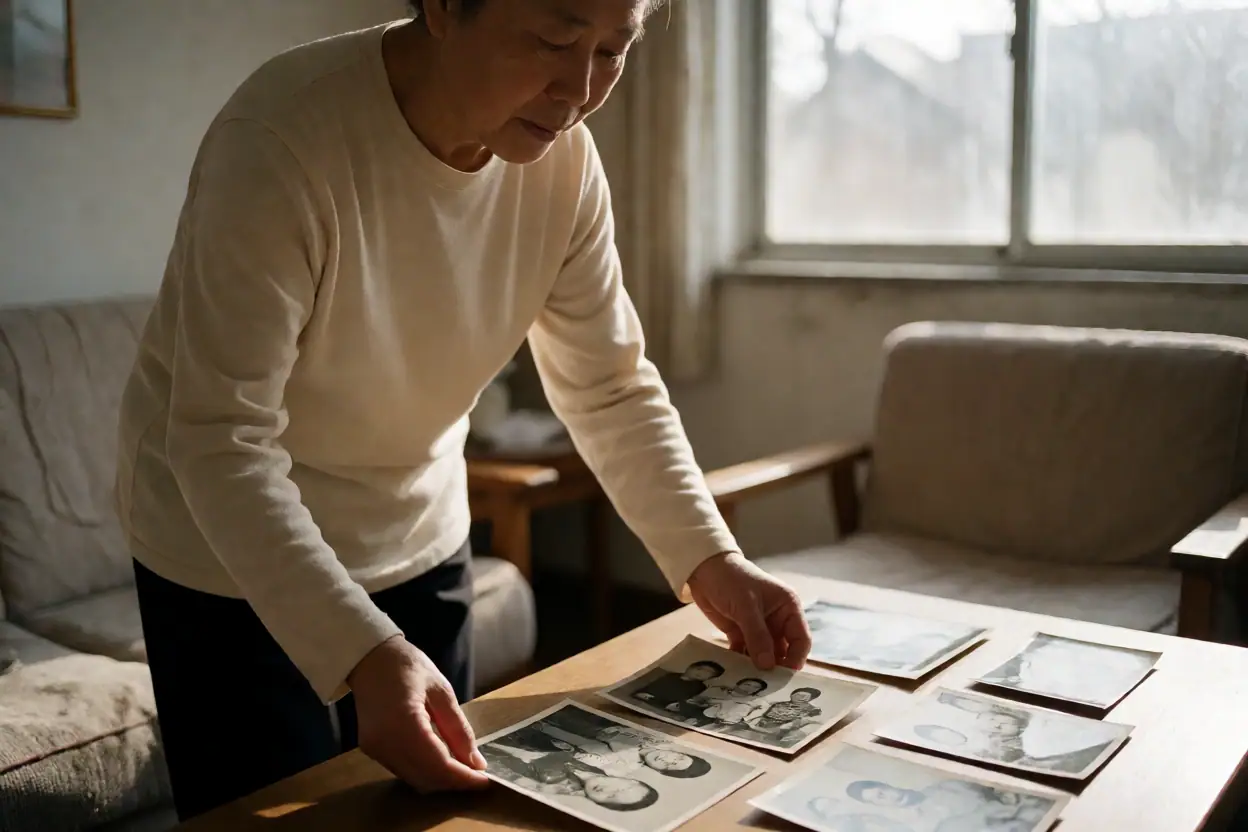
Many settlement names contain regional markers such as “zhuang,” “ji,” “tun,” “dian,” and “zhai,” some of which may be associated with the surnames of early inhabitants. However, place names and surnames do not correspond on a one-to-one basis; identifying a specific family branch still requires comprehensive research using genealogies, local gazetteers, inscriptions, and family memory.

Analysis of Yang Generation-Name Materials from Shandong and Clues for Tracing Ancestral Origins
2026-10-06 · Source Notes
Yang generation names in different parts of Shandong display considerable diversity and are distributed across a wide area. Different transmission records remain in Jinan, Zibo, Linyi, Tai’an, Tengzhou, and elsewhere, but identical generation names alone are insufficient to prove common ancestry. Each case still needs to be checked against genealogies, ancestral places of residence, migration memories, and local gazetteers.
The Compilation of the Duan Genealogy in Xiaowu, Tengzhou, and Family Memory
2026-10-06 · Source Notes
Existing materials on the transmission history of the Duan family of Xiaowu, Tengzhou, Shandong, concern Duan Rixin’s relocation to Tengzhou, successive genealogy revisions, the arrangement of generation names, and inscriptions in the ancestral cemetery. These records may serve as clues for ancestral research, but the specific lineage still requires careful verification against genealogies, local gazetteers, and physical materials.

The Regional Distribution of the Zhan Family as Recorded in Ming and Qing Genealogies
2026-10-06 · Source Notes
Existing catalogued records show that Zhan genealogies are scattered across Anhui, Fujian, Liaoning, Zhejiang, Guangdong, Sichuan, and other regions, with editions including printed and manuscript versions from the Ming and Qing dynasties. Organizing these documents can provide an entry point for understanding local branches, migration clues, and genealogy-compilation traditions, but specific lineages must still be verified item by item against the original genealogical texts, local gazetteers, and family materials.
Jiang Genealogies and Migration Clues: From Surname-Origin Legends to Analysis of Branch Genealogies
2026-10-06 · Source Notes
The Jiang surname has traditionally been explained as belonging largely to descendants of the Ji surname who took their surname from a state name, but multiple origins and different branches may also have existed historically. Existing genealogies from the Qing dynasty and the Republican period are distributed across many regions; genealogies, local gazetteers, and family memory can be used together to analyze migration and lineage.
Genealogical Clues Found in the Eighth Volume of the Jianhu Hall He Family Genealogy
2026-10-06 · Source Notes
Existing materials show that the Jianhu Hall He family genealogy is divided into the Cheng, Xin, and Zuo branches, among others, and includes multiple volumes of introductory sections. The eighth volume can serve as an entry point for researching He family branches, generation names, and migration clues, but the specific lineage still requires further verification against the genealogy pages, local gazetteers, and family memory.
Quan Generation Names and Regional Branches: Family Heritage as Seen Through Generation Verses
2026-10-06 · Source Notes
Quan generation names vary across different regions. The generation verses record birth order while also expressing hopes for filial piety, fraternal affection, self-cultivation, learning, and the continuation of the family. Surname materials, genealogies, and local documents can together provide clues for tracing the origins of the Quan surname, but specific branches still require verification item by item.
The Distribution of the Quan Surname in Jiaodong and Clues for Tracing Ancestral Roots in Zhanggezhuang, Fushan
2026-10-06 · Source Notes
The Quan surname is uncommon on the Jiaodong Peninsula. Existing place names and local materials indicate a relative concentration in the Zhanggezhuang area of Fushan, Yantai. The formation of villages such as Quanjiashan and Quanjia is associated with legends of migration during the Ming dynasty, but whether the different branches share a common ancestry still requires further comparison with genealogies, inscriptions, and local gazetteers.
The Rare Xi Surname in Yantai: Migration Clues in One Family’s Memory
2026-10-06 · Source Notes
The Xi surname is extremely rare among Yantai’s population. Existing clues record the family memory of Suozhuang Village in Zhangqiu, the experience of migration to Yantai, and two legends—one explaining the surname as directional and the other tracing it to descendants of Ximen Bao. These claims still require further verification against genealogies, local gazetteers, and physical materials.
A Record of One Branch’s Migration to Hunan in the Genealogies of the Liu Family in Central Hunan
2026-10-06 · Source Notes
The surviving introductory volume of the Eight-Revised Genealogy of the Liu Family in Central Hunan records legends concerning the origin of the Liu surname, the ancestor who migrated to Hunan, and the division and spread of family branches around Xiangxiang. The genealogical information can serve as a clue for ancestral research, but the ancestral origins, lineage, and relationships among branches still require item-by-item comparison with the original genealogy, local gazetteers, and family materials.
The Second Volume of the Liu Genealogy: Clues for Tracing Family Origins Through Genealogical Records
2026-10-06 · Source Notes
Existing catalog information indicates that this second volume of the Liu Genealogy is dated from 1275 to 1943 and contains 121 pages, forming part of the Liu family’s genealogical materials. Based on the information available for viewing, this article summarizes its basic research value and explains the methods of analysis that should be kept in mind when using it.
Analyzing Manchu Surnames and Family Origins Through Clues Concerning the Fu Surname
2026-10-06 · Source Notes
Existing accounts of the origins of the Manchu Fu surname and the Fucha clan address several aspects, including former Jurchen surnames, surnames derived from place names, the Eight Banners system, and the adoption of Han surnames. The histories of different branches are not the same and must be verified from generation to generation against genealogies, local gazetteers, and family memories; clan affiliation cannot be determined from a surname alone.
Clues to the origins and branches of the Liu surname: from legends of Liu Xia Hui to the various branches in Yunhe
2026-10-06 · Source Notes
Existing clues in Liu genealogical records link legends about the origin of the surname with residence in Hedong and migrations to southern Zhejiang, Fujian, and Guangdong. However, the dates of some generations and the names of certain places still require cross-checking against original genealogies, local gazetteers, and epitaphs. These materials cannot be used to conclude that all people surnamed Liu descend from the same lineage.
Tracing the roots of the Liu surname in Hebei: from legends of Liu Xia Hui to an examination of family genealogies
2026-10-06 · Source Notes
Traditional Liu genealogies often regard Zhan Qin, also known as Liu Xia Hui, as an important ancestor and trace the surname back to the Liu Xia fief in the state of Lu. The formation of the Hebei Liu lineage must also be checked against specific branch genealogies, migration records, local gazetteers, and family memories; people with the same surname are not necessarily members of the same clan or branch.
Genealogical clues and methods for tracing roots in The Genealogy of the Xiaoyin Gong Branch of the Wenhua Liu Clan
2026-10-06 · Source Notes
Existing catalog records indicate that The Genealogy of the Xiaoyin Gong Branch of the Wenhua Liu Clan is a Liu genealogy organized around the “Xiaoyin Gong Branch.” It is a substantial work, but its specific compilation date, geographical scope, and genealogical contents still require further verification against the genealogy pages, local gazetteers, and family materials.
The Anhui Dongzhi Yu surname legend: from an old Sima surname to local memories of migration
2026-10-06 · Source Notes
Local memories of one Yu-surname branch in Dongzhi, Anhui, recount how its ancestors changed their surname to escape turmoil, moved through Pengze and Wangjiang in Jiangxi, and later settled in Dongzhi. These accounts combine family legends with clues about migration and still require cross-checking against genealogies, local gazetteers, and documentary sources.
People bearing the Bei surname and memories of its branches: from historical figures to tracing family roots
2026-10-06 · Source Notes
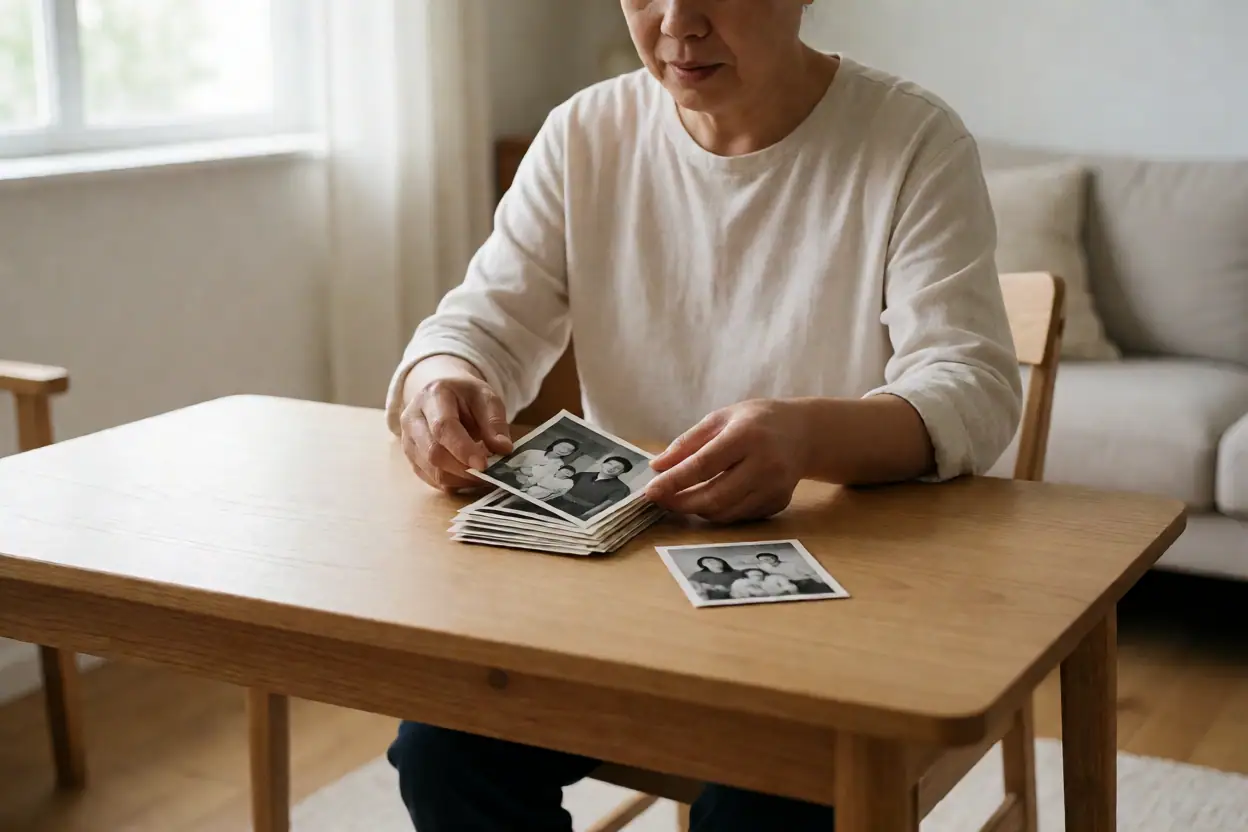
People bearing the Bei surname appear in records from the Eastern Han, the Southern Dynasties, the Tang and Song, and the Ming and Qing periods, with areas of activity including present-day Zhejiang, Jiangsu, and Henan. The relevant records include both official histories and documentary clues, as well as traditions transmitted through genealogies; each item must be checked against genealogical records, local gazetteers, and family memories.
Why tracing the roots of the Bei surname can result in an unnamed ancestor in the family genealogy
2026-10-06 · Source Notes
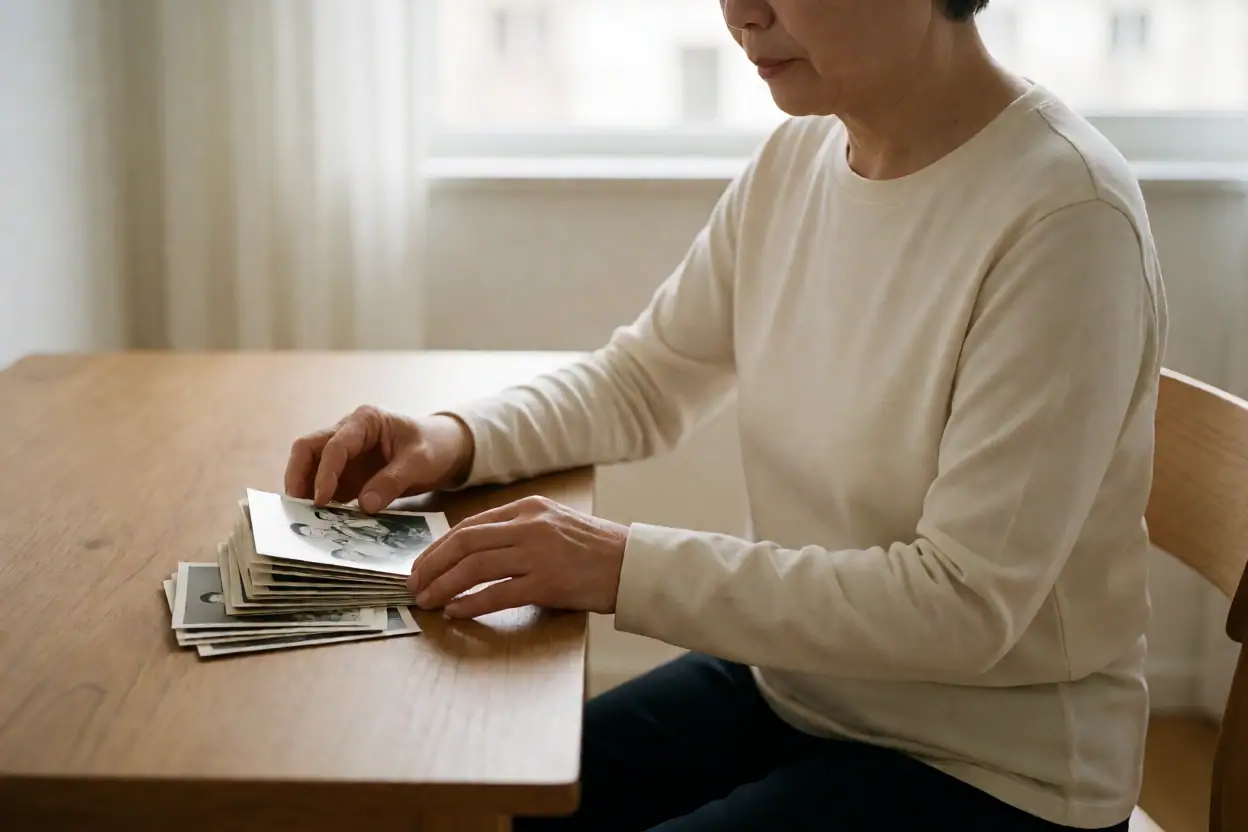
A descendant of the Bei surname living overseas tried to trace a family branch in Suzhou, only to find that the genealogy in hand shared similarities with local Bei-surname materials while also containing gaps. This case shows that clan relationships cannot be determined solely from a surname and portions of a genealogy.

The Lian clan ancestral hall in Nanfenggou, Xiangyuan, and clues for tracing the Di Lian surname
2026-10-06 · Source Notes
An ancestral hall of the Lian clan is preserved north of Nanfenggou Village in Guhan Town, Xiangyuan County. Public records state that it was first built in the 12th year of the Qing Daoguang reign, and the surviving structures display characteristics of Qing-era architecture. The site may serve as a clue for research into local architecture and surname culture, but it is not sufficient to prove a direct genealogical connection with the Di Lian surname.
Completion of the ancestral rites at the Lian Family Ancestral Hall in Lianjia Geduo, Linfen, and family memory
2026-10-05 · Source Analysis
Lianjiageduo Village in Linfen, Shanxi, once held a completion celebration for the Lian Clan Ancestral Hall and a Jinzu ceremony, attended by representatives of Lian clanspeople from several regions and local members of the clan. The relevant records document the construction of the ancestral hall, ancestral rites, and communication among clan members, while also indicating that further efforts to trace family roots still require verification against genealogies and local sources.
Shangdang Lian Family Ancestral Hall: Family Memory and Clues for Tracing Roots in Surviving Historic Architecture
2026-10-05 · Source Analysis
The Shangdang Lian Family Ancestral Hall, located in the Lianglou Scenic Area of Xiangyuan, combines the value of historic architecture, an ancestral worship space, and family documents. Surviving halls, inscribed steles, genealogies, and local gazetteers offer a way to observe the memories and migration narratives of Lian family branches, but specific lineages still require item-by-item verification.
The Origins and Development of the Da Surname and the Guangling Hall Tradition: From Surname Memory to Genealogical Research
2026-10-05 · Source Analysis
The Da surname has multiple accounts of origin. Sources commonly mention Guangling Hall as well as Guangling, Jiangdu, and Henan, and the surname is also found in Jiangxi, Fujian, Guangdong, Zhejiang, Taiwan, and elsewhere. Whether Da families in different regions share the same ancestry still requires item-by-item verification through genealogies, local gazetteers, and family memory.

Assessing Literary Materials on the Wei (巍) Surname and Clues for Tracing Roots
2026-10-05 · Source Analysis
Existing public sources confirm that the cultural section on the Wei (巍) surname includes relevant idioms and literary information, but they are not yet sufficient to establish a complete directory of Wei-surname writers or a lineage of their works. Such materials should be organized by distinguishing surnames with similar written forms, such as 巍 and 魏, and by verifying each item against genealogies, local gazetteers, and family memory.
A Study of the Origins of the Situ Surname: Official Titles, Places of Origin, and Parallel Family Traditions
2026-10-05 · Source Analysis
Situ is a surname with multiple origins, and related records concern official titles, place names, and branches in different localities. One account links the surname to Ren through Xue Ping’s appointment as Supervising Situ during the Tang dynasty, but this claim still requires item-by-item verification against genealogical records, official histories, and local documents. It cannot be used to conclude that all Situ families share a single origin.

From the Culture of the Character “解” to the Literary Memory of the Xie (解) Surname: A Cautious Approach to Tracing Roots
2026-10-05 · Source Analysis
Existing leads present idioms, stories, and literary features related to the character “解,” but they are not yet sufficient to confirm specific poets, writers, or lineages of the Xie (解) surname. Beginning with surname identification, documentary verification, and the organization of family memory, this article explains how to use literary materials concerning the Xie surname with due caution.
Examining the Personal Memories and Family Lineages of the Xie (解) Surname
2026-10-05 · Source Analysis
Existing materials record figures including Xie Xuezeng, Xie Tiege, and Xie Zhongjun, covering the defense of Yangzhou during the transition from the Ming to the Qing, official careers during the Yuan dynasty, and modern commerce and education. These biographies may serve as clues for tracing roots, but specific lineages, regional affiliations, and relationships between branches still require verification against genealogies, local gazetteers, and original archives.
Genealogical Traditions and Clues for Tracing the Wei (危) Surname through a Genealogy Preface
2026-10-05 · Source Analysis
A preface to a revised Wei (危) family genealogy, signed by Xu Qiong, discusses ancestral traditions, the Fuzhou branch, Linchuan Songyuan, and the Litang tradition, while emphasizing the importance of genealogy compilation for distinguishing degrees of kinship and clarifying ethical relationships. The content may serve as a clue for tracing the Wei surname, but it still requires verification against genealogy copies, local gazetteers, and material evidence.
Migration Clues and Genealogical Analysis of the Peng Family in Pingshan, Sichuan
2026-10-05 · Source Analysis
The Peng families in Pingshan, Sichuan, and the areas on both sides of the Jinsha River have preserved family memories of entering Sichuan with military forces during the Ming–Qing transition and settling there after laying down their arms. Existing accounts mention figures including Peng Youxue, Peng Shouxian, and Peng Shi, but their lineages, official positions, and migration relationships still require cross-verification through genealogies, local gazetteers, tomb inscriptions, and other materials.
The Shuanggui Hall Tang Family Genealogy: From Genealogical Clues to Tracing Family Roots
2026-10-05 · Source Analysis
The currently available 《Shuanggui Hall Tang Family Genealogy》 is the first volume of a 21-volume edition. Page information indicates that the complete genealogy is substantial in scale, but its publication and revision dates, place of compilation, and specific branch still require verification against the genealogy pages and local documents. This article organizes the usable clues and explains the process for verifying Tang family origins.
Access Clues and Research Methods for the Thirty-Third Volume of the Tang Family’s Fifth Revised Genealogy
2026-10-05 · Source Analysis
Existing records indicate that the 《Tang Family’s Fifth Revised Genealogy》, Volume 33, belongs to a Tang family genealogy compiled in separate volumes. Since its specific compilation date, region, and internal lineage records have not yet been verified, this article only organizes the information that can be confirmed and explains the points to consider in further research into family origins.
Access and Genealogical Research Clues for Volume One of the Sanxiang Tang Family’s Seventh Revised Genealogy
2026-10-05 · Source Analysis
Existing records indicate that the 《Sanxiang Tang Family’s Seventh Revised Genealogy》 is divided into multiple volumes, with Volume One marked as containing 1158 pages. Publicly available clues have not yet identified its compilation date, founding ancestor of the migration, compiler, or specific region. When consulting it, readers should consider the prefaces and postscripts, editorial notes, lineage records, and migration accounts within the genealogy, and assess branch relationships cautiously.
Reading Family Genealogies and Tracing Roots through the Tang Family’s Seventh Revised Genealogy
2026-10-05 · Source Analysis
Existing materials indicate that Volume 1 of the 《Tang Family’s Seventh Revised Genealogy》 belongs to a genealogy compiled in separate volumes, listed from Volume 1 through Volume 14, with preview information for the first volume showing 86 pages. Since the compilation date, region, and complete genealogy pages are still unavailable, this article only organizes the clues that can be confirmed and outlines directions for further research.
The Origins of the Pu Surname and Naming Practices: From Surname Clues to Family Lineages
2026-10-05 · Source Analysis
Materials on the Pu surname concern pre-Qin place names, legendary lineages, and modern naming practices, but different branches still require cross-verification through genealogies, local gazetteers, tomb inscriptions, and other materials. Names may be chosen by considering pronunciation, written form and meaning, family generation-name sequences, and hopes for everyday life.
Famous Figures of the Dong Surname and Family Lineages: From Historical Figures to Clues for Tracing Roots
2026-10-05 · Source Analysis
Historical figures with the Dong surname appear in fields including philosophy, politics, the military, the arts, and business. This article reviews representative figures such as Dong Zhongshu, Dong Biwu, Dong Cunrui, Dong Qichang, and Dong Mingzhu, and explains how genealogies, local gazetteers, and family memory can be used to distinguish relationships among branches.
The Cuan Surname: A Cautious Examination from Complex Character Forms to Clues for Tracing Roots
2026-10-05 · Source Analysis
Cuan is one of the Chinese surnames with a large number of strokes and an unusually distinctive pronunciation and written form. Existing accounts of its origin involve clues related to official positions, fiefdoms, and graphic variants or phonetic loans, but the traditions of different regions and family branches still require item-by-item verification against genealogical records, local gazetteers, and family memory.
Migration Clues and Branch Analysis of the Shangguan Surname in Hunan
2026-10-05 · Source Analysis
Local records concerning the Shangguan surname in Hunan mention Xiangtan, Liling, Yiyang, Taoyuan, Shimen, and other places. Some branches have preserved records of their founding migrant ancestors, migration dates, generation-name sequences, and genealogy revisions. Whether Shangguan families in different regions share the same ancestry still requires further verification against genealogical records, local gazetteers, and family evidence.
The Li Family Genealogy and Generation Names: Tracing Branch Lineages through Genealogical Clues
2026-10-05 · Source Analysis
The Li surname has a long history, and surviving genealogical records are found in Jiangsu, Zhejiang, Hunan, Guangdong, Sichuan, and elsewhere. Generation names and genealogy-revision records from different regions can provide clues for tracing roots, but sharing a surname does not necessarily mean sharing the same ancestry; specific lineages still require verification against original genealogies, local gazetteers, and family memory.
Generation-Name Materials for the Lü Surname and Methods for Tracing Roots through Family Genealogies
2026-10-05 · Source Analysis
The Lü surname is widely distributed, and existing materials record several sets of generation names from Shaoguan, Daxian, Yongchuan, Laiyang, Yangjiang, and other places. Generation-name sequences from different regions do not necessarily indicate shared ancestry; confirming lineages still requires item-by-item comparison with genealogies, tomb inscriptions, local gazetteers, and family memory.
Distribution of Generation Names among Shang Families and Methods for Distinguishing Genealogical Clues
2026-10-05 · Source Analysis
Existing materials indicate that Shang family generation names appear in multiple local genealogical traditions across Guangxi, Northeast China, East China, Southwest China, and North China. Generation names can serve as clues for locating genealogies, but cannot alone prove shared ancestry or origin; they must still be checked layer by layer against ancestral places, migration records, genealogies, and local gazetteers.
Family Memory of the Hengzheba Peng Family in Xinhua Village, Yongshun, Western Hunan
2026-10-05 · Source Analysis
Hengzheba in Xinhua Village, Yongshun, Hunan, preserves rich memories of the Peng clan’s settlement, changes in the village, and Tujia place-name culture. Existing accounts include migration legends, surviving old houses, and traditions of mutual assistance within the clan, but the identity of the founding ancestor, the dates of migration, and the links between generations still require further examination against genealogies, inscriptions, and local gazetteers.
Tracing the Branch Migrations of the Peng Clan of Haogutang, Susong, through the Migration Preface
2026-10-05 · Source Analysis
The Peng Clan’s Sixth Revised Migration Preface from Haogutang, Susong, Anhui, uses genealogical narratives and place-name records to connect the process by which one branch of the Peng clan moved from its former home in the north and gradually dispersed to various places in the Jiangnan region. The text mentions places including Longxi, Poyang, Raozhou, and Susong, demonstrating the value of clan genealogies in preserving memories and distinguishing between branches.
Family Memories and Clues for Tracing the Roots of the Peng Surname in Jieshang, Baide, Xingren, Guizhou
2026-10-05 · Source Analysis
An extant set of family records of the Peng surname in Jieshang, Baide Town, Xingren, Guizhou, contains lists of people, generation characters, and orally transmitted migration information. As the old genealogy has been damaged, the first migrating ancestor and the precise genealogical lineages still await verification and may be further traced through interviews, local gazetteers, and related genealogies.
Understanding Lü Buwei and the Limits of Tracing Lü Ancestry Through The Annals of Lü Buwei
2026-10-05 · Source Analysis
The Lüshi Chunqiu is an important classic compiled under Lü Buwei’s direction in the late Warring States period. It consists of the Twelve Annals, Eight Discussions, and Six Discourses. It helps us understand the intellectual convergence of the time and Lü Buwei’s political and cultural activities, but it cannot be used directly as proof of the Lü clan’s lineage or migration relationships.
From Xue Tinghui to Shiting: Migration Clues Found in the Putian Xue Genealogy
2026-10-05 · Source Analysis
An extant Xue genealogy traces the Putian Xue lineage from the Taiping Xingguo period through the Republican period, covering places such as Jihuan, Shiting, and Fengting. The genealogy contains records of lineages and migrations, while also raising questions about disorder caused by warfare, incomplete genealogical records, and the identification of branch lines that require further verification.

Woodblock Prints in Genealogies: Recording Ancestors, Residences, and Ritual Memory
2026-10-05 · Source Analysis
Woodblock prints in traditional genealogies were not merely decorative, but served as a recording method that complemented written lineages. Images of villages, burial grounds, ancestral halls, portraits of ancestors, and academies preserve the clan's understanding of its forebears, spaces, and rituals, while also providing clues for genealogical research and ancestral searches today.
A Study of the Origins and Branches of the Hunan Xue Clan: Migration Patterns and Genealogical Memory
2026-10-05 · Source Analysis
Existing genealogies and local gazetteers indicate that the Xue clan is widely distributed across Hunan, with relevant records found in Ningxiang, Yiyang, Taoyuan, Yizhang, Jiahe, and Pingjiang. The founding migration dates, ancestral origins, and lineages of different branches vary, so tracing one's roots still requires item-by-item verification against genealogies, local gazetteers, and family documents.
Naming Girls with the Surname Jin and Tracing Family Roots: Approaching Surname Culture Through Names
2026-10-05 · Source Analysis
Naming a girl with the surname Jin requires consideration of pronunciation, meaning, and written form, while inspiration can also be drawn from family memories and regional traditions. A name carries personal hopes, while surname records, genealogies, and local gazetteers help people understand their family history more carefully.
He County Xie Genealogy Clues and a Path for Ancestry Verification
2026-10-05 · Source Analysis
Existing materials indicate that the Longpi Xie Continued Genealogy, recompiled in the twelfth year of the Guangxu reign, records the origins and branches of the Xie clan, as well as information about scattered settlements in parts of Jiangxi. However, it is not yet sufficient to prove a direct connection with the Xie clan of He County, Anhui; further verification is needed through the original genealogy, local gazetteers, and family traditions.
Xing County Feng Genealogy Clues and An Analysis of Ancestral Connections
2026-10-05 · Source Analysis
Existing materials show only that the First Jointly Revised Genealogy of the Gan-Fujian Feng Clan covers Ninghua in Fujian, Xingning in Guangdong, and parts of Jiangxi. They are not yet sufficient to prove a direct clan relationship with the Feng clan of Xing County in Lüliang, Shanxi. Tracing one's roots still requires layer-by-layer comparison of genealogies, local gazetteers, family memories, gravestones, and other materials.

Yiyang Li Genealogy Clues: From Migration from Xinhua to Branch Generation Characters
2026-10-05 · Source Analysis
A fragmentary surviving volume of the Li Genealogy, revised for the third time in the fifth year of the Tongzhi reign, records clues that Li Jiuwan moved from Jiangxi to Xinhua and that Li Siming later moved to the Yiyang area. It also preserves generation-name characters for the sixth, eighth, ninth, and tenth branches, and can serve as a starting point for tracing the roots of the Yiyang Li clan and checking genealogical records.
Naming a Baby with the Surname Pang: From Choosing Meaningful Characters to Family Continuity
2026-10-05 · Source Analysis
Naming a baby with the surname Pang requires consideration of pronunciation, written form, and meaning, as well as attention to generational names, migration clues, and local traditions. Existing materials indicate that the Pang clan may have multiple origins, so names should be based on verifiable genealogical records, avoiding assumptions about clan relationships based solely on a shared surname.
Compiling Genealogies with Wooden Movable Type: Continuing a Craft and Family Memory
2026-10-05 · Source Analysis
The tradition of printing genealogies with wooden movable type is still preserved in the Dongyuan area of Rui'an, Zhejiang. Compiling a genealogy involves more than typesetting and printing; it also includes collecting materials, checking lineages, documenting ancestral halls, and organizing local memories. When different versions of a family narrative exist, ancestral research should rely on the mutual corroboration of genealogies, local gazetteers, and physical materials.
Wooden Movable-Type Genealogy Compilation: Family Memories Between the Pages
2026-10-04 · Source Analysis
The tradition of compiling genealogies with wooden movable type can still be seen in the Dongyuan area of Rui’an, Wenzhou. Genealogy craftsmen continue family memories by hand-setting type, applying ink, printing pages, and binding volumes, while also reminding people to distinguish shared surnames from genuine genealogical connections when tracing their roots.
Zhangpu Haiyun Ancestral Hall: Clues to Migration Across Fujian and Taiwan in Ancestral Hall Records
2026-10-04 · Source Analysis
Haiyun Ancestral Hall in Wujiang, Zhangpu, is an important ancestral hall of the Wushi Lin clan. Its surviving architecture, records of imperial examination figures, and memories of exchanges across the Taiwan Strait together reveal the continuity of Minnan lineage culture. Relevant ancestral origins, branches, and cross-strait genealogical connections still need to be checked individually against genealogies, local gazetteers, and family documents.
Restoration of the Former Shanghang Normal School Training Institute and Memories of Local Cultural Heritage
2026-10-04 · Source Analysis
The former site of the Shanghang Normal School Training Institute preserves memories of modern teacher education and Taiwan-related cultural artifacts. The restoration focuses on preserving its historical appearance, while also providing concrete clues for observing changes in modern Shanghang society through local gazetteers, family memories, and regional family-root research.

Jiangnan Historical Memory and Research into the Sima Surname Through an Ancient Tomb in Yuhang
2026-10-04 · Source Analysis
An archaeological survey and excavation was conducted at a site in Yuhang, Hangzhou, uncovering tombs from the Han dynasty and the Eastern Jin and Southern Dynasties. These findings provide material clues for understanding local tomb structures and burial customs. Materials from the ancient tombs can help illuminate regional history, but cannot directly establish a genealogical connection to any particular surname or family.
Quannan Zeng Ancestral Hall: Where Architectural Remains Meet Collective Memory
2026-10-04 · Source Analysis
The Zeng ancestral hall in Zhenzai Village, Chengxiang Town, Quannan County, Jiangxi, is regarded in relevant sources as a surviving Hakka ancestral hall. Its architectural scale, construction date, and ritual traditions convey historical memories of local clan-based settlement and reverence for ancestors, while also providing clues for Zeng family root research and the study of local history and culture.
From “Surname” to “Full Name”: Family Changes Behind Forms of Address
2026-10-04 · Source Analysis
“Xing” and “shi” were not always equivalent to today’s surname and given name. They once served to distinguish lineage, branches, status, and place of residence. Later, as social institutions and household-registration terminology changed, they gradually gave rise to the modern structure of a “full name.” Understanding this process can also support more cautious family-root research.
Exploring the Origins and Development of the Che Surname: From Song-Dynasty Examination Records to Modern Root Research
2026-10-04 · Source Analysis
Based on historical sources and genealogical records, this article traces the early distribution of the Che surname in Shandong, Zhejiang, and other regions, as well as its achievements in the Song-dynasty imperial examinations. It also examines the cultural heritage of the Che family in Shaoyang, Hunan, considers the need for caution in understanding people who share a surname but not a lineage, and introduces ways to connect family memories through genealogies and local gazetteers.

The Migration History and Historical Figures of the Yuzhang Qi Clan in Jiangxi: From the Jin-Dynasty Founder to Ming- and Qing-Dynasty Ancestral Halls
2026-10-04 · Source Analysis
This article traces the evolution of the Qi surname in Jiangxi, focusing on the historical context in which Qi Jizhi settled in Yuzhang after entering Jiangxi during the Jin dynasty. Drawing on surviving ancestral halls and genealogical records in Gao’an, Jinzhai, and other places, it examines the multiple theories concerning origins from the Fangfeng clan and surnames bestowed during the Zhou dynasty, and compiles accounts of representative figures from different periods, including Qidiao Kai and Qi Deyan, to provide an objective reference for tracing family roots and ancestry.
Tracing the Origins and Development of the Qi Clan: The Continuity of Lineage Through Historical Migration
2026-10-04 · Source Analysis
The Qi surname has a distinctive historical origin and development in China. This article traces its main migration routes and regional distribution, and explores how different branches evolved over the course of history, offering a cultural perspective and reference clues for members of the Qi clan tracing their roots and ancestry.
Differences Between Branches and Source-Based Research in the Evolution of Generation Names in Qi Genealogies
2026-10-04 · Source Analysis
The Qi surname has numerous branches, and different regions developed distinctive generation-name sequences over the course of long-term migration. Drawing on local gazetteers and genealogical records, this article traces accounts of generation names, founding ancestors, and origins in Qi genealogies from Liling, Suining, and other places, and explores the role of family memory in historical continuity, providing a reference for clan members tracing their roots.
Shanghang Hakka Genealogy Museum: Connecting Kinship Across the Taiwan Strait Through Genealogies
2026-10-03 · Source Review
Established in 2000 and completed and opened to the public in 2009, the Shanghang Hakka Genealogy Museum houses genealogies and related documents, ancestral charts, and other materials from Hakka areas of Fujian, Guangdong, and Jiangxi. It preserves local family memories while also providing important clues for Hakka people in China and overseas pursuing their roots, connecting genealogical records, and engaging in cultural exchange.
The “Wen” Surname and the Compound Surname “Wenren”: Etymology, Legends, and Clues for Tracing Ancestry
2026-10-03 · Source Review
The relationship between the “闻” surname and the “闻人” compound surname has long been subject to various interpretations. Drawing on character forms, ancient texts, place names, and genealogical materials, this article organizes relevant clues for reference and explains how genealogies, local gazetteers, and family memories can be used together to further verify lineage.
Distribution of the He Surname and Family Root-Tracing: From Organizing Clues to Verifying Lineages
2026-10-03 · Source Review
Materials on the He surname indicate that related distributions can be found today in Shangyi, Hebei; Pingdu, Shandong; Taiyuan, Shanxi; and parts of Henan, Fujian, Guangdong, Guangxi, and Xinjiang. Whether He families in different areas share a common ancestry still requires branch-by-branch verification using genealogies, local gazetteers, tomb inscriptions, and family memories.

A Review of the Kuang Family’s Literary Tradition and Cultural Lineage
2026-10-03 · Source Review
Materials on the Kuang family’s literary tradition include poetry, biographical clues, and family cultural memories. Existing records can serve as a starting point for research and tracing ancestry, but the identities of the poets, attribution of the works, and relationships among branches in different regions still require item-by-item verification using genealogies, local gazetteers, and family documents.
Qingming Memories of Chongyun Xu: From Market-Town History to Tracing the Kuang Family’s Roots
2026-10-03 · Source Review
Chongyun Xu is located in the area of Baisha Town, Taishan, and once became a regional transportation hub because of waterway traffic and commercial exchanges. Around Qingming, descendants of the Kuang family return from various parts of China and overseas to worship their ancestors and seek relatives in Zhongxin Village. The market town, ancestral hall, and family memories together form a local narrative that has continued to the present day.
Figures of the Chu Surname and Migration Clues: From Poets to Distinguished Local Officials
2026-10-03 · Source Review
Historical figures bearing the Chu surname appear in sources dating from the Tang and Song dynasties through the Ming dynasty. They include scholars known for landscape and pastoral poetry, as well as officials involved in government service, gazetteer compilation, and local administration. Related genealogies also preserve migration clues concerning Danyang, Ninghai, and other places, but specific lineages still require item-by-item comparison with genealogies, local gazetteers, and primary sources.
Reading Genealogies and Tracing Ancestry Through a Shang Family Genealogy
2026-10-03 · Source Review
For a multivolume genealogy identified as belonging to the Shang family, currently available public information mainly indicates its volume structure and consultation records, and is not yet sufficient to confirm its specific compilation date, regional branches, or complete lineage. When reading materials of this kind, genealogical pages, local gazetteers, family memories, and multiple forms of evidence should be combined for gradual verification.
What Can Be Seen in Images of a Shang Family Genealogy and Clues for Tracing Ancestry
2026-10-03 · Source Review
A genealogy identified as the Shang Family Genealogy is catalogued as 26 volumes plus two opening volumes, and information on related volumes and some image pages is currently available. Its value lies in preserving documentary clues concerning the Shang family, but its specific branches, regions, and lineage still require further verification using genealogical pages, local gazetteers, and family memories.
Clues from Yu Family Genealogies in Zhejiang: Organizing Genealogical Records from Xiaoshan and Pujiang
2026-10-03 · Source Review
Existing genealogy catalogs indicate that materials on the Yu family in Zhejiang mainly concern Xiaoshan, Pujiang, and other places, including both Qing-dynasty reprints and modern and contemporary continuation editions. Records of founding ancestors, migrations, and generation names are not entirely consistent among the different genealogies; when tracing ancestry, each item should be checked against branch affiliations, place names, and family documents.
Clues from Jiang Family Genealogies in Hebei and Paths for Tracing Ancestry
2026-10-03 · Source Review
Existing catalog clues indicate that a six-volume Jiang family genealogy once existed in the Qingxian area of Hebei. It records the claim that Jiang Fuyou was the founding ancestor who migrated there during the Ming dynasty. This clue still requires further verification against the original genealogy, local gazetteers, and family traditions.
How to Pronounce the Ge Surname: Distribution Clues and Methods for Tracing Its Origins
2026-10-02 · Source Review
The Ge surname is pronounced “gē,” and records of its distribution can be found in many places. The origins of the surname, its prominent lineage in Linhai, migration routes, and branches in different regions still need to be checked individually against clan genealogies, local gazetteers, family documents, and burial-site records; sharing the same surname alone is not enough to establish that people belong to the same lineage.

Zixi Shao Clan Genealogy: From Volume Records to Family Origins Research
2026-10-02 · Source Review
Existing records show that the Zixi Shao Clan Genealogy is a multivolume genealogy, with the available material being Volume 22 and containing 144 pages available for preview. The compilation date, first ancestor to migrate to the area, branch distribution, and generation-name information still require further verification against the original genealogy pages, local gazetteers, and family documents.

Chronological Information and Family Origins Research Value of the First Volume of the Shao Clan Genealogy
2026-10-02 · Source Review
The first volume of a Shao clan genealogy, dated 1368 to 1898, contains 131 pages. Existing records confirm its title, date range, and volume number, but the specific place of compilation, first ancestor to migrate to the area, branch distribution, and genealogical details still need to be checked against the original genealogy pages and local historical sources.
Clues for Consulting Volume Three of the Yuqingtang Jiaoshi Shao Clan Genealogy
2026-10-02 · Source Review
Existing catalog information indicates that the Yuqingtang Jiaoshi Shao Clan Genealogy comprises five volumes; the available material is Volume 3, and the page indicates approximately 110 pages. This genealogy may serve as a source for understanding the branches, generational naming sequence, and migration clues of the Jiaoshi Shao clan, but the specific lineage still needs to be verified against the original text within the genealogy.

Anhui Shao Clan Generation-Name Clues and Methods for Tracing Family Genealogy
2026-10-02 · Source Review
A record of an Anhui Shao family preserves clues about the generation names of a nearby branch: “Jing—Shi (Cai)—Tian—Yuan.” However, the information has not yet formed a complete lineage. Only by comparing genealogies, place names, burial sites, and local gazetteers can its branch affiliation and migration history be determined.

Volume Two of the Gantang Shao Clan Genealogy: Distinguishing Genealogical Titles from Family Origins Clues
2026-10-02 · Source Review
Existing materials show that the Gantang Shao Clan Genealogy consists of multiple volumes, with Volume Two available for online consultation. The “Gantang” in the genealogical title may be a place name, a hall name, or a branch designation; it is not yet sufficient to confirm the Shao clan’s origins, migration routes, or specific lineage. Further examination against the genealogy pages, local gazetteers, and family memories is still required.
Volume Three of the Shao Clan Genealogy: From Genealogical Volume Clues to Family Origins Research
2026-10-02 · Source Review
Existing materials show that the Shao Clan Genealogy consists of thirteen volumes, with Volume Three available for consultation. Because the compilation date, region, first ancestor to migrate to the area, and specific lineage have not yet been verified, this article introduces its research value solely on the basis of its title and volume number, while noting that users of genealogies should be alert to unrelated lineages sharing the same surname and should corroborate information across sources.
Understanding Qing Imperial Genealogies and Clan Branches Through the Yudie
2026-10-02 · Source Review
Qing imperial genealogies centered on the Yudie, recording both the transmission of the imperial line and the distinction between the imperial clan and the Gioro. Searching surname materials, online genealogies, and local gazetteers can provide a clearer understanding of the genealogy system and how it differs from family origins research among ordinary families.
Migration Clues and Genealogical Analysis of Two Yuan Clan Branches in Hunan
2026-10-02 · Source Review
Genealogical materials concerning the Yuan clan in Hunan present migration histories for different branches, including those in Huangcai, Ningxiang, and Longdezui, Linxiang. The relevant records refer to places including Luoyang, Wuning in Jiangxi, and Lean, but the ancestral origins, lineages, and relationships among the branches still require further comparison with the original genealogies, local gazetteers, and family traditions.
Origins, Distribution, and Genealogical Analysis of the Compound Surname Dongguo
2026-10-02 · Source Review
Dongguo is a compound surname formed from a directional place name. Relevant sources often associate it with Jiyang Hall, Qi Commandery, and Henan, and it is also found in Shandong, Henan, Hebei, Jiangsu, Shaanxi, and other areas. Dongguo families in different regions may not share the same ancestry, so tracing their origins still requires examination of genealogies, migration records, and local historical sources.
Migration Clues and Genealogical Analysis of the Wutai Branches of the Rong Surname
2026-10-01 · Source Analysis
Existing materials indicate that the area around Dingxiang and Wutai in Shanxi preserves relatively detailed records of the Rong surname’s migration and branches. These materials concern settlement during the early Ming dynasty, founding ancestors of villages, and genealogical lineages, but whether Rong families in different areas share a common ancestry still requires further verification against original genealogies, local gazetteers, and family documents.
Origins and Ancestral Research on the Dai Surname: From Gaoyang Hall to Local Branches
2026-10-01 · Source Analysis
Materials on the Dai surname reflect the coexistence of multiple lines of origin, with records referring to Gaoyang Hall as well as the regional designations Gaoyang, Henan, and Pingyuan. Clues to Dai surname distribution can be found in Yunnan, Guizhou, Sichuan, Guangxi, Hunan, and elsewhere, but specific branches still require step-by-step examination against genealogies, local gazetteers, and family memories.
Ancestral Research on the Shumulu Clan: Historical Memories of Acheng and Lalin
2026-10-01 · Source Analysis
Focusing on Qing-era institutions in Alchuka and Lalin, the relocation of metropolitan bannermen, and clues related to the Shumulu clan, this article examines the links between geographic change and family memory, while emphasizing the need to cross-check genealogies, local gazetteers, and physical materials.
From the Ancient State of E to the E Surname: Historical Clues Behind Hubei’s Abbreviation, “E”
2026-10-01 · Source Analysis
Hubei is abbreviated as “E,” a designation closely connected with the ancient place names around Ezhou, the ancient State of E, and the history of Chu. Relevant texts, archaeological discoveries, and surname records together provide clues for understanding this designation, but the historical development of the ancient state and the E-surname lineage still require item-by-item verification.
Shang Surname Settlements in Shandong: Village Names, Migration, and Family Memory
2026-10-01 · Source Analysis
Various places in Shandong preserve Shang-surname settlements and clues to migration. Village names, ancestral steles, and genealogical records together reveal a local pattern of family continuity. The relevant lineages still require item-by-item verification against original genealogies, local gazetteers, inscriptions, and family memories.
Origins and Migration Clues of the Da Surname: From Guangling Hall to Lingnan, Fujian, and Guangdong
2026-10-01 · Source Analysis
Materials on the Da surname present different lines of origin involving place names, official titles, and local branches, with Guangling Hall serving as one important clue in the existing records. Descendants are found mainly in Jiangxi, Fujian, Guangdong, Zhejiang, Taiwan, and elsewhere, but whether Da families in different areas share a common ancestry must still be examined branch by branch against genealogies, local gazetteers, and family memories.
Aisin Gioro’s Historical Identity and Ancestral-Research Clues Through the Lens of Dynastic Surnames
2026-10-01 · Source Analysis
Changes of ruling dynasties were often accompanied by changes in the names used for ruling families, but a “dynastic surname” is not equivalent to a single surname in the modern sense. By considering Qing imperial genealogies, historical regions, and family memories together, Aisin Gioro’s formation, transmission, and methods of ancestral research can be understood more cautiously.
Clues to Guan-Surname Figures and Family Memory: From Source Analysis to Ancestral Research
2026-10-01 · Source Analysis
Materials on Guan-surname figures span local officials of the Ming dynasty, Qing-dynasty scholars, and contemporary agricultural experts. When organizing these clues, the figures’ activities, native places, periods, and family lineages should be verified separately, avoiding hasty assumptions of common ancestry based solely on a shared surname or place.

Guan Surname Distribution and Migration Clues: From Regional Concentration to Genealogical Ancestral Research
2026-10-01 · Source Analysis
The Guan surname has a relatively small population but a broad distribution. Existing materials identify Fujian, Guangdong, Hunan, Sichuan, and other areas as relatively concentrated regions, and record migration clues including movement southward from the north, migration from Huguang into Sichuan, and Chuang Guandong. Specific branches still require item-by-item verification against genealogies, local gazetteers, and family memories.
Methods for Analyzing Surname-Cultural Materials Through Literary Entries on the Guan Surname
2026-10-01 · Source Analysis
Literary materials concerning the Guan surname bring together idioms, fables, stories about antithetical couplets, classical poetic lines, and other content, illustrating linguistic and cultural phenomena associated with the character “官.” However, literary entries and Guan-surname family lineages are not the same type of evidence; ancestral research still requires item-by-item verification against genealogies, local gazetteers, and family memories.
Clues from Xi Surname Generation Names in Anhui and Methods for Tracing the Roots of the Ximen Compound Surname
2026-09-30 · Source Analysis
Records of Xi-surname generation names remain in the Dangshan and Lingbi areas of Anhui, but genealogies have been scattered and their continuation and revision have varied. The Xi surname and the Ximen compound surname cannot be directly regarded as belonging to the same lineage; tracing their roots still requires verification at each stage through genealogies, migration records, local gazetteers, and family memory.

An Examination of Xi Surname Distribution and Genealogical Clues in Henan
2026-09-30 · Source Analysis
Materials on the Xi surname in Henan concern areas including Mianchi and Anyang, and include accounts of descendants of Ximen Bao, the transmission of generation names, and surname changes to avoid calamity. The available clues can serve as a starting point for tracing one's roots, but the origins and development of different branches still require further verification against genealogies, local records, and family memories.
A Review of Niu Surname Materials: Branch Memories and Regional Clues
2026-09-30 · Source Analysis
Records concerning the Niu surname touch on diverse themes, including Huzhou's imperial examination culture, the migration of a family to Xinye, and the transmission of opera and paper-cutting traditions. Existing materials indicate historical clues requiring branch-by-branch verification concerning the relationship between the Niu surname and the Niu Hulu clan. Research into one's roots should examine genealogies, local records, and family memories item by item.
An Examination of Niu Clan Legends in Niu Village, Xinye, and Clues to Family Migration
2026-09-30 · Source Analysis
The Niu clan of Niu Village in Xinye, Henan, is traditionally said to have settled there during the Kangxi period of the Qing dynasty. Family memories link it to the Manchu Niu Hulu clan. The relevant accounts include migration, surname concealment, property acquisition, and the formation of the village, and still require further verification against genealogies, banner registers, and local records.
Village Memories and Clan Root-Tracing Clues of the Lao Surname
2026-09-30 · Source Analysis
Existing materials record village memories, migration legends, and ancestral-hall couplets associated with the Lao surname in Shandong, Guangdong, and other places, revealing the distinct historical development of branches in different regions. Since people with the same surname are not necessarily of the same lineage, specific genealogical lines still require careful examination against genealogies, local records, and family documents.
Tracing the Wuyue Qian Lineage through Clues to Ancestral Origins in Hangzhou
2026-09-30 · Source Analysis
The statement by an elder in the family that the great-grandparent's generation came from Hangzhou can serve only as a starting point for tracing one's roots and is not yet sufficient to establish a genealogical connection with the Qian lineage of Wuyue. Verification should begin by organizing records of recent direct ancestors, then connect each generation using Qian genealogies, local records, household registration records, and burial materials, with cross-checking against members of the same branch and multiple documentary sources.
Youhu and the Hu Surname: An Examination of Ancient-State Memories and Later Migrations
2026-09-30 · Source Analysis
Youhu appears in records dating to the Xia dynasty, while the Hu surname may be connected with legends concerning an ancient state name, a fief, and surname changes made to avoid turmoil. Existing materials also include migration clues from Zunyi in Guizhou, Huidong in Sichuan, and Lugu in Mianning, but whether the different branches share a common lineage still requires further verification against genealogies, inscriptions, and local records.
Yu Clan Fellowship in Wenshang: Ancestral Hall Memories and Genealogical Root Tracing
2026-09-30 · Source Analysis
According to relevant materials, members of the Yu clan once planned to hold ancestor worship, fellowship, and genealogy exchanges in Wenshang, Shandong, while visiting ancestral halls, ancestral graves, and local cultural remains. These accounts reflect the efforts of contemporary clan members to organize family memories and verify migration clues, but specific genealogical lines still require further examination against genealogies, inscriptions, and local historical materials.
Migration Clues and Family Memories of the Da Surname: From the Western Regions to Shaanxi and Gansu
2026-09-30 · Source Analysis
At different historical stages, the Da surname exhibited characteristics of multiple origins and a distribution spanning different regions. Existing materials include clues concerning origins in the Western Regions, settlement in Gansu during the Yuan and Ming periods, frontier garrison service in Shaanxi and Gansu, and later migration to Sichuan. However, ancestral origins, lineage sequences, and branch relationships still need to be checked individually against genealogies, local gazetteers, and family memories.
Migration Clues and Genealogical Verification of the Da Surname in Gansu
2026-09-30 · Source Analysis
Regarding the early origins and distribution of the Da surname in Gansu, existing materials provide clues concerning settlement during the early Ming, garrisoning at military guard posts, and migrations through the northwest. Since branch genealogies, local gazetteers, and family memories still require cross-verification, the relevant genealogical lines and branches in different places should continue to be assessed with caution.

Clues to the Distribution and Migration of the Xi Surname in Hebei: From Village Memories to Genealogical Verification
2026-09-29 · Source Analysis
The Xi surname is mainly found in Handan, Hengshui, Cangzhou, Baoding, and other areas, with relatively concentrated settlements in some villages. Existing materials also address the Xi surname’s early origins and migration routes, but population figures, branch relationships, and the continuity of genealogical lines still require further verification against genealogies, local gazetteers, and family memories.
Verification Paths for Legends about the Origins of the Xi Surname and Family Roots Research
2026-09-29 · Source Analysis
Accounts of the Xi surname’s origins commonly attribute it to an ancient fief, and also involve historical narratives concerning the Ji surname, the You Su clan, and Su Fensheng. Because the early genealogical spans are extensive, the location of the fief and the relationships of succession still need to be checked item by item against ancient texts, bronze inscriptions, local gazetteers, and genealogies. It is inadvisable to conclude directly on this basis that all Xi families in different regions descend from the same lineage.
Analysis of the Population Distribution and Family-Roots Clues of the Yu Surname
2026-09-29 · Source Analysis
Existing materials indicate that the Yu surname has a relatively small population, with distributions found in Shanxi as well as North, Northwest, and East China. The Yu families in different regions may not share the same ancestry; their specific origins, migrations, and generational lineages still require item-by-item verification against genealogies, local gazetteers, and family memories.
The Name of Weishi County and the Pronunciation of “尉”: Distinguishing Place Names, Surnames, and Historical Clues
2026-09-29 · Source Analysis
The character “尉” has different pronunciations in different place names, personal names, and contexts. Weishi County is generally pronounced “Wèi-shì,” while the “尉” in Yuli and Yuchi Gong is usually pronounced “yù.” The differences in pronunciation involve ancient official titles, clan names, the evolution of place names, and historical transmission; their origins cannot be determined solely from the written form of the character or from shared-surname relationships.
The Geographical Memory and Family-Roots Clues of the Ancient City of Weishi through the Legend of “Turtle Land”
2026-09-29 · Source Analysis
Because the ancient city of Weishi is higher in the middle and lower around the edges, resembling a turtle lying prone, it has traditionally been known among local people as “Turtle Land.” This has given rise to legends of Yu the Great controlling the floods, a divine turtle standing guard, and an ancient pagoda suppressing the turtle. Such local narratives should be examined cautiously in conjunction with the terrain, local gazetteers, genealogical records, and family memories.
The Wei Ancestral Hall in Jidong: Architectural Records and Family-Roots Clues from a Rural Ancestral Hall
2026-09-29 · Source Analysis
The Wei ancestral hall in Wei Village, Jidong Town, is a Qing-dynasty building, with surviving features including the entrance hall, theater stage, main hall, and side rooms. The relevant records present not only the ancestral hall’s spatial layout but also clues for members of the Wei clan researching the village’s history, genealogical lineages, and local changes.
A Study of Figures from the Wei Clan of Qinlong: From Wei Ao to Family Roots Research
2026-09-29 · Source Analysis
Wei Ao was an influential figure in the Qinlong region at the end of the Western Han dynasty and rose to prominence from Longyou. Records concerning other figures and branches of the Wei clan are relatively scattered and require item-by-item examination against official histories, local gazetteers, genealogies, and family memories.
Tracing the Roots of the Wei Clan in Fangshan: Family Lineages in Mountain-Village Memories
2026-09-29 · Source Analysis
The Luzishui area of Fangshan preserves local memories concerning the Wei clan’s settlement, migrations, ancestor worship, and opera traditions. These accounts involve origins in Shanxi, relocation during the Ming dynasty, and the transmission of generational lineages, all of which still require item-by-item verification against genealogies, gravestones, contracts, and local gazetteers.
Historical Memories of Figures from the Mu Clan and a Branch in Ruian
2026-09-29 · Source Analysis
Figures bearing the Mu surname appear in local documents, genealogies, and biographical records from the Song, Yuan, and Ming dynasties onward. The Mu clan of Ruian is known for its tradition of success in the imperial examinations, while the Mu clan of Lijiang left a historical imprint through governing border areas and facilitating cultural exchange among multiple ethnic groups. Whether Mu branches in different regions share the same ancestry still requires cautious examination against genealogical records, local gazetteers, and migration clues.
Generation Names and Family-Roots Clues of the Wang Clan in Gongjishan, Liulong, Dafang, Guizhou
2026-09-29 · Source Analysis
A record concerning the genealogy of the Wang clan in Gongjishan, Liulong Town, Dafang County, Guizhou Province preserves some information about its generation names. By examining the generation names, places of migration, and the preservation of the genealogy, family memories can be further organized and cross-checked against genealogies, inscriptions, and local gazetteers.
Clues to Migration and Analysis of Branch Lines in the Pan Family Genealogy
2026-09-28 · Source Interpretation
A relatively short Pan family manuscript records clues concerning Pan Chuba and his descendants, including Pan Zili and Pan Ziyi, and points to the distribution of clan members in Kaiping, Guangdong, Malaysia, Hong Kong, and other places. Tracing roots through such materials requires layer-by-layer verification using genealogical records, family memories, and local documents.
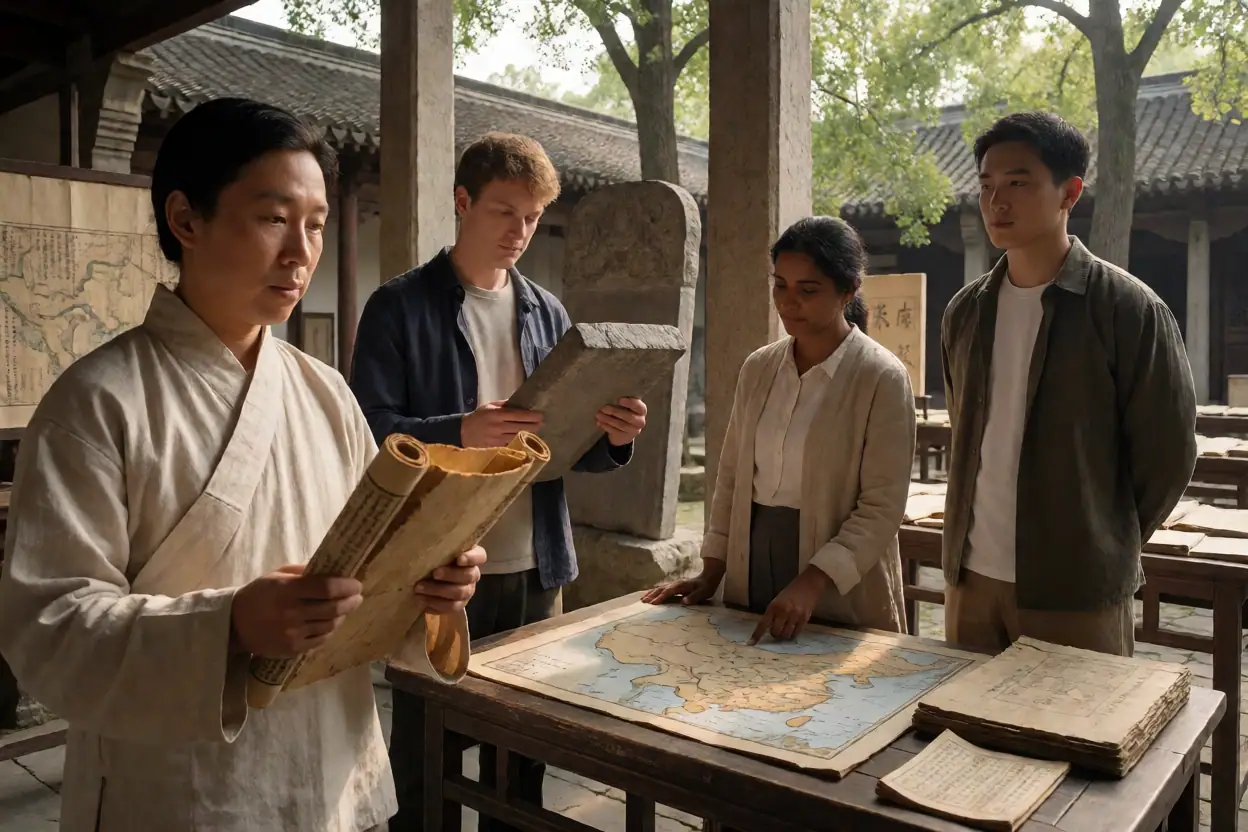
The Origins of the Ba Surname: Migration and Identity Across Diverse Genealogical Lineages
2026-09-28 · Source Interpretation
Historical narratives concerning the Ba surname include clues relating to descendants of the Ba state, branches originating in the Ba region, and the integration of different ethnic groups. Existing sources indicate that the distribution of the Ba surname is associated with place names such as Gaoping, Ba Commandery, and Henan, as well as regions including Chongqing, Sichuan, Hubei, Guizhou, and Hunan. However, specific branch lineages still require item-by-item verification against genealogies, local histories, and family memories.
Migration Clues from the Gao Family Genealogy: From Nanchang to Xishui
2026-09-28 · Source Interpretation
A Gao family genealogy from Chuanli Hall records clues indicating that one branch of the Gao family fled from Nanchang, Jiangxi, to Qishui and later multiplied in the area of present-day Xishui, Hubei. The genealogy mentions figures including Gao Gui, Gao Gong, Sanji, and Shengyi Gong, but the precise generational lineage and relationships with Gao families in different regions still require verification against the original genealogy and local historical sources.
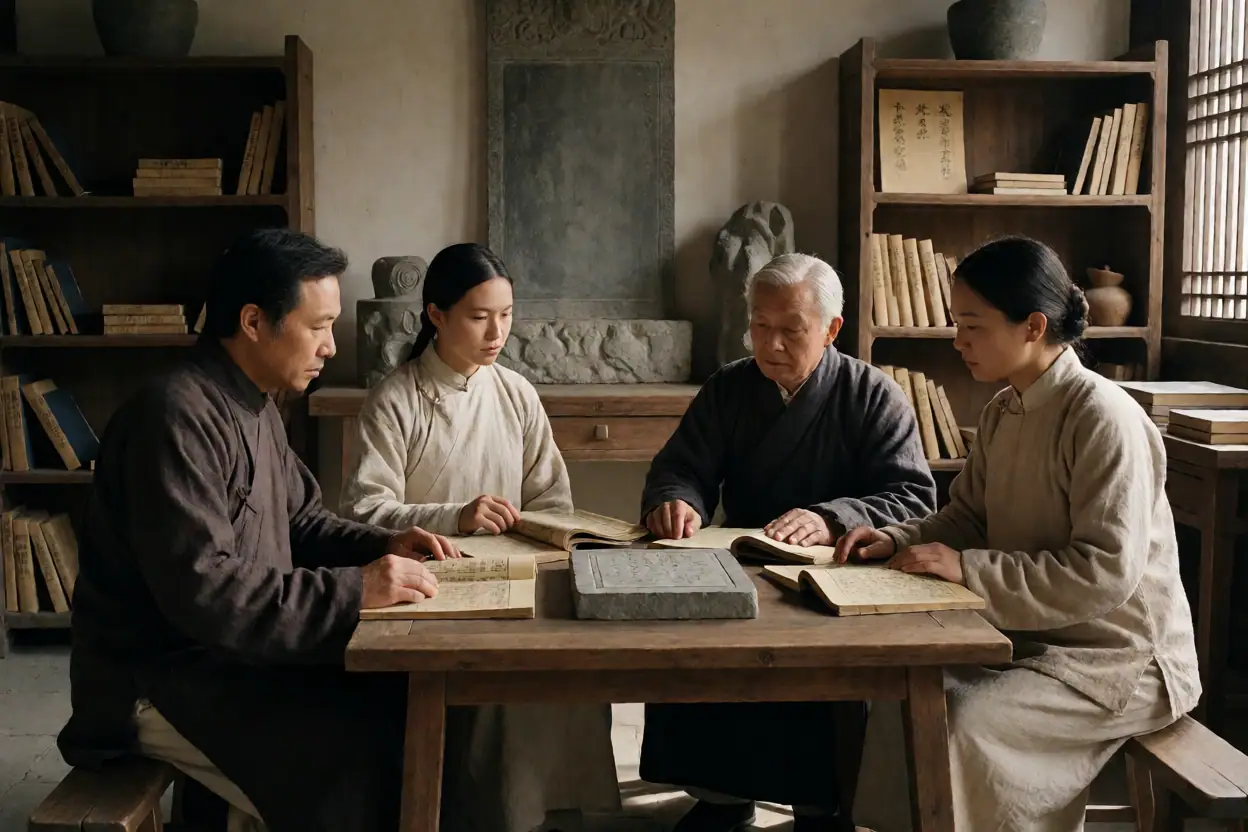
The Origins and Development of the Yang Surname in Wuwei: From Genealogical Lineages to Local Roots-Seeking
2026-09-28 · Source Interpretation
The Yang surname has multiple origins, and traditional genealogies often associate the Ji-surname Yang lineage with Yang Boqiao. Existing local historical and cultural evidence is insufficient to determine when the Wuwei Yang lineage migrated there; further branch-by-branch investigation is still needed, drawing on family genealogies, inscriptions, clan members’ recollections, and local histories.
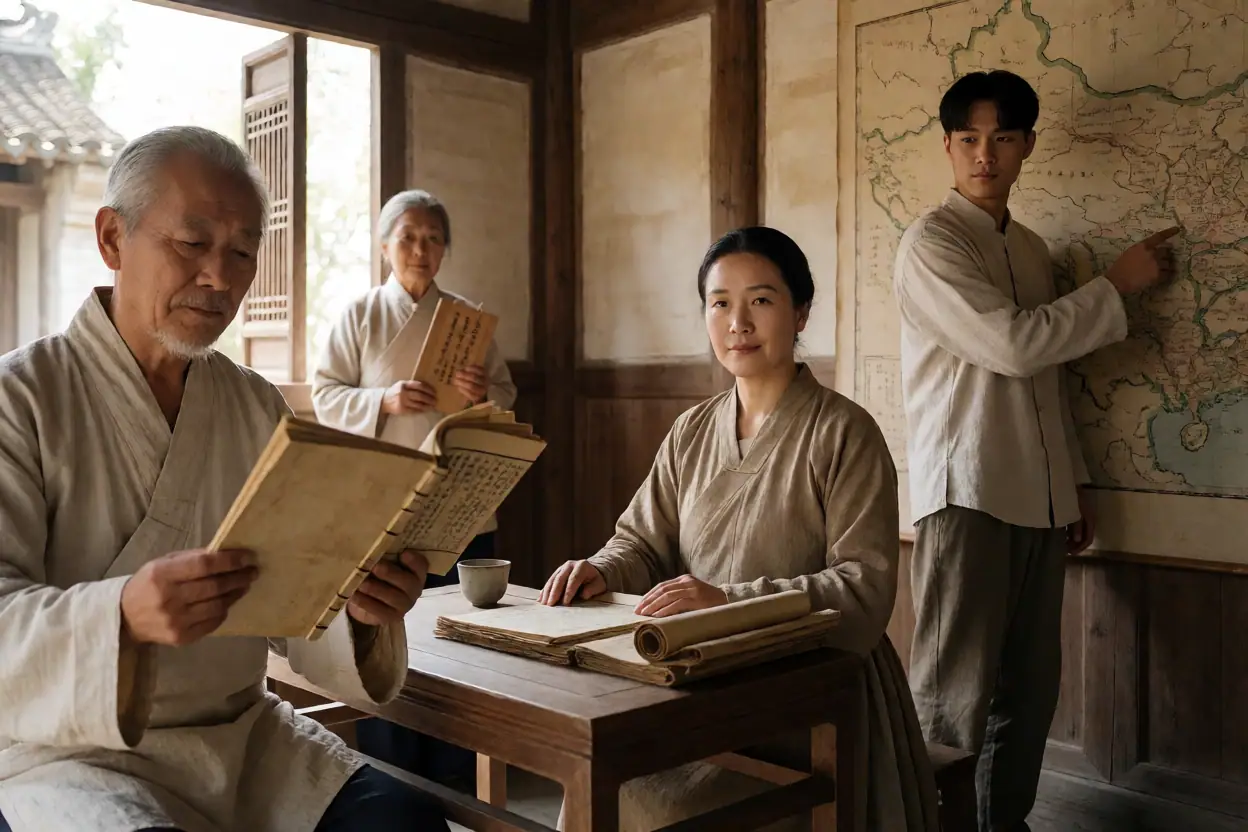
The Origins and Regional Distribution of the Dai Surname: From Gaoyang Hall to Family Roots-Seeking
2026-09-28 · Source Interpretation
Materials on the Dai surname indicate that its origins do not follow a single line, with historical accounts involving various clues related to place names, official titles, and local branches. Designations such as Gaoyang Hall, Henan, and Pingyuan, together with the surname’s distribution across Yunnan, Guizhou, Sichuan, Guangxi, and Hunan, provide direction for later generations seeking to organize family memories, compare genealogical records, and trace their roots. However, careful judgment still requires reference to documents concerning specific branches.
The Yin Family Ancestral Hall in Quxian, Sichuan: Memories of Reconstruction and Migration Clues
2026-09-28 · Source Interpretation
The Yin family ancestral hall in Guiba Village, Yuanbao Township, Quxian, carries the local clan’s ritual traditions and memories of migration. Existing records associate its branch with Huaqing Gong of Changning, Hunan, but the precise generational lineage, the date of its entry into Sichuan, and the distribution of its various household branches still require further comparison with genealogies, inscriptions, and local histories.
An Inquiry into the Tong Surname of Guishan Village, Haiyang: Changes in Place Names and Family Memories
2026-09-28 · Source Interpretation
Guishan Village in Guocheng Town, Haiyang, was named after the surrounding mountain. After the village was established by the Jiang family, people surnamed Tong, Dong, Sun, Wang, Yu, and Zhang gradually moved in. Complete evidence concerning the migration and origins of the Tong surname in the village is still lacking, and further investigation is needed using family genealogies, local histories, and family memories.
Clues to the Migration of the Zhang Surname and Analysis of the Changhe Branch
2026-09-28 · Source Interpretation
Materials on the Zhang surname in Changhe reveal a pattern in which clan-based settlement coexists with migration from multiple areas. Relevant genealogical records trace some branches back to Pucheng, Fujian, and document clues indicating migration from Xiaoshan to Changhe during the Ming dynasty. However, the specific lineage should still be verified against genealogical books, local gazetteers, and family memories.
Migration Clues and Family Memories of the Zhang Surname in Anxi
2026-09-28 · Source Interpretation
Existing sources connect some branches of the Zhang surname in Anxi with the descendants of Zhang Zaijun, and record migration into and outward from the Gande Hongyou and Lantian Huazhang branches. The relevant generational lineages still require item-by-item verification against clan genealogies, local histories, and field interviews.
Figures of the Gong Surname and Family Continuity: From Historical Records to Genealogical Analysis
2026-09-28 · Source Interpretation
Historical figures bearing the Gong surname appear in sources dating from the Spring and Autumn period through the Ming dynasty. They include early figures such as Gong Zhonglian and Gongxi Ai, as well as Ming-dynasty family members such as Gong Mianren and Gong Nai. The relevant generational lineages, native places, and migration clues still require item-by-item verification against genealogies, official histories, local gazetteers, epitaphs, and other materials.
An Examination of the Zhang Clan’s Generation-Name Sequence and Migration Clues in Zaoyang, Hubei
2026-09-27 · Source Review
A family-history search concerning the Zhang clan of Zaoyang, Hubei, mentions migration from the Yuzhang and Xingan areas of Jiangxi during the Hongwu era of the Ming dynasty, as well as the generation names “Yi, Shi, Er, Wei, Da, Ju, Dong, Ming.” Existing clues remain insufficient to confirm the specific branch, so they should be checked layer by layer against inscriptions, genealogies, local gazetteers, and relatives’ memories.
Origins and Lineage of the Guo (虢) Clan: From the Enfeoffment of the Guo States to Later Root-Seeking
2026-09-27 · Source Review
The Guo (虢) clan has traditionally been considered connected to the Guo states enfeoffed by the Zhou royal house. Relevant records refer to Dong Guo, West Guo, and subsequent migrations. Because ancient texts differ regarding the people, fiefs, and sequence of migrations, specific branches should still be examined carefully in conjunction with genealogies, local gazetteers, and family memories.
Family Memory and Root-Seeking Clues of the Guo (果) Clan Through “Tianbao Dang”
2026-09-27 · Source Review
An old residence in Qiqihar known as “Tianbaodang” preserves local memories of the Guo family’s migrations, military service, official careers, and family life. Verifying the residence, the people connected with it, and the genealogical records can help clarify how family narratives correspond with local history.
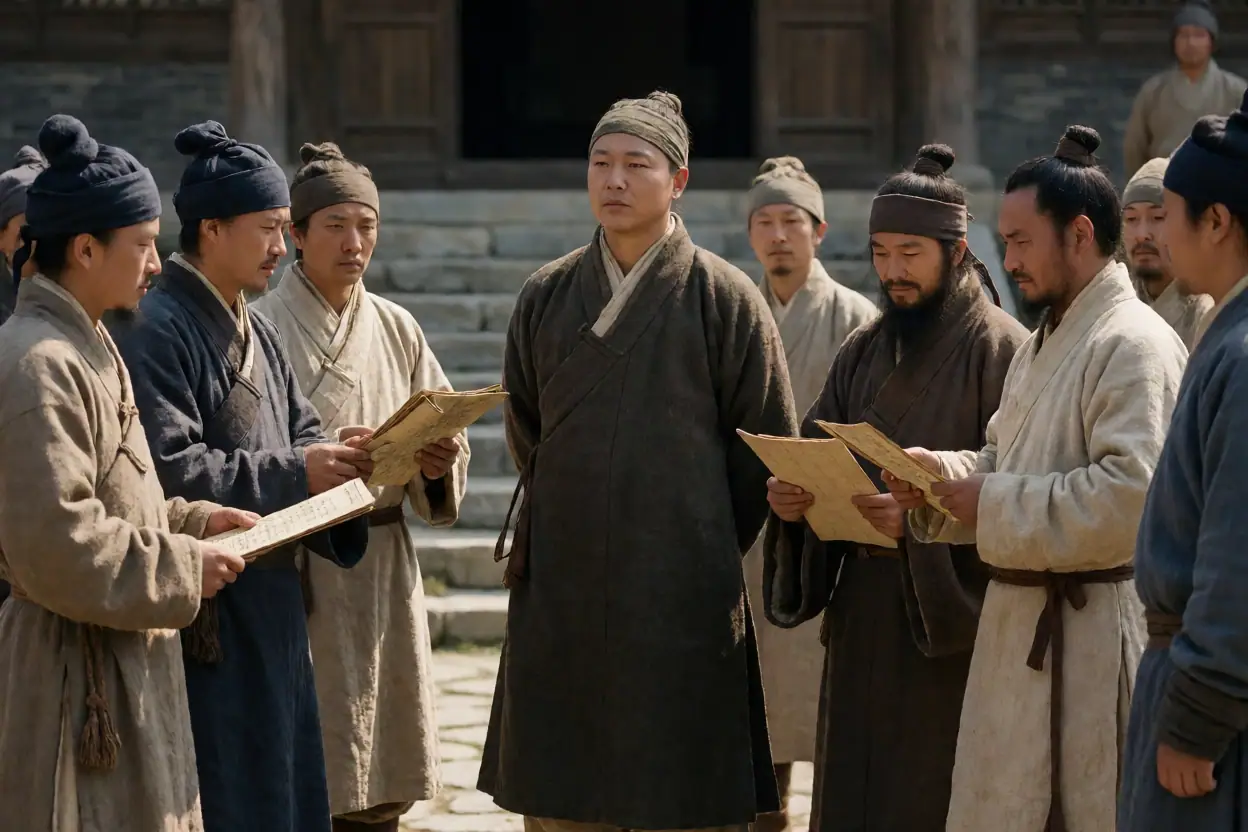
An Examination of the Guo (果) Clan’s Surname-Change Legend and Migration Clues in Liaodong
2026-09-27 · Source Review
Existing records link the formation of one branch of the Guo (果) clan to migrations in Liaodong during the Ming–Qing transition, military registration, and surnames bestowed during the Qing dynasty. These accounts involve the original surname, migration routes, and family genealogies, and still require item-by-item verification against genealogies, local gazetteers, and material evidence.
An Account of the Origins and Lineage of the Li (励) Clan and Root-Seeking in the Yaojiang Branch
2026-09-27 · Source Review
Existing materials indicate that records concerning the Li (励) clan involve ancient surname origins, historical figures, Xiongnu ancestry, and migration and transmission in the Yaojiang area of Yuyao, Zhejiang. The explanations for the origins of different branches’ surnames and their genealogical lines still require item-by-item verification against genealogies, local gazetteers, and family documents.
The 43rd Book of the Jiang Clan Genealogy: Root-Seeking Clues from the Genealogy Book’s Numbering
2026-09-27 · Source Review
Existing catalog records indicate that this Jiang clan genealogy comprises 64 volumes, and the viewing interface for Book 43 is marked 1/109. Apart from confirming the numbering of the genealogy books, the specific branches, dates, migrations, and generation names recorded in the volume still require item-by-item comparison with the original genealogy pages and local documents.
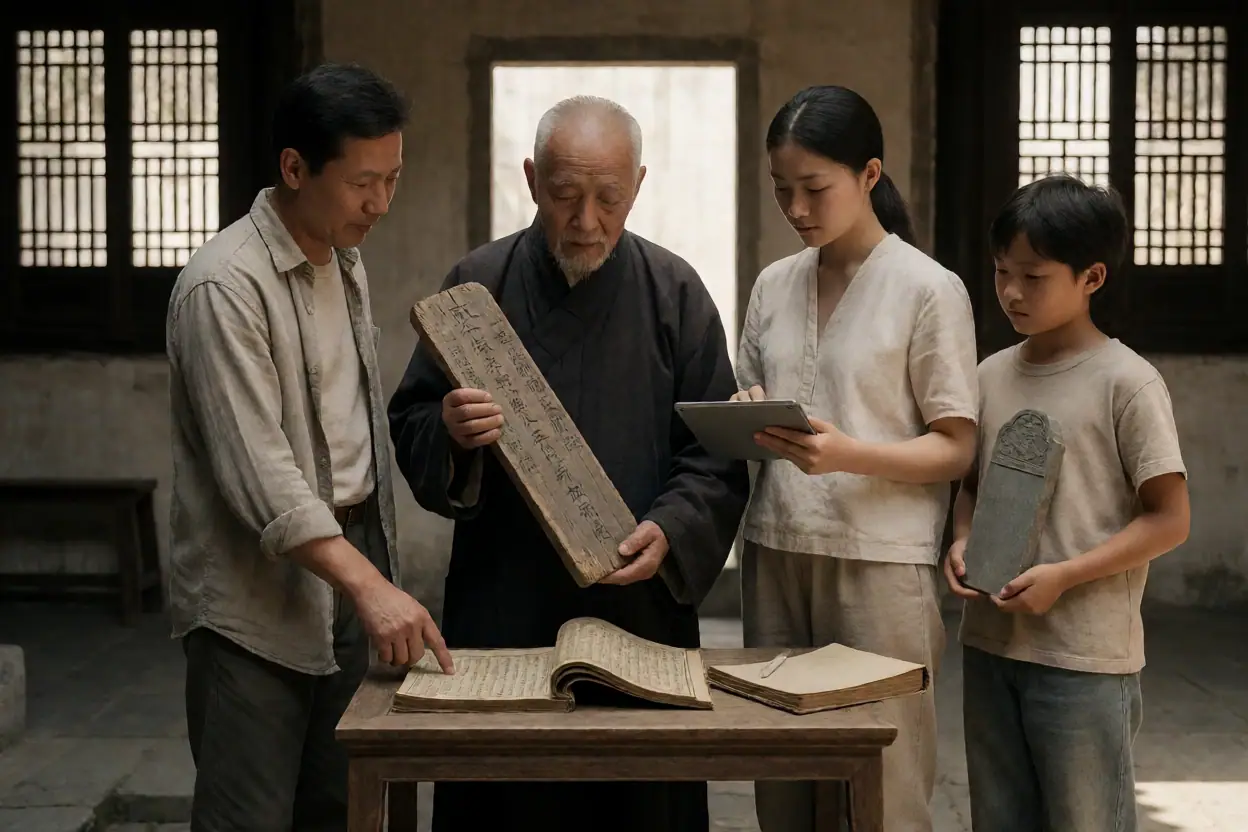
Generation-Name Clues and Genealogical Root-Seeking Paths of the Chen Clan in Bobai
2026-09-27 · Source Review
Existing materials record a set of generation-name clues related to the Chen clan of Bobai and mention “the descendants of Shiliuguan, son of Lord Chen Chongli.” These details may serve as a starting point for searching genealogies, but they are not sufficient on their own to prove a specific branch, ancestral origin, or complete genealogical line. Further comparison with genealogy books, tomb inscriptions, local gazetteers, and family memories is still required.
Historical Clues Regarding the Houmochen Surname and Directions for Family Root-Seeking
2026-09-27 · Source Review
Houmochen is a relatively uncommon compound surname. Relevant records are mostly associated with changes in clan surnames and the process of sinicization during the Northern Dynasties. Existing materials are not yet sufficient to confirm that Houmochen descendants in different regions came from the same branch; specific genealogical lines still require item-by-item examination against genealogies, local gazetteers, and family memories.
Genealogy-Continuation and Joint-Genealogy Activities of the Cong Clan in Wudi, and Cross-Regional Root-Seeking Clues
2026-09-27 · Source Review
A record of a clan activity indicates that the Cong clan of Wudi once convened local clan members and members from various other areas to discuss continuing and consolidating their genealogies. The focus was on adding branches that had migrated elsewhere, verifying genealogical lines, and restoring connections. The migrating ancestor, dates of migration, and relationships among branches in different places still require further verification against old genealogies, local gazetteers, inscriptions, and household-registration documents.
Cong Qian of Muping in the Records of the Three Kingdoms: A Surname Clue Requiring Further Examination
2026-09-27 · Source Review
The Biography of He Kui in the Records of the Three Kingdoms records “the Muping rebel Cong Qian,” leaving a rare clue to the Cong surname in the Jiaodong region during the late Eastern Han. By consulting historical and modern place names, surname materials, and genealogical traditions, it may be possible to trace the historical background, but current evidence is still insufficient to confirm Cong Qian’s family origin or the branches of his descendants.
Clues to the Settlement and Migration of the Xin Surname in Eastern Yin County
2026-09-26 · Source Review
Existing materials indicate that during the Republic of China period, people with the Xin surname formed a relatively concentrated settlement around Taogong Mountain in Yin County and were also distributed across the surrounding townships. Since the modern era, some clan members have migrated to Shanghai and more distant regions. The relationships among the relevant population, branches, and migration patterns still require item-by-item verification against genealogies, local gazetteers, and family memories.
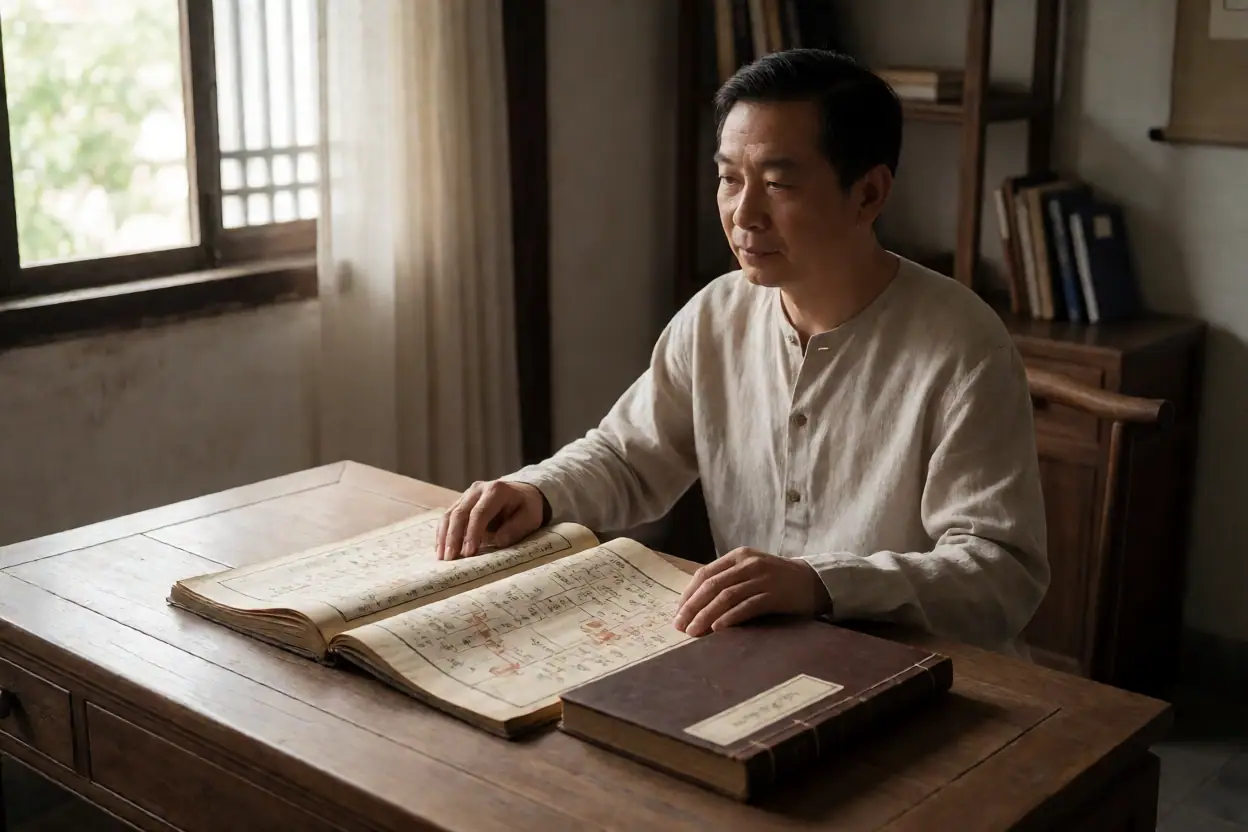
Migration Patterns and Genealogical Research Clues for the Bin Surname
2026-09-26 · Source Review
Historical clues concerning the Bin surname involve the regions of Bin, Liang, Qi, and the Eastern Zhou period; after the Song dynasty, the surname was also found in Sichuan, Guangdong, Guangxi, and other areas. Existing sources also record distributions in Hunan, Hubei, Chongqing, and overseas, but the origins and development of different branches still require layered verification against genealogies, local gazetteers, and family memories.
Bin Clan Gatherings and the Transmission of Genealogical Records: Family Memory Through Ancestor-Worship Ceremonies
2026-09-26 · Source Review
A Bin clan gathering held in Dabitu, Quanzhou, Guangxi, included the completion of an ancestral hall, the presentation of genealogy books, and an ancestor-worship ceremony. The account highlights the Bin community’s emphasis on ancestral memory, family connections, and cultural transmission, while also suggesting that ancestral-roots research should carefully assess genealogies, local gazetteers, and field materials together.
Bin Generation Names and Migration Clues: From Generational Rankings to Family Memory
2026-09-26 · Source Review
The branches of the Bin surname are widely distributed, and existing sources record different generation names in Quanzhou and Pubei in Guangxi, Zhongjiang in Sichuan, Dazu and Yongchuan in Chongqing, and Hengshan in Hunan. Generation names can provide clues for locating relatives and organizing lineages, but they still require careful verification against genealogies, local gazetteers, and family memories.
Settlement Memories and Migration Clues of the Shu Clan in Danyang
2026-09-26 · Source Review
Existing materials on the transmission of the Shu clan in Danyang focus on Sancheng Alley in Jinglin and its surroundings, and include migrations to Changzhou, Yangzhou, and other areas since the late Yuan and early Ming periods. These accounts still require item-by-item verification against genealogies, local gazetteers, inscriptions, and family memories.
Danyang’s Sancheng Alley: Historic Lane Remains and the Shu Clan’s Ancestral-Roots Story
2026-09-26 · Source Review
Sancheng Alley in Jinglin Village, Danyang Development Zone, preserves historic remains including an old lane, an ancestral hall, and an ancient well. Local restoration efforts surrounding the formation of the village, the Shu clan’s migration, and the transmission of its genealogy also reflect the intertwined preservation of traditional villages and family memory.
Ming-Dynasty Migrations of the Ji Clan: Branch Distribution Through Genealogical Clues
2026-09-26 · Source Review
Existing Ji clan genealogies and local records preserve clues about the migration of Shanxi residents away from their homeland in the early Ming dynasty, as well as the relocation of some Ji branches to Shandong, Shaanxi, and other areas. These materials can serve as a starting point for ancestral-roots research, but the ancestral origins, lineage, and relationships among branches still require item-by-item verification against original genealogies, local gazetteers, and family memories.
Migration Clues and Genealogical Transmission of the Si Surname: From Local Memory to Lineage Verification
2026-09-26 · Source Review
Existing materials indicate that family memories associated with the Si surname are found in Hefei, Fengqiu, Chaoyang in Liaoning, and some local communities, covering migration, generation names, ancestral temples, and genealogy compilation. Whether Si families in different regions share a common ancestry still requires layered verification against genealogical records, local gazetteers, and physical evidence.
The Si Surname in Wangyun Village: Ancestral Hall Remains and Migration Clues
2026-09-26 · Source Review
Residents with the Si surname in Wangyun Village, Zoucheng, Shandong, are primarily concentrated in Wangyun No. 2 Village, where a Qing-dynasty Si ancestral hall still stands. Existing inscriptions, village histories, and clues from comprehensive genealogies outline an account of the Si surname’s migration from Shanxi into the area bordering Jiangsu and Shandong, with branches settling in southern Shandong and northern Jiangsu, but the specific lineage and origins of the village names require further verification.
An Examination of Jiangyin’s Huai Clan Genealogies and Family Traditions
2026-09-26 · Source Review
A 2004 family history of Jiangyin’s Huai clan records the family’s migrations, dispersal, and educational experiences, while also preserving relatives’ recollections and local memories. These accounts can provide clues for researching the Huai clan’s ancestral roots, but the specific lineage still requires further verification against genealogical records, local gazetteers, and physical evidence.
An Examination of Historical Figures and Branch Migration Clues of the Qin Clan
2026-09-25 · Source Analysis
Historical accounts of the Qin clan involve Wuling, Hanzhong, Shizhou, Jingzhou, Jinzhong, and other areas, with biographical events intertwined with migration legends. When organizing these clues, official historical records, local gazetteer materials, and genealogical lineages should be distinguished, and cross-checked through dates, place names, official titles, and different editions of genealogical records.
Family Values and Verification Clues in the Clan Admonitions of Huangchuan Chongde Hall’s Shi Clan Genealogy
2026-09-25 · Source Analysis
A documentary clue titled the clan admonitions of Huangchuan Chongde Hall’s Shi Clan Genealogy focuses on filial devotion, harmony among relatives, study, ancestor worship, and genealogy compilation. Its ideas display the characteristics of traditional family instructions, but the genealogy’s title and dating, the places referred to, the relationships among the figures, and the specific lineage must still be verified against the original genealogy, local gazetteers, and family documents.
Migration and Distribution Clues for the Shu Surname and Pathways for Ancestral-Roots Research
2026-09-25 · Source Analysis
Existing records show that clues to the distribution of people with the Shu surname are most commonly found in the Yangtze River Delta, including Jiangsu, Zhejiang, and Shanghai, while sporadic records also appear in Anhui, Fujian, Sichuan, Gansu, Yunnan, and Taiwan. Origin legends, migration dates, and relationships among branches still require item-by-item verification against genealogies, local gazetteers, and family documents.
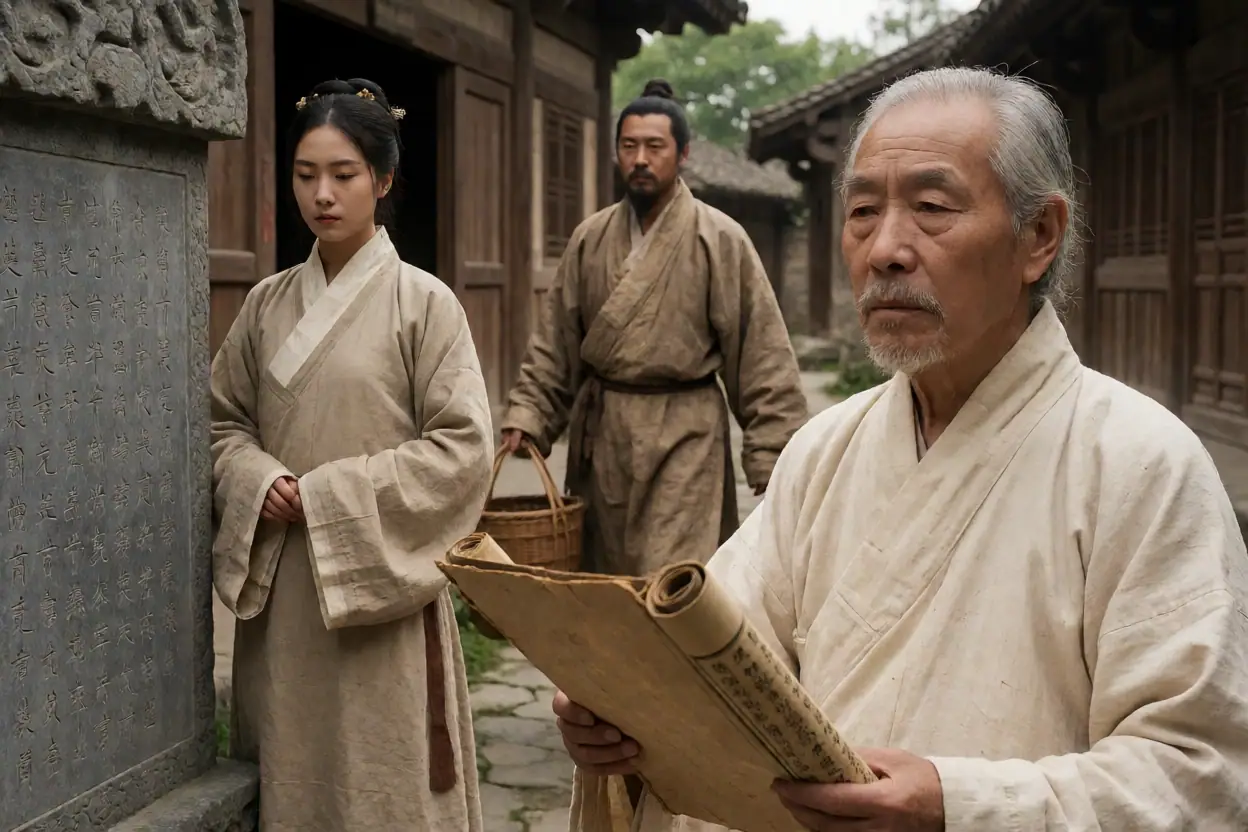
A Review of the Historical Distribution and Migration Clues of the Pang Surname
2026-09-25 · Source Analysis
Early clues to the activities of the Pang surname are scattered across the Central Plains, the northwest, Jingchu, and other areas. Later, through official appointments, warfare, population movements, and the search for a livelihood, the surname gradually expanded into southern China, the southwest, the northeast, and overseas. The origins and development of specific branches must still be verified item by item against genealogies, local gazetteers, inscriptions, and household-register materials.
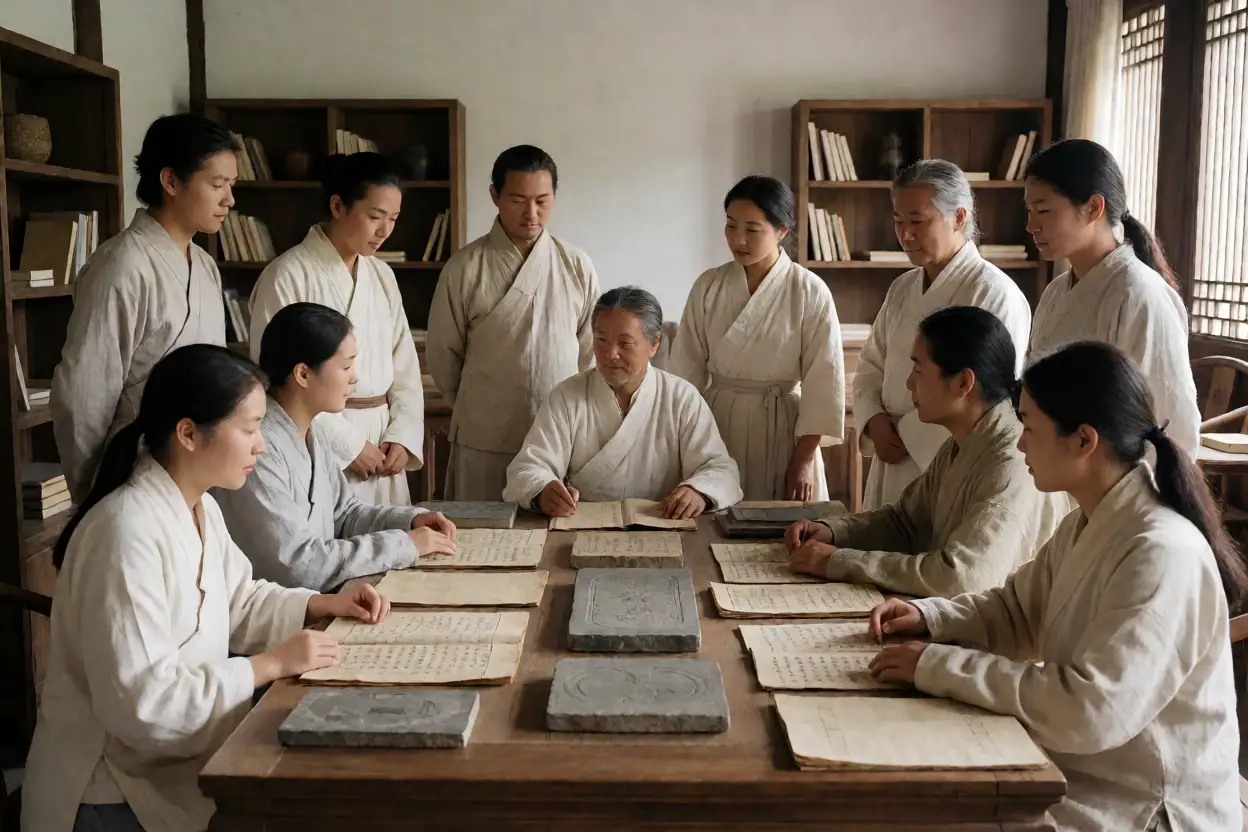
From Pang Tong’s Life and Deeds to Documentary Pathways for Researching Pang Family Roots
2026-09-25 · Source Analysis
Pang Tong is one of the more closely studied historical figures bearing the Pang surname. His education, recognition, and assistance to Liu Bei in entering Sichuan provide clues for understanding figures of the Three Kingdoms period. However, a historical figure and a present-day family cannot be linked in a lineage solely because they share a surname; research into Pang family roots still requires item-by-item verification against genealogies, local gazetteers, inscriptions, and family-held documents.
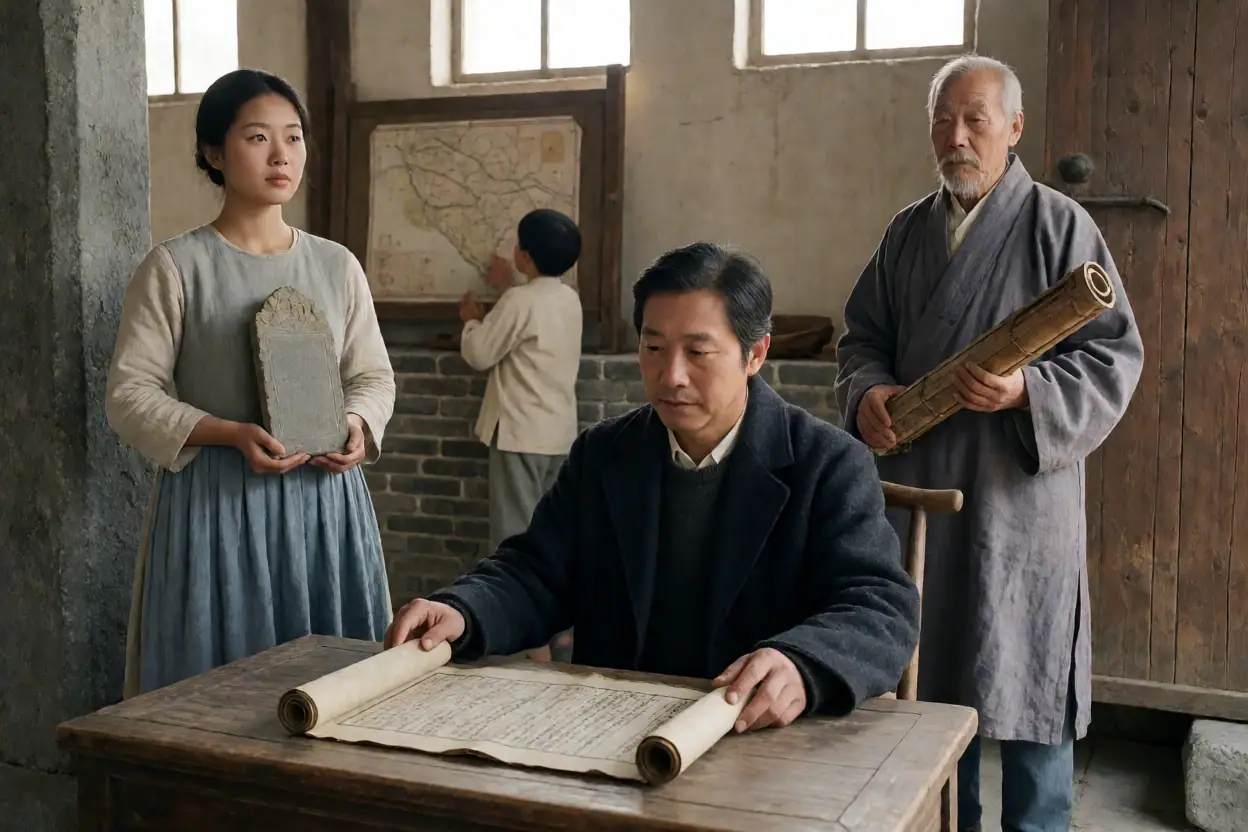
Historical Figures of the Pang Surname and Clues for Tracing Family Roots
2026-09-25 · Source Analysis
Historical figures bearing the Pang surname appear in records from the pre-Qin period through the Ming and Qing dynasties. Their regional distribution and branch lineages are relatively complex. To understand the origins and development of the Pang lineage, genealogies, local gazetteers, family recollections, and migration records should be consulted together, with each generation in the lineage carefully cross-checked to avoid hastily assuming that people sharing the same surname belong to the same clan.
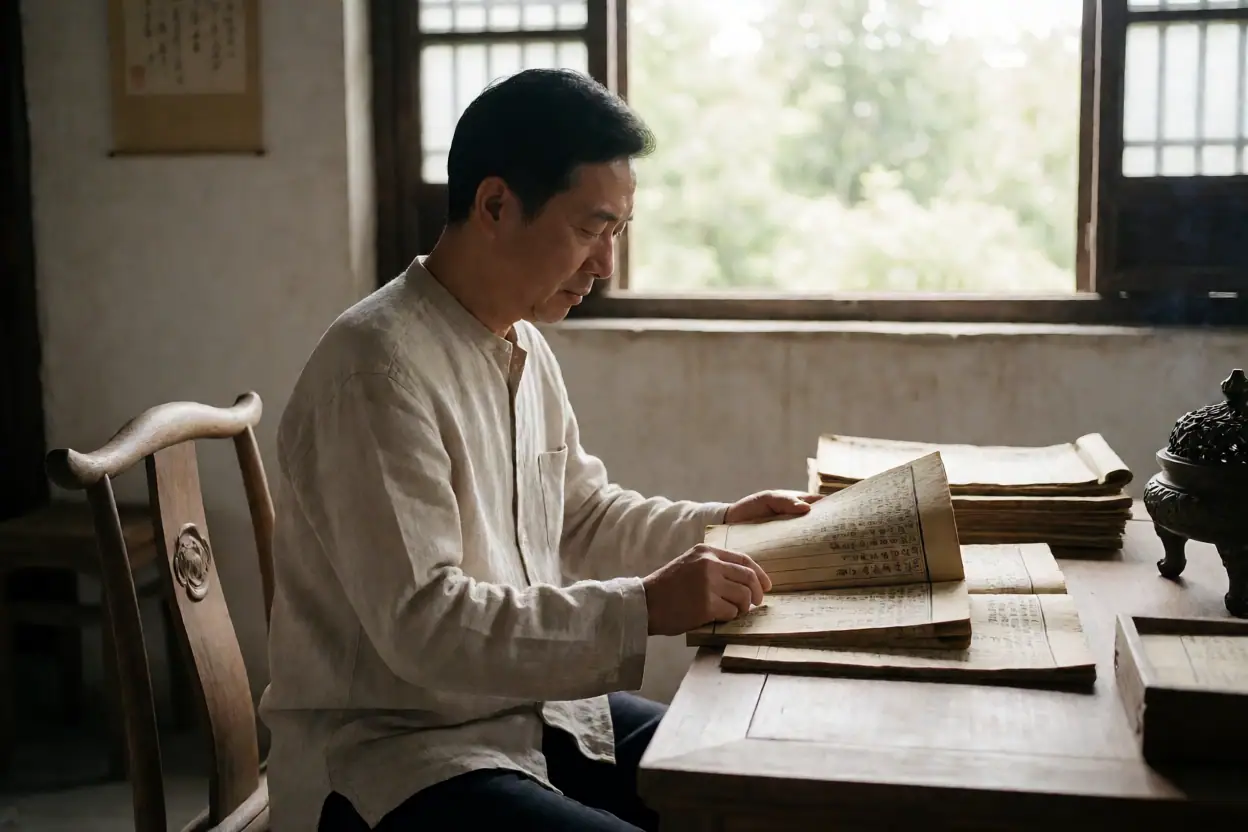
Pang Surname Population and Regional Distribution: From Statistical Clues to Tracing Family Roots
2026-09-25 · Source Analysis
Available data indicate that people bearing the Pang surname account for approximately 0.17% of the national population, with a broad distribution and relatively high concentrations in Guangxi, Shandong, Hebei, and other areas. Population statistics can only present an overall picture; specific branches still require further examination against genealogies, local gazetteers, and family memories.
The Zhuang Lineage of Notable Figures and Migration Clues: From Zhuangzi to Modern and Contemporary Figures
2026-09-25 · Source Analysis
Historical figures bearing the Zhuang surname appear in records from the pre-Qin period, the Han dynasty, the Ming and Qing dynasties, and modern and contemporary times. The relevant records reflect intellectual traditions, official careers, classical scholarship, and local society. The attribution of notable figures and the transmission of branch lineages still require item-by-item cross-checking against clan genealogies, local gazetteers, and family documents.
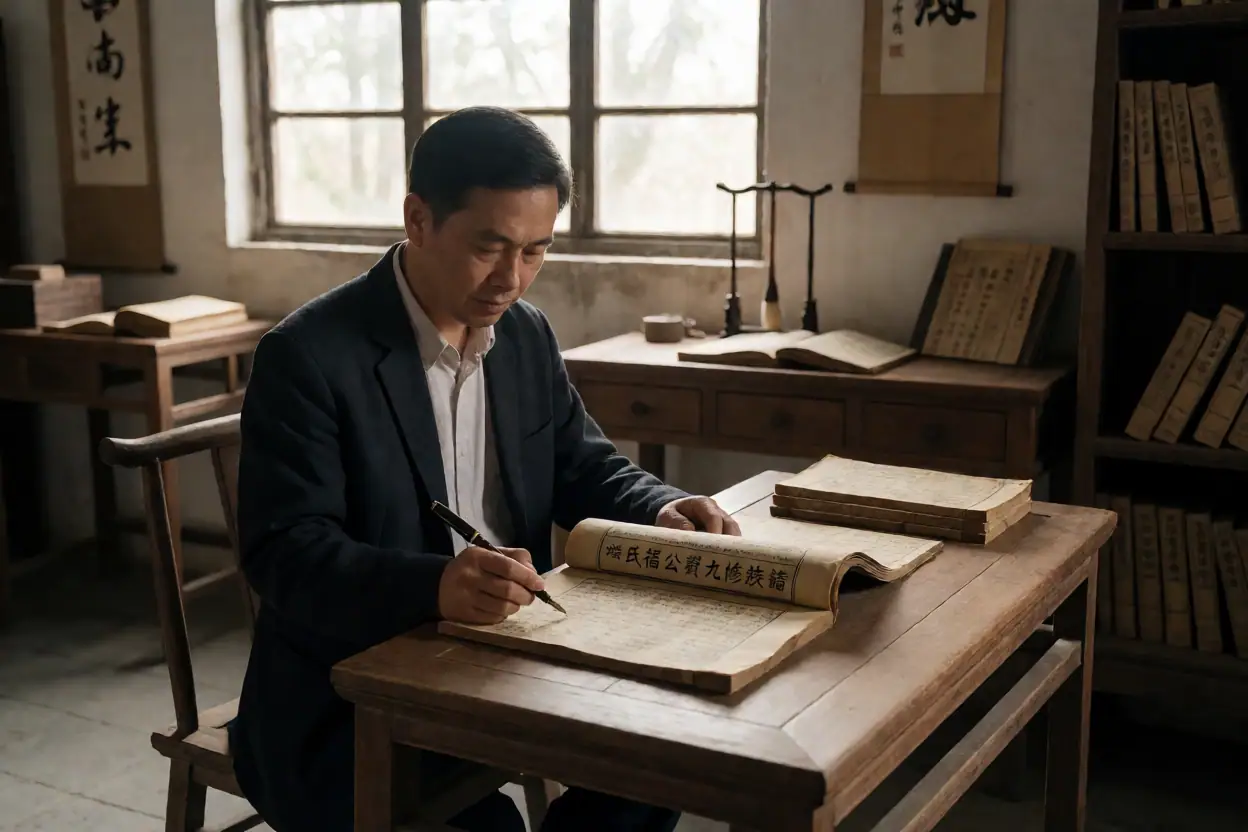
Organizing and Tracing Family Roots Through Volume 34 of the Ninth Revision of the Genealogy of the Descendants of Zeng F公
2026-09-25 · Source Analysis
Existing archival materials confirm a multivolume genealogy titled the Genealogy of the Descendants of Zeng F公, which includes Volume 34. This volume provides catalog clues for researching the branch descended from F公, but its specific preface, lineage, migrations, generation names, and compilation date still require careful verification by consulting the complete genealogical pages together with local gazetteers, older genealogies, and family documents.
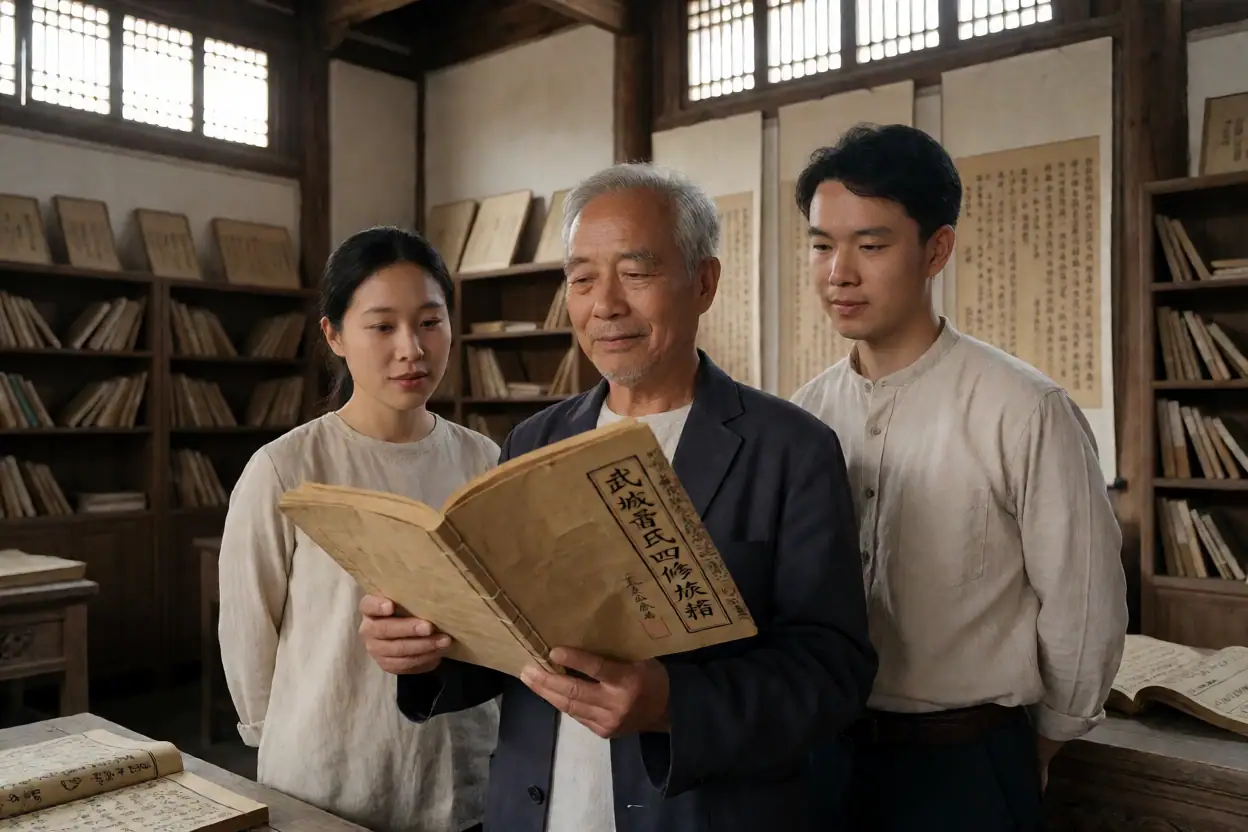
Clues for Tracing Zeng Family Roots from Volume Two of the Four-Revised Genealogy of the Zeng Family of Wucheng
2026-09-25 · Source Analysis
Existing archival materials indicate that the complete set of the Four-Revised Genealogy of the Zeng Family of Wucheng may consist of thirty-eight volumes, and that Volume Two contains approximately one hundred and fifty-six pages. Since the meaning of “Wucheng” in the genealogy’s title, the date of compilation, the editor, and the branch to which it belongs have not yet been established, conclusions concerning the lineage and migrations still require further verification against the genealogical preface, catalog, local gazetteers, and old family holdings.
Clues to the Origins and Migrations of the Da Surname: From Guangling Hall to Branches in Fujian and Guangdong
2026-09-24 · Source Analysis
Materials on the Da surname indicate that its transmission clues involve multiple surname-origin traditions, Guangling Hall, and ancestral places including Guangling, Jiangdu, and Henan, and that the surname is found in Jiangxi, Fujian, Guangdong, Zhejiang, Taiwan, and elsewhere. Da families in different regions may not share the same ancestry; the specific genealogical lineages still require careful assessment in conjunction with family genealogies, local gazetteers, and family memories.
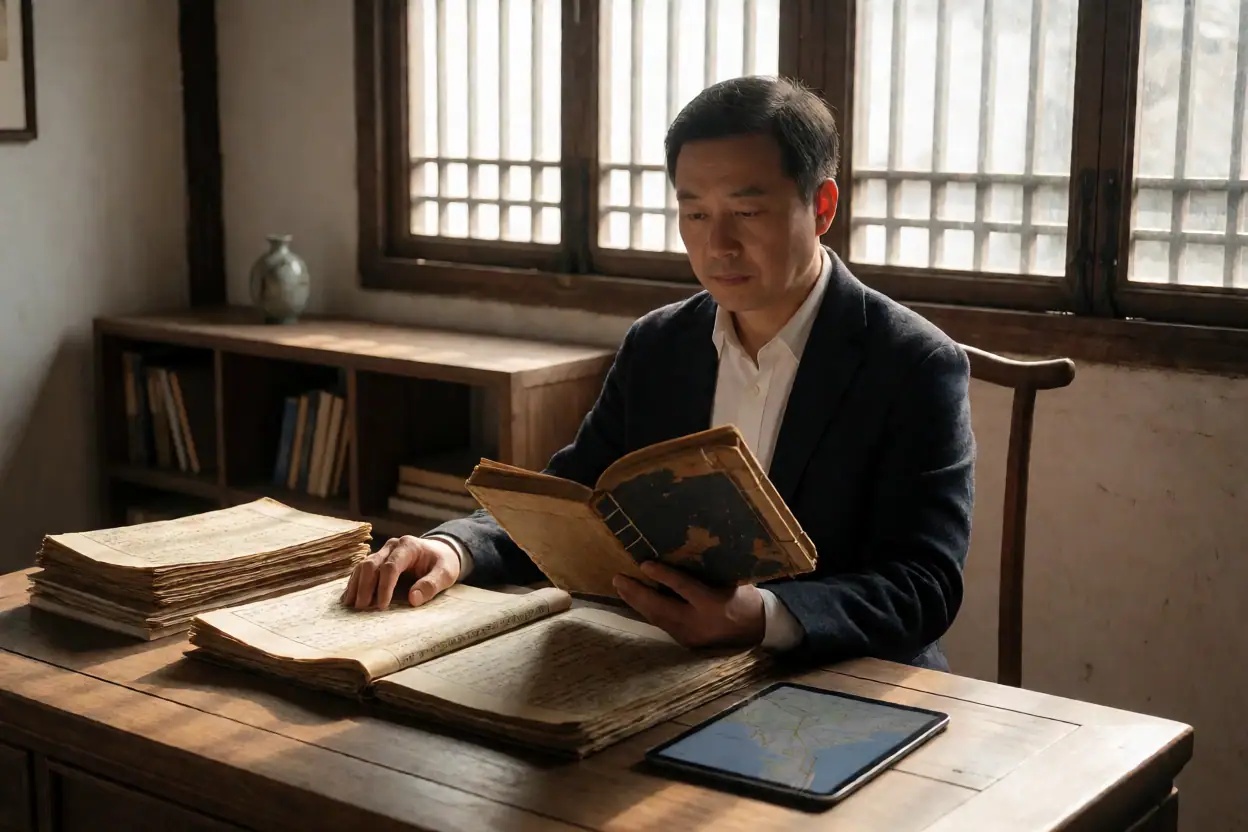
Tracing the Origins of the Mao Surname: The Convergence of Rugao Memories and Genealogical Clues
2026-09-24 · Source Analysis
Although the Mao surname is not common, historical records preserve multiple clues involving Rugao, the Lianghuai salt transport system, figures from the Yuan and Ming dynasties, and Shuihui Garden. Reconstructing the origins of the Mao surname requires combining genealogies, local gazetteers, family memories, and surviving physical evidence to verify migrations and lineages step by step, rather than treating legends as established fact.
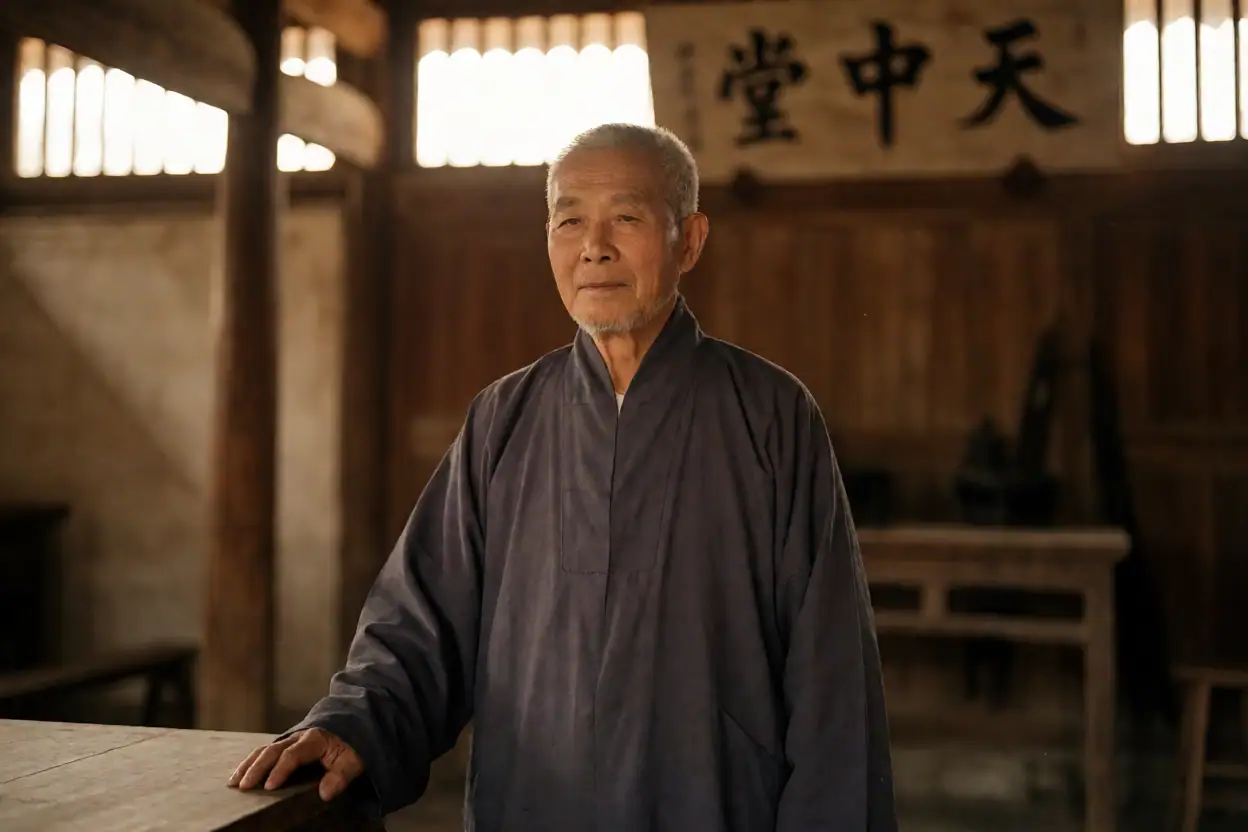
Family Memories and Ancestral-Search Clues of the Gan Surname in Yulan Village, Fuzhou
2026-09-24 · Source Analysis
A Gan-surname family in Yulan Village, Cangshan, Fuzhou, has preserved memories of Mongolian identity, genealogical records, and an ancestral worship space, while pursuing the history of its forebears over many years. Existing materials provide accounts of several individuals, generational sequences, and migrations, but these still need to be verified item by item against the original genealogy, local gazetteers, officially compiled histories, and archival records.
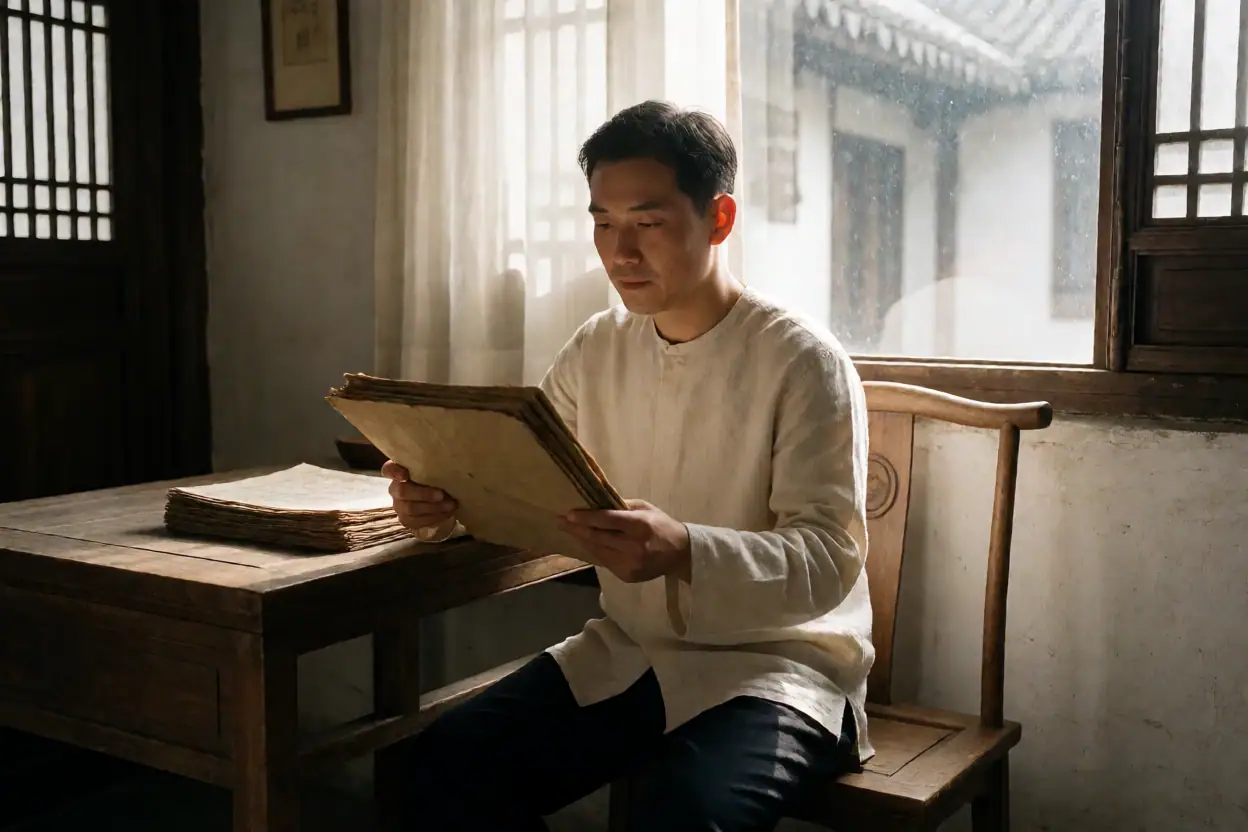
Investigating the Pronunciation and Origins of the Mi Surname: From Ancient Designations to Family Roots
2026-09-24 · Source Analysis
The Mi surname is relatively uncommon. Historical literature includes the view that “Mi” and “Fu” were interchangeable, as well as traditional accounts tracing the distant ancestry of the surname to Fuxi. Because pronunciation, regional usage, and branches vary, specific lineages should still be verified against genealogies, local gazetteers, and family memories.
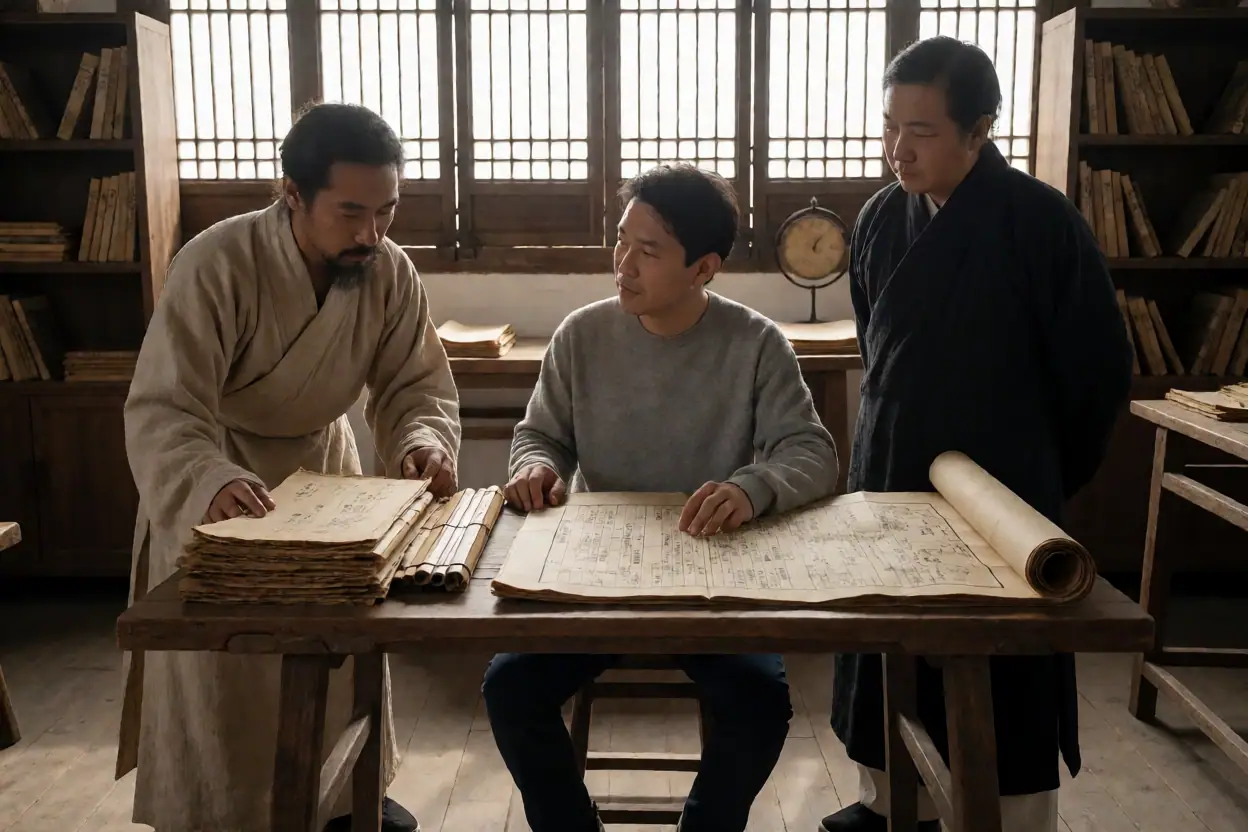
Figures and Branch-Lineage Clues of the Hou Surname: From Historical Records to Family Roots
2026-09-24 · Source Analysis
Historical figures bearing the Hou surname appear in records concerning Tibetan commanders, figures of the Five Dynasties period, and related regional clues, but these individuals may not have shared the same ancestry or branch. Only by cross-checking genealogies, local gazetteers, and family memories can the distribution, migrations, and lineages of the Hou surname in different regions gradually be clarified.
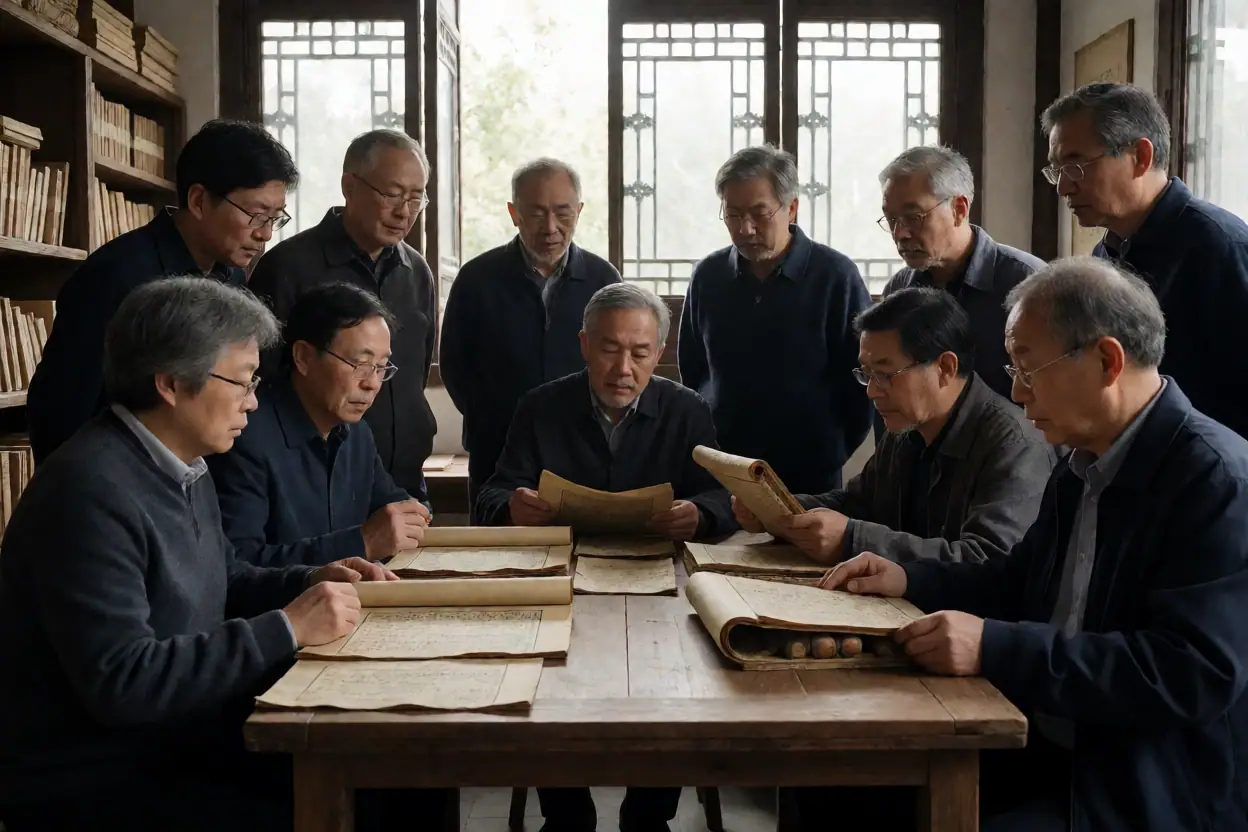
Distribution and Migration Clues of the Xian Surname: From Old Village Records to Genealogical Research
2026-09-24 · Source Analysis
The Xian surname is uncommon today. Related villages and family clues remain in Weihui, Henan, and Laiyang and Laixi, Shandong, while some Xian branches in Northeast China may be connected with modern-era migrations. Existing materials are not yet sufficient to link the lineages in different regions; tracing their roots still requires item-by-item verification against genealogies, local gazetteers, and family memories.
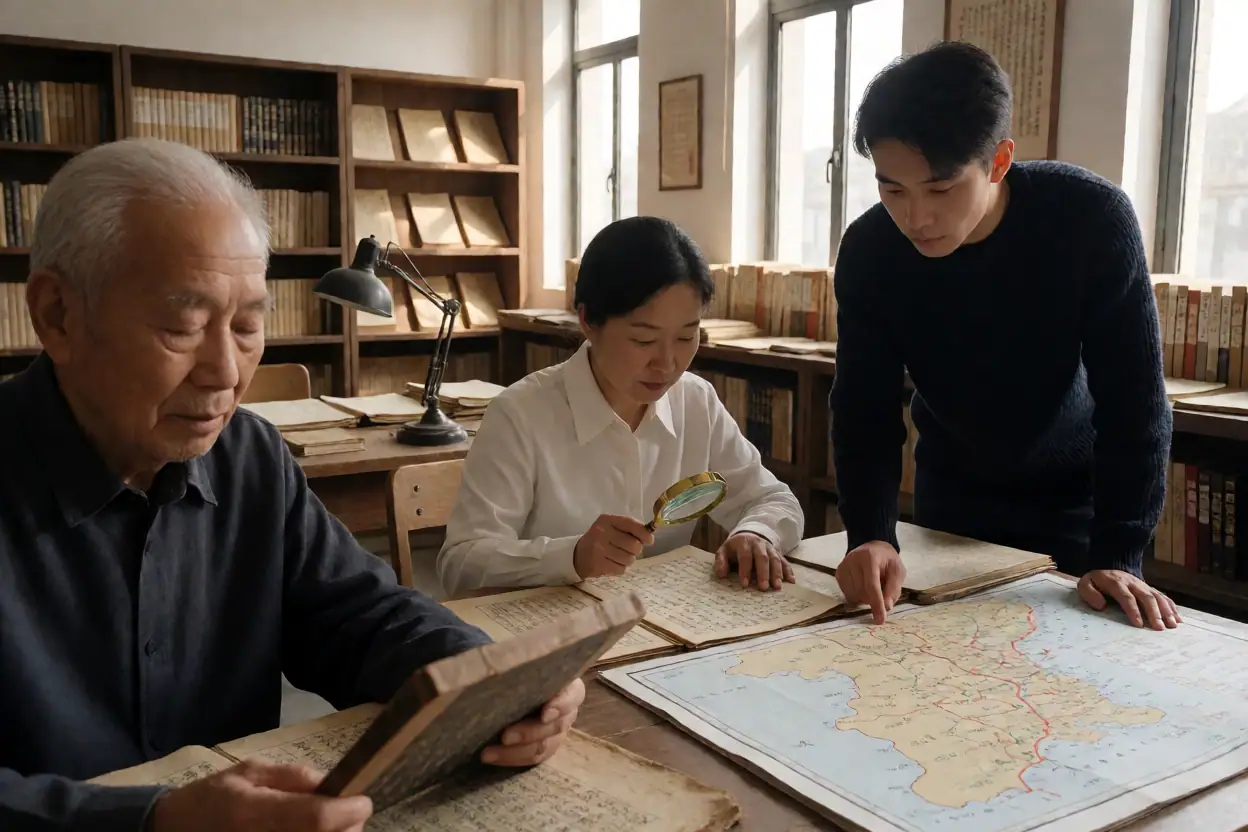
Clues to Xian Surname Settlements and a Cross-Regional Path for Ancestral Research
2026-09-24 · Source Analysis
Existing materials indicate that people bearing the Xian surname are distributed across Shandong, Henan, Jiangsu, Northeast China, and parts of Southwest and Northwest China, with scattered records also found overseas. Place-name clues are particularly concentrated in Shandong, but whether Xian families in different regions share the same ancestry and how their migrations are related still require branch-by-branch verification against family genealogies, local gazetteers, inscriptions, and household-registration records.
Migration Memories of the Qu Clan in Anhui and a Study of the Yijing Hall Genealogy
2026-09-24 · Source Analysis
An old genealogy of the Qu clan in Anhui preserves family memories of a move from Poyang, Jiangxi, to Tongcheng, and includes accounts of separate settlements, surname changes, and descendants moving north. Because the dates of migration, descriptions of ancestors’ names, and some place names remain uncertain, the relevant lineages require further verification against the original genealogical volumes, local gazetteers, tomb inscriptions, and household-registration documents.
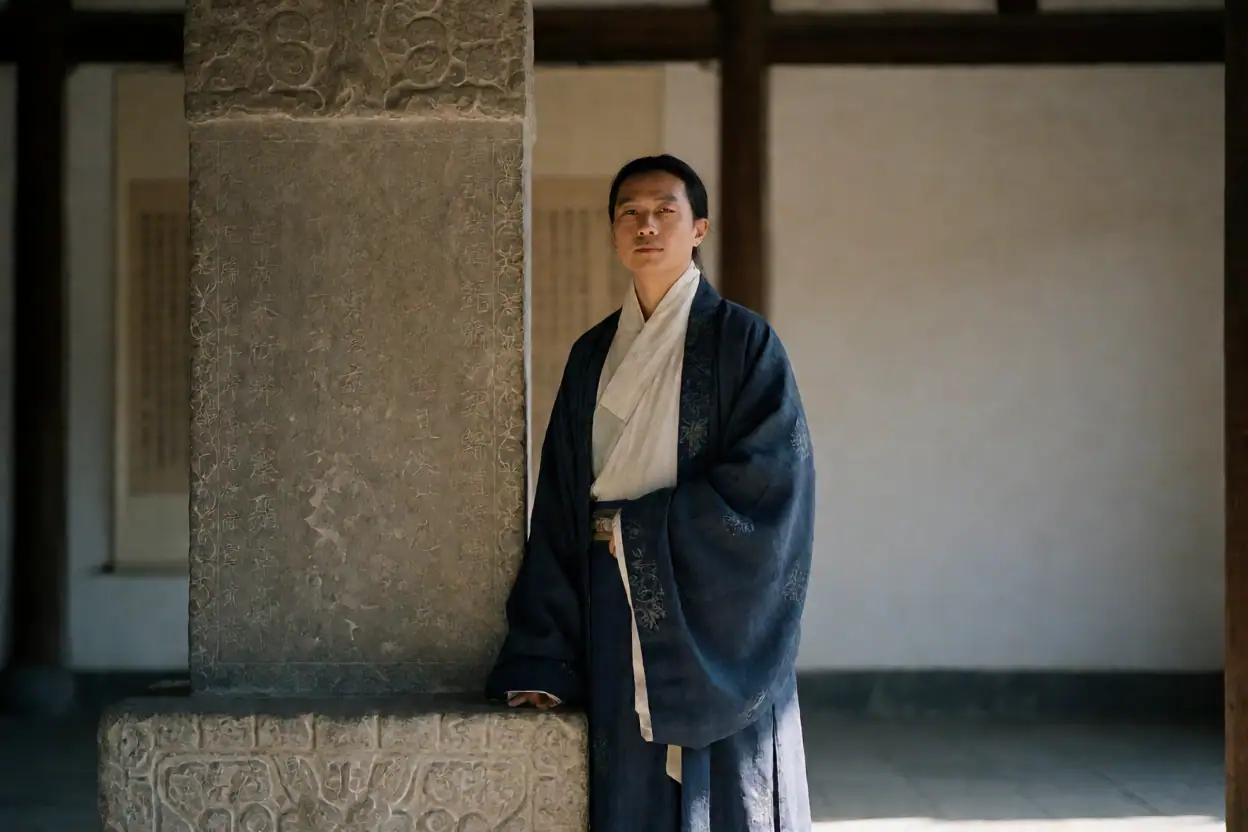
Distribution and Migration Clues of the Luo Surname: From Regional Records to Family Roots
2026-09-24 · Source Analysis
Existing materials indicate that the Luo surname is widely distributed, including across North, East, South, and Southwest China, as well as Hong Kong, Macao, Taiwan, and parts of the overseas Chinese world. Regional distribution can provide only clues for ancestral research; specific branches still require careful examination against genealogies, local gazetteers, family memories, and lineage materials.
From Luotuoqiao to Lingnan Settlements: Multiple Perspectives on Luo Clan Historical Traces
2026-09-24 · Source Analysis
Historical materials on the Luo clan appear in official histories, local records, genealogies, and folk narratives. The place-name legend of Luotuoqiao in Ningbo, records of figures from the late Han and Three Kingdoms period, and accounts of Luo migrations in Guangdong offer clues at different levels for understanding Luo-surname culture, but they cannot be directly pieced together into a single lineage.
Huangfu Wuyi: A Life of Upholding Integrity and Serving in Office with Uprightness and Prudence Amid Turmoil
2026-09-23 · Source Materials Analysis
Born into an official family during the Sui dynasty, Huangfu Wuyi returned to the Tang after living through the political upheavals of the late Sui. He served in posts including Minister of Justice and Censor-in-Chief. He was remembered by later generations for his integrity, incorruptibility, and filial devotion. His life also provides an important entry point for studying the genealogical lineages and migration clues of figures from the Huangfu clan.
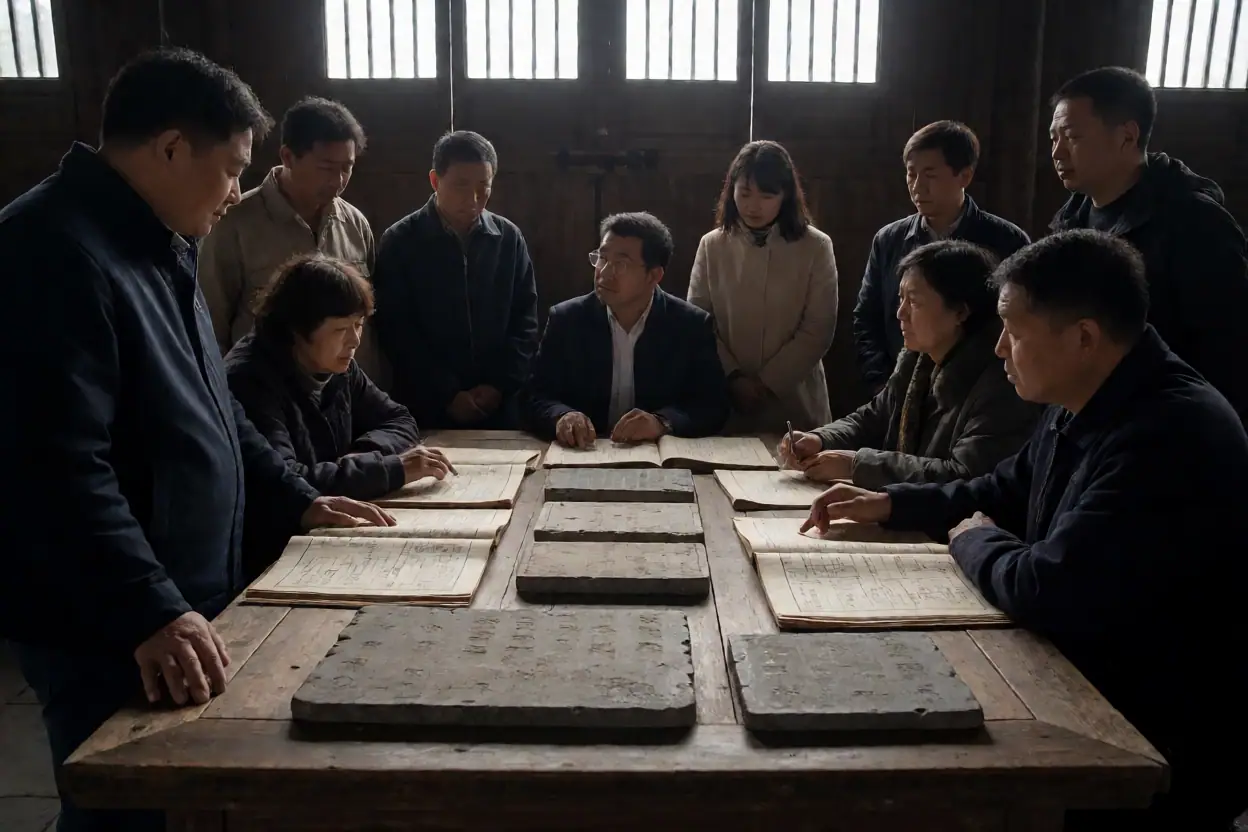
The Evidentiary Limits of Tracing the Yang Clan’s Roots Through the Place-Name Clues of Hanyangba
2026-09-23 · Source Materials Analysis
Located along the Min River, Hanyangba’s place name, commercial memories, and Yang clan legends offer directions for genealogical research. However, the claim that “the Yang surname founded Hanyangba” still lacks support from genealogies, local gazetteers, inscriptions, and other evidence. When sorting through the relevant clues, place-name changes, local memories, and family lineages should be distinguished from one another.
The Yang Clan Stories of Jizhou and Historical Clues for Tracing the Duan Surname’s Roots
2026-09-23 · Source Materials Analysis
Jizhou was formerly known as Wuzhong. Local narratives record the rise of the Yang clan from the Wei, Jin, and Northern and Southern Dynasties through the Tang dynasty, as well as its interactions with regimes established by the Duan clan. Research into the origins of the Duan surname can use this material to understand the historical environment of western Liaoning and Youzhou, but it cannot be used to conclude directly that the Yang and Duan clans shared the same ancestry.
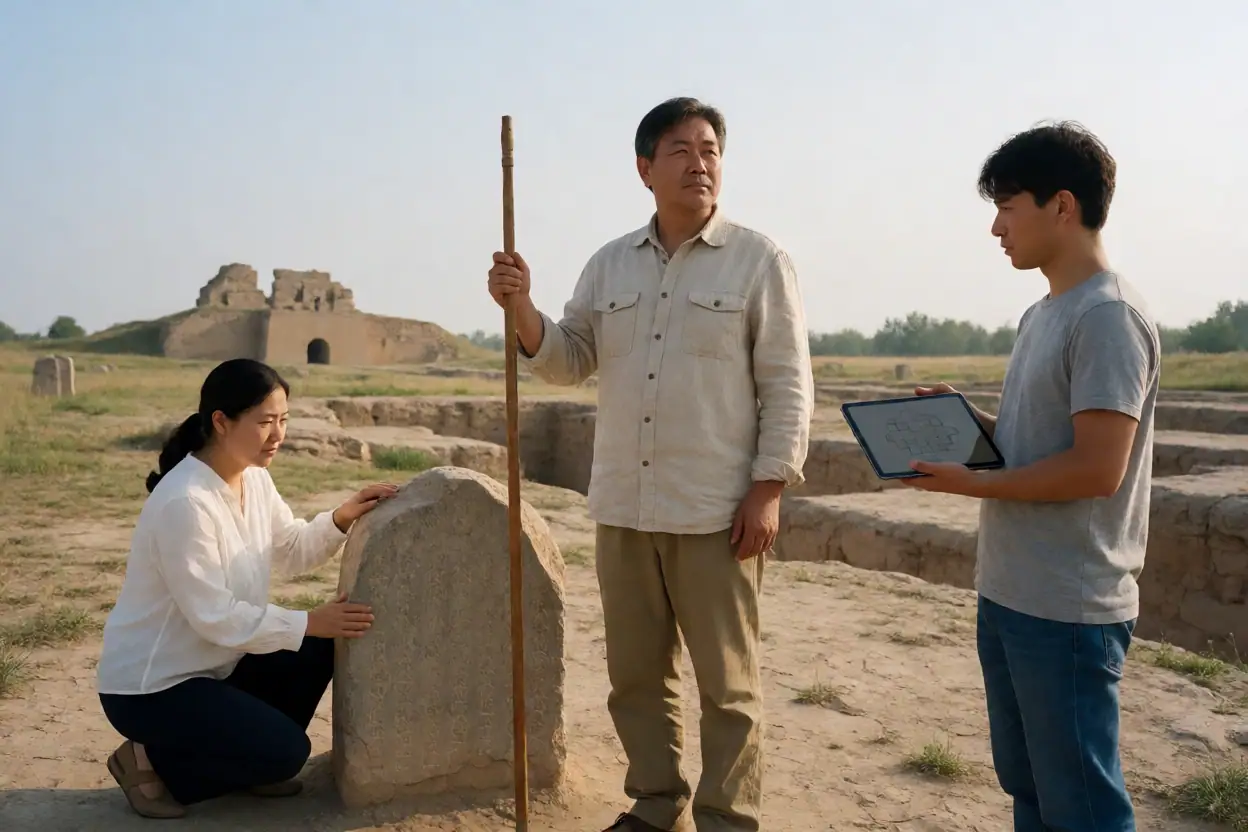
The Layout of Emperor Jing of Han’s Yangling Mausoleum and a Critical Examination of Tracing the Han Surname’s Roots
2026-09-23 · Source Materials Analysis
Yangling is the joint mausoleum of Emperor Jing of Han, Liu Qi, and Empress Wang. Its archaeological remains provide important clues for understanding the Western Han imperial mausoleum system, court life, and funerary rites. The “Han” in the name primarily refers to the dynasty and cannot be used to infer a relationship with the Han surname clan.
Historical Clues About Figures of the Yang Clan and a Critical Examination of Genealogical Origins
2026-09-23 · Source Materials Analysis
Existing records concern figures including Yang Zhou, Yang Chufu, Yang Qiu, Yang Wu, and Yang Xiaoben, whose lives span the Spring and Autumn period, the Eastern Han, the Sixteen Kingdoms, and the Northern Song. Their biographies can serve as clues to the historical distribution of the Yang clan, but they cannot directly prove that these figures shared the same ancestry, much less replace cross-checking among genealogies, local gazetteers, and official histories.
Zou Clan Memories and Clues for Tracing Family Roots Preserved in Ancestral Hall Remains
2026-09-23 · Source Materials Analysis
Multiple Zou clan ancestral halls and related remains survive in Jiangxi, Fujian, Jiangsu, Guangdong, Zhejiang, and elsewhere. Their architectural layouts, inscribed steles and plaques, couplets, and renovation records provide clues for studying local branches, family educational traditions, and migration patterns. However, whether the Zou clans in different areas share the same ancestry still requires item-by-item verification against genealogies, local gazetteers, and archival materials.
The Genealogical Value of Materials on Zou Shan, Zou Liang, and Zou Dan
2026-09-23 · Source Materials Analysis
Existing records concern three figures: the Ming-dynasty figures Zou Shan and Zou Liang, and Zou Dan of the Liu Song dynasty of the Southern Dynasties. They can be examined separately through their native places, participation in the imperial examinations, official careers, and writings. Sharing a surname is only a clue for tracing origins; whether they can be placed within a specific Zou clan branch still requires verification against family genealogies, local gazetteers, and primary sources.
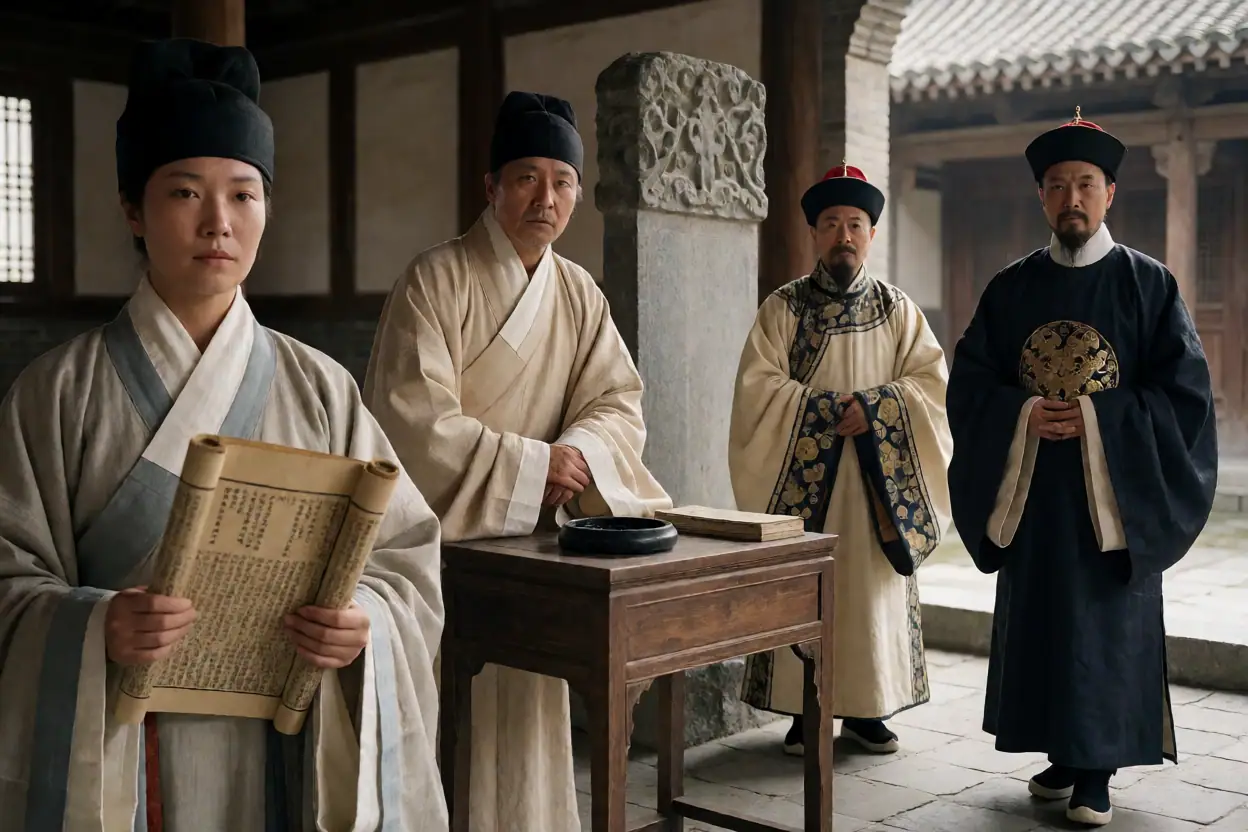
Historical Clues About Figures of the Lu Surname and a Critical Examination of Family Documents
2026-09-23 · Source Materials Analysis
Records of historical figures with the Lu surname concern the Five Dynasties, the Ming dynasty, and the Qing dynasty, with Lu Qianyi, Lu Shanji, Lu You, and Lu Chuanlin receiving particular attention. Their lives may serve as clues for tracing family roots, but they cannot directly prove the ancestral origins and lineages of the various Lu surname branches today. Each point still requires comparison against official histories, local gazetteers, inscriptions, and family genealogies.
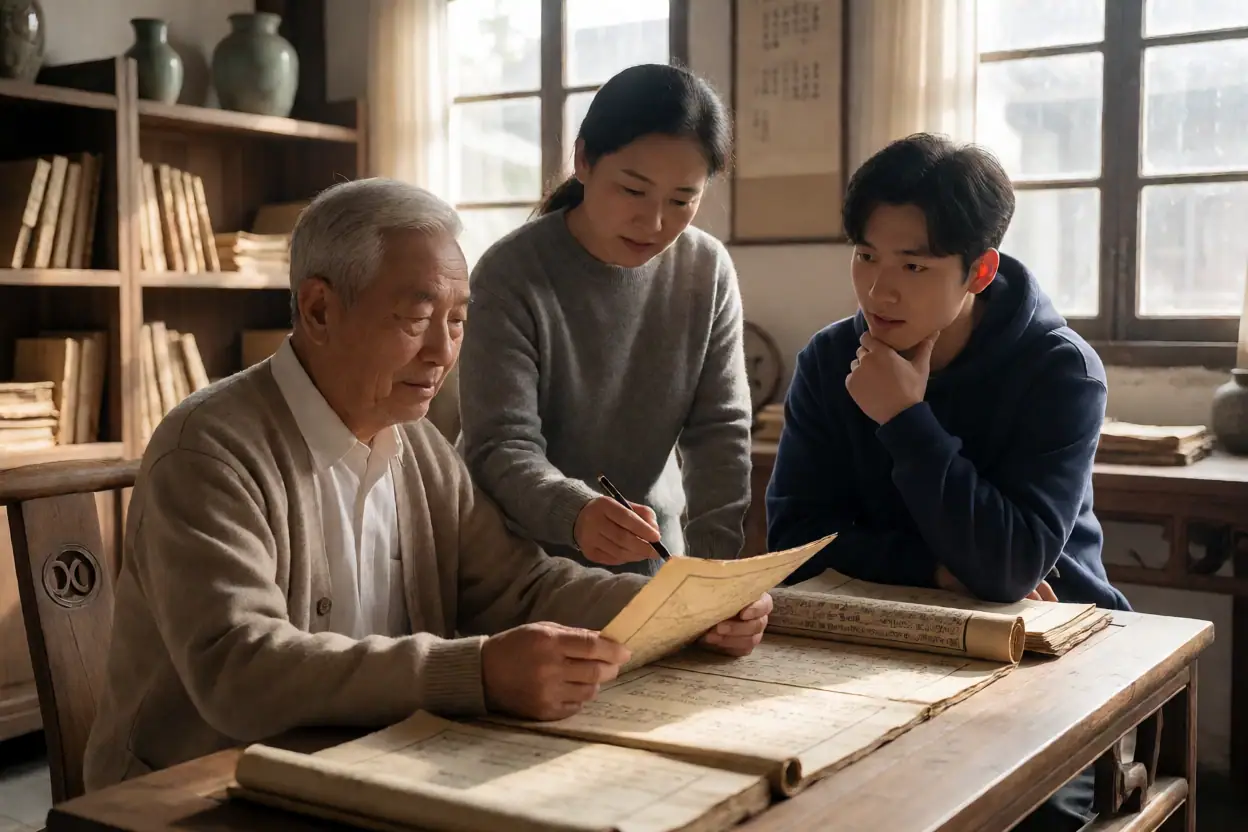
Variations in Generation-Name Sequences Among Ran Clan Branches and Clues for Tracing Family Roots
2026-09-23 · Source Materials Analysis
Records of Ran clan generation-name sequences are scattered across Chongqing, Hubei, Sichuan, Hunan, Henan, Shandong, Guangxi, Yunnan, and elsewhere. Some sequences are similar, while others differ markedly. Organizing these naming sequences can provide clues for comparing genealogies, tracing migrations, and interviewing clan members, but sharing a surname, a character, or a similar generation-name sequence alone cannot establish a common ancestry.
An Examination of Migration, Ancestral Rites, and Genealogical Clues Concerning Ran Clan Branches in Songzi
2026-09-23 · Source Materials Analysis
The genealogical clues of the Ran clan in Songzi begin with Ran Rufu’s migration to Songzi. They record branches including Miaozi Fang, Fenggao Fang, Mashui Fang, Wanli Fang, and Shuchong Fang, and preserve information on temple construction, the continuation and revision of generation sequences, and genealogy revisions during the Republic of China period. Some dates, the order of figures, and place names still require verification against genealogical volumes, local gazetteers, and field materials.
Tracing the Origins of the Feng Surname Through Genealogy: From Legend to Historical Verification
2026-09-22 · Source Analysis
Materials on the Feng surname involve different pronunciations, legends of ancient states, figures from the Spring and Autumn period, and branches in multiple locations. Existing clues are not yet sufficient to consolidate them into a single lineage. When tracing roots, family genealogies, local gazetteers, family memories, and migration records should be combined to cross-check ancestral homes, generational names, and relationships among branches.
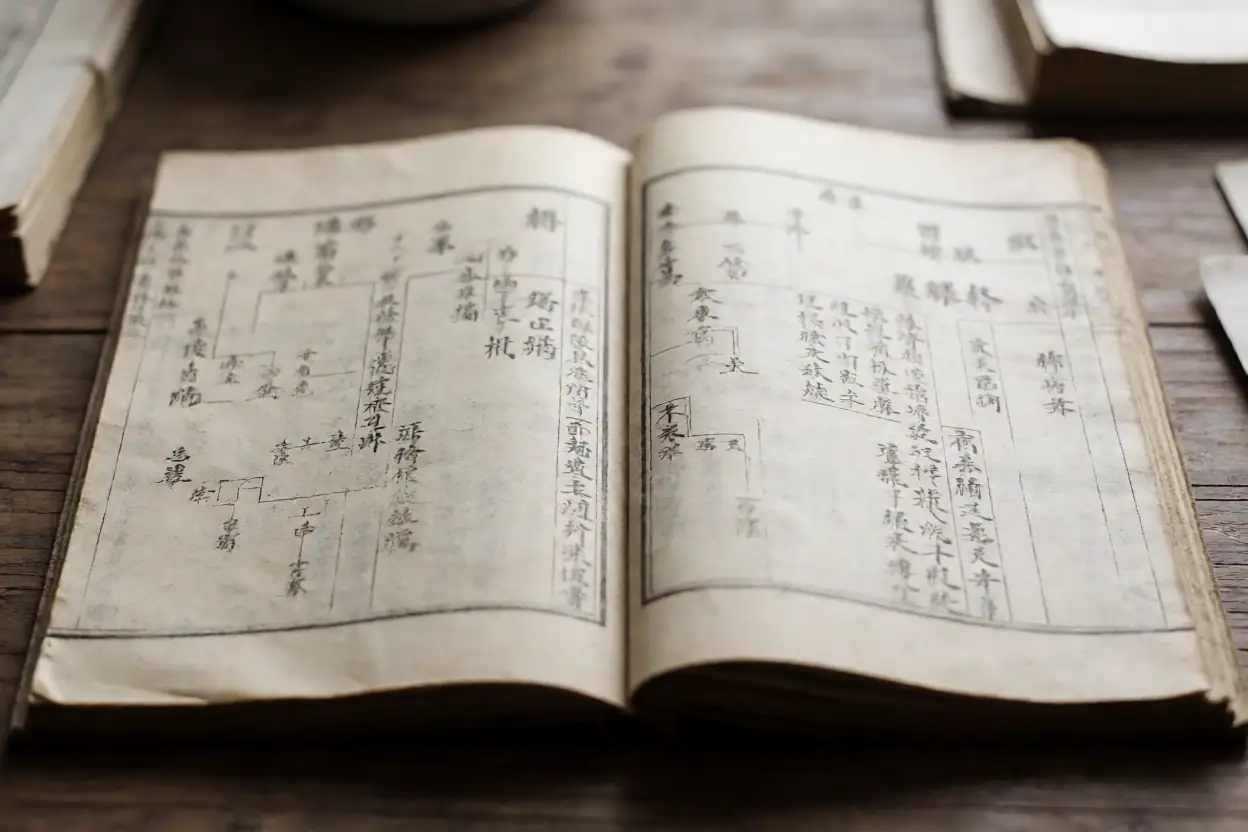
Hainan Zhu Genealogy Materials: Tracing Roots Through a Single Genealogy Volume
2026-09-22 · Source Analysis
Available clues indicate that the Hainan Zhu clan genealogy comprises four volumes plus a first volume; the relevant image album is labeled Book 5, with forty-four pages in total. The available materials do not yet clearly identify the compilation date, the first ancestor to migrate to Hainan, or the complete lineage. The genealogy pages should be cross-checked with local gazetteers and family memories.
Consultation and Historical Verification of Book 8 of the Xiaoyou Hall Ou Clan's 9th-Revision Genealogy
2026-09-22 · Source Analysis
Existing catalogue information indicates that Book 8 of the Ou Clan's 9th-Revision Genealogy belongs to the Xiaoyou Hall system and is marked as containing 57 pages. It can serve as a lead for organizing Ou clan documents and conducting root-tracing research, but its specific lineage, migrations, and compilation date still require verification against the genealogy pages and local documents.
Consultation and Root-Tracing Clues from the Shude Hall Ju Clan's Nanju Village Branch Genealogy
2026-09-22 · Source Analysis
The Shude Hall Ju Clan Genealogy: Nanju Village Branch Genealogy currently appears to be a 2-volume work compiled around one Ju clan branch in Nanju Village. Existing materials do not yet show a clear compilation date, compiler, or complete lineage; when consulting it, the genealogy pages, local gazetteers, and family memories should be cross-checked item by item.
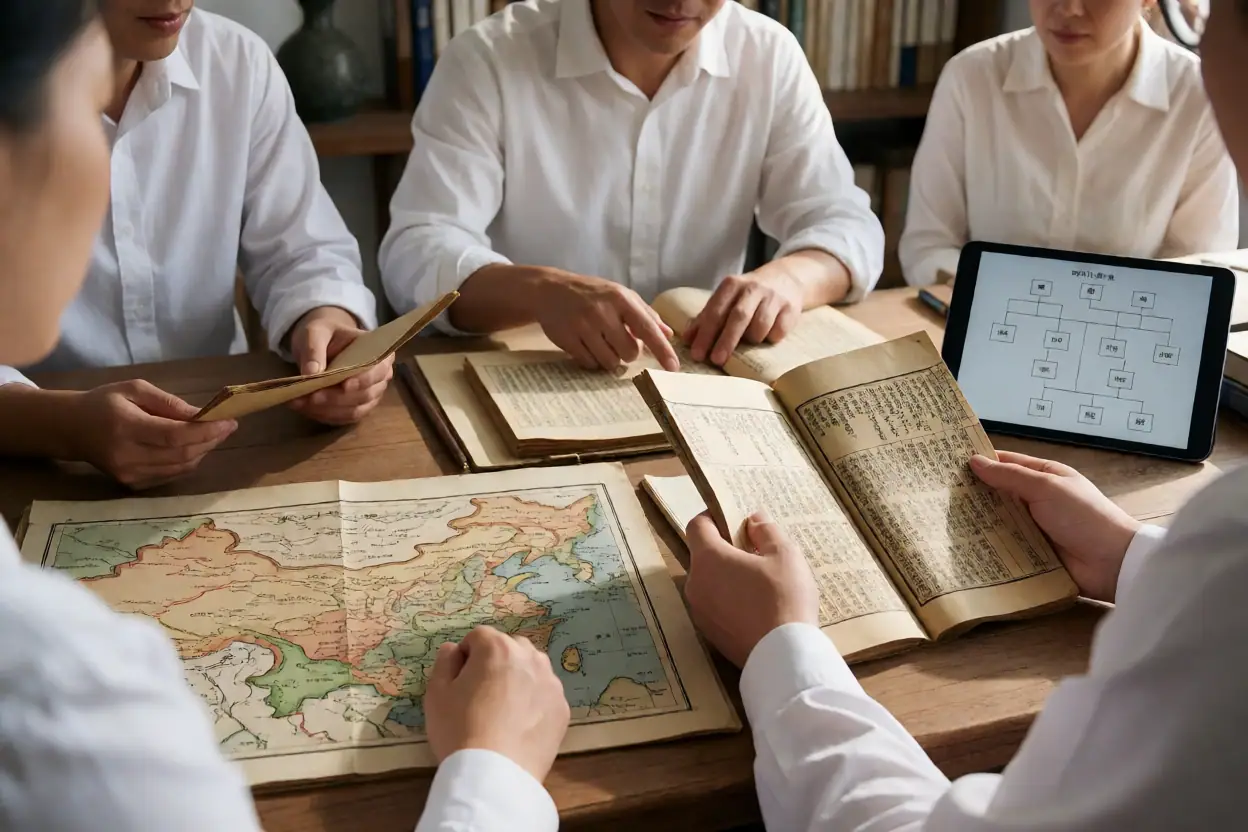
Historical Figure Clues and Critical Examination of the Jia Clan Lineage
2026-09-22 · Source Analysis
Historical figures including Jia Yi, Jia Sixie, Jia Dao, and Jia Dan demonstrate the cultural presence of the Jia surname in politics, agricultural science, literature, and geography, but sharing a surname cannot establish a clan relationship. Root-tracing still requires item-by-item verification against genealogies, local gazetteers, inscriptions, and family memories.
Documentary Clues and Reading Notes for Book 15 of the Luotian Fang Kuang Genealogy
2026-09-22 · Source Analysis
Existing catalogue records show that the Luotian Fang Kuang Genealogy is one of 20 volumes and bears the hall title 'Zhonglie Hall'; the related compilation and continuation dates are listed as 1666 to 1941. This article organizes the visible information on its documentary nature, methods of use, and key questions requiring verification during root-tracing.
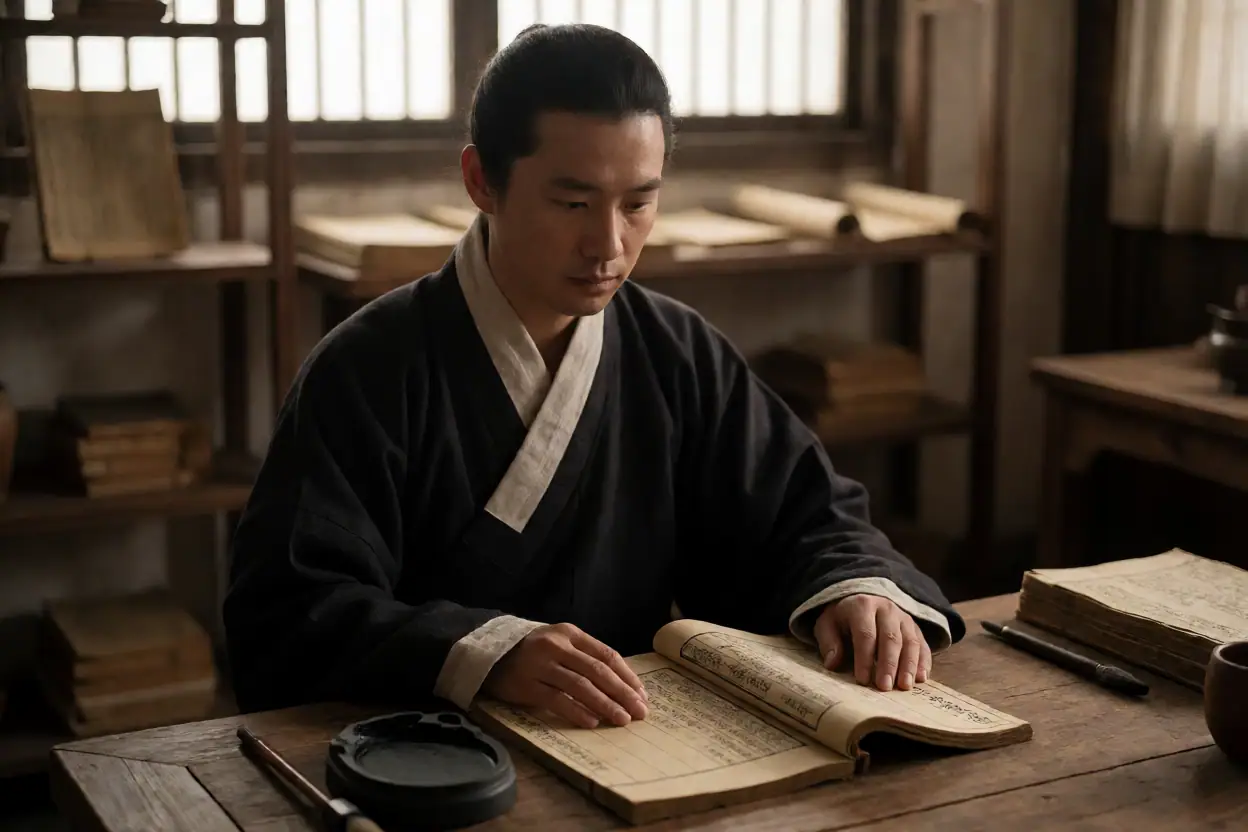
Book 22 of the Ke Clan Dacheng Genealogy: From Genealogy-Volume Clues to Family Root Tracing
2026-09-22 · Source Analysis
Existing catalogue information shows that the Ke Clan Dacheng Genealogy is preserved in separate books, with Book 22 marked as unsectioned and containing 130 pages. This volume can be approached through its title, book number, and preservation clues, followed by further verification of Ke clan branches, migration routes, and the local social context.
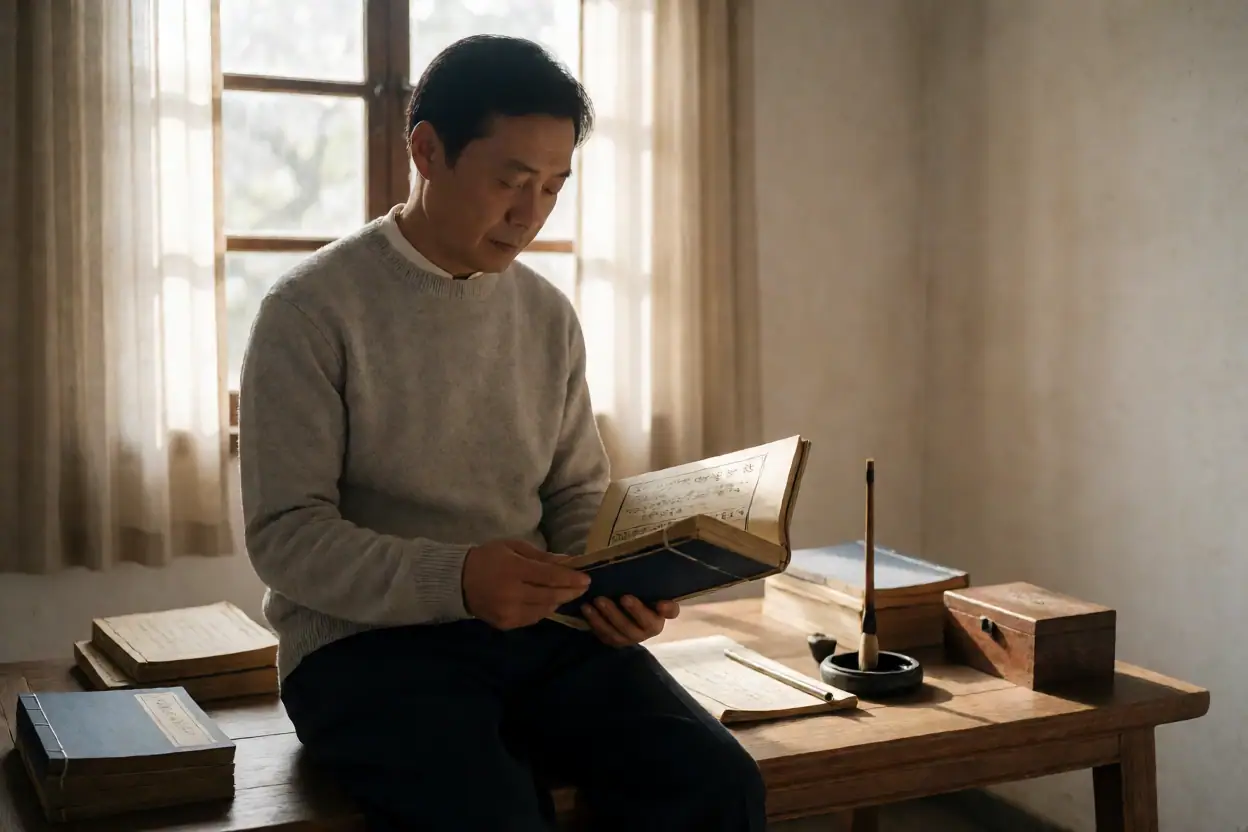
Volume Structure of the Xin'an Ke Clan Genealogy and Clues for Root-Tracing Use
2026-09-22 · Source Analysis
Existing bibliographic records indicate that the Xin'an Ke Clan Genealogy consists of 26 volumes, along with one front-matter volume and one end-matter volume; the material currently available is the first book. Since the date of compilation, compilers, first ancestor to migrate, and specific lineage remain unclear, they should be further verified against the genealogy preface, table of contents, local gazetteers, and family documents.
Historical-Source Clues from Ao Surname Figures' Memories and Family Root Tracing
2026-09-22 · Source Analysis
Historical figures bearing the Ao surname appear across local gazetteers, biographical accounts, and family documents. Organizing clues concerning Ao Yue, Ao Xinzu, Ao Taosun, and modern and contemporary figures can help clarify the Ao surname's patterns of activity in different regions, but the figures' affiliations, migration relationships, and lineage continuity still require item-by-item verification against genealogical records, local gazetteers, and original archives.
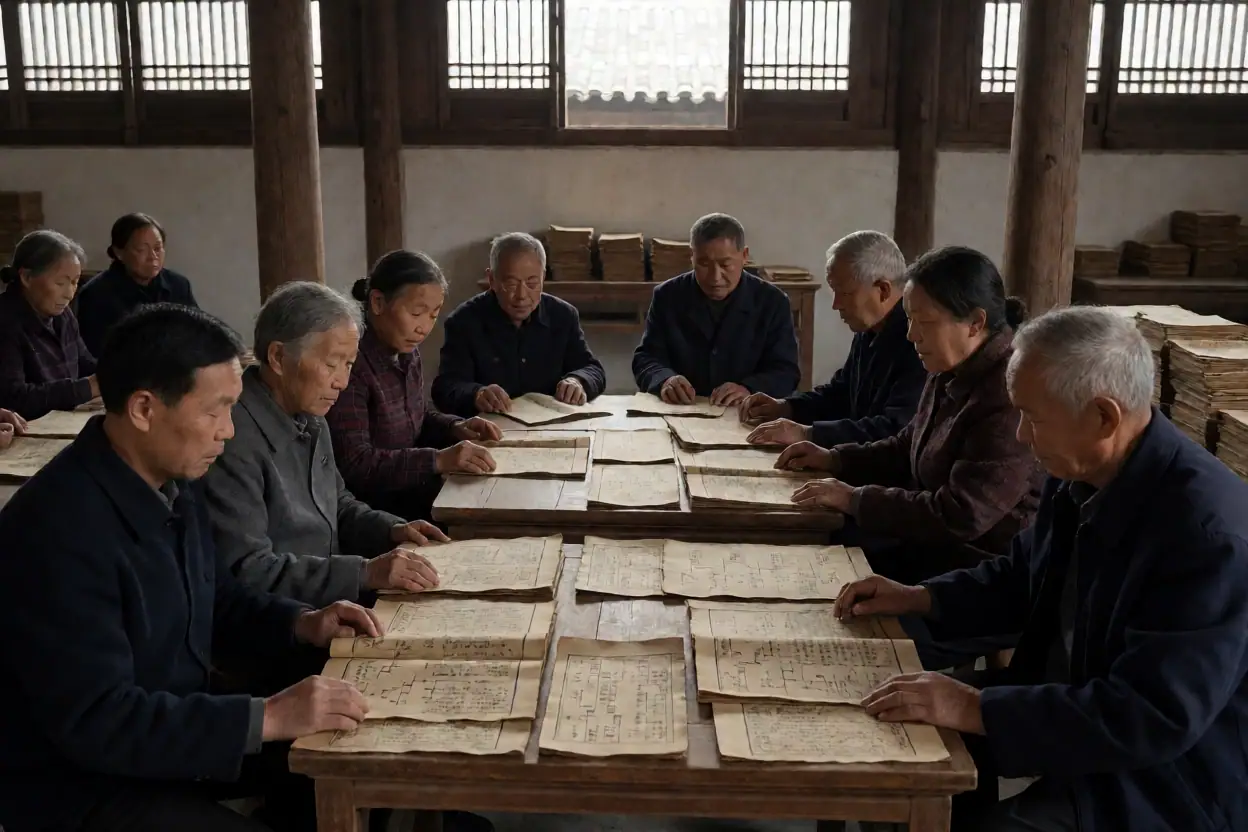
Organizing Su Clan Genealogical Memories and Hunan–Guangxi Migration Clues
2026-09-22 · Source Analysis
Existing materials present family memories and genealogy-compilation activities of the Su clan in places such as Ziyuan, Guangxi, and Xupu, Hunan. The legend that Wancheng Gong changed his surname and the migration records of the branch descended from Shihuan Gong are different in nature and still require separate verification against genealogy prefaces, local gazetteers, inscriptions, and household-registration materials.