Clues to the Migration and Genealogical Continuity of the Si Surname: From Local Memory to the Verification of Lineages
Existing materials indicate that family memories associated with the Si surname are found in Hefei, Fengqiu, Chaoyang in Liaoning, and some local communities, covering migration, generation names, ancestral temples, and genealogy compilation. Whether Si families in different regions share a common ancestry still requires layered verification against genealogical records, local gazetteers, and physical evidence.
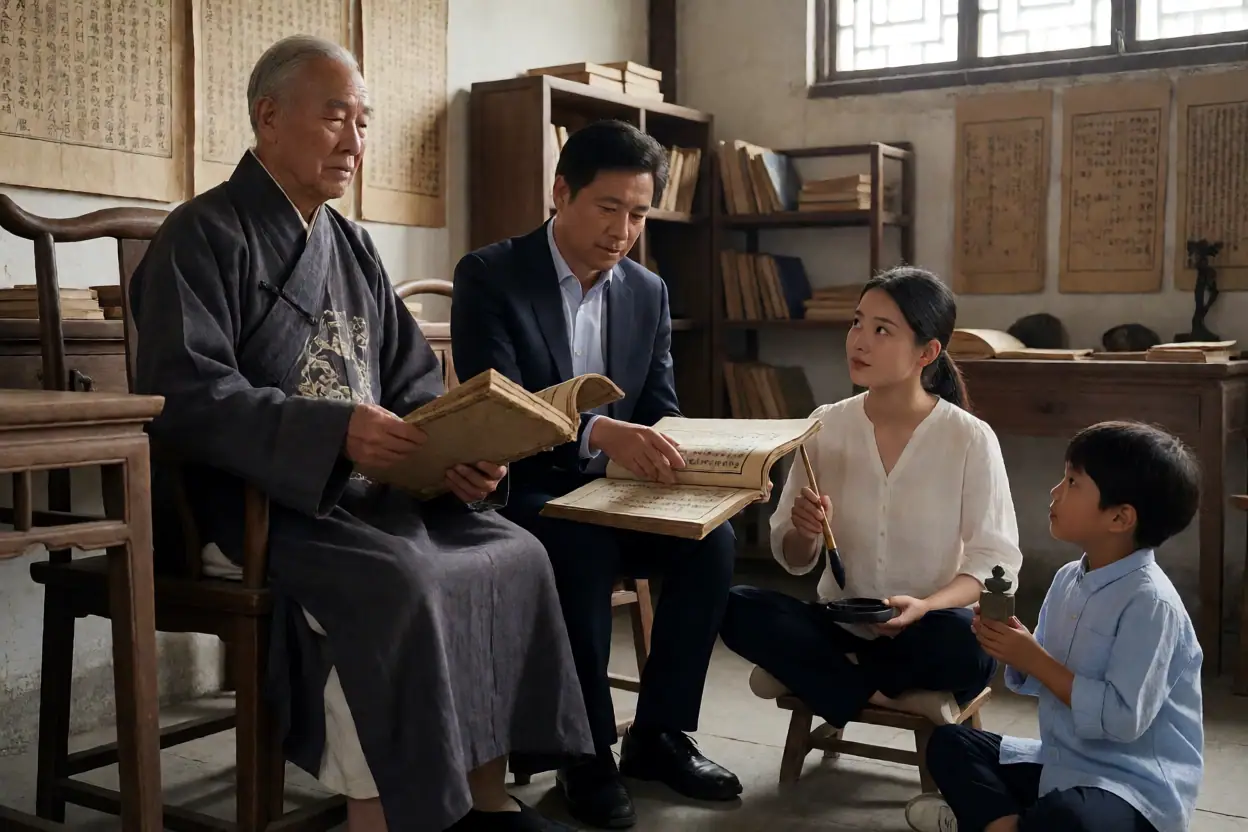
The organization of Si surname materials cannot determine clan relationships solely from the surname itself; it must also examine specific branches, places of residence, and genealogical records. Existing clues concern northern Hefei, Fengqiu in Henan, Chaoyang in Liaoning, and the Chantang Lake area. They include genealogy catalogs and prefaces to genealogy revisions, as well as local memories concerning villages, temples, and family stories. Together, these materials reveal how Si communities maintained family identity in different regions, but they are not yet sufficient to directly prove that the branches in these places descended from the same founding ancestor.
Materials on the Hefei Si family state that one local branch traditionally traces its founding ancestor to “Xiangshan Gong.” Its ancestors are said to have originated in Waliba, Jiangxi, migrated to the area around Wushitou Town in northern Hefei in the late Yuan and early Ming periods, and later dispersed to nearby areas and other regions. The genealogy also preserves the generation names used from the fourteenth generation onward: “Wen Yun Hong Kai Sheng, Wu Cheng Yong Zhen Yang, An Bang Long Shi Tai, Ding Guo Qing Jia Xiang.” Such generation-name information can serve as a reference when comparing different branches, but the original genealogy version, revision date, scope of application, and actual usage must be confirmed. Two clans should not be deemed connected solely because they share the same generation names.
The catalog of the Liaoning Chaoyang Si genealogy includes a preface, generation ranking, migration, family expansion, hereditary succession, and records of several branches, indicating that local genealogy compilers sought to preserve family history from the perspectives of population growth and branch-line descent. Materials from the Fengqiu Si genealogy revision emphasize the relationship between clan genealogies, dynastic histories, and local gazetteers, reflecting how traditional genealogy compilation served both to honor distant ancestors and to record family changes and regulate relationships among descendants. Specific individuals, dates of relocation, and the continuity of branches should still be corroborated against genealogy pages, tombstones, contracts, local gazetteers, and other contemporaneous records.
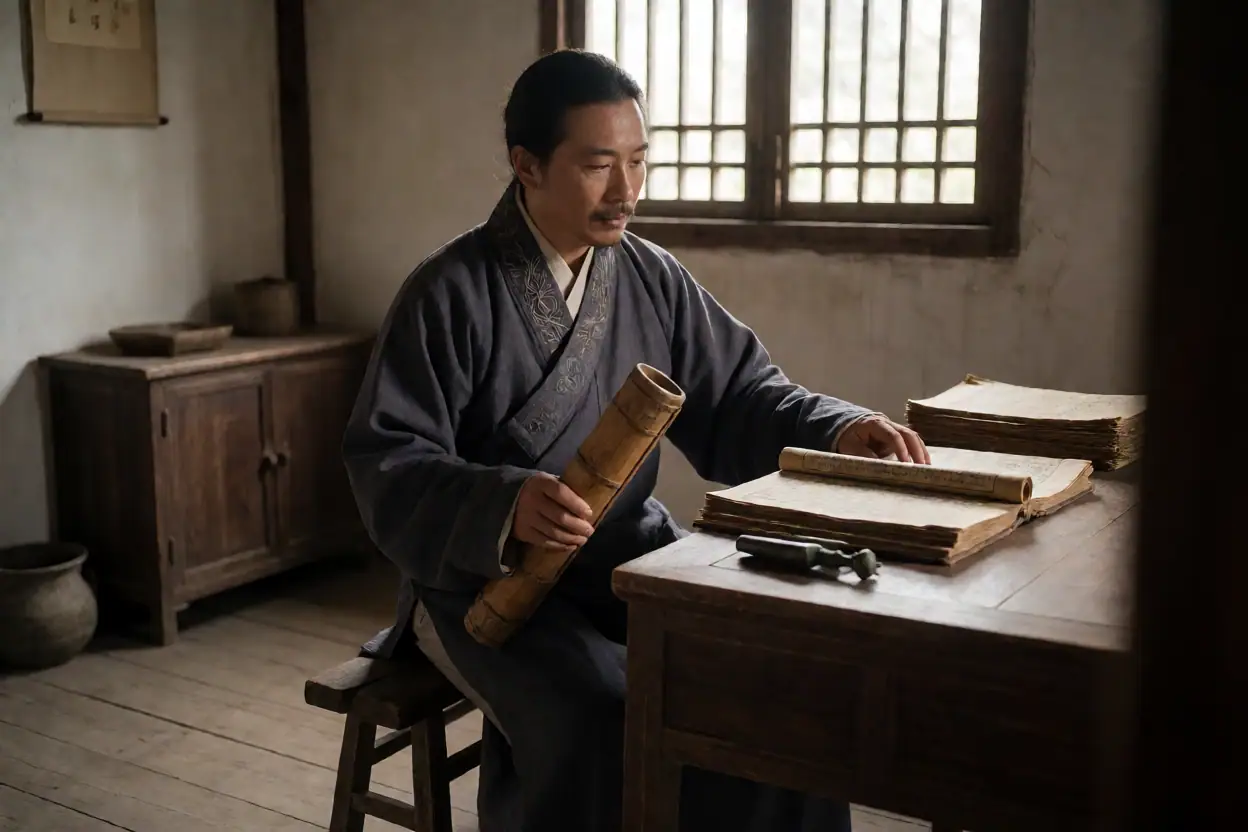
The legends surrounding the Si Temple at Chantang Lake provide another type of local cultural material. The related narratives center on Sijiazhuang, Gaohuang Temple, and changes in village names, preserving villagers’ explanations of place-name origins and public spaces. Folk stories can reflect local memory, social interactions, and village culture, but the relationships among figures, dates of events, and chains of causation in these stories should not be used directly as family lineages or historical facts. To study the relationship between Sijiazhuang and the Si family, it is also necessary to consult local administrative histories, temple inscriptions, land documents, and genealogical records.
When tracing the roots of the Si surname, one may first search surname databases for clues to Si genealogies in different regions, then use online genealogies to compare information on the first ancestor to migrate, lineage verses, places of residence, and branch divisions. Family memoirs are suitable for supplementing accounts of modern and contemporary relocations, marriages, and careers, while local gazetteer databases can help verify changes in village names, administrative jurisdiction, and surviving ancestral temples. For material that has not yet formed a complete chain of evidence, it is advisable to label it as “legend,” “recorded in the genealogy,” or “awaiting verification,” while retaining the original source and variant readings. Only after multiple types of material correspond with one another can the migration route and lineage continuity of a particular Si branch be discussed with reasonable confidence.
Learn More and Verify
- Migration Clues and Family Memory of the Da Surname: From the Western Regions to Various Parts of Shaanxi and Gansu
- Clues to the Migration of the Da Surname in Gansu and Genealogical Verification
- The Distribution and Migration Clues of the Xi Surname in Hebei: From Village Memories to Genealogical Research
- Clues to the Migration of the Zhang Surname in Anxi and Family Memories
Genealogy Knowledge and Methods for Compiling Genealogies · Finding Genealogies and Local Gazetteers · Organize family-root-seeking leads