The Completion of the Lian Ancestral Hall in Lianjia Geduo, Linfen, and Family Memory
Lianjiageduo Village in Linfen, Shanxi, once held a completion celebration for the Lian Clan Ancestral Hall and a Jinzu ceremony, attended by representatives of Lian clanspeople from several regions and local members of the clan. The relevant records document the construction of the ancestral hall, ancestral rites, and communication among clan members, while also indicating that further efforts to trace family roots still require verification against genealogies and local sources.
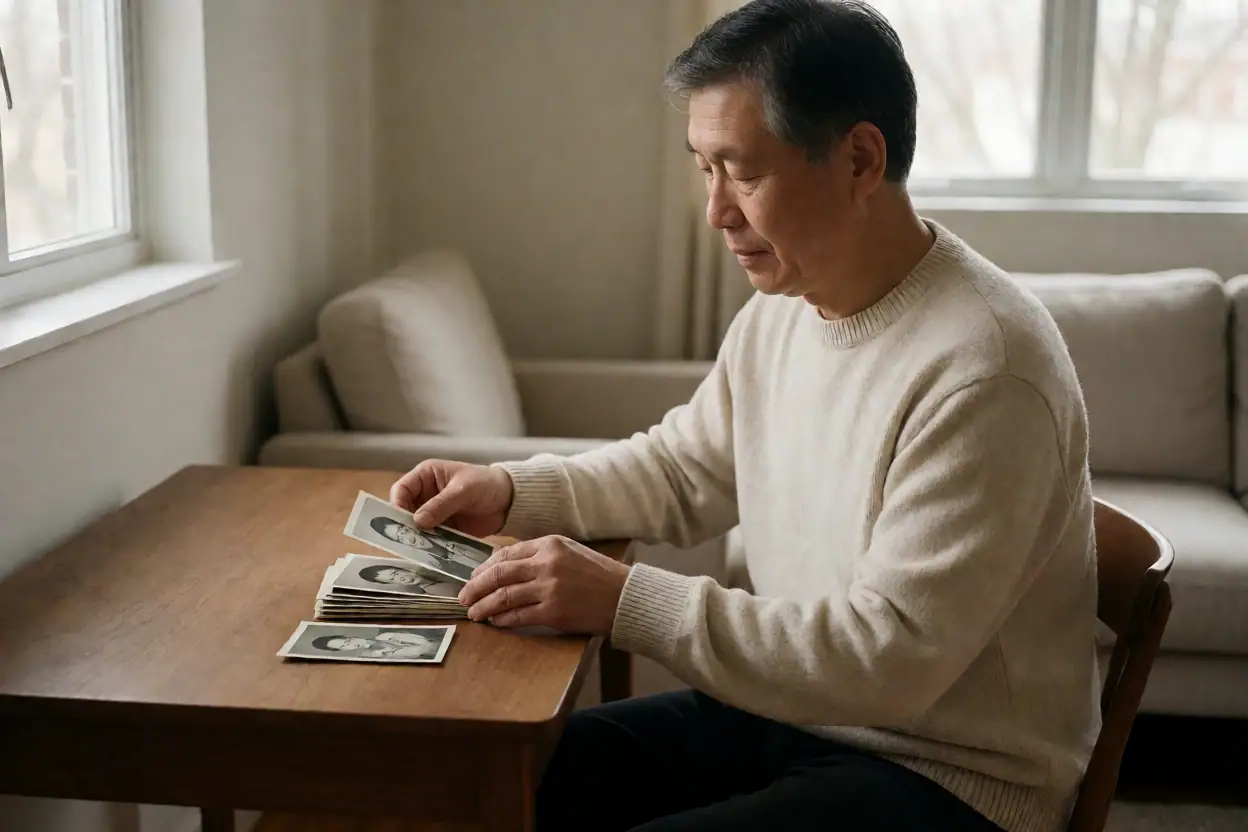
The completion celebration for the Lian ancestral hall in Lianjia Geduo Village, Linfen, Shanxi, together with the ancestral enshrinement ceremony, was a family cultural event centered on the completion of the ancestral hall, ancestor-worship rituals, and connections among clan relatives. Existing records indicate that the event was held in autumn. After being refurbished, the ancestral hall welcomed guests in a relatively solemn setting, with ceremonial arrangements including drums, music, and cannon salutes, while the ancestor-worship ceremony was completed around the Zhongyuan Festival. Lian clan members from Lianjia Geduo Village and representatives of Lian clan relatives from Shanxi, Henan, Hebei, Fujian, Zhejiang, and other places attended the event. The number of participants was recorded as more than 200.
From the perspective of family culture, an ancestral hall is not only a space for worship; it often also serves to preserve genealogical records, recount migrations, confirm kinship, and pass down family traditions. For the Lian clan of Lianjia Geduo, the completion of the ancestral hall meant that the local clan community had a relatively fixed vehicle for preserving collective memory. For clan relatives from elsewhere, attending the ceremony also provided an opportunity to exchange information about branch lineages and seek clues to a shared ancestral origin. However, the emotional identification expressed during a ceremony cannot be equated directly with complete proof of lineage. People with the same surname may belong to different lines of descent, and even those from the same locality still need to compare materials item by item, including generation names, genealogy prefaces, tombs, ancestral-hall property records, and local gazetteers.
Existing reference materials on the Lian surname list “Hedong Hall” as one of the associated hall names and include Hedong, Taiyuan, Henan, and other places among traditional commanderies of origin or clues to distribution. The materials also indicate that the Lian surname has multiple lines of origin, with related accounts involving place names, official titles, and local branches. This can only show that the historical distribution of the Lian surname has a multi-origin, multi-regional character; it cannot establish that the Lian branch of Lianjia Geduo necessarily descended from a particular ancient progenitor or shares a common lineage with every Lian family. What generally needs to be confirmed first is the first ancestor to migrate to the locality whose line can be traced continuously, the date of migration, the ancestral place of residence, and the relationships among the branches of each household line.
Further ancestral research can begin with inscriptions at the ancestral hall, rebuilding records, worship registers, and surviving genealogies, which can then be cross-referenced with information on individuals, generation names, and migrations in online genealogies. Oral family recollections can help identify former residences, burial sites, and branch arrangements, but their dates and lineages should still be checked against original documents. Local gazetteer databases can be used to look up the history of villages, administrative jurisdictions, disasters and population movements, and records of related individuals. Through the cross-referencing of surname materials, online genealogies, family memoirs, and local documents, the completion of the ancestral hall becomes more than a record of a celebration; it can also serve as an important point from which to observe the history of the local Lian clan, family memory, and contemporary connections among clan relatives.
Learn More and Verify
- The Shangdang Lian Ancestral Hall: Family Memory and Genealogical Clues in Surviving Historic Architecture
- Compiling a Genealogy with Movable Wooden Type: The Continuation of a Craft and Family Memory
- Shang family settlements in Shandong: Village names, migrations, and family memories
- Clues about Guan-Surname Figures and Family Memory: From Source Analysis to Root-Seeking
Genealogy Knowledge and Methods for Compiling Genealogies · Finding Genealogies and Local Gazetteers · Organize family-root-seeking leads