Organizing Su Clan Genealogy Memories and Clues to Migration Between Hunan and Guangxi
Existing materials present family memories and genealogy-compilation activities of the Su clan in places such as Ziyuan, Guangxi, and Xupu, Hunan. The legend that Wancheng Gong changed his surname and the migration records of the branch descended from Shihuan Gong are different in nature and still require separate verification against genealogy prefaces, local gazetteers, inscriptions, and household-registration materials.
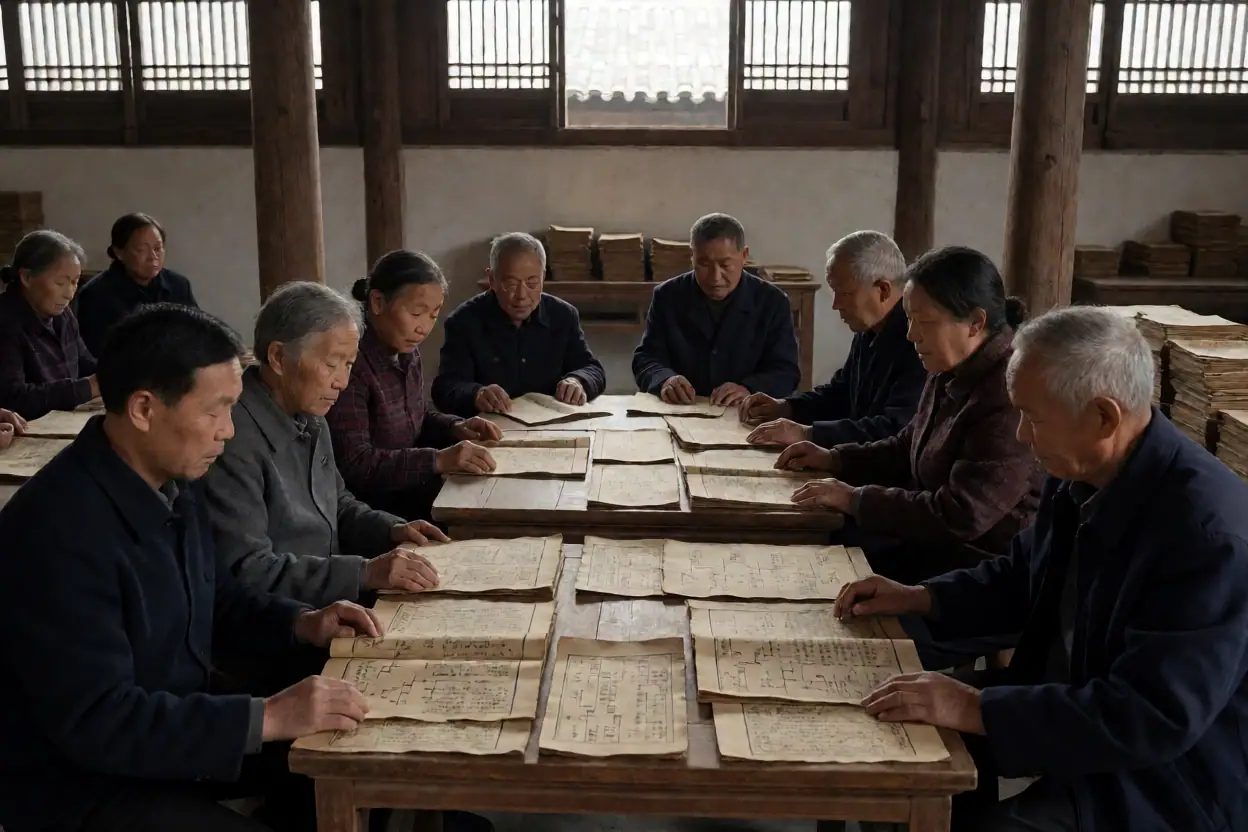
At present, the history of the Su clan can be organized by starting with two sets of clues: those from Ziyuan, Guangxi, and those from Xupu, Hunan. Both involve ancestral narratives, migration processes, ancestral halls, and genealogies, but the existing materials are insufficient to prove that they belong to the same lineage. Even when surnames are identical, this alone cannot establish that the families share the same clan origin. A generation-by-generation comparison is still required, using the names of the first ancestors to migrate, generation names, genealogy prefaces, records of spouses and offspring, and other evidence.
A family story about Wan Cheng Gong’s change of surname has been passed down in the Ziyuan area of Guangxi. According to the relevant genealogy narrative, Wan Cheng Gong was originally surnamed Xiong and lived during the Song dynasty. Following an upheaval, he took his family to seek refuge in the area of present-day Ziyuan County, Guangxi. He once hid in a field of millet, and after escaping danger, adopted “Su” as his surname and settled locally. The story also mentions “Sanqianjie” or Laoshangjie, as well as places such as Longxi Village and Shitian Village. Such narratives preserve the clan members’ collective memory of the origins of their surname and the founding of their settlement. However, independent documentary corroboration is currently lacking for the identities of the people involved, the specific dates, changes in place names, and the reasons for the surname change. The account should therefore be regarded as a genealogical version or oral tradition of one Su branch, rather than directly characterized as the common origin of all people surnamed Su.
Materials concerning Xupu, Hunan, are relatively concentrated. In July 2018, representatives of Su clan members from multiple provinces and counties attended a genealogy-display and fellowship event at the ancestral hall in Jingjiang Village, Huangmaoyuan Town, Xupu County. Reports stated that several hundred genealogies from different periods and regions were exhibited at the event. Genealogical records concerning the Shi Huan Gong branch state that it moved from Taihe County, Ji'an Prefecture, Jiangxi, to the Longtan area of Xupu, Hunan, during the Hongwu era of the Ming dynasty; the date given as 1395 is relatively specific. The materials also mention that the ancestral hall in Jingjiang Village was built around 1780 and that clan members began compiling the genealogy of this branch around 1799. These dates may serve as reference points for further investigation, but the original old genealogies, prefaces from successive editions, ancestral-hall inscriptions, and local gazetteers should still be checked to confirm whether the conversion of reign dates and the transmission of the texts are accurate.
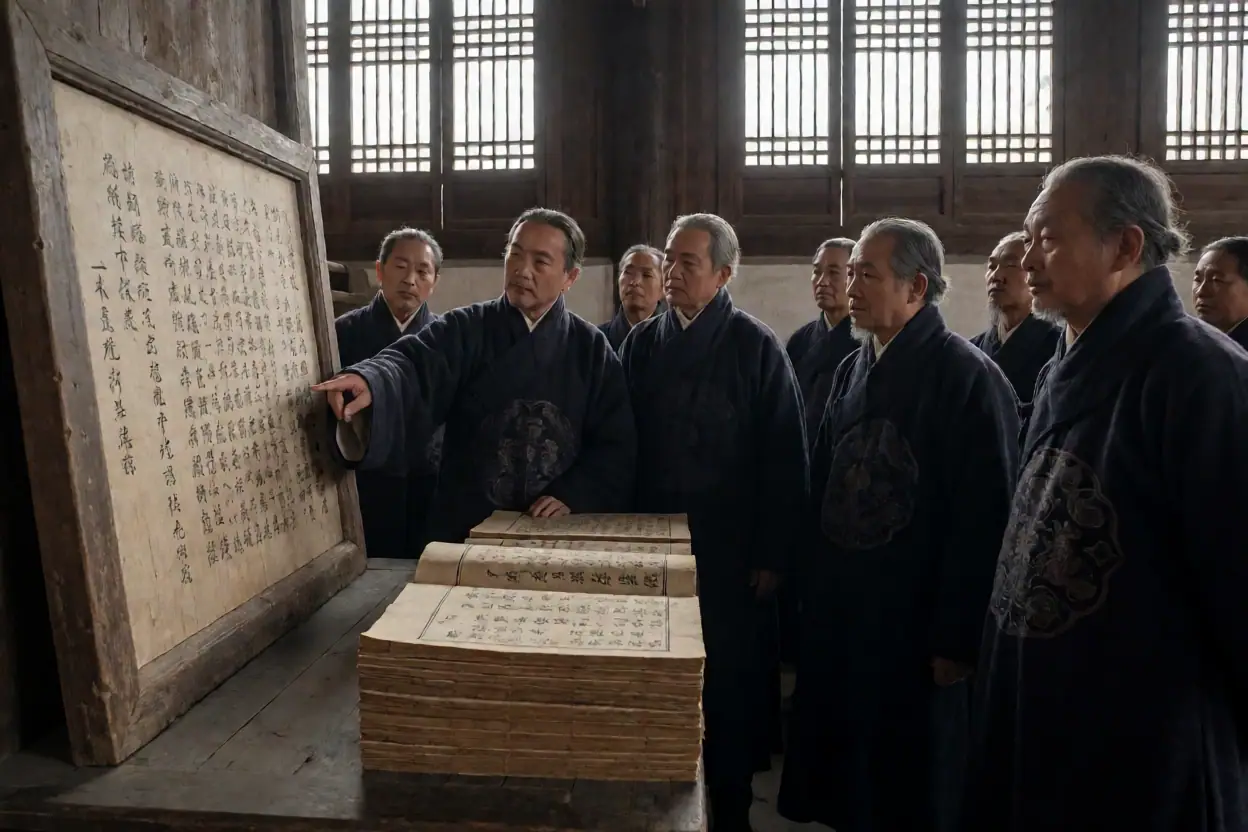
From the perspective of genealogical research, separate online family trees can first be established for the Wan Cheng Gong line in Ziyuan and the Shi Huan Gong line in Xupu. Identifiable lineages, generation names, places of residence, and migration points can be entered, with each record indicating the genealogy edition and compilation date on which it is based. Old photographs, experiences of ancestral rites, accounts of relocation, and memories of ancestral-hall repairs can be organized into family memoirs and preserved separately from the genealogical records. Local gazetteer databases can be used to search the administrative history, village names, and background of population movements in Ziyuan County, Xupu County, Taihe County in Jiangxi, and other places.
The value of Su clan materials lies not only in tracing a particular ancestor, but also in preserving the historical memories formed independently by different branches. If genealogy book covers, prefaces, lineage pages, rubbings of inscriptions, and local documents with clear sources can subsequently be assembled and cross-checked by person, date, and place, it may gradually become possible to clarify whether verifiable connections exist among the branches.