Ji Clan Migrations in the Ming Dynasty: Branch Distribution Through Genealogical Clues
Existing Ji clan genealogies and local records preserve clues about the migration of Shanxi residents away from their homeland in the early Ming dynasty, as well as the relocation of some Ji branches to Shandong, Shaanxi, and other areas. These materials can serve as a starting point for ancestral-roots research, but the ancestral origins, lineage, and relationships among branches still require item-by-item verification against original genealogies, local gazetteers, and family memories.
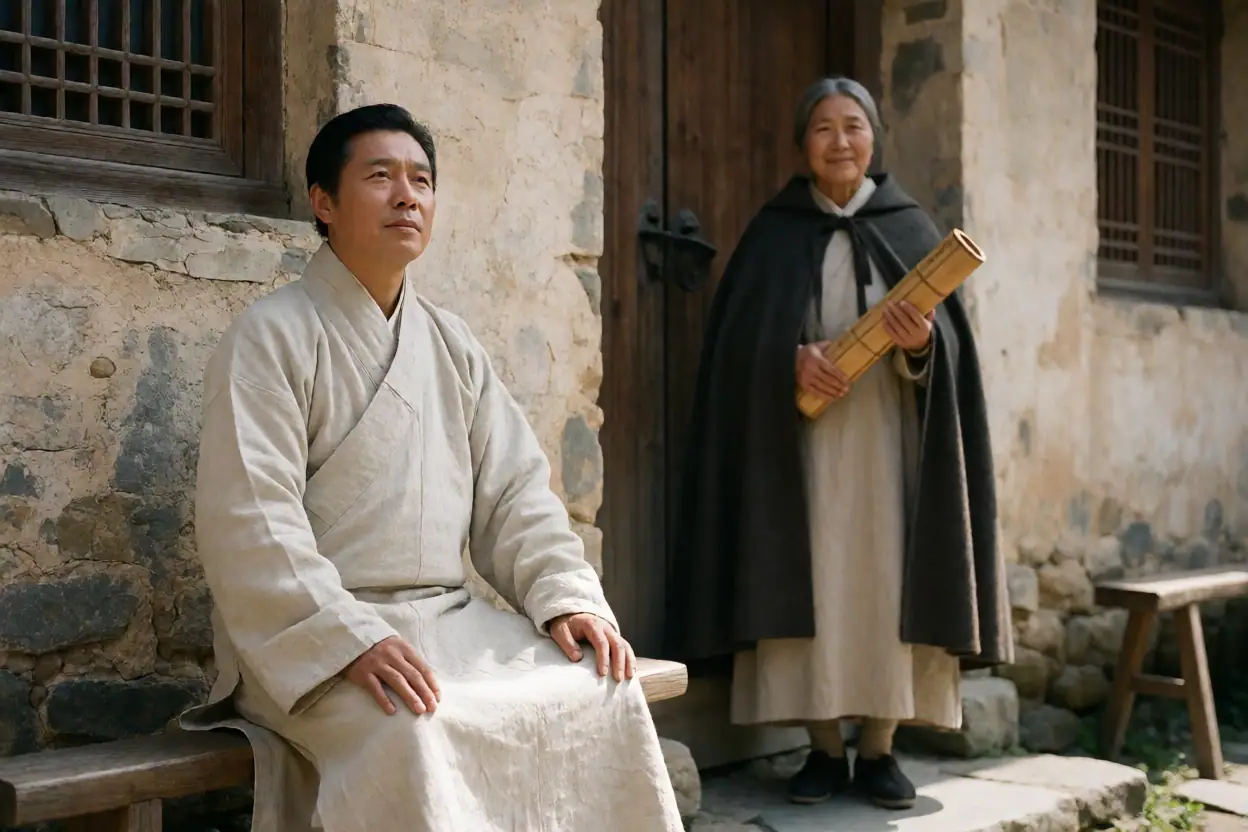
The Ming Dynasty was a period when Ji genealogies gradually became more numerous and records of branches in different regions began to grow more detailed. Existing sources frequently connect accounts of Ji migrations with the historical context of the relocation of Shanxi residents in the early Ming Dynasty. Since the end of the Yuan Dynasty, some areas had experienced warfare and population decline. In the early Ming Dynasty, population relocations were organized on multiple occasions to restore production and strengthen local communities, and the area around Hongdong in Shanxi became a central location for handling migration affairs. Later, many families referred in oral accounts and genealogies to the “Great Locust Tree of Hongdong” as the general ancestral point of departure. This expression has a broad foundation in popular memory, but it does not mean that the specific ancestral origins of all related branches can be directly confirmed on that basis.
Genealogical records of some Ji branches indicate that their migrations involved areas including Shandong, Shaanxi, Henan, Hebei, Gansu, and Hubei. Among them, sources from the Weifang area of Shandong state that in the second year of the Hongwu reign, a branch of Ji Min moved from Donggou Village, Wenxi County, Taiyuan Prefecture, Shanxi, to Xiami Village, Chongdao Township, east of the Weixian county seat in Pingdu Zhou, Laizhou Prefecture. His descendants multiplied locally and formed a village branch. Whether all of the Ji surname settlements now identified in parts of Hanting District, Weifang, descend from the same lineage should still be corroborated through the genealogies of each household branch, epitaphs, ancestral hall property records, and local archives.
Among records of Ji migrations in Qingzhou, Shandong, and surrounding areas, one account states that Ji Letian moved from Hongdong, Shanxi, to Qingzhou Prefecture, with descendants later distributed across Linqu, Shouguang, and other places. Another record concerns Ji Cui's move to Chiping in Liaocheng and identifies Ji Cui as the founding migrant ancestor of the local Ji clan. It is important to note that “founding migrant ancestor” usually refers to the earliest ascertainable founding figure of a particular household branch in a specific place of residence, and is not equivalent to the common ancestor of the entire Ji surname. Even in different areas, people who share the same surname and ancestral hall name may have multiple origins and branches.
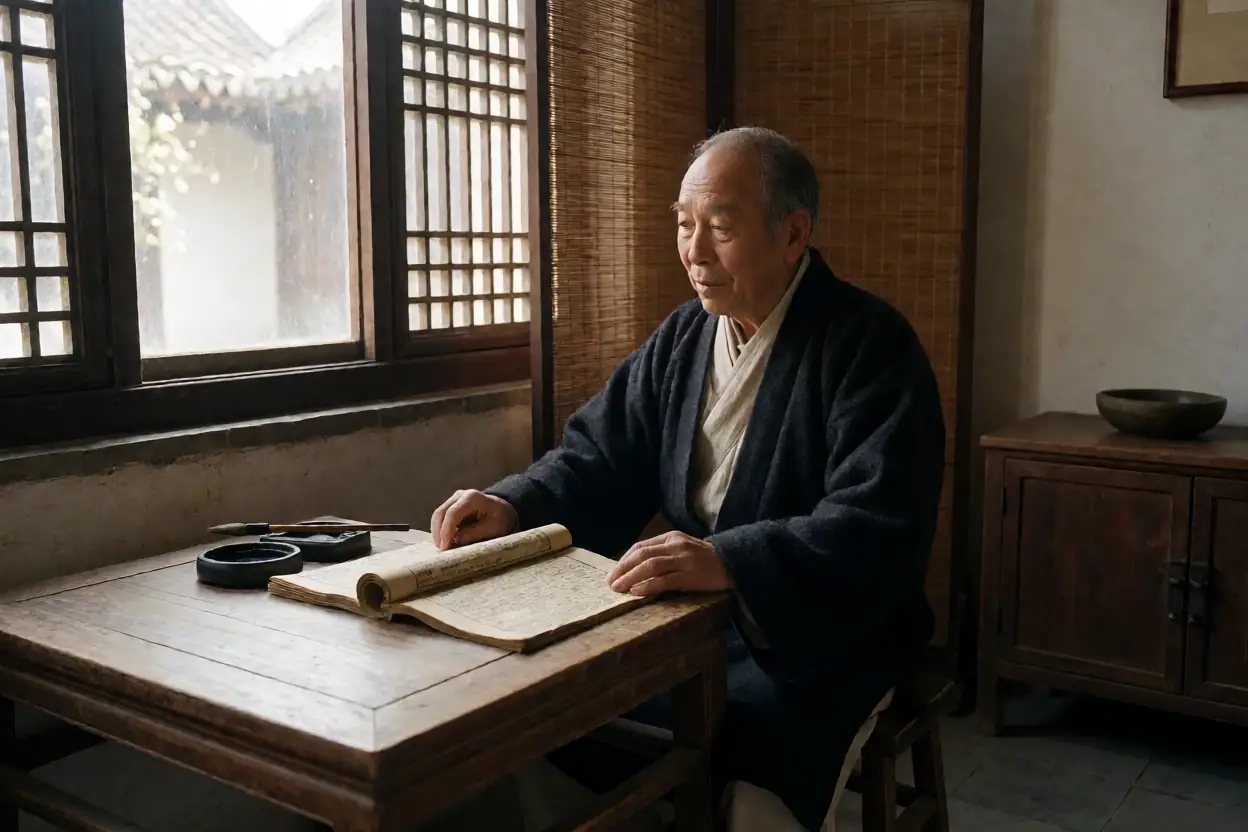
In Shaanxi, a genealogy associated with the Ji clan of Xunyang records the ancestral home as Hongdong County, Pingyang Prefecture, Shanxi, and states that in the second year of the Hongwu reign, the family moved to Xiyuan Village, Jiajiachi, Hancheng County, Tongzhou Prefecture, Shaanxi, where it subsequently settled and multiplied. Records of this kind reflect the migration route of a particular family branch. The specific generations of the individuals involved, the names of their places of origin, and the years of migration should still be cross-checked against original genealogical texts, county gazetteers, lijia records, and burial information. Some place names underwent changes in administrative divisions over the course of history and cannot simply be replaced with their modern equivalents when referring to Ming-era designations.
When researching the history of Ji migrations, online genealogies can help organize generation names, places of residence, individuals, and variant readings among genealogical editions, while family memoirs can help preserve modern and contemporary memories of relocation, branch divisions, ancestral hall construction, and ancestor worship. When tracing one's roots, one can first record ancestral villages, ancestors' names, generation names, burial sites, ancestral halls, and marital relationships, and then compare them with local gazetteers, genealogy catalogs, and historical maps. Hall names, commanderies of origin, and supposed common ancestors should be treated as clues requiring further investigation rather than as automatic proof of blood relationships. Only when lineages are continuous, dates and places correspond, and multiple types of evidence mutually support one another can the relationships among different Ji branches be assessed with reasonable confidence.
Learn More and Verify
- The Distribution and Migration Clues of the Xi Surname in Hebei: From Village Memories to Genealogical Research
- Migration clues and branch analysis in the genealogical records of the Pan clan
- Clues to the migration and distribution of the Shu surname and pathways for tracing family roots
- An overview of the historical distribution and migration clues of the Pang surname
Genealogy Knowledge and Methods for Compiling Genealogies · Finding Genealogies and Local Gazetteers · Organize family-root-seeking leads