Xiangxi Yongshun Xinhua Village Hengzheba Peng Family Memories
Hengzheba in Xinhua Village, Yongshun, Hunan, preserves rich memories of the Peng clan’s settlement, changes in the village, and Tujia place-name culture. Existing accounts include migration legends, surviving old houses, and traditions of mutual assistance within the clan, but the identity of the founding ancestor, the dates of migration, and the links between generations still require further examination against genealogies, inscriptions, and local gazetteers.
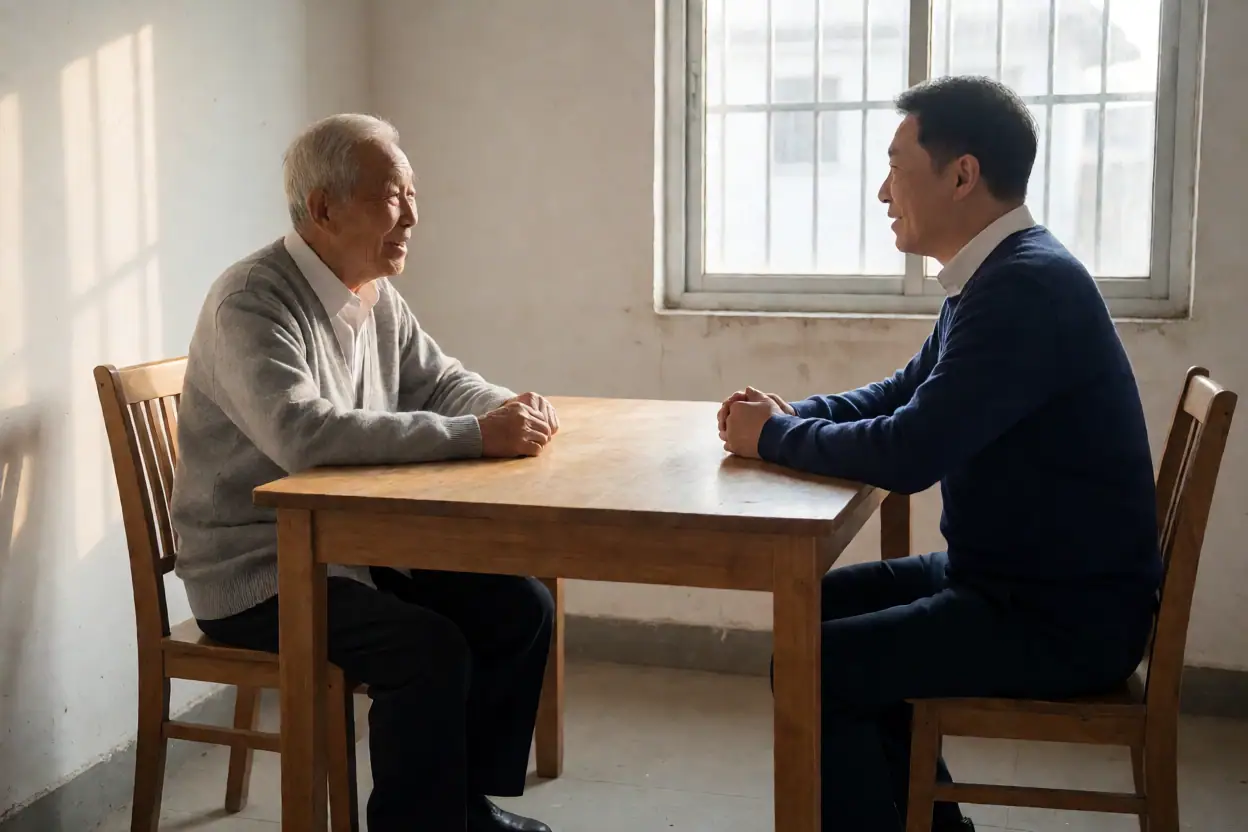
In Xinhua Village, Yongshun County, Xiangxi Tujia and Miao Autonomous Prefecture, Hunan Province, Hengzheba is described in local memory as a Tujia village where the Peng family lived in concentrated numbers. Various explanations circulate for the name “Hengzheba,” including a local-language interpretation that “ba” may relate to a hillside; local people also once used several Chinese characters to approximate the pronunciation of the Tujia name. As names of this kind were often passed down orally, their exact pronunciation, meaning, and early written forms should still be examined against old maps, gazetteers of place names, and interviews with local elders.
The village lies among waterways associated with the Mengdong River basin, surrounded by an intricate landscape of gorges, mountains, and rivers. Existing accounts describe its terrain as a “peninsula” and mention local names such as Paku Mountain and Quanquanku Mountain. Houses in the settlement are distributed along mountain ridges and terraces. Old houses, timber-frame dwellings, flagstone paths, retaining walls, and stilted houses characteristic of Tujia architecture together form the village landscape. Descriptions such as “a land of trailing gourds” and “where the phoenix alighted” belong to popular feng shui narratives. They may be preserved as family memories and elements of local culture, but should not be treated directly as historical fact.
The currently available accounts of the origins of the Hengzheba Peng family are not entirely consistent. Village legend holds that their ancestors migrated from Gao'ping Gangzixi around the Ming dynasty, while another account places their earlier residence around Guanyinshan Mitanglao or Shuijingwan. Different statements also appear concerning their ancestral line, including descent from Mingliang Gong and from Mingfu Gong. Another oral account names the first ancestor to settle there as Peng Da and places his tomb on the banks of the Baizhou River. These details have not yet formed a complete, mutually corroborating chain of evidence. In particular, the place of departure, time of arrival, ancestors’ names, and intervening generations need to be checked item by item against old genealogical prefaces, tomb inscriptions, contracts, ancestral spirit tablets, and genealogies of neighboring branches.
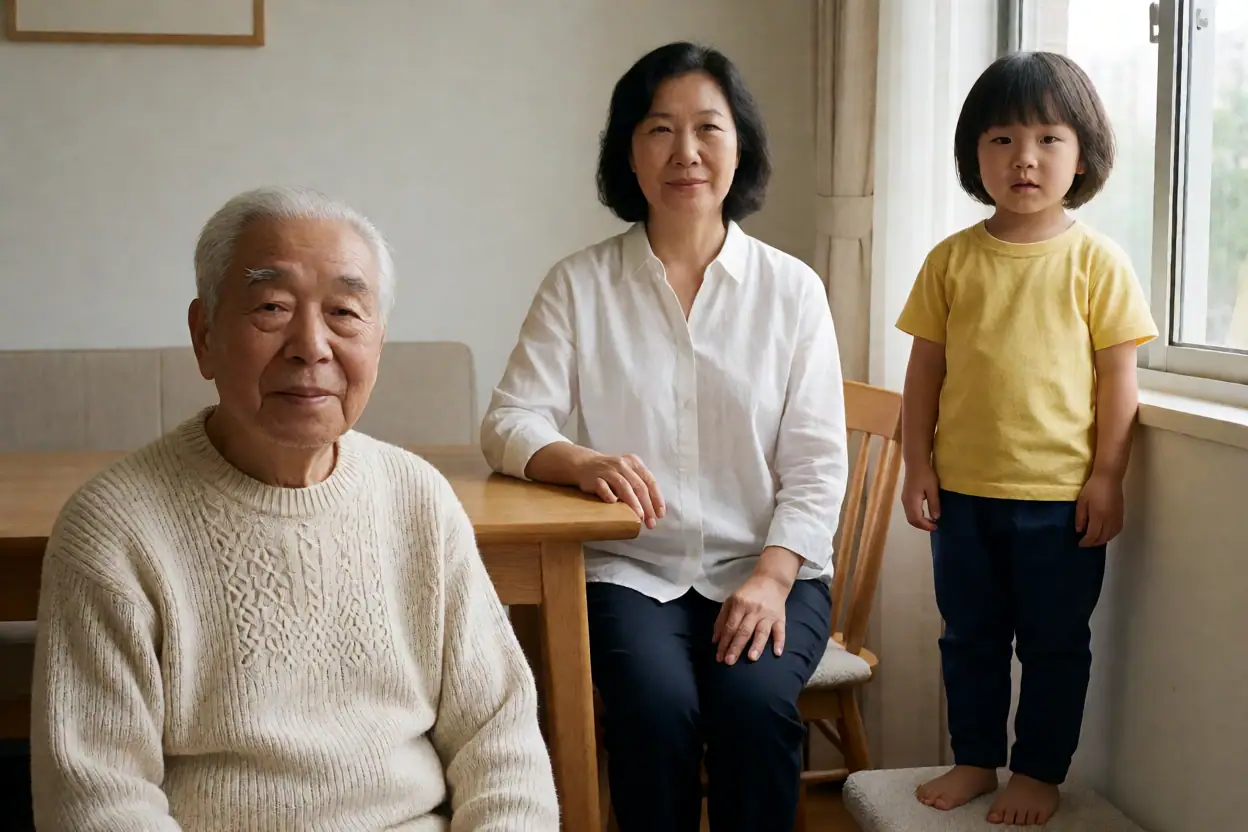
The surviving old houses provide another avenue for researching family life. According to memory, the old residences were substantial timber structures with side rooms, stone steps, flagstone paths, and traces of enclosing walls, and were associated with the later increase in population and the process of families dividing into separate households. The dates of construction and the builders remain difficult to determine from oral accounts alone; inscriptions on building components, repair records, land documents, and on-site surveying may provide further evidence. During the Republican period, clan members discussed village affairs collectively and assisted one another. Wuxing, Wugang, Wuyi, and Wubang are regarded in these accounts as important coordinators; their specific identities and the dates of their activities should still be checked against household registers, local administrative archives, or family documents.
In ZongMai surname materials, the Peng surname is associated with commanderies such as Longxi, Yichun, and Huaiyang, and records include hall names such as “Longxi Hall.” Its historical distribution encompasses Hunan, Sichuan, Jiangxi, Hubei, Guangdong, and other regions. However, sharing a surname does not mean sharing the same lineage, and these generalizations cannot directly prove the hall name or ancestral origin of the Peng family in Xinhua Village. When organizing the history of the village, an online genealogy can be used to establish relationships of individuals, marriages, residences, and generations, while variant oral accounts can be marked separately. Family memoirs can preserve Tujia place names, memories of life in old houses, and stories of mutual assistance. Research into ancestral roots should also be cross-referenced with administrative changes, changes in village names, and population records in local gazetteers. Only by placing genealogies, material evidence, archives, and oral testimony on a single timeline may it gradually become possible to clarify the migration and transmission of this branch of the Peng family.
Learn More and Verify
- Guo family memories and ancestral-root clues through “Tianbao Dang”
- Zou family memories and ancestral-root clues in the remains of the ancestral hall
- Family Memories and Ancestral-Tracing Leads of the Peng Surname on Baide Street, Xingren, Guizhou
- Compiling a Genealogy with Movable Wooden Type: The Continuation of a Craft and Family Memory
Genealogy Knowledge and Methods for Compiling Genealogies · Finding Genealogies and Local Gazetteers · Organize family-root-seeking leads