Legends of Famous Figures of the Yin Clan and Family Roots: From Yin Jifu to Yin Zhen
Accounts of historical figures of the Yin surname appear in official histories, poetry and prose, as well as local gazetteers, burial legends, and genealogies. Figures such as Yin Jifu and Yin Zhen reveal the multifaceted character of Yin-surname culture, but the deeds of famous figures and the genealogical lines of specific families still need to be cross-checked step by step against documentary and local sources.
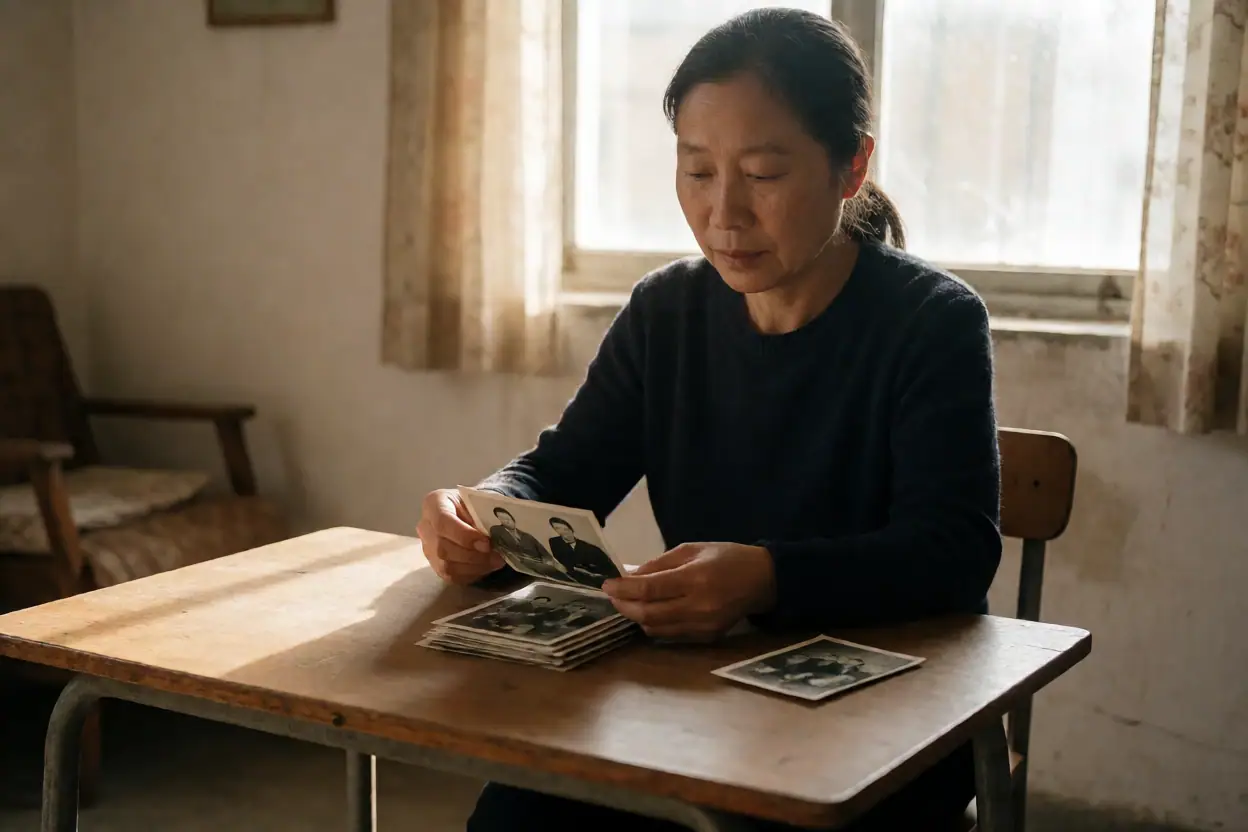
The Yin surname appears in historical records dating back to the pre-Qin period. The activities of related figures covered a broad area and included people involved in government administration, military affairs, and the development of ritual institutions, as well as figures who advanced local education and cultural transmission. When compiling information on notable members of the Yin surname, it is not enough to consider whether they merely shared the surname; attention should also be paid to the era in which they lived, their places of activity, official identities, and whether family documents can corroborate one another. The reputation of famous figures can help explain surname culture, but it cannot directly prove that members of a particular branch shared a common ancestor.
Yin Jifu is a figure who frequently appears in historical narratives of the Yin clan. Traditional accounts place him in the reign of King Xuan of the Western Zhou and hold that he participated in the affairs of the Zhou court and led troops in resisting northern groups. Accounts of his identity, names and titles, native place, and burial site are not entirely consistent across different texts and local traditions. Some narratives associate him with sites in the Fangling and Fang County area, while other materials mention related remains in Nanpi, Luzhou, and elsewhere. Bronze-inscription evidence, poetic traditions, and local cultural memory offer different perspectives for studying this figure, but these clues must be examined separately in terms of chronology, textual character, and transmission history; they cannot simply be combined into a single definitive conclusion.
Yin Zhen is often regarded as an important early figure in education and cultural transmission in southwestern China. Extant texts record that he lived during the Eastern Han, traveled far to pursue his studies, and taught the classics after returning to his native place, giving rise to accounts that “learning first began in the southern region.” Local gazetteers and folk memory also often commemorate him through surviving sites such as an archway in his native place and the former site of an academy. The dates of Yin Zhen’s birth and death, the scope of his native place, and the details of his official career should still be checked against reliable official histories, editions of local gazetteers, and excavated materials. Commemorative narratives have important local cultural value, but later embellishments within them should also be distinguished from earlier sources.
From the perspective of family research, descendants of the Yin surname who wish to trace a connection with historical figures should first organize the surviving genealogies, prefaces to genealogies, tomb inscriptions, ancestral-hall records, family memoirs, and oral accounts of migration within their own branch. They should then list, item by item, the first ancestor to migrate to the area, generation names, hall names, places of residence, and marital relationships recorded in these materials. Online genealogies can be used to identify clues such as identical genealogies in different locations, connections between generation names, and changes in place names. Local gazetteer materials can help verify historical and present-day administrative divisions, figures’ activities, and the evolution of villages. By combining surname databases, genealogical documents, and ancestry-search records to gradually establish correspondences among “figure—place—period—branch,” research can be conducted more reliably.
It is especially important to note that sharing a hall name does not mean belonging to the same lineage, and living in nearby places does not necessarily indicate a blood relationship. Branches of the Yin surname in different regions may have different origins, and accounts of remote ancestors in genealogies may also have been shaped by the period in which a genealogy was compiled, copying errors, and local traditions. For historical figures such as Yin Jifu and Yin Zhen, the more cautious approach is to treat them as important references for Yin-surname culture and local history, while preserving the genealogical evidence of one’s own family separately and verifying it independently.
Learn More and Verify
- The verification pathway for the legend of the Xi surname’s origin and tracing the family’s roots
- Naming Girls with the Jin Surname and Tracing Family Roots: Approaching Surname Culture Through Names
- He Surname Distribution and Tracing Family Roots: From Organizing Clues to Verifying Lineages
- The Origins and Development of the Dai Surname and Family Roots: From Gaoyang Hall to Local Branches
Genealogy Knowledge and Methods for Compiling Genealogies · Finding Genealogies and Local Gazetteers · Organize family-root-seeking leads