The Origins and Genealogical Roots of the Dai Surname: From Gaoyang Hall to Local Branches
Materials on the Dai surname reflect the coexistence of multiple lines of origin, with records referring to Gaoyang Hall as well as the regional designations Gaoyang, Henan, and Pingyuan. Clues to Dai surname distribution can be found in Yunnan, Guizhou, Sichuan, Guangxi, Hunan, and elsewhere, but specific branches still require step-by-step examination against genealogies, local gazetteers, and family memories.
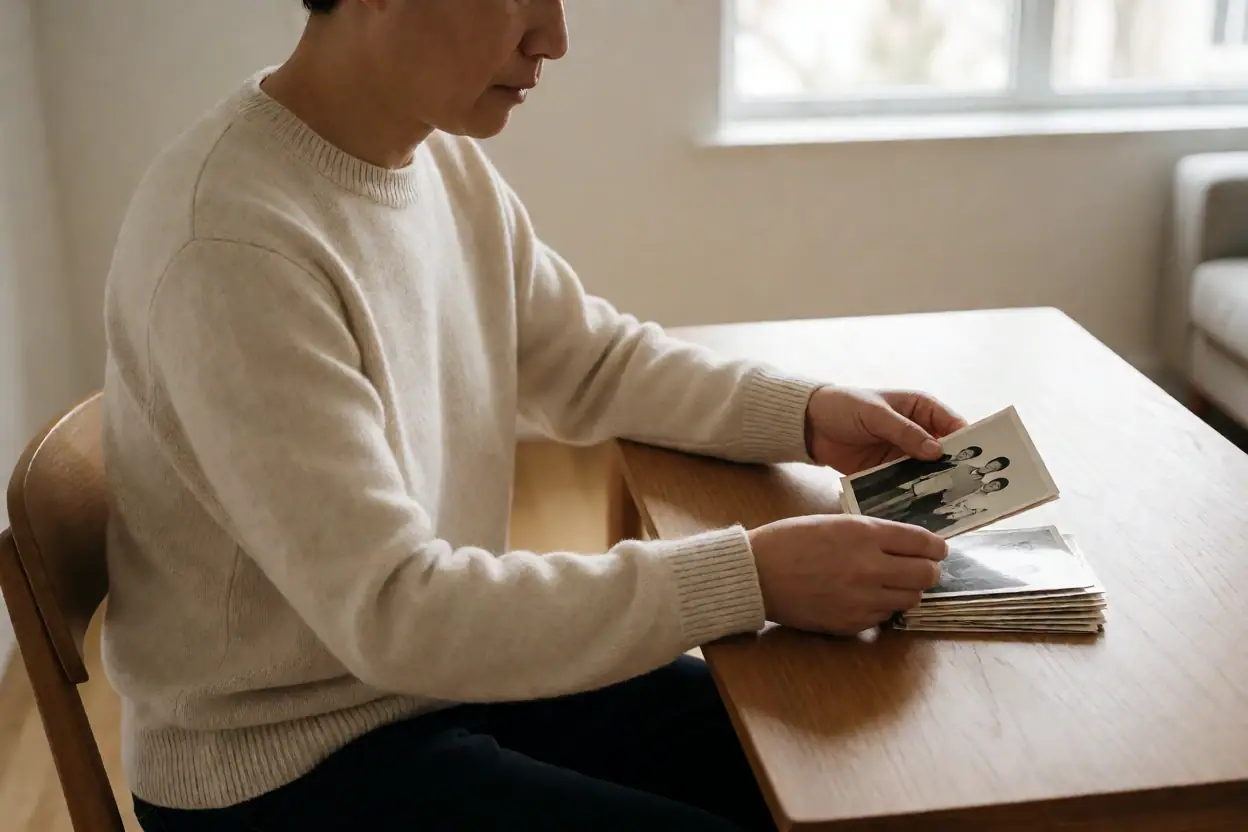
The Dai surname is one that requires careful analysis of its branches. Existing surname materials show that the Dai surname does not have a single origin; its transmission narratives involve various clues, including place names, official titles, and local branches. For surnames with multiple lines of origin, sharing the same surname only indicates a common written designation. It cannot directly establish that Dai families in different places descended from the same founding ancestor, much less determine clan relationships solely on the basis of a hall name or place of residence.
Among the compiled materials on the Dai surname, “Gaoyang Hall” is one of the more clearly identified hall names. The names Gaoyang, Henan, and Pingyuan also appear in relevant regional or ancestral-commandery records. Hall names are generally associated with family traditions, ancestral places of residence, the deeds of respected forebears, or genealogy-revision practices. However, different regions may continue to use the same hall name, and the same branch may use multiple hall names after migration, clan affiliation, or the continuation of a genealogy. Hall names are therefore best used as an entry point for research and should still be cross-checked against genealogy prefaces, generational lineages, graves, ancestral halls, and generation names.
Clues from geographic distribution show records of Dai family activity in Yunnan, Guizhou, Sichuan, Guangxi, Hunan, and other areas. Dai branches in southwestern and southern regions may have undergone multiple migrations, separations, and subsequent resettlements, but a complete route cannot be reconstructed from provincial distribution alone. When researching a particular family branch, it is advisable to first confirm the founding ancestor of the migration, the villages of settlement, the locations of ancestral graves, the names of ancestral halls, and the scope in which generation names were used according to family oral history, and then compare these with old genealogies, local gazetteers, and historical place names. If a person’s name, spouse, children, or place of residence differs across sources, the variant readings should first be recorded rather than hastily edited into a single answer.

Online genealogies can help organize known family relationships, preserve images of genealogy pages, and consolidate clues about branches. Family memoirs often preserve information that genealogies may not record, such as reasons for migration, changes in occupation, refuge during disasters and unrest, and family interactions. Local gazetteer databases can be used to verify changes in villages over time, the sites of temples and shrines, notable figures and their deeds, and changes in administrative divisions. Comparing these materials along the same timeline is often more helpful for confirming recent branches than tracing a single remote founding ancestor in isolation.
Research into the roots of the Dai surname can begin with the names, birth order, ancestral origins, and burial places of individuals and paternal elders, gradually connecting upward to great-grandparents, grandparents, and earlier generations. When Dai families are found in different regions, or when the same generation names appear, these should be treated as clues requiring verification rather than as an already established identification of shared kinship. Only when the lineage is continuous, migration records correspond, and genealogies, inscriptions, local gazetteers, or other reliable materials provide support can the relationships between branches be discussed with reasonable confidence. For the as-yet-unverified dates of founding ancestors, migration routes, and lineage connections, differing accounts should be retained pending corroboration from new materials.
Learn More and Verify
- Dai clan origins and regional distribution: from Gaoyang Hall to tracing family roots
- The origins and lineage of the Feng clan and genealogical research: From legend to textual verification
- The Origins and Migration Clues of the Da Surname: From Guangling Hall to Lingnan, Fujian, and Guangdong
- The verification pathway for the legend of the Xi surname’s origin and tracing the family’s roots
Genealogy Knowledge and Methods for Compiling Genealogies · Finding Genealogies and Local Gazetteers · Organize family-root-seeking leads