The Linpan Memories of Pujiawan and the Passing Down of Pushi Family Traditions
Pujiawan is located north of Yuantong Ancient Town, and local memory regards it as a settlement of the Pu family. Drawing on the linpan environment, local customs, family-tradition education, and migration clues, the article traces a family-cultural context that can be subjected to further verification.
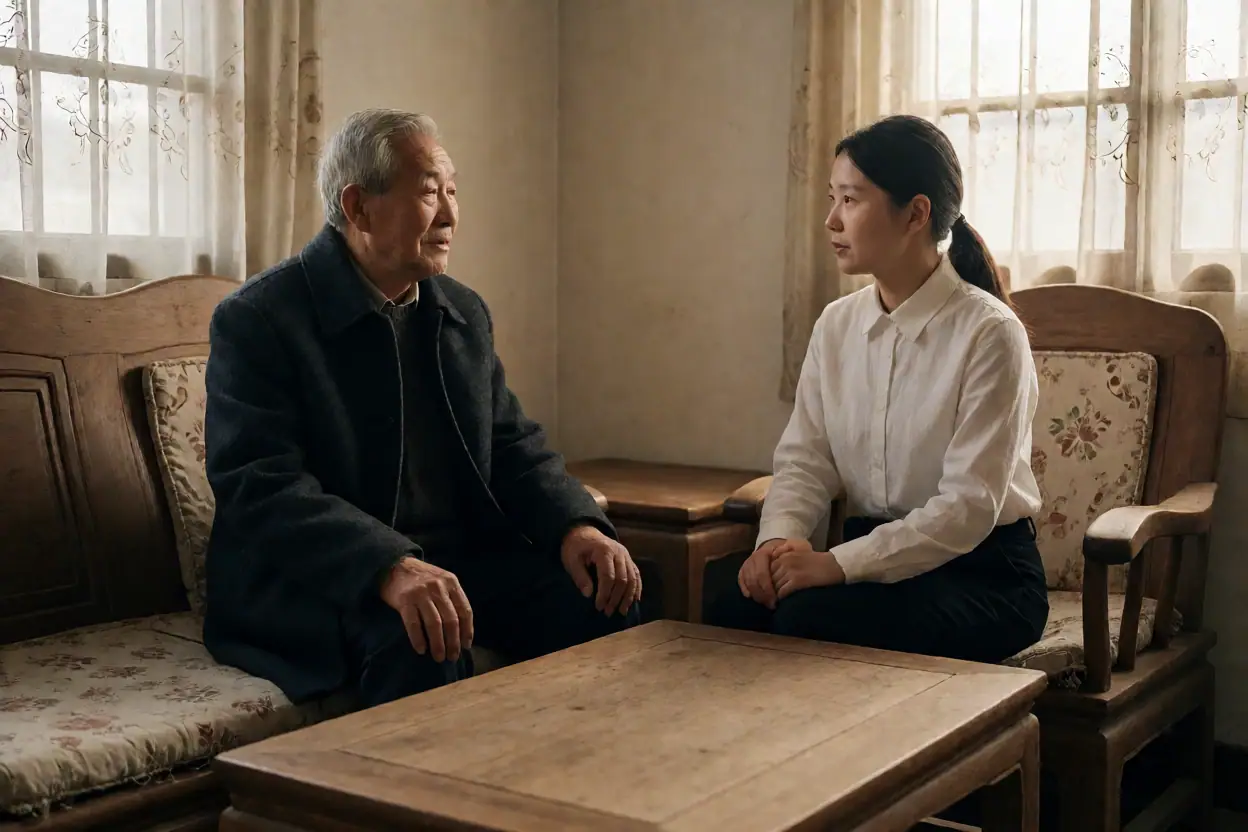
In the northern part of the ancient town of Yuantong, local memory speaks of a village known for its concentration of Pu clan residents, called Pujiawan. Streams, trees, courtyards, and farmland together form the backdrop of life in western Sichuan’s countryside. They also make the family memory here more than a record of lineage in genealogical books: it is a local culture embodied in homes, seasonal observances, and everyday social interactions.
Existing accounts of Pujiawan repeatedly mention linpan settlements, waterways, and traditional residences. Bamboo and other trees are interspersed throughout the village, while the courtyards are mainly built of brick and timber; the cultivation of flowers, trees, and orchids in different seasons is particularly distinctive. The names of waterways such as the Sagou River and Lanxi are also repeatedly mentioned in local memory, but their specific hydrological relationships, historical names, and changes over time still need to be further checked against local gazetteers, old maps, and field investigations. From the perspective of vernacular architecture, this type of linpan settlement reflects both a residential pattern adapted to the water and soil conditions of the western Sichuan plain and the spatial traces of families living together.
The cultural memory of Pujiawan is also concentrated in festivals and public activities. Hanging lanterns and carrying rabbit lanterns on New Year’s Eve, bird-related folk amusements during the Qingming Festival, sweeping in the morning, enjoying the cool air at dusk, as well as agricultural work and rural public-welfare activities, together form local people’s shared memories of life in earlier times. These customs may not all be directly traceable to a particular branch of the Pu lineage, but they suggest that family relationships and neighborhood order within the settlement were once very close-knit. Claims concerning the discovery of Eastern Han pictorial bricks and rural development activities should likewise be verified separately against archaeological records, local gazetteers, and relevant project materials, rather than being combined and judged solely on the basis of oral accounts.
In accounts of family traditions, Pujiawan places importance on honoring ancestors, pursuing learning and accumulating virtue, and respecting teachers and education. The legend of “three xiucai in one family” reflects the local value placed on educational traditions and family reputation. However, the names of the individuals, the periods in which they lived, and their specific deeds still need to be corroborated through genealogies, tomb inscriptions, imperial examination documents, or local biographical materials. Family memoirs can supplement the details of daily life that formal archives often address only sparsely, but memories passed down over many years may contain discrepancies in dates, forms of address, and kinship relationships. Different accounts should therefore be retained during the process of compilation.
Common explanations of the origins of the Pu clan include connections with the Pu River, the State of Pu, and surnames derived from place names. Related materials also contain references to Puyang Hall, as well as Puyang, Henan, and Donghai as commandery affiliations or clues to historical settlement. However, commandery affiliations and hall names more often reflect historical regional identities and branch traditions; the fact that different people share a hall name alone cannot establish that all members of the Pu clan descend from the same lineage. The account that one branch of Pujiawan migrated from Xiaogan to western Shu and then to Yuantong may be treated as a clue for ancestral research, but the specific dates of migration and the founding ancestor of the branch still need to be investigated through the branch genealogy, prefaces to genealogies, contracts, burial materials, and local histories.
If the family history of Pujiawan is to be further organized, one may first establish a cross-reference table of lineages and place names, then compare online genealogies, surname materials, family memoirs, and local gazetteers item by item, recording the source, transmitter, and reliability of each piece of information. This can preserve the warmth of the village’s oral history while avoiding the mistake of treating a shared surname, a similar hall name, or a comparable migration route as an already confirmed clan relationship. The value of Pujiawan lies precisely in the way its natural environment, rural life, and family memories are interwoven, awaiting more reliable materials to gradually complete the outline of its history.
Learn More and Verify
- An Examination of the Huai Family Genealogy and the Transmission of Family Values in Jiangyin
- Migration Memories and Family Heritage of the Nie Family of Yuanjiang
- Guo family memories and ancestral-root clues through “Tianbao Dang”
- Zou family memories and ancestral-root clues in the remains of the ancestral hall
Genealogy Knowledge and Methods for Compiling Genealogies · Finding Genealogies and Local Gazetteers · Organize family-root-seeking leads