Historical Figures with the Pang Surname and Clues for Tracing Family Roots
Historical figures bearing the Pang surname appear in records from the pre-Qin period through the Ming and Qing dynasties. Their regional distribution and branch lineages are relatively complex. To understand the origins and development of the Pang lineage, genealogies, local gazetteers, family recollections, and migration records should be consulted together, with each generation in the lineage carefully cross-checked to avoid hastily assuming that people sharing the same surname belong to the same clan.
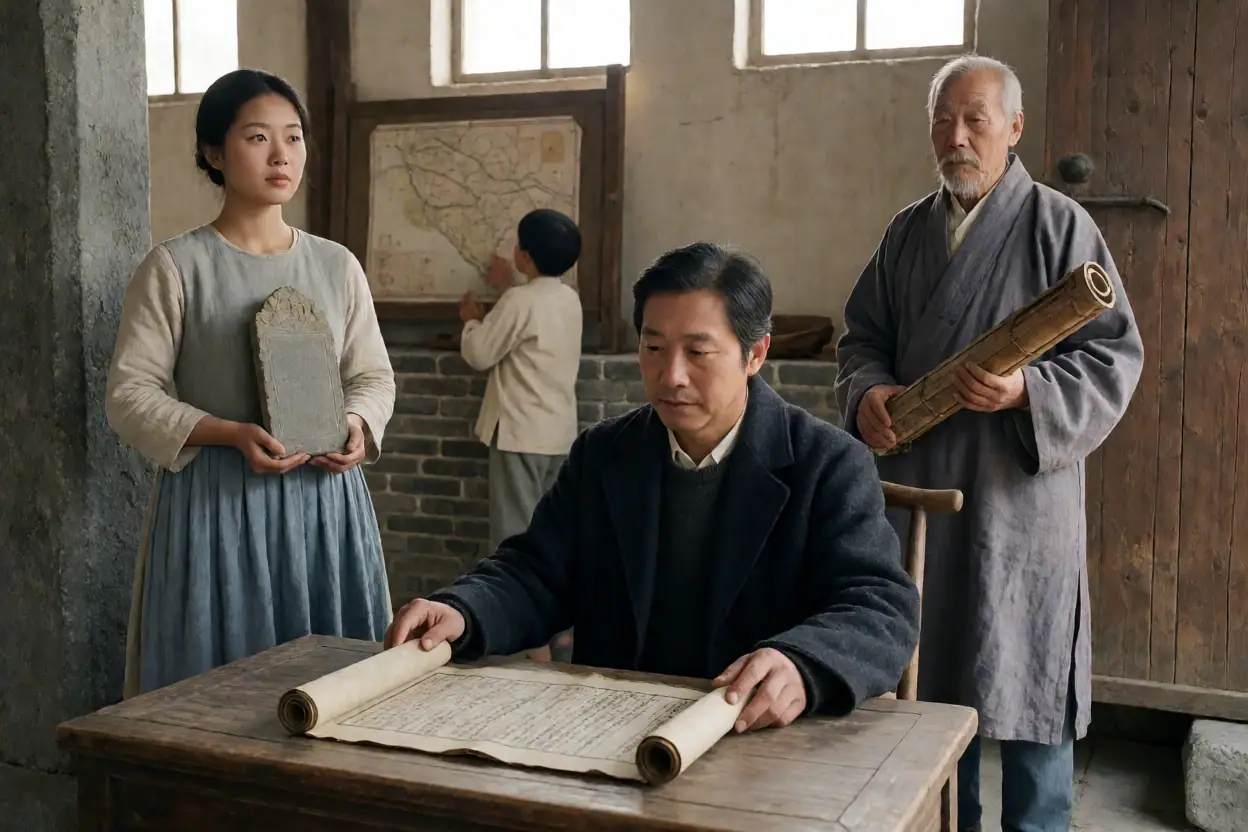
Historical records from China contain relatively extensive accounts of figures with the Pang surname, spanning the period from the Warring States era through the Ming and Qing dynasties. Their roles included generals, strategists, officials, physicians, and local leaders. During the Warring States period, Pang Juan appears in historical records as a general of Wei, while Pang Nuan and Pang Gong are also frequently included in accounts of historical figures with the surname. During the Three Kingdoms period, Pang Tong and Pang De were particularly well known. Pang Tong participated in Liu Bei’s campaign to enter Shu and later died while the army was advancing. Pang De successively served Ma Teng, Zhang Lu, and Cao Cao, and was ultimately captured during the Xiangfan campaign. He died after refusing to submit. Pang Hui was Pang De’s son; accounts of his activities are found mainly in later sources, and the specific details should still be assessed against different versions of the historical materials.
From the Sui and Tang dynasties through the Five Dynasties period, the areas of activity of figures with the Pang surname expanded further. The Tang-dynasty general Pang Xiaotai is recorded as being from Baizhou. He participated in military campaigns against Goguryeo and later died in battle. The belief that he was eventually buried in his native place has long circulated locally. Pang Xun’s uprising in the late Tang dynasty was connected to the broader social circumstances of delayed rotations of garrison troops and soldiers being kept away from home for extended periods. Pang Shigu and Pang Fucheng are each mentioned in military records from the late Tang and Five Dynasties periods. During the Song dynasty, Pang Ji served as a senior court official and participated in affairs along the northwestern frontier. Pang Anshi was highly skilled in medicine and left behind several medical works, representing a branch of the Pang lineage with notable scholarly influence. In the Ming dynasty, Pang Shangpeng also held local and central government offices.
These figures can help illustrate the historical activities of people with the Pang surname, but they cannot directly prove that any present-day Pang family branch has a direct-line relationship with any of them. The formation, branching, and migration of the Pang surname may have involved different regions, different founding ancestors, and multiple branches. A shared surname, similar generation names, the same ancestral hall name, or similar commandery affiliations can serve only as clues and cannot independently establish that families belong to the same lineage. In particular, the ways in which ancestral hall names and commandery affiliations are used are not entirely consistent across genealogies. They must be cross-checked against records such as the first ancestor to migrate to a location, places of residence, generational rankings, tombs and inscriptions, and marriage relationships.
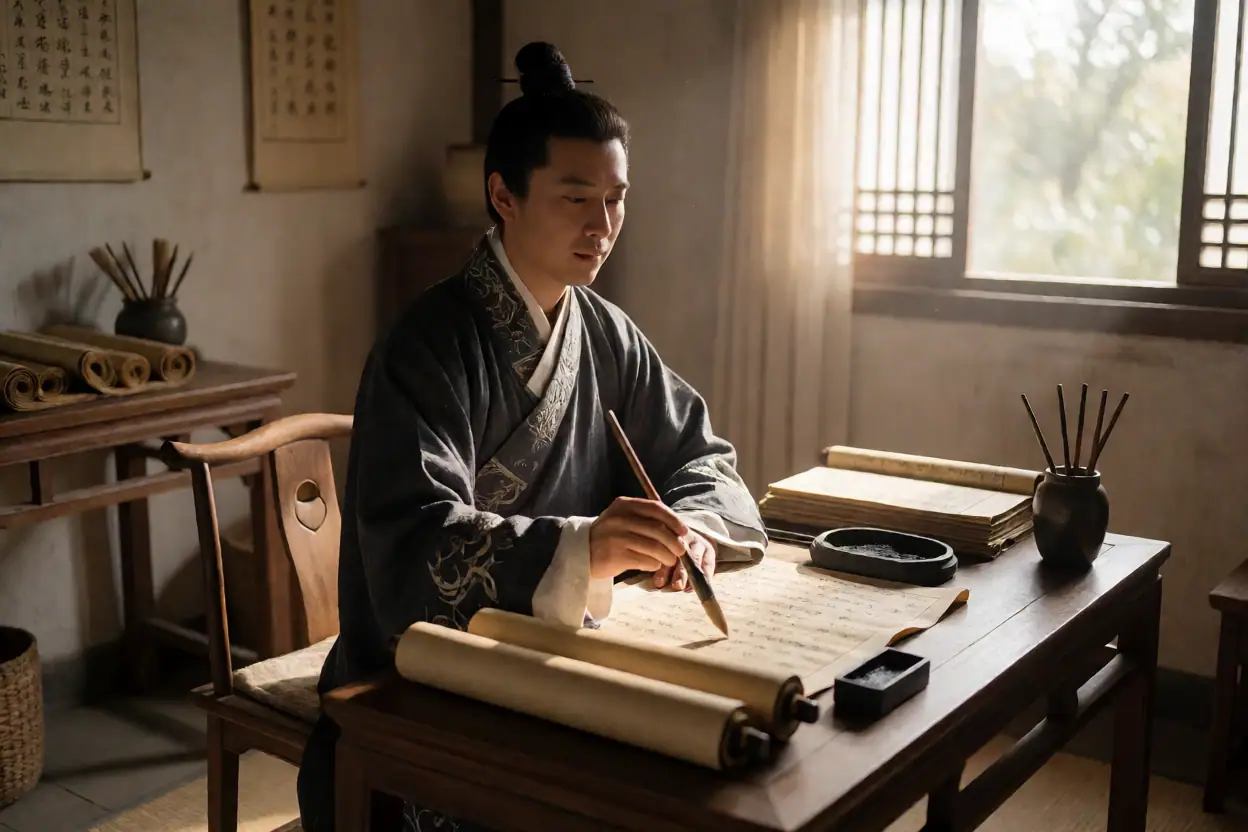
When tracing the roots of a Pang family, begin by organizing surviving family genealogies, information about ancestral homes, photographs of tomb inscriptions, ancestral worship records, and oral accounts from elders. Then establish a migration timeline based on dates and locations. Online genealogies can provide leads for searching and comparison, family memoirs can help preserve memories of modern and contemporary relatives, and local gazetteer databases can be used to verify the historical development of villages, the activities of individuals, and records of ancestral halls and tombs. To determine the actual relationship among members of a family branch, it is still necessary to return to original genealogy pages, local documents, and mutually corroborating family materials, checking each generation before reaching a relatively well-founded conclusion.
Learn More and Verify
- Historical figures associated with the Yang clan and a critical examination of family-root research
- Clues to Historical Figures of the Lu Surname and an Evidential Study of Family Documents
- Historical clues to the Houmochen surname and directions for tracing family roots
- Hou surname figures and branch clues: from historical records to tracing family roots
Genealogy Knowledge and Methods for Compiling Genealogies · Finding Genealogies and Local Gazetteers · Organize family-root-seeking leads