The Origins Narrative and Family Ancestry Research Clues of the Tianchang Chong Clan
Accounts of the origins of the Chong family in Tianchang often connect Chong Bo Gun, Yu the Great, and memories of ancient tribes. These claims combine elements of legend, records in ancient texts, and family tradition; specific branches still require item-by-item examination against genealogical records, local gazetteers, and family documents.
Existing accounts of the Tianchang Chong clan’s family origins generally begin with ancient Chong, Chong Bo Gun, and the stories of Yu the Great controlling the floods. According to tradition, Gun, a descendant of Zhuanxu, was enfeoffed in Chong and known as Chong Bo. Ancient accounts do not agree on the area where he was active: some associate it with the area around present-day Mount Song in Henan, while others refer to Xiangfen in Shanxi, Qingzhou in Shandong, and other places. Because these records span ancient legends, historical documents, and later collective memories, they cannot be used to conclude directly that all people surnamed Chong today descend from the same lineage.
Gun’s efforts to control the floods and Yu the Great’s continuation of that work are the most representative elements of the Chong origins narrative. Traditional accounts hold that Gun primarily used methods such as building embankments and blocking the waters, while Yu the Great relied more on dredging and channeling rivers. Classical texts also associate Gun with the construction of walled settlements, reflecting later generations’ imaginings and assessments of his abilities in flood control, city building, and tribal organization. As for Gun’s specific ancestry, the extent of his fief, and the continuity of his descendants, historical sources from different periods vary; these matters are best understood as elements of Chong cultural memory and early surname traditions.
In some accounts, “Chong” (崇) and “Song” (嵩) are considered similar in pronunciation or related in meaning. However, the evolution of written forms, place names, and surnames cannot be mutually verified solely on the basis of similar pronunciation. The formation of the Chong surname may have involved various circumstances, including ancient clan names, names of fiefs, and later surname changes, adoption of compound surnames, or the continuation of branch lineages. To determine which branch a Chong family in a particular area belongs to, researchers should cross-reference the names of migrant ancestors, the date of the first migration, changes in places of residence, generational-name sequences, ancestral hall inscriptions, and records of successive genealogy revisions.

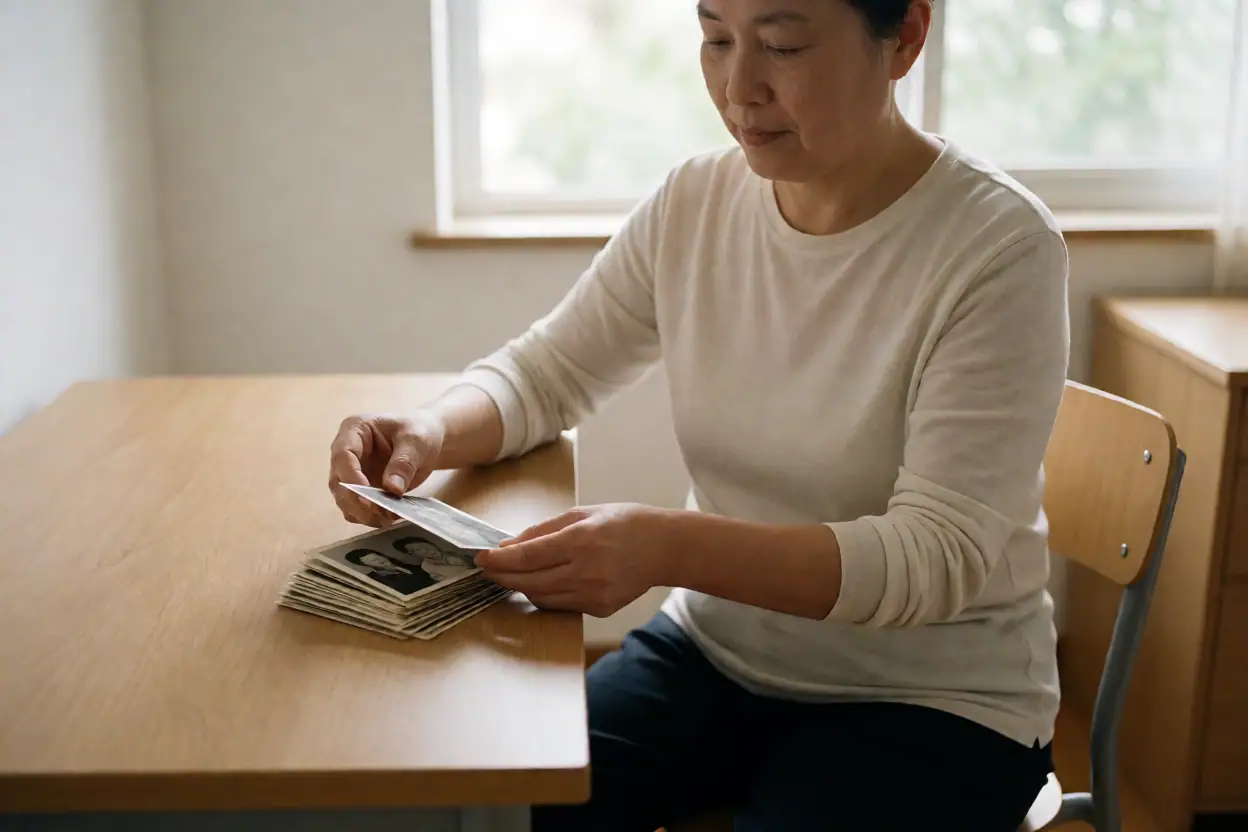
For those tracing the roots of the Tianchang Chong clan, the most valuable clues generally include the prefaces, lineage tables, and migration records in surviving genealogies; village, county, and prefectural gazetteers and related inscriptions from ancestral places of residence; accounts of ancestral homes, branch divisions, marriages, and relocations in family memoirs; and generational-name and burial records that can corroborate one another across different branches. Online genealogies can help organize clues concerning names, dates, and locations, but the dates of compilation, transcription processes, and completeness of publicly uploaded materials vary. They should therefore be checked against printed genealogies and local gazetteers.
What can currently be confirmed is that the Tianchang Chong clan has a clear theme of local family origins. Claims that trace its distant ancestors back to Chong Bo Gun, as well as claims concerning migration routes and specific lineages, still require support from additional local documents and original family materials. When tracing ancestry, it is advisable to first establish a family line that can be continuously verified through the modern and recent historical periods, and then gradually trace it further back. Designations such as ancestral hall names, commandery origins, and founding ancestor titles should also be tied to specific branches, to avoid mistakenly treating people with the same surname, the same ancestral hall name, or similar place names as belonging to the same lineage.
Learn More and Verify
- What Images of the Shang Clan Genealogy Reveal and Clues for Family Roots
- The Origins and Development of the Dai Surname and Family Roots: From Gaoyang Hall to Local Branches
- Historical Figures of the Pang Surname and Clues for Tracing Family Roots
- Similarities and Differences in Ran Family Generation Names Across Regions and Clues for Tracing Family Roots
Genealogy Knowledge and Methods for Compiling Genealogies · Finding Genealogies and Local Gazetteers · Organize family-root-seeking leads