Tracing the Roots of the Mao Surname: The Convergence of Rugao Memories and Genealogical Clues
Although the Mao surname is not common, historical records preserve multiple clues involving Rugao, the Lianghuai salt transport system, figures from the Yuan and Ming dynasties, and Shuihui Garden. Reconstructing the origins of the Mao surname requires combining genealogies, local gazetteers, family memories, and surviving physical evidence to verify migrations and lineages step by step, rather than treating legends as established fact.
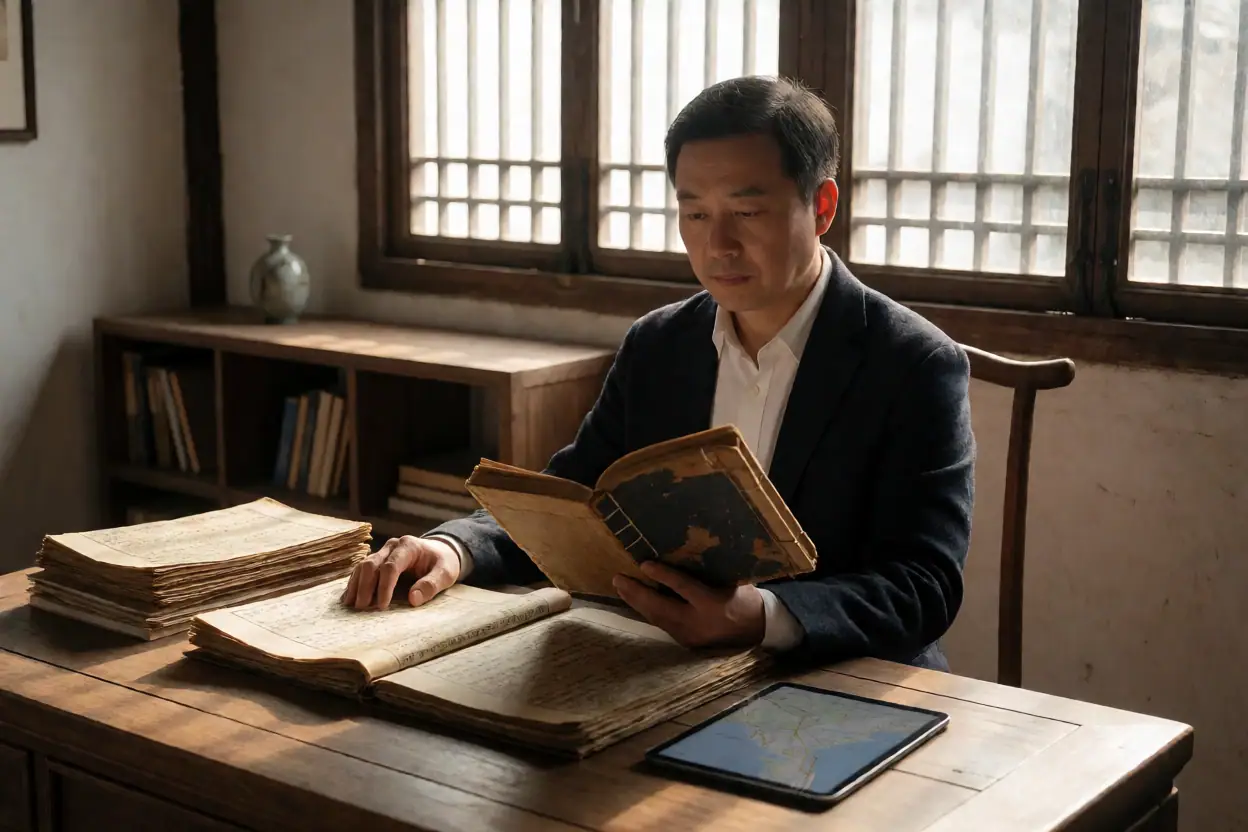
The Mao surname is relatively uncommon. Existing records concerning its origins, distribution, and clan continuity are often concentrated in Rugao, Jiangsu, and the surrounding areas. However, whether Mao branches in different regions share a common ancestry still requires item-by-item verification through genealogies, local gazetteers, burial records, and family oral histories. In tracing one’s roots, a shared surname alone cannot justify directly concluding that people share a common ancestor or belong to the same branch.
Local records from Rugao and Mao clan genealogies contain accounts of figures including Mao Zhizhong, Mao Hui, Mao Zheng, and Mao Luan, covering experiences in recommendation-based appointments, the imperial examinations, censorial oversight, salt transport, and local administration during the Yuan and Ming periods. These figures and their activities provide important clues for understanding the Mao clan’s early branches. Some materials also state that the Mao clan formed the Hedong and Hexi branches in Rugao and, over generations, expanded to areas north and south of the Yangtze River and overseas. However, the names of the branches, the identity of the first ancestor to migrate, and the lines connecting the various branches should be established by comparing different versions of clan genealogies with contemporary documents, rather than relying on a single account.
Regarding the connection between the Mao clan and descendants of Mongolian aristocracy or of the Prince of Zhen'nan of the Yuan dynasty, local memory preserves a relatively complete body of stories, including the enfeoffment at Yangzhou, a residence in Rugao, remains at the East Gate, and changes within the family after the transition from the Yuan to the Ming dynasty. Such accounts have historical and cultural value and also reflect the complex background of ethnic interactions and surname formation. However, details concerning the identities of the figures involved, the process by which the surname was adopted, surviving palace or residence remains, and the links between generations still require corroboration from Yuan and Ming documents, local gazetteers, original family genealogies, and site investigations. Separately labeling legends, family memories, and historically confirmed facts is an essential principle in organizing the history of the Mao clan.
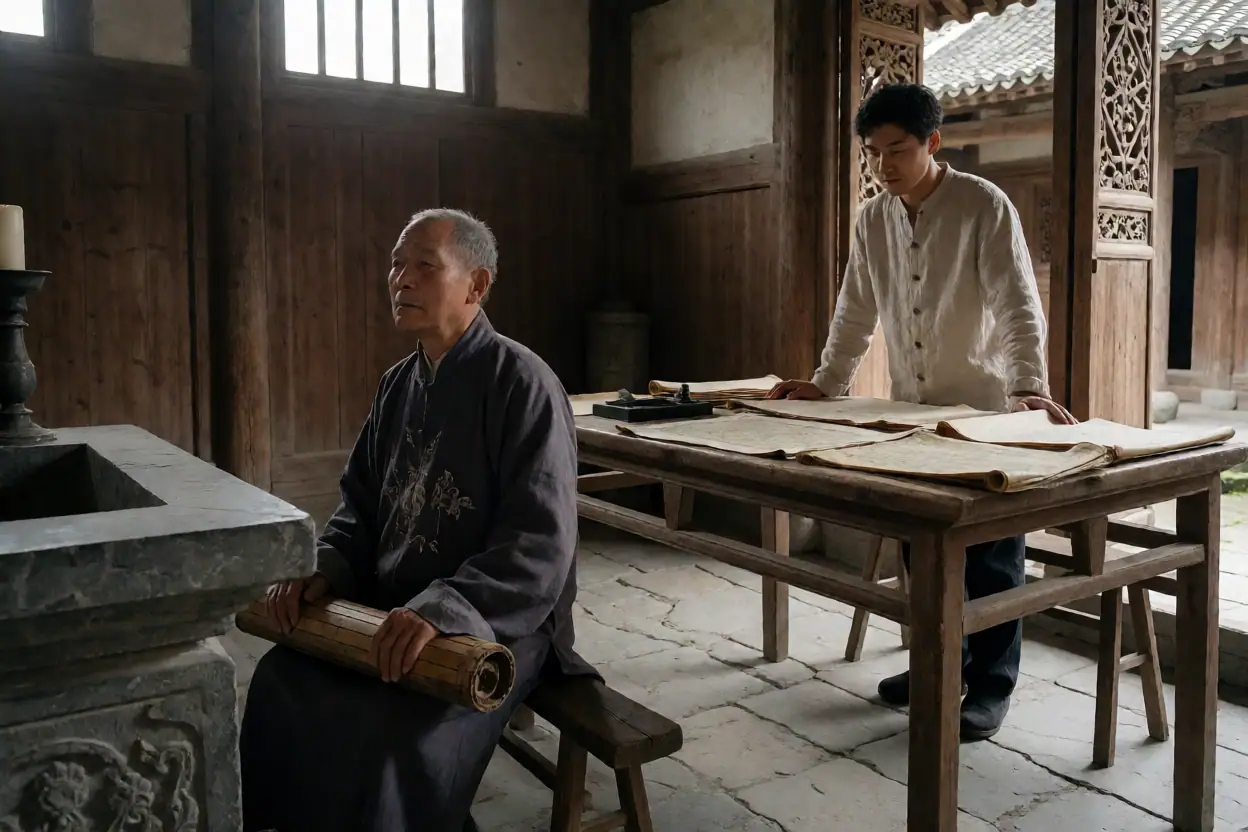
Mao clan culture is also intertwined with Rugao’s local traditions of salt production, education, official service, and gardens. Shuihui Garden and stories about related figures are often used to examine the cultural life and gentry networks of Rugao during the Ming and Qing periods. Mao clan ancestral halls, cemeteries, old residences, and genealogies may preserve more specific information about individual branches. For descendants, old family genealogies, generation-name records, ancestral-place names, photographs of tombstones, marriage and burial documents, and dates of migration often help establish a reliable chain of clues more effectively than broad accounts of ancestral origins.
When tracing the roots of the Mao surname, begin by recording the names, generation names, spouses, places of birth, and places of residence for three to eight generations, and then compare them with individuals bearing the same names in online genealogies. Where genealogical records are missing or variant forms of characters appear, family memoirs, local gazetteer databases, and historical maps can also be consulted. For branches that migrated overseas or across provinces, genealogy catalogs held by libraries, local literature, and materials preserved by the family itself may provide additional evidence. Whether a line can ultimately be connected to a particular Rugao branch should be determined by continuity of the lineage, consistency of dates, matching locations, and corroboration from multiple documents. The significance of tracing one’s roots lies not only in confirming the name of an ancestor, but also in organizing family memories into a historical record that can withstand verification.