Danyang Sancheng Lane: Traces of Ancient Lanes and the Shu Family’s Search for Their Roots
Sancheng Alley in Jinglin Village, Danyang Development Zone, preserves historic remains including an old lane, an ancestral hall, and an ancient well. Local restoration efforts surrounding the formation of the village, the Shu clan’s migration, and the transmission of its genealogy also reflect the intertwined preservation of traditional villages and family memory.
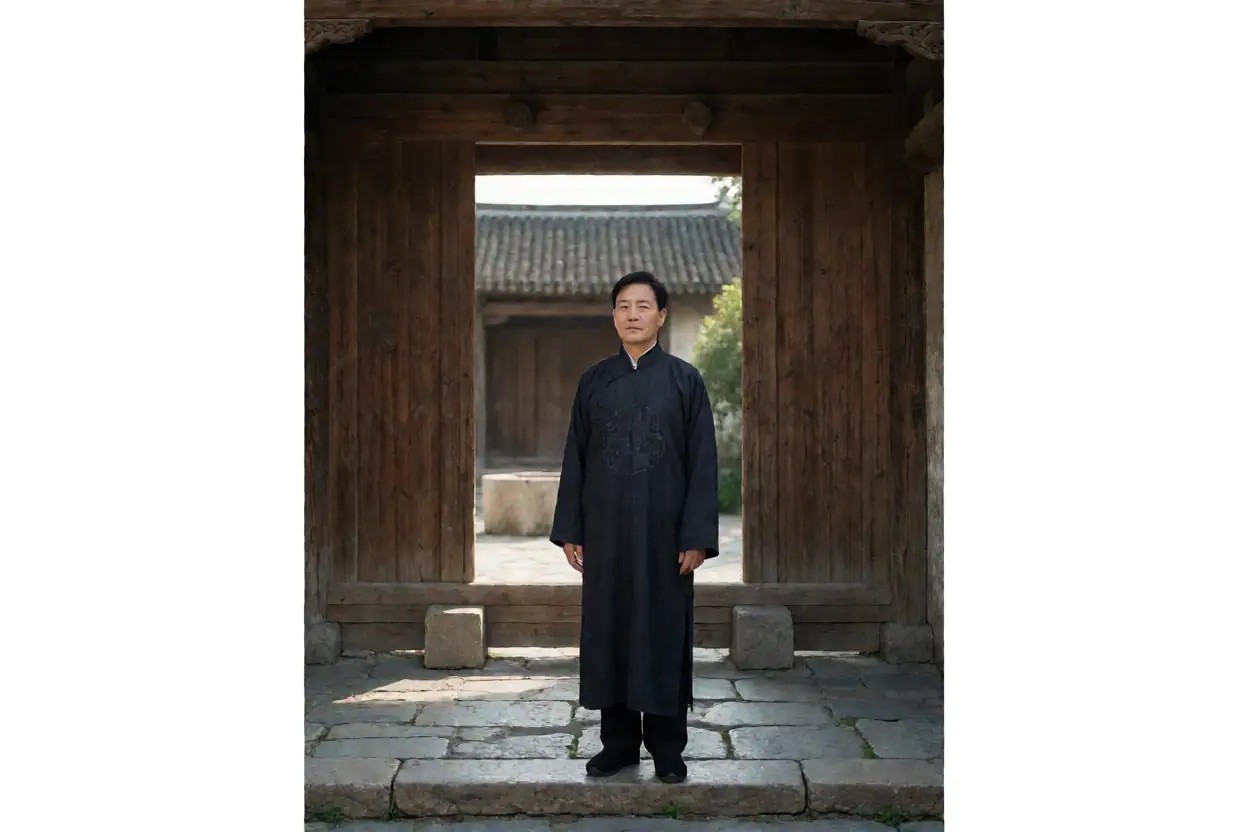
In the eastern part of Jinglin Village in Danyang Development Zone lies a settlement known as Sancheng Lane. Wooden gate towers, gray-brick buildings with black-tiled roofs, stone-paved paths, and waterways together create a distinctive Jiangnan village landscape. The existing environment has undergone improvement, while some old residences and traditional layouts have been retained. Walking through the area, visitors can still see spatial traces left by life in the ancient village.
Local accounts hold that Sancheng Lane was first established during the Shaoxing period of the Southern Song dynasty, giving it a history of approximately 900 years. The name “Sancheng Lane” is explained as referring to the village’s original layout of three lanes running lengthwise and three running crosswise. According to legend, during the Daoguang period of the Qing dynasty, a juren from the Shu family funded the paving of six granite lanes in the village; the number of ancient lanes that remain intact has since declined. The village also retains remains including the Shu ancestral hall, the Nanmu Hall, and an ancient well. The ancestral hall is traditionally said to have been built during the Jiajing period of the Ming dynasty and has been included within the scope of local cultural relic protection. The dates of construction and reconstruction and the protection status of these buildings should still be determined according to official cultural-relic registers, local gazetteers, and inscription materials.
The family memory of Sancheng Lane has been passed down mainly through genealogical revisions, ancestral rites, and oral traditions. The locally compiled Shu Genealogy took many years to complete and consists of eight volumes, recording the lineage and distribution of the Danyang Sancheng Shu family. The genealogy regards an ancestor named Zhenzu as the founding ancestor of the Sancheng branch and places his settlement there during the Shaoxing period of the Southern Song dynasty. According to this genealogical account, descendants of the Danyang Shu family have reached approximately the 40th generation, while estimates of the related population also vary considerably. However, the lineages, dates, and population statistics in the genealogy are records from a specific family document. They cannot be used to infer that all people surnamed Shu originated from Sancheng Lane, nor is it appropriate to treat groups sharing the same surname as members of a single clan directly.
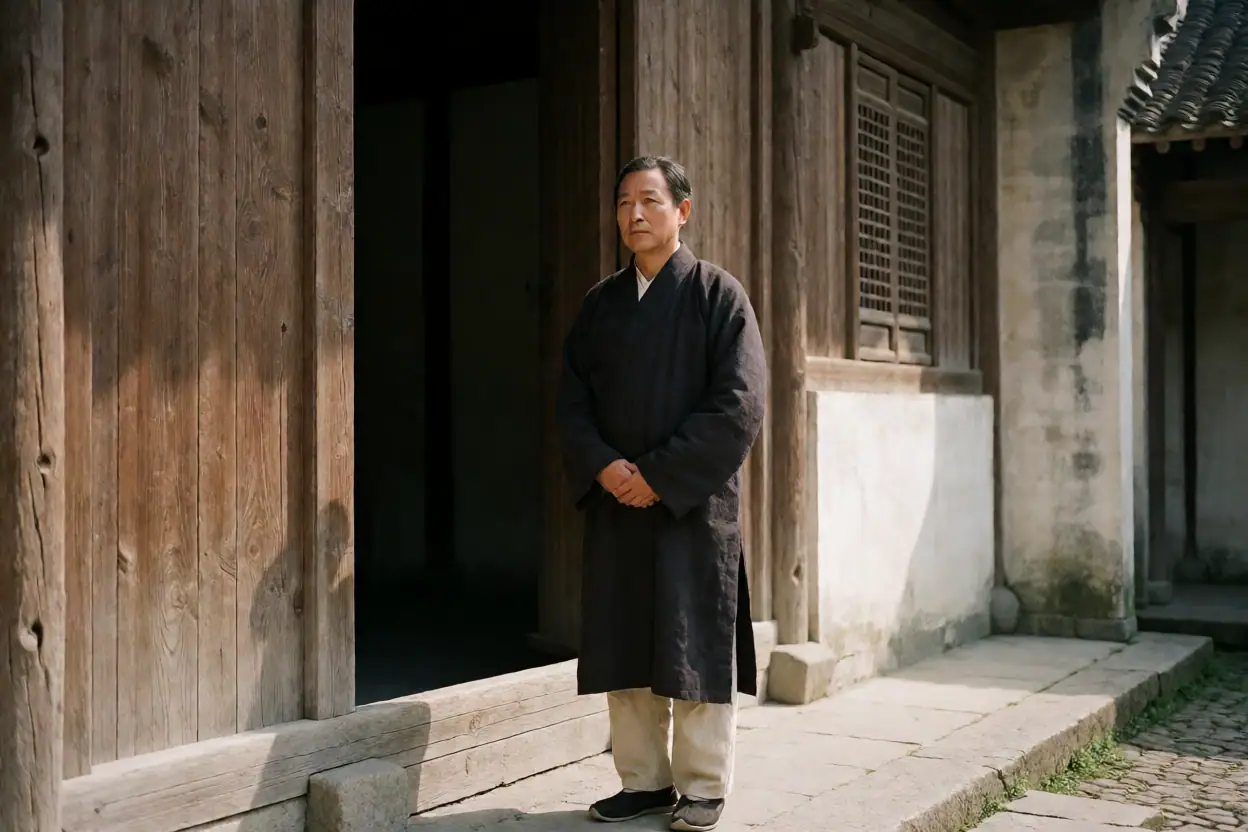
From the perspective of tracing family roots, the value of Sancheng Lane lies not only in accounts of the age of an ancient village, but also in the way the village’s physical remains and family documents can be consulted against one another. Ancestral halls, ancient wells, and old lanes provide observable local spaces, while genealogies, family memoirs, and ritual records preserve clues about migration, branch formation, and clan association. When studying a particular branch of the Shu family, researchers can compare information in genealogical records about ancestral residences, generational names, burial sites, and marriages with local gazetteers, historical maps, inscriptions, and other branch genealogies. Online family trees and surname databases are useful for finding leads, but key lineages still need to be verified against original genealogies, physical evidence, and local archives.
In recent years, conservation efforts in Sancheng Lane have focused on restoring traditional buildings, maintaining ancient lanes, and improving the living environment. For deteriorated old houses, using restoration rather than simply demolishing them whenever possible helps preserve the village’s scale, materials, and overall character. At the same time, the restoration of ancestral halls and the compilation of genealogies have also strengthened later generations’ sense of local belonging. Whether considering the village’s history or the family’s origins, it is necessary to distinguish legends, genealogical records, and historically verified facts while preserving local memory. Only in this way can the cultural value of Sancheng Lane withstand long-term examination.
Learn More and Verify
- Tracing the origins of the Kui clan in Fangshan: family lineage in mountain village memories
- Settlement memories and migration clues of the Danyang Shu clan
- The Si Surname in Wangyun Village: Ancestral Hall Remains and Migration Clues
- Ancestral research leads from Volume 2 of the Wucheng Zeng Clan Genealogy, Fourth Revision
Genealogy Knowledge and Methods for Compiling Genealogies · Finding Genealogies and Local Gazetteers · Organize family-root-seeking leads