The Origins and Development of the Feng Surname and Genealogical Research: From Legend to Evidence
Materials on the Feng surname involve different pronunciations, legends of ancient states, figures from the Spring and Autumn period, and branches in multiple locations. Existing clues are not yet sufficient to consolidate them into a single lineage. When tracing roots, family genealogies, local gazetteers, family memories, and migration records should be combined to cross-check ancestral homes, generational names, and relationships among branches.
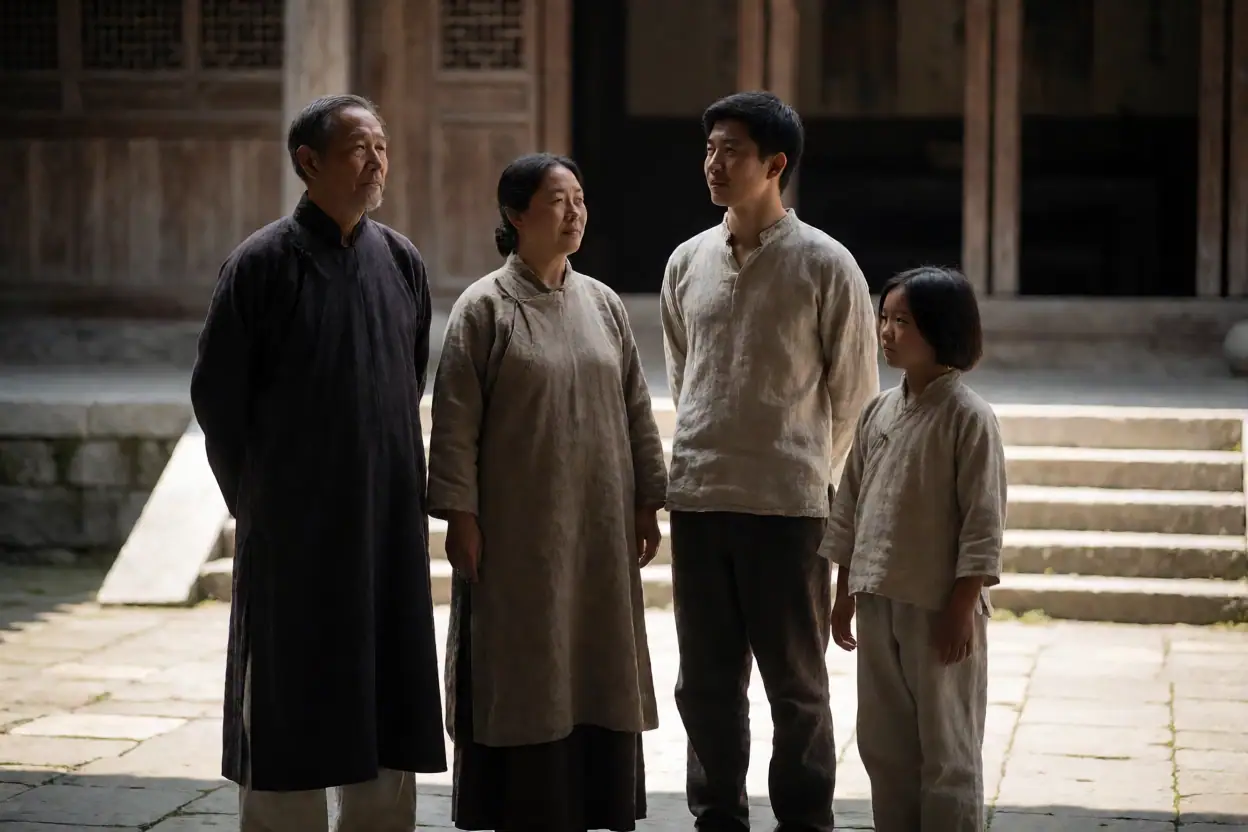
The historical clues surrounding the Feng surname are relatively complex. Existing surname materials include both páng and féng as pronunciations of “逢,” and variously associate the surname with the Jiang surname, legends of the Xia dynasty, the Spring and Autumn period, and ancient fiefdoms. These accounts suggest that research into the Feng surname may involve multiple possible lines of origin. However, the fact that surnames are identical, pronunciations are similar, or place names are connected is not by itself sufficient to conclude that Feng families in different regions descend from the same ancestor. The connections among Feng State, Feng artifacts, and the name Penglai should likewise be regarded as research leads requiring further corroboration through documentary and archaeological evidence.
From the perspective of genealogical organization, the Feng family archive catalogue includes a genealogy volume covering the period from 1404 to 1996. However, the dates in a catalogue do not necessarily correspond to the dates when the genealogy was compiled, nor can they alone establish the regions covered, the founding migrant ancestor, or the complete lineage. To assess its value, the preface, editorial notes, compilers, printing and publication details, lineage charts, migration records, and references to tomb inscriptions, contracts, and local documents in the genealogy should be further verified. If different editions contain discrepancies in ancestor names, branches, or places of residence, they should also be compared item by item according to chronological order and the nature of the evidence.
Research into Feng family origins can begin with genealogical records, ancestral spirit tablets, photographs of tomb inscriptions, ancestral hall records, and oral accounts preserved by the family. Particular attention should be paid to ancestral residences, places of migration, generation names, marital relationships, changes in occupation, and migration dates. Family memoirs can supplement the limited accounts of modern experiences found in genealogies, but orally transmitted information may have been altered through successive retellings and should be cross-referenced with household registration records, inscriptions, newspapers, contracts, and local gazetteers. Online genealogies are useful for identifying ancestors with the same name, neighboring villages, and possible branch-line clues, but they cannot replace verification against original documents.
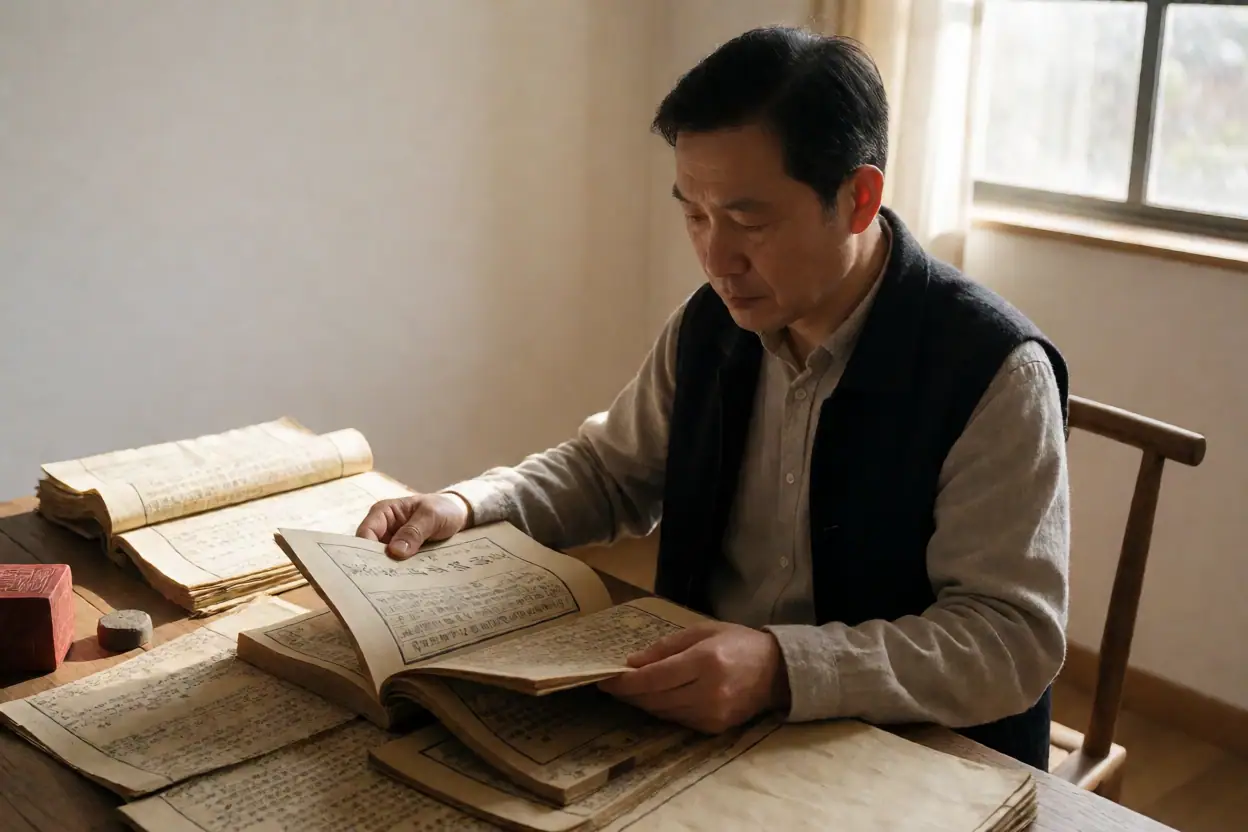
For research based on geographic evidence, local gazetteer databases can be used to examine changes in administrative divisions, village histories, ancestral temples and inscriptions, immigrant settlement, and surname distribution in both historical and modern periods, with particular attention to differences in place names caused by changes in administrative boundaries. If a Feng branch has long used a particular hall name, generation name, or ancestral commandery affiliation, these can serve only as supplementary information for identifying the branch. The same hall name does not necessarily indicate the same clan lineage, and similar generation names may also have resulted from later attempts to connect genealogies or from shared naming practices. More reliable conclusions should be based on a continuous lineage, a clear chain of migration, and mutual corroboration among multiple types of evidence. For Feng branches that have not yet been connected, different hypotheses should be retained and revised when newly discovered genealogies, inscriptions, or local documents become available.