Clues to Historical Figures of the Yang Clan and a Critical Examination of Family Origins
Existing records concern figures including Yang Zhou, Yang Chufu, Yang Qiu, Yang Wu, and Yang Xiaoben, whose lives span the Spring and Autumn period, the Eastern Han, the Sixteen Kingdoms, and the Northern Song. Their biographies can serve as clues to the historical distribution of the Yang clan, but they cannot directly prove that these figures shared the same ancestry, much less replace cross-checking among genealogies, local gazetteers, and official histories.
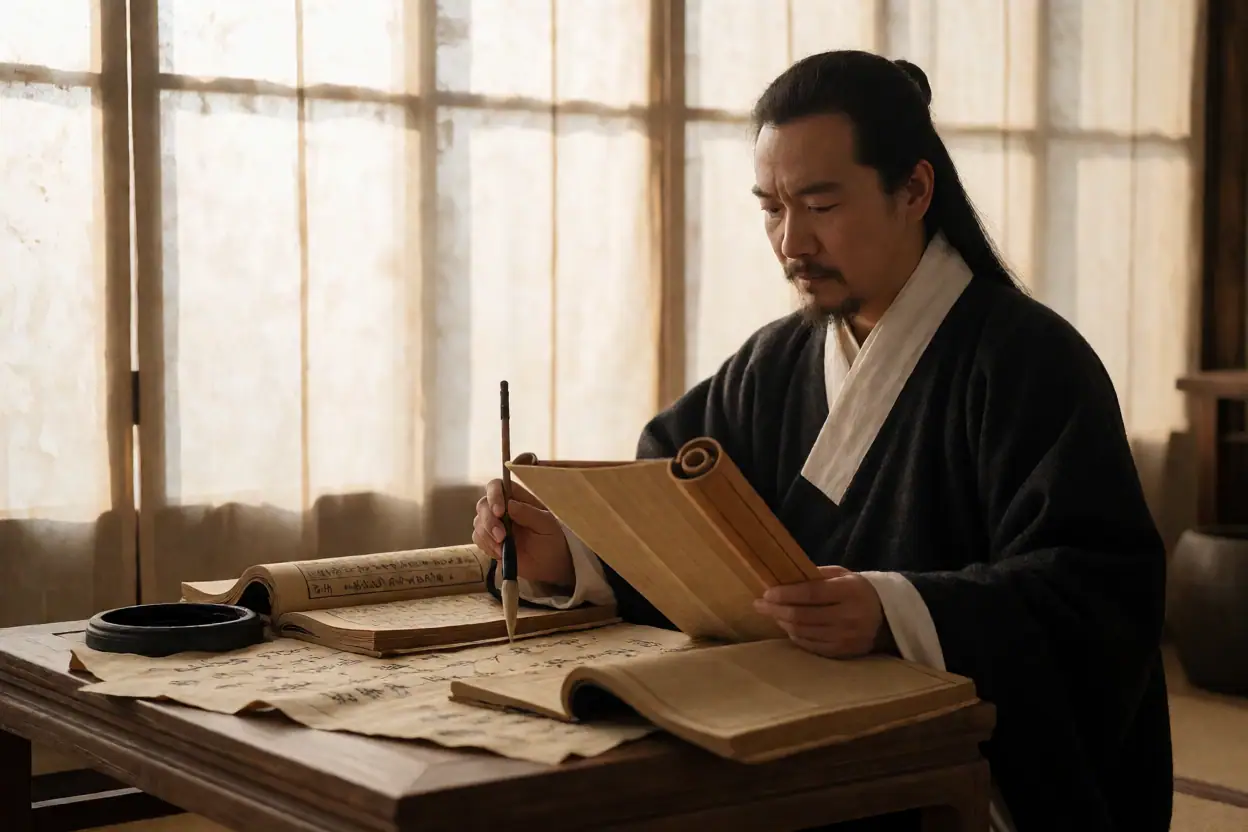
Records of figures bearing the Yang surname are scattered across historical works, local documents, and family materials from different periods. Existing clues include Yang Zhou, Yang Chufu, Yang Qiu, Yang Wu, and Yang Xiaoben. Their periods and regions of activity differ markedly, reflecting the multiple facets of the Yang surname in historical narratives. When organizing information on these figures, one should first distinguish real historical figures from literary characters and modern or contemporary people with the same names, avoiding the inclusion of fictional characters in historical genealogies.
The story of Yang Zhou, a figure of the Spring and Autumn period, is associated with Zhai Zijian’s governance of Shanfu. The account uses the selection of fish as a metaphor for recognizing people, emphasizing that one should not readily trust those who curry favor, but should instead invite respected and capable local elders to participate in governance. Such stories carry a distinct admonitory message. The figure’s identity, original source, and the process by which the text was transmitted still require examination, and it is inappropriate to fill in the person’s life story solely on the basis of later retellings.
Yang Chufu is recorded as a grandee of the State of Jin during the Spring and Autumn period, with one account stating that he acquired the surname from his fief. If this account is used in discussing the origins of the Yang surname, it must be further checked against pre-Qin historical works, surname texts from successive periods, and the historical changes of relevant place names. The adoption of a surname from a fief was not uncommon in antiquity, but a single origin legend cannot naturally encompass all Yang-surname branches today. People with the same surname may have different origins, while later families may also have formed new branches through migration, surname changes, the avoidance of tabooed names, or variant forms in written records.
Clues concerning Yang Qiu of the Eastern Han include his courtesy name Fangzheng, his being from Quanzhou in Yuyang, and his official career. Yang Wu of the Sixteen Kingdoms period is recorded as being from Wuzhong in Youbeiping and as having served under Former Yan. The stated native places of both figures involve the conversion of ancient and modern administrative divisions. Research should retain the place names used at the time while separately noting their approximate modern locations; ancient commanderies and counties must not be equated directly with modern counties or cities. Evaluative language in biographical accounts should also be cross-referenced with the relevant official biographies, records of offices and official appointments, and chronological materials.
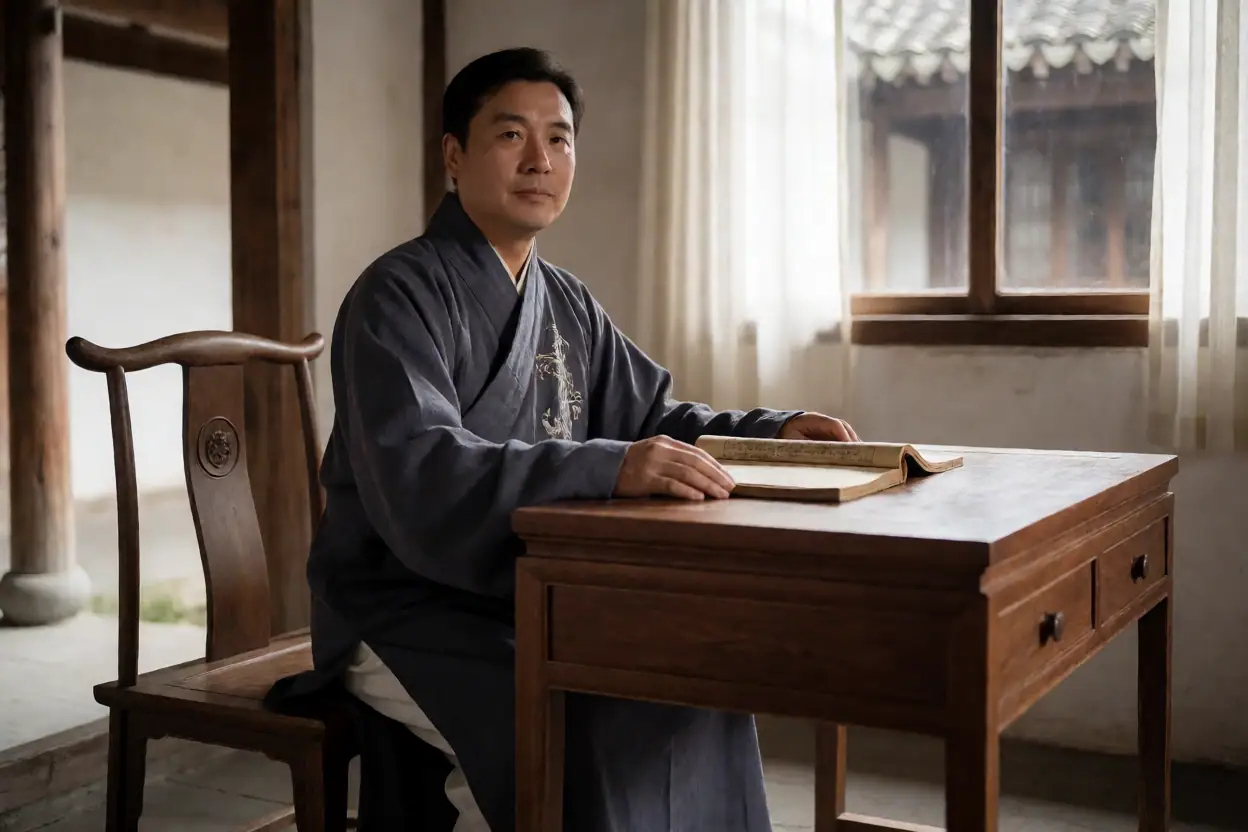
Materials on Yang Xiaoben of the Northern Song are relatively extensive. The clues identify him as a native of Shangyou, with the courtesy name Xingxian and the style name Yuyan; they also note his emphasis on study and self-cultivation, his association with Su Shi, and his reported burial near Tongtianyan. His birth year, details of his association with others, year of death, age at death, and tomb location should be checked separately against different editions of historical works; the local gazetteers of Shangyou and Ganzhou; inscriptions, epitaphs, and tomb records; and local cultural heritage records. Even when a historical figure is demonstrably real, episodes of travel in local legends may have been embellished over the course of long transmission.
From a roster of historical figures to family research, one can first use surname databases to sort through variant characters, ancestral commanderies, lineage hall names, and theories about surname origins, then search online genealogies for the genealogy title, compilation date, compilers, founding migrant ancestor, and dispersed settlements. If the family preserves genealogical records, ancestral tablets, contracts, photographs of tombstones, or oral accounts from elders, these can be arranged chronologically into a family memoir, with the narrator and recording date identified. Research into family origins should also place generational names, spouses’ surnames, former village names, and points of migration in local-gazetteer databases for comparison. Only when names, dates, places, kinship relations, and documentary records can be connected with one another is it appropriate to propose a relatively reliable judgment about a lineage branch.