Gong Surname Figures and Family Legacy: From Historical Records to Genealogical Textual Analysis
Historical figures bearing the Gong surname appear in sources dating from the Spring and Autumn period through the Ming dynasty. They include early figures such as Gong Zhonglian and Gongxi Ai, as well as Ming-dynasty family members such as Gong Mianren and Gong Nai. The relevant generational lineages, native places, and migration clues still require item-by-item verification against genealogies, official histories, local gazetteers, epitaphs, and other materials.
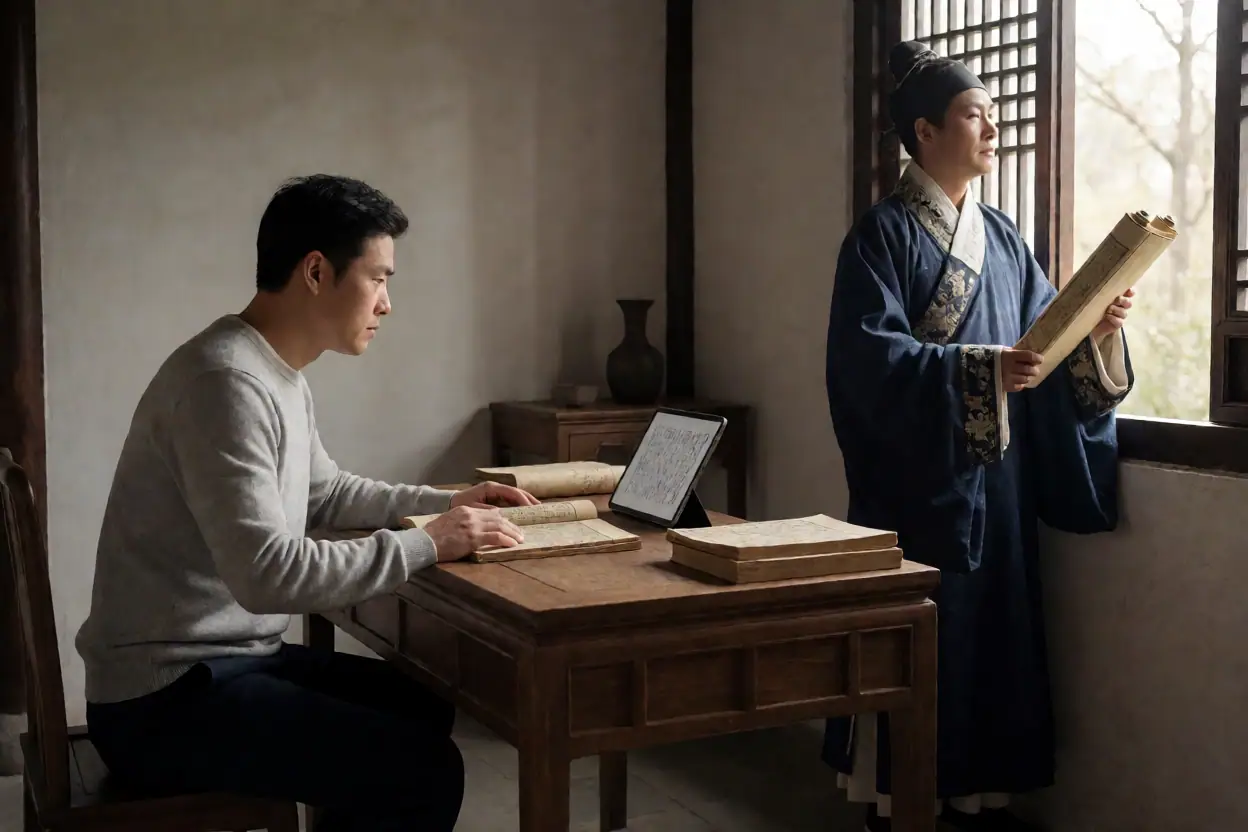
Historical records preserve accounts of several figures with the Gong surname, spanning the Spring and Autumn period through the Ming dynasty. Existing sources state that Gong Zhonglian served as a senior grand officer and political figure in the State of Zhao, while Gongxi Ai was one of Confucius’s disciples. Gongxi is a compound surname and cannot be directly combined with the single-character Gong surname for analysis merely on the basis of the character “Gong.” Because the birth and death dates, native places, and lines of descent of pre-Qin figures are often recorded only briefly, the relevant content should be treated as leads concerning these individuals and further examined against extant historical works, philosophical texts, and later genealogies.
Records of Gong-surname figures in the Ming dynasty are relatively concentrated. Sources state that Gong Mianren served as Governor of Shanxi and Right Deputy Censor-in-Chief of the Censorate; Gong Jikui served as Deputy Commissioner of the Huguang Military Preparations Circuit; Gong Yiyang passed the metropolitan examination in the 38th year of the Jiajing reign of the Ming dynasty and successively served as a Judge of the Court of Judicial Review and Prefect of Yuzhou, Henan, before becoming a Director in the Ministry of Works; Gong Jiachen served as a Compiler in the Hanlin Academy and Director in the Nanjing Ministry of Revenue; and Gong Nai held positions including Right Vice Minister of Rites and concurrently Reader-in-Waiting of the Hanlin Academy, and was known for his literary achievements. Gong Zi, also known as Gong Fulai, was Gong Nai’s younger brother and was active in the poetry circles of the Ming dynasty. Although family narratives link these figures through accounts of kinship and official careers, such relationships and career histories should still be checked individually against biographies, examination records, official histories, and original genealogical manuscripts.
Regarding the claim that members of the Gong family passed the imperial examinations over several successive generations, existing materials summarize it as follows: beginning with the branch of Gong Mianren, the great-grandson of Gong Mianren, there were jinshi degree holders across five generations, with Gong Yiyang listed as one of those generations. Such accounts of family distinction bear strong traces of genealogical tradition. The specific generational sequence, appellations, and relationships among the individuals may vary because of differences in the dates when genealogies were compiled, naming taboos, and copying or printing practices; a complete lineage should not be established on the basis of a single account alone.
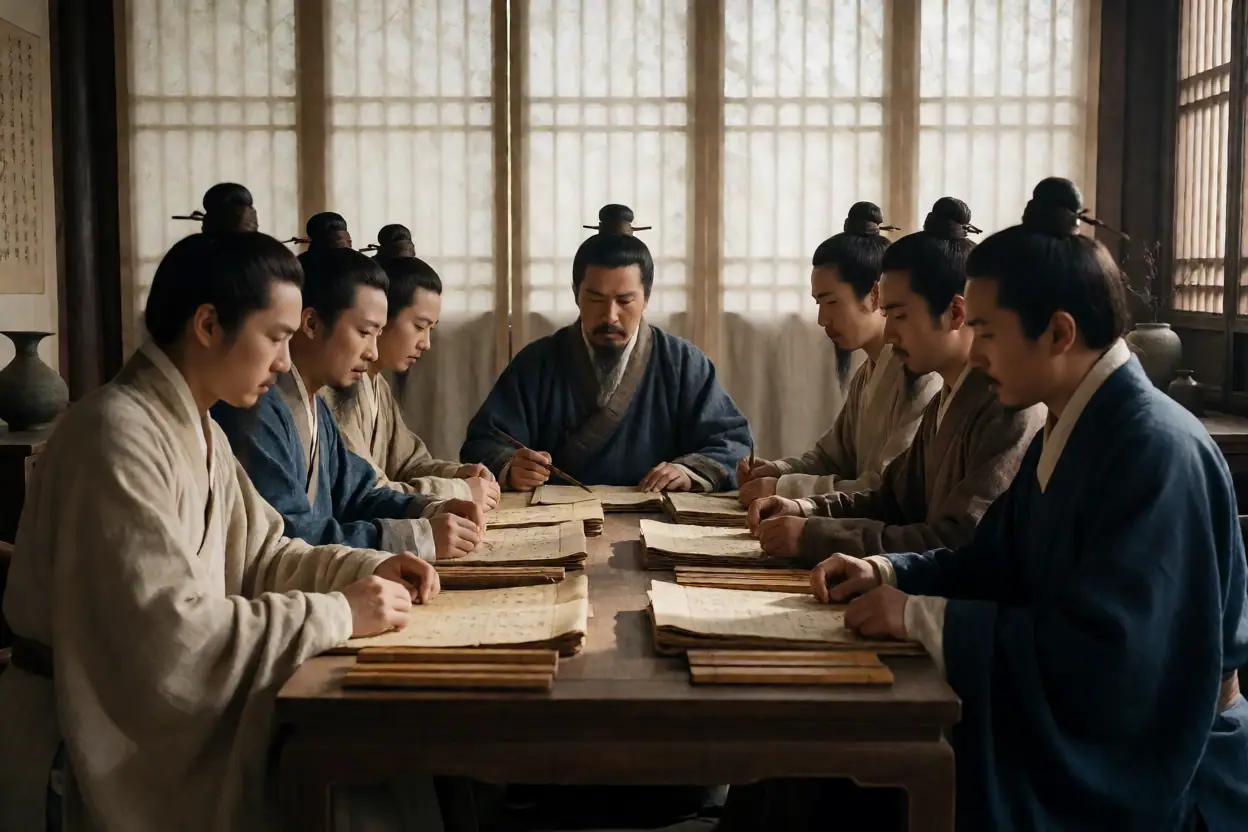
When researching the origins and development of the Gong surname, one should first distinguish the surname community from specific lineage branches. People with the same surname are not necessarily of the same lineage, and even the same branch may appear to have different distributions because of migration, changes in household registration, marriage, and breaks in the continuity of genealogical records. Online genealogies can be used to organize names, generation characters, places of residence, and kinship relationships; family memoirs can supplement information about modern and contemporary relocations and personal experiences; and local gazetteers can help verify the histories of villages, ancestral halls, tombs, and records of local worthies. When tracing ancestry across regions, one should also consult facsimile editions of genealogies, examination archives, epitaphs, and other verifiable materials to build a mutually corroborating chain of evidence. For founding ancestors, hall names, traditional commandery affiliations, and migration routes that have not yet been confirmed, wording such as “according to a certain genealogy” and “awaiting further verification” should be retained, rather than treating cultural memory directly as an established lineage.