Origins and Development of the Ba Surname: Migration and Identity Across Multiple Lineages
Historical narratives concerning the Ba surname include clues relating to descendants of the Ba state, branches originating in the Ba region, and the integration of different ethnic groups. Existing sources indicate that the distribution of the Ba surname is associated with place names such as Gaoping, Ba Commandery, and Henan, as well as regions including Chongqing, Sichuan, Hubei, Guizhou, and Hunan. However, specific branch lineages still require item-by-item verification against genealogies, local histories, and family memories.

The Ba surname has multiple lines of inquiry concerning its origins. Traditional surname literature and family genealogies contain differing accounts, including narratives connecting it with the ancient Ba Kingdom and the Ba region, as well as explanations attributing certain branches to changes among ancient ethnic groups, regional subdivision, or ethnic integration. Therefore, when examining the origins of the Ba surname, it is advisable to distinguish between the history of the “Ba surname as a whole” and that of “a particular Ba family branch.” Shared surnames alone cannot establish that two groups belong to the same lineage.
Existing surname materials often identify Gaoping, Ba Commandery, and Henan as important geographical clues for studying the history of the Ba surname, and record distributions of the surname in places including Chongqing, Sichuan, Hubei, Guizhou, and Hunan. Place names may have changed over the course of historical and modern administrative evolution, and the same place name may have referred to different administrative areas in different periods. Accordingly, a “commander1y seat of origin” or “ancestral residence” is more often a direction for research and may not be equivalent to the actual place from which a particular family migrated in the recent past. Confirming the migration route of a Ba branch also requires checking the first ancestor to migrate, generation-name verses, burial sites, ancestral halls, marriage relationships, and records of successive genealogy revisions.
Some legends associate the Ba lineage with descendants of the Ba Kingdom. Such narratives reflect important elements of collective memory and local culture, but whether they can be connected to a specific lineage still requires support from continuous genealogical records, local gazetteers, or other mutually corroborating materials. Other sources mention that historical population movements and interactions among ethnic groups may have contributed to the formation and transformation of certain Ba surname branches. Such “integration” cannot be directly extended to all people with the Ba surname; the specific circumstances should be assessed separately in light of region, period, family appellations, and original documents.
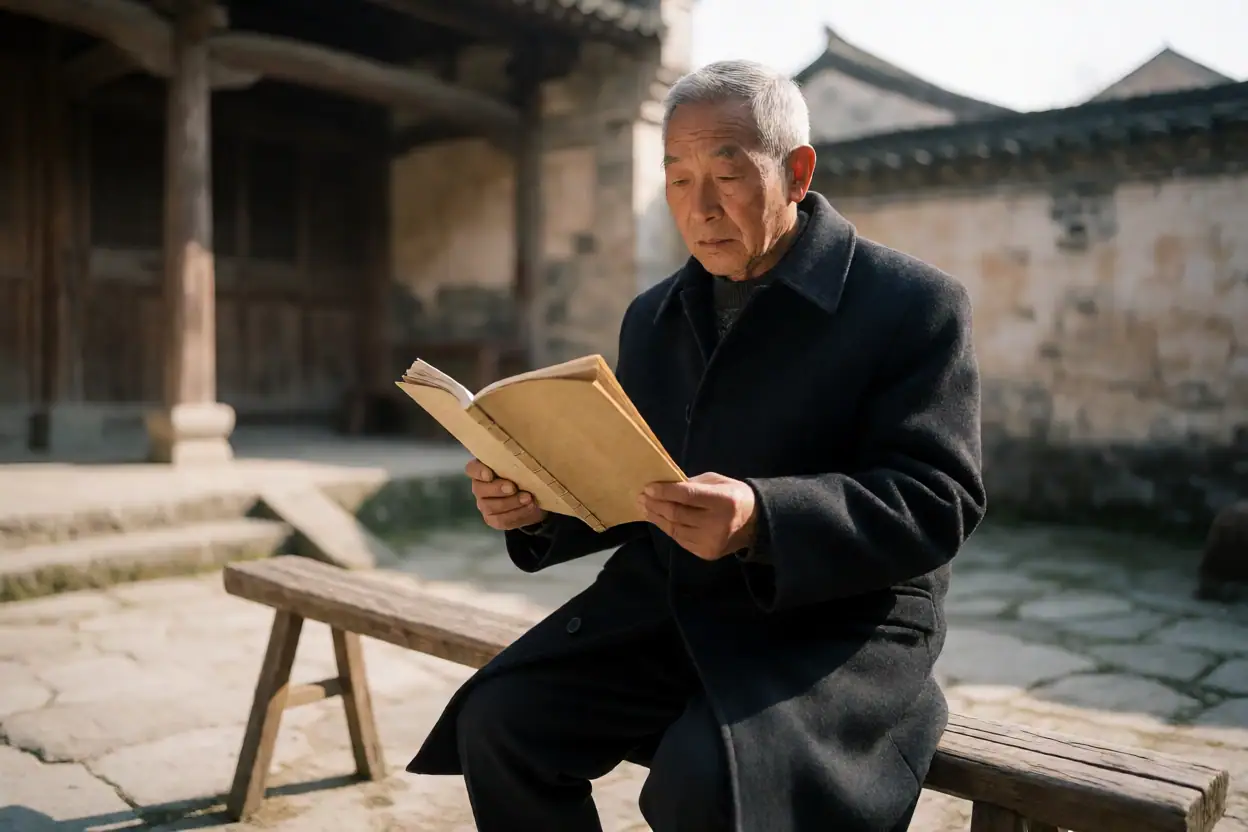
Research into the roots of a Ba family can begin with materials from the recent past. Old genealogies preserved by the family, tombstone rubbings and records, ancestral-house deeds, ritual registers, generation-name lists, and oral recollections can often do more than broad ancient legends to help confirm branch relationships. Online genealogies can be used to organize people, dates, and places, while family memoirs are suited to preserving migration histories, changes in occupation, dialects and customs, and significant family events. Local and county gazetteers can supplement the record with information on administrative changes, settlement transformations, and the background to individuals’ activities. When using these materials, the original wording, date of creation, and provider should be recorded, and explanations of any contradictions should be retained.
Currently available generation-name materials for the Ba surname come from different regions and branches. Identical or similar character sequences do not necessarily mean that they originated from the same family line. Hall names, including Gaoping Hall, should likewise be understood within the context of specific genealogical volumes and regional traditions and should not be used alone as a basis for establishing a common lineage. A more prudent research method is first to determine the names, places of residence, and kinship relationships of ancestors over the most recent three to five generations, then trace the line back to the first ancestor to migrate, cross-referencing local gazetteers, original clan genealogies, and family artifacts. Only when the chain of evidence is relatively complete can a reasonably reliable judgment be made about the origins, migrations, and genealogy of a particular Ba branch.