Volume Three of the Sang Clan Genealogy: Discerning Family Branches through Clues in the Genealogical Pages
Existing records indicate that the Sang genealogy consists of four volumes, with the third volume containing approximately eighty-seven pages. As the compilation date, place of compilation, and specific page contents are unavailable, this article discusses its research value solely on the basis of catalogue clues and notes how genealogies, local gazetteers, and family memories should be combined and verified in ancestral research.
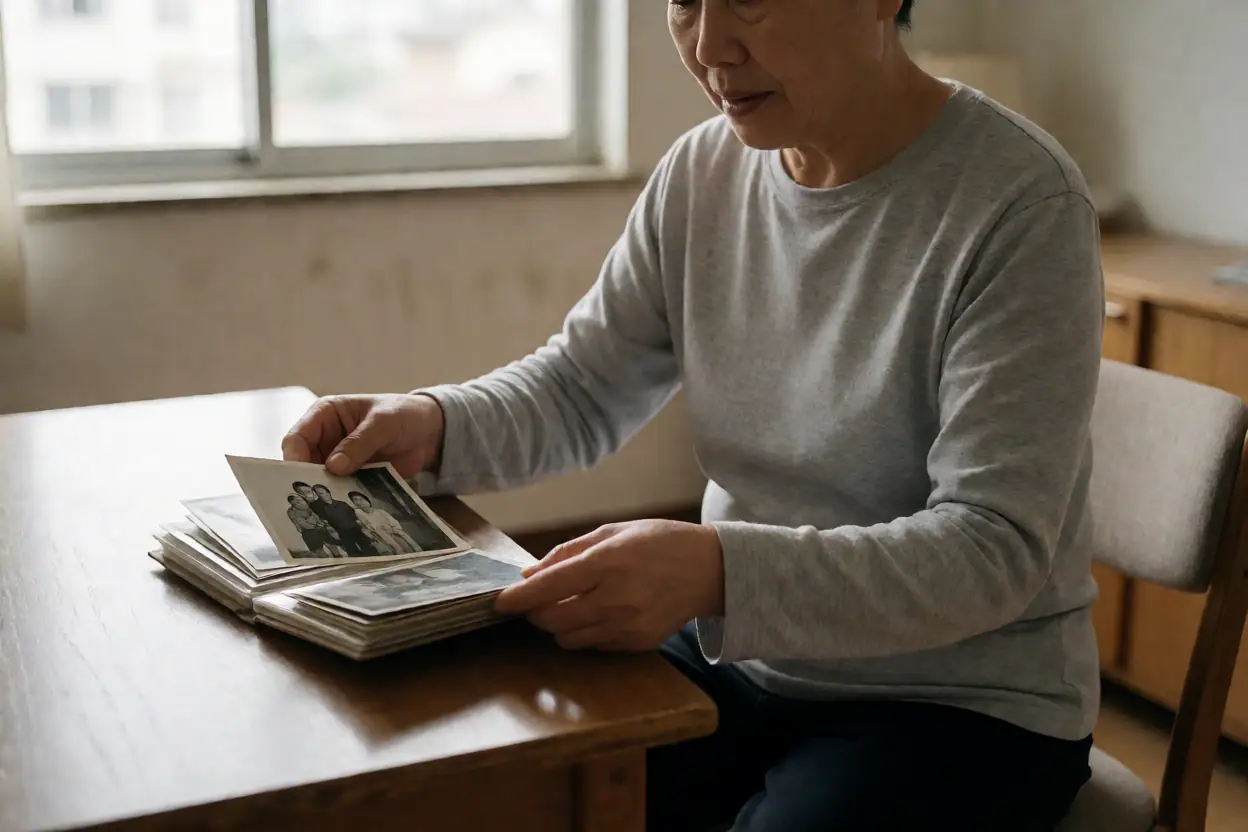
The existing table-of-contents record for Volume Three of the Four-Volume Sang Clan Genealogy shows that it was not produced as a standalone volume but consists of four parts, with approximately eighty-seven pages in Volume Three. The volume number and page count alone cannot establish the date of compilation, place of printing, or chief compiler, nor can they determine the founding ancestor, ancestral hall name, or generation names of any particular Sang branch. For genealogical materials, the title and volume number are merely entry points for research. The contents that can truly support conclusions about lineage generally also include prefaces and postscripts, explanatory notes, tables of contents, lineage charts, family biographies, migration records, ancestral-hall property records, and genealogy-compilation rosters.
When consulting Sang genealogical records, the first step is to distinguish between the surname “Sang” and any specific lineage branch. Families sharing a surname may have originated in different regions, and multiple branches may also have formed through long-term migration, marriage, changes in household registration, and the division of family branches. Therefore, the appearance of the same commandery origin, ancestral hall name, or generation names in genealogies does not necessarily mean that Sang families in different places can be directly combined into one genealogy. To confirm kinship, it is still necessary to compare, item by item, the ancestral residence, place of first migration, ancestors’ names, generational names, burial locations, and ancestral-hall information.
The value of Volume Three may lie in carrying forward the origins and development recorded in earlier volumes, documenting later divisions into family branches, or preserving family biographical materials from a particular region. However, until its pages have been checked individually, these possibilities should not be presented as definite conclusions. Readers who possess old family genealogies, rubbings of tomb inscriptions, ritual registers, contracts, or oral accounts from elders can first organize the confirmed names, dates, places, and kinship terms, and then cross-check them against the corresponding pages of the genealogy. Oral memories should likewise be distinguished between shared family memory, later recollections, and accounts supported by original evidence.
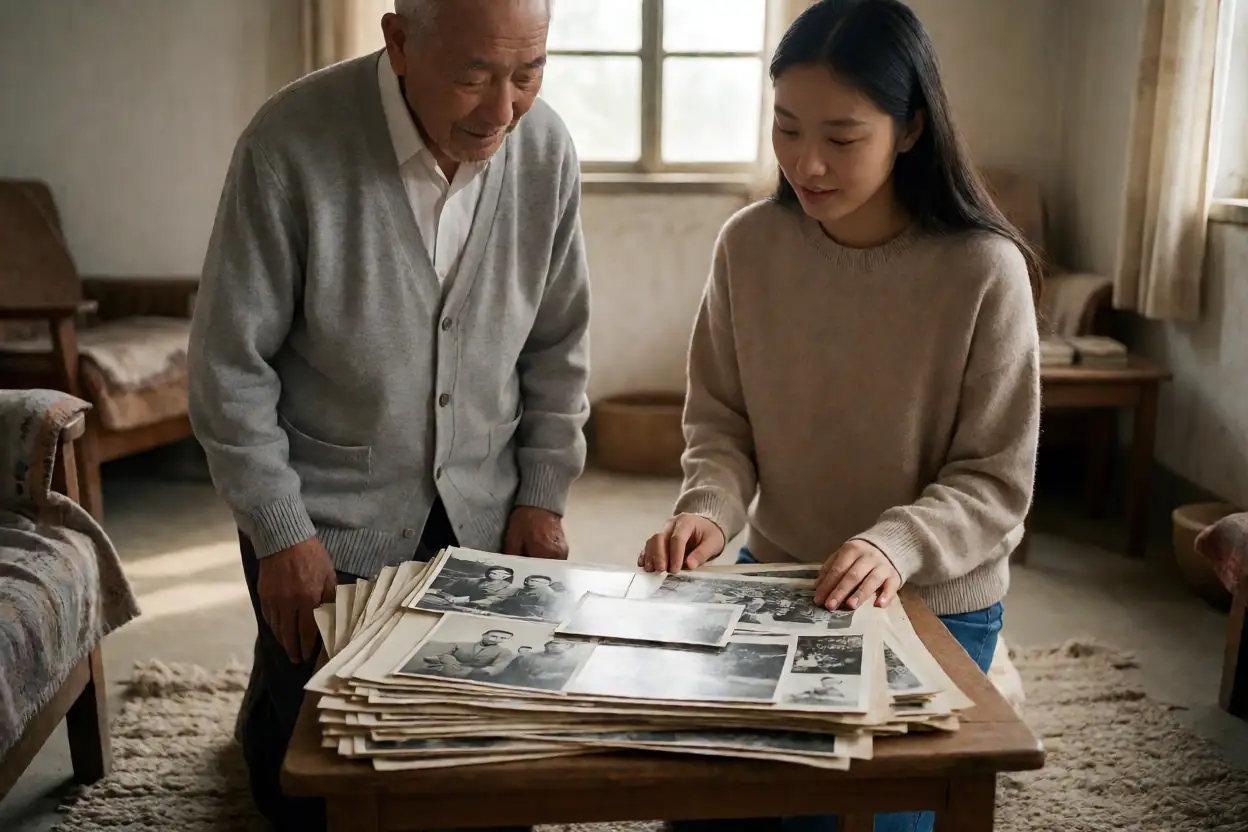
In the course of tracing ancestral roots, one may first consult surname databases to learn the basic documentary leads associated with the Sang surname, and then search online genealogy resources by title, region, and person. If the family has preserved relatively complete stories, migration histories, or records of branch divisions, a family memoir can help organize the clues, but it should not replace genealogical records or local historical documents. Local gazetteer databases can be used to verify former place names, changes in administrative divisions, ancestral halls and temples, burial sites, historical figures, and changes in villages. Only when genealogical content is corroborated by local histories, inscriptions, archives, or continuous family documents do the relevant ancestors, migration routes, and branch relationships approach reliable conclusions.
At this stage, Volume Three of the Sang Clan Genealogy is best treated as an object for further research. Any explanation of the specific ancestral hall name, generation names, founding ancestor, or lineage should be based on complete genealogical pages and verifiable regional materials, while necessary questions and variant accounts should be retained. The purpose of tracing ancestral roots is not to quickly unite people who share a surname, but to establish a lineage chain supported jointly by documentary and family evidence.
Learn More and Verify
- The Genealogical Value of the Third Volume of the Pi Clan’s Genealogy, Revised for the Fifth Time
- Shuanggui Hall Tang Clan Genealogy: From Clues in Genealogy Manuscripts to Family Root Research
- Gantang Shao Genealogy, Book Two: Analyzing the Genealogy Title and Family Clues
- Shao Genealogy, Book Three: From Genealogy Clues to Family Roots
Genealogy Knowledge and Methods for Compiling Genealogies · Finding Genealogies and Local Gazetteers · Organize family-root-seeking leads