Historical Figures of the Lu Surname: Clues and Textual Analysis of Family Documents
Records of historical figures with the Lu surname concern the Five Dynasties, the Ming dynasty, and the Qing dynasty, with Lu Qianyi, Lu Shanji, Lu You, and Lu Chuanlin receiving particular attention. Their lives may serve as clues for tracing family roots, but they cannot directly prove the ancestral origins and lineages of the various Lu surname branches today. Each point still requires comparison against official histories, local gazetteers, inscriptions, and family genealogies.
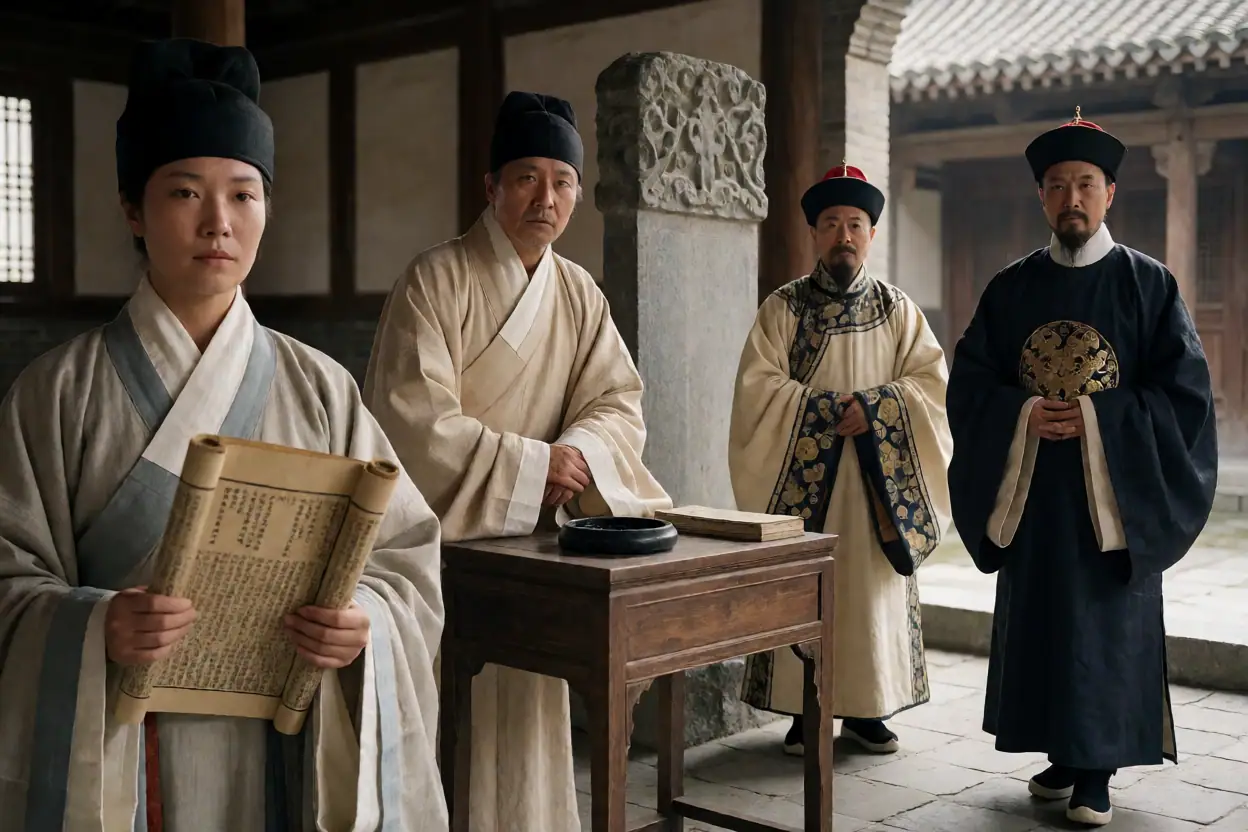
Materials on figures with the Lu surname are scattered across collected poetry anthologies, official records, local gazetteers, and family documents. Among the existing clues, Lu Qianyi, Lu Shanji, Lu You, and Lu Chuanlin were active during the Five Dynasties, Ming, and Qing periods, respectively, offering several points of entry for examining the Lu surname’s cultural and official activities in different periods. However, whether a historical figure and a particular family were connected through blood descent cannot be determined solely from sharing the same surname.
Lu Qianyi is generally listed as a ci poet of Later Shu during the Five Dynasties. He held office in Later Shu and became known for his ci poetry. Current information about his dates of birth and death, place of origin, and style name is incomplete. The number of surviving works, details of his official career, and his experiences after the fall of Later Shu can be further cross-checked against different editions of the Huajian Ji, biographical sketches of ci poets from successive dynasties, and related historical texts. Personal collections of ci poetry compiled by later generations are products of documentary collation; attention should also be paid to the period in which they were compiled and the sources of their materials, so as not to treat later editorial content as equivalent to original records from the time.
The Ming figure Lu Shanji is recorded as a native of Dingxing. He studied the teachings of Wang Yangming and is said to have served as a presented scholar, a Director in the Ministry of Revenue, an official in the Bureau of Military Affairs, and a Vice Minister at the Court of Imperial Sacrifices. Accounts of his involvement in city-defense affairs still require verification against Ming Veritable Records, official administrative archives, and Dingxing local gazetteers. The clues also state that his grandfather, Lu Jiuzheng, passed the presented-scholar examination and served as magistrate of Xixian County. This may provide a possible direction for investigating the Lu family of Dingxing, but the precise genealogical relationship between the two should still be established through reliable genealogies, epitaphs, or examination records.
Materials on the Qing figure Lu You are relatively specific. Records state that he was a native of Yingzhou, passed the presented-scholar examination during the Kangxi period, successively served as a county magistrate, an Investigating Censor, and an official in the central government, and was once commissioned to administer relief for floods and droughts in Henan. Matters including grain storage, price stabilization through the sale of grain, tax reductions and exemptions, and local commemorations can be further verified through Qing Veritable Records, the Henan Comprehensive Gazetteer, Yingzhou local gazetteers, and relevant officials’ biographies. The attribution, transmission history, and nature of the contents of his work Tianfang Lijing should likewise be confirmed through bibliographic records and surviving holdings.
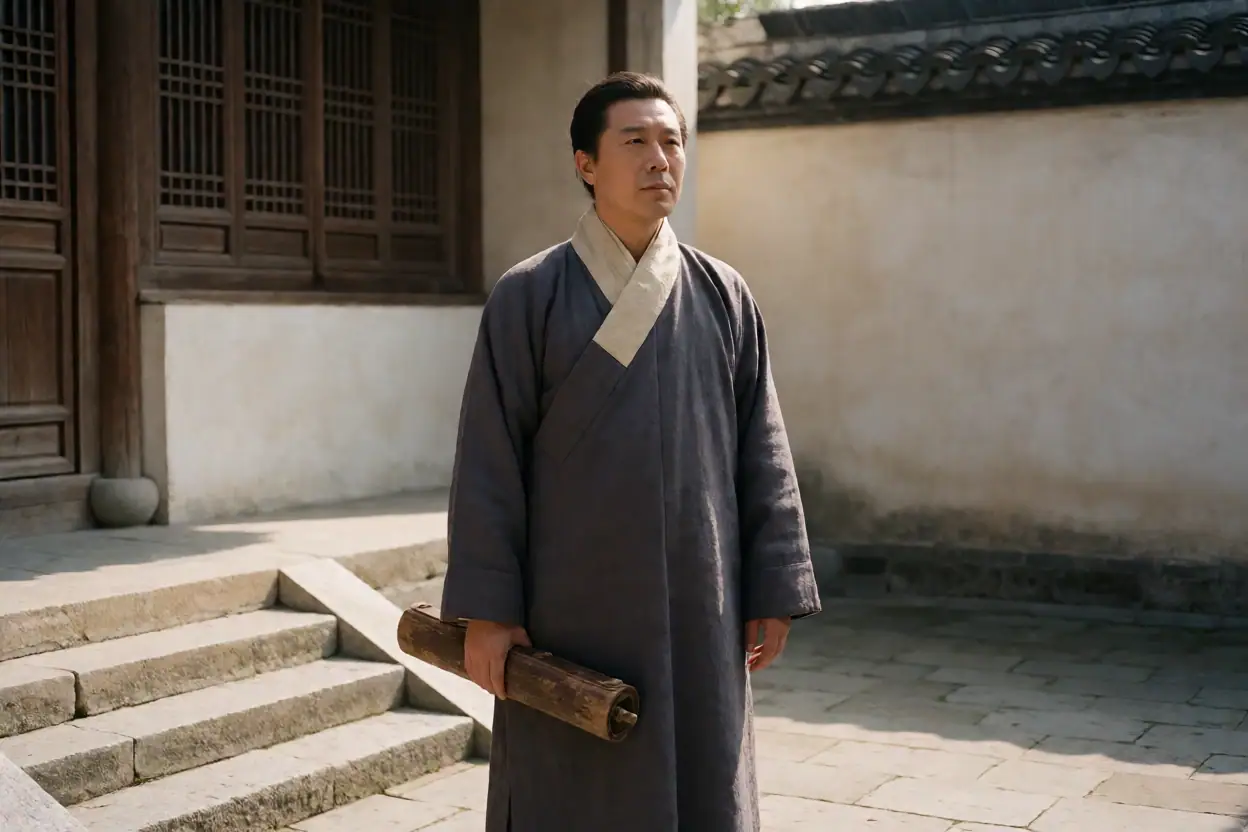
Lu Chuanlin is recorded as a native of Dingxing in the Qing period and as a presented scholar during the Tongzhi period. He later served as a provincial governor, a Grand Councillor, and a Grand Secretary. The dates of his appointments and the specific administrative matters he handled in Sichuan, Jiangsu, and elsewhere are best reconstructed from career records, Veritable Records, and local gazetteers. Evaluations involving military and social events should use neutral wording, and should distinguish between the facts of official appointments, the contents of memorials, and later commentary.
When tracing the roots of the Lu surname, begin by creating indexes of figures, places, and periods in surname-related materials, then cross-reference the generations, generation names, places of migration, and other information in online genealogies with local gazetteers, inscriptions, and imperial examination registers. Family memoirs can supplement details of daily life and memories of migration, but oral accounts should identify the narrator, the date of recording, and any uncertainties. Hall names, commandery affiliations, or a shared ancestral residence can serve only as search clues. Even people with the same Lu surname may belong to different lines of origin and branches, and their genealogies must not be merged on that basis.