Clues about Figures with the Guan Surname and Family Memories: From Assessing Historical Sources to Tracing Roots
Materials on Guan-surname figures span local officials of the Ming dynasty, Qing-dynasty scholars, and contemporary agricultural experts. When organizing these clues, the figures’ activities, native places, periods, and family lineages should be verified separately, avoiding hasty assumptions of common ancestry based solely on a shared surname or place.
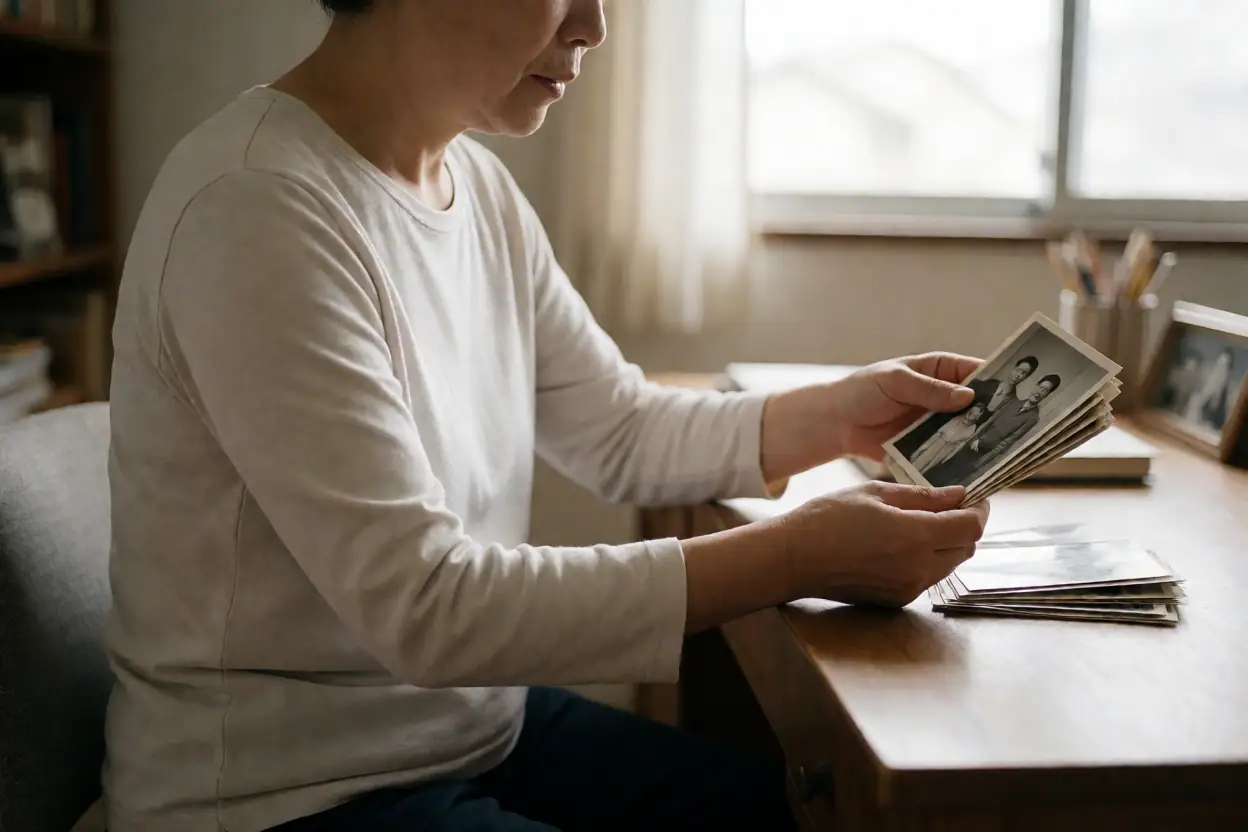
The historical profile of figures with the Guan surname can be found both in local society and in academic and agricultural practices of the modern and contemporary periods. Existing materials mention Guan Lian, a native of Pingdu in Laizhou during the Ming dynasty; Guan Xianyao, a native of Anxi during the Qing dynasty; and Guan Chunyun, a contemporary expert in rapeseed genetics and breeding. The three lived in different periods, were active in different regions, and achieved distinction in different fields. They can provide clues for examining the historical distribution of figures with the Guan surname, but whether they shared a common ancestry cannot be determined solely from their shared surname.
Guan Lian, courtesy name Ruqing, was born in the 8th year of the Zhengtong era of the Ming dynasty, and the materials describe him as a native of Pingdu. He entered school in his early years, later passed the provincial examination and attained the jinshi degree, and served as an official in the Ministry of Works and the Ministry of Revenue, where he was involved in timber procurement, granary administration, and disaster relief. Accounts of his handling of disputes over civilian farmland and imperial estates in the areas of Jinghai, Jingzhou, and Fuping emphasize his refusal to avoid powerful interests and his concern for the people’s livelihood. To develop such accounts into a reliable biography, they should also be cross-referenced with the Veritable Records of the Ming, local gazetteers, jinshi registers, and relevant memorials, with particular attention to changes in official appointments, the timing of events, and changes in place names and administrative divisions.
Guan Xianyao, courtesy name Yuqing and sobriquet Shixi, is described in the materials as a native of Fuchun Township, Huan'erli, Anxi, during the Qing dynasty. He received family education in childhood and later entered the county school. The currently available clues about his life and education remain incomplete, and further information should be sought in the Anxi County Gazetteer, records of local worthies, epitaphs, collected works, and local genealogies. If a genealogy records his paternal ancestors, spouse, descendants, or migration history, these details also need to be compared with documents from the same period in order to determine which belong to family tradition and which have been corroborated by external sources.
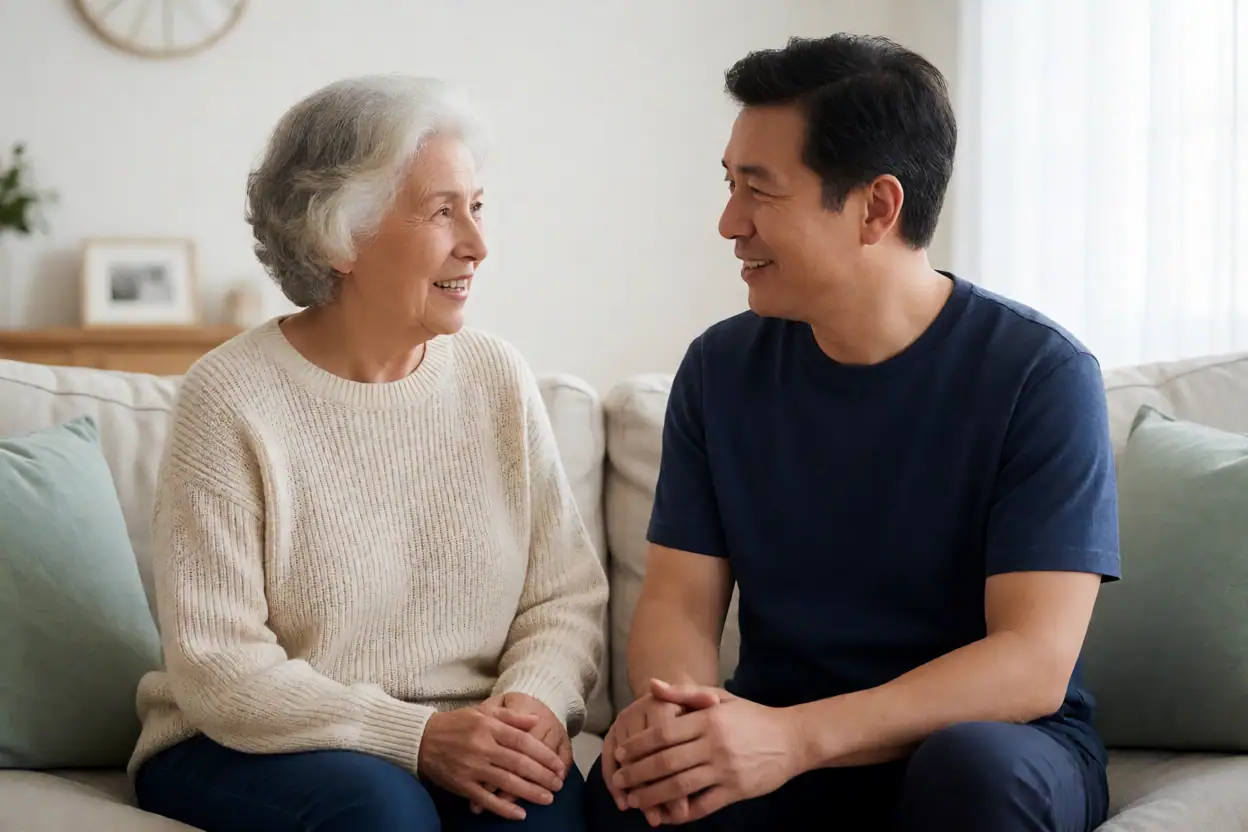
Guan Chunyun was born in Jingzhou, Hubei, and worked for many years in rapeseed genetics, breeding, and cultivation research. Existing biographical summaries mention that he proposed theories and techniques such as winter-growth cultivation of rapeseed, led the breeding of multiple varieties, and participated in the work of relevant academic organizations. Materials on modern figures of this kind can be further checked against university archives, academic career records, research-achievement evaluations, and professional publications to clarify the specific basis for dates of employment, research achievements, and dissemination data.
From the perspective of tracing roots, branches of the Guan surname in different regions may have formed against different historical backgrounds. Ancestral hall names, commanderies of origin, migration destinations, and generation names can serve only as search clues and cannot independently prove clan relationships. When studying a particular branch, one may first record the ancestral residence, founding migrant ancestor, ancestral hall, burial site, versions of genealogical records, and oral memories, then cross-check them through online genealogies, surname databases, local gazetteer databases, and family memoirs. For references in genealogies to a “first ancestor,” “founding branch ancestor,” or the date of migration, particular attention should be paid to later generations’ recollections, copying errors, and changes in administrative divisions. Only when the lineage chain, residence information, and documentary evidence connect with one another is it appropriate to put forward a relatively well-grounded judgment about clan relationships.
Learn More and Verify
- Historical source clues from memories of Ao-surname figures and family ancestral research
- Migration Clues and Family Memory of the Da Surname: From the Western Regions to Various Parts of Shaanxi and Gansu
- Historical figures associated with the Yang clan and a critical examination of family-root research
- Clues to the Migration of the Zhang Surname in Anxi and Family Memories
Genealogy Knowledge and Methods for Compiling Genealogies · Finding Genealogies and Local Gazetteers · Organize family-root-seeking leads