The Geographical Memory and Genealogical Clues of Weishi Ancient City Through the Legend of “Tortoise Land”
Because the ancient city of Weishi is higher in the middle and lower around the edges, resembling a turtle lying prone, it has traditionally been known among local people as “Turtle Land.” This has given rise to legends of Yu the Great controlling the floods, a divine turtle standing guard, and an ancient pagoda suppressing the turtle. Such local narratives should be examined cautiously in conjunction with the terrain, local gazetteers, genealogical records, and family memories.
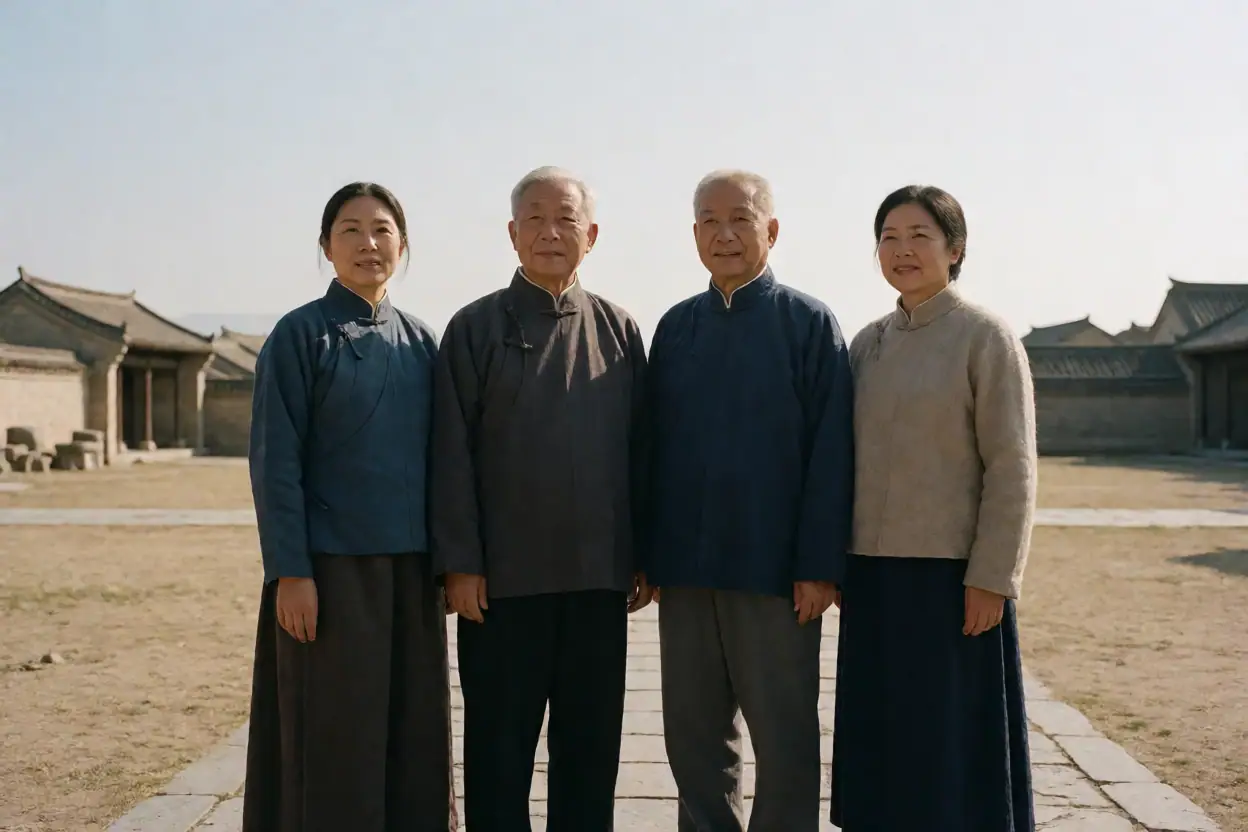
Why is Henan’s Weishi Ancient City known as “Tortoise Land”? One common folk explanation comes from the intuitive impression of the old city’s terrain: the center of the city site is relatively high, while the surrounding areas are comparatively low and flat. Its overall shape is roughly oval, with an extension at the southern end; viewed from a distance, it resembles a crouching tortoise with its head facing south and its tail pointing north. This name reflects residents’ observations of their surroundings and also embodies the local tradition of describing mountains, rivers, cities, and fortifications through animal imagery.
Stories of Yu the Great controlling the floods are also associated locally with “Tortoise Land.” According to legend, when floods were raging, Yu the Great traveled on the back of a divine tortoise to survey the water conditions. After reaching the area of present-day Weishi, he climbed the high ground extending from north to south to continue inspecting the waterways and asked the divine tortoise to wait there. Yu then traveled elsewhere to control the floods and never returned; after waiting for a long time, the divine tortoise eventually transformed into the high ground on which the county seat was built. The story also interprets the pagoda of Taiping Xingguo Temple as a structure built to restrain the tortoise’s claws, weaving the ancient pagoda, the city site, and memories of flood control into a single local narrative.
Stories of this kind should first and foremost be regarded as folk legends and cannot be treated directly as historical events. The legend states that the pagoda was built in the first year of Emperor Taizong of the Song dynasty’s Taiping Xingguo era, that is, 976, to restrain the tortoise. However, the tower’s original construction, rebuilding history, and actual relationship to the city site still require examination of local gazetteers, temple inscriptions, cultural-relic archives, and archaeological materials. The claim that the old city repeatedly encountered floods without being inundated should likewise be verified item by item by consulting river-course changes in different periods, flood records, the extent of the city walls, and ground elevations.
For those tracing their roots, the value of the “Tortoise Land” legend lies in more than the story itself. The old city’s high ground, temples and pagodas, waterways, and settlement names may provide clues for identifying ancestral environments. When consulting online genealogies, researchers can compare village names, temples, bridges, rivers, and neighboring surnames recorded in genealogies with the institutional histories, disaster records, and historical maps in local-gazetteer databases. Accounts of migration, flood avoidance, and entering or leaving the city in family memoirs may also help reconstruct the living space of a particular family branch. However, both oral memories and genealogical records may contain anachronisms, variant forms of place names, or later embellishments. The original wording should therefore be retained, with the narrator and the time of recording noted.
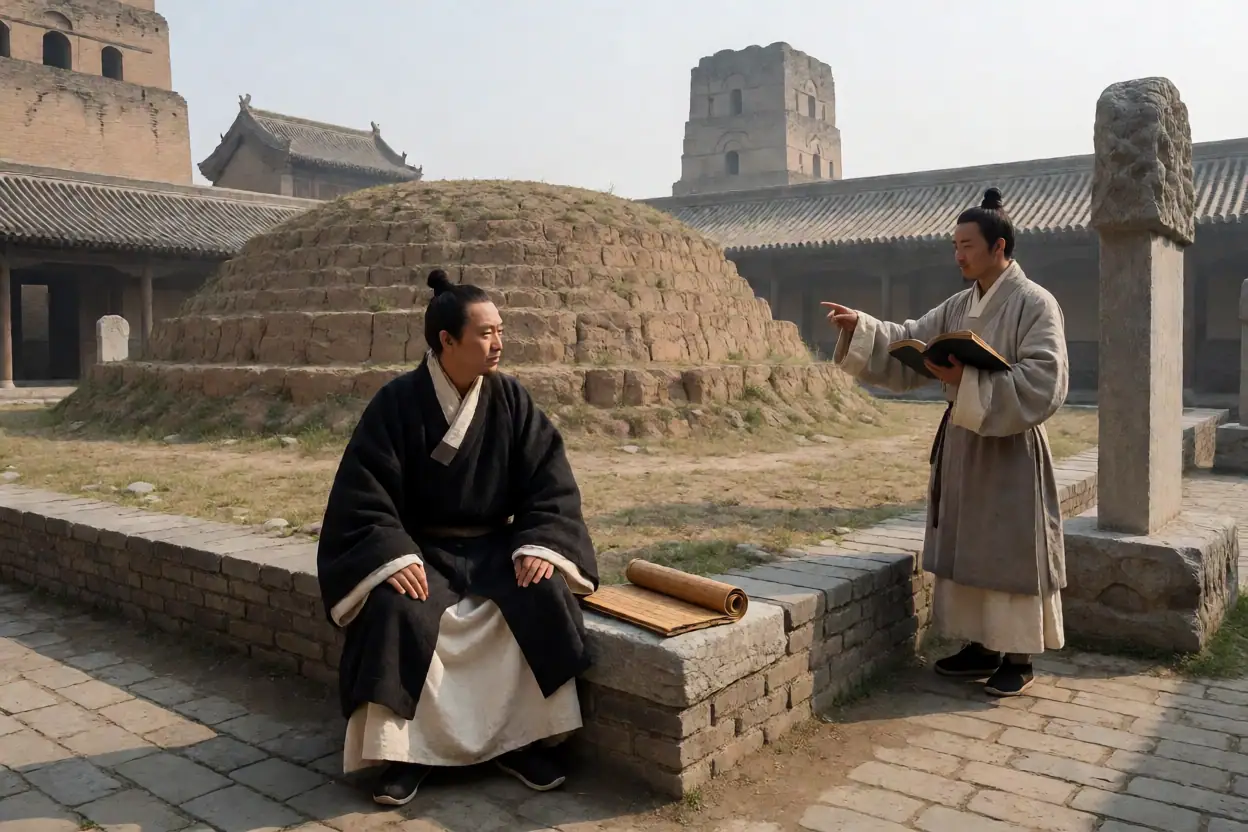
It should also be noted that “Weishi” in this article is first and foremost the name of a county. Its identical wording alone cannot establish a connection with the Wei-surname lineage, still less can an ancestral line be derived directly from a place name. Likewise, sharing a surname does not mean sharing the same lineage. Taking materials on the Jia surname as an example, existing surname entries list Fanyang Hall and refer to claims concerning the commanderies of Fanyang, Zhuojun, and Henan; distribution clues can be found in Inner Mongolia, Shanxi, Hebei, Liaoning, and Shaanxi. However, the Jia surname is considered to have multiple origins, and the relevant accounts also involve place names, official titles, and local branches. Lineages therefore cannot be merged solely on the basis of a hall name or geographical region. If members of the Jia surname find that their ancestors once lived in Weishi, they should still begin with verifiable recent ancestors and check household registers, tomb inscriptions, genealogical prefaces, generation names, and migration records in sequence before discussing any earlier connection.
“Tortoise Land” is therefore both a folk summary of the form of Weishi Ancient City and a vehicle for local historical memory. Examining legends, terrain, historic sites, local gazetteers, and genealogical materials together can broaden the search for one’s roots. Distinguishing stories, documentary records, and physical evidence, however, is a necessary prerequisite for avoiding mistaken identifications of ancestral origins and migration routes.