Memories and Genealogical Clues of the Gan-Surname Family in Yulan Village, Fuzhou
A Gan-surname family in Yulan Village, Cangshan, Fuzhou, has preserved memories of Mongolian identity, genealogical records, and an ancestral worship space, while pursuing the history of its forebears over many years. Existing materials provide accounts of several individuals, generational sequences, and migrations, but these still need to be verified item by item against the original genealogy, local gazetteers, officially compiled histories, and archival records.
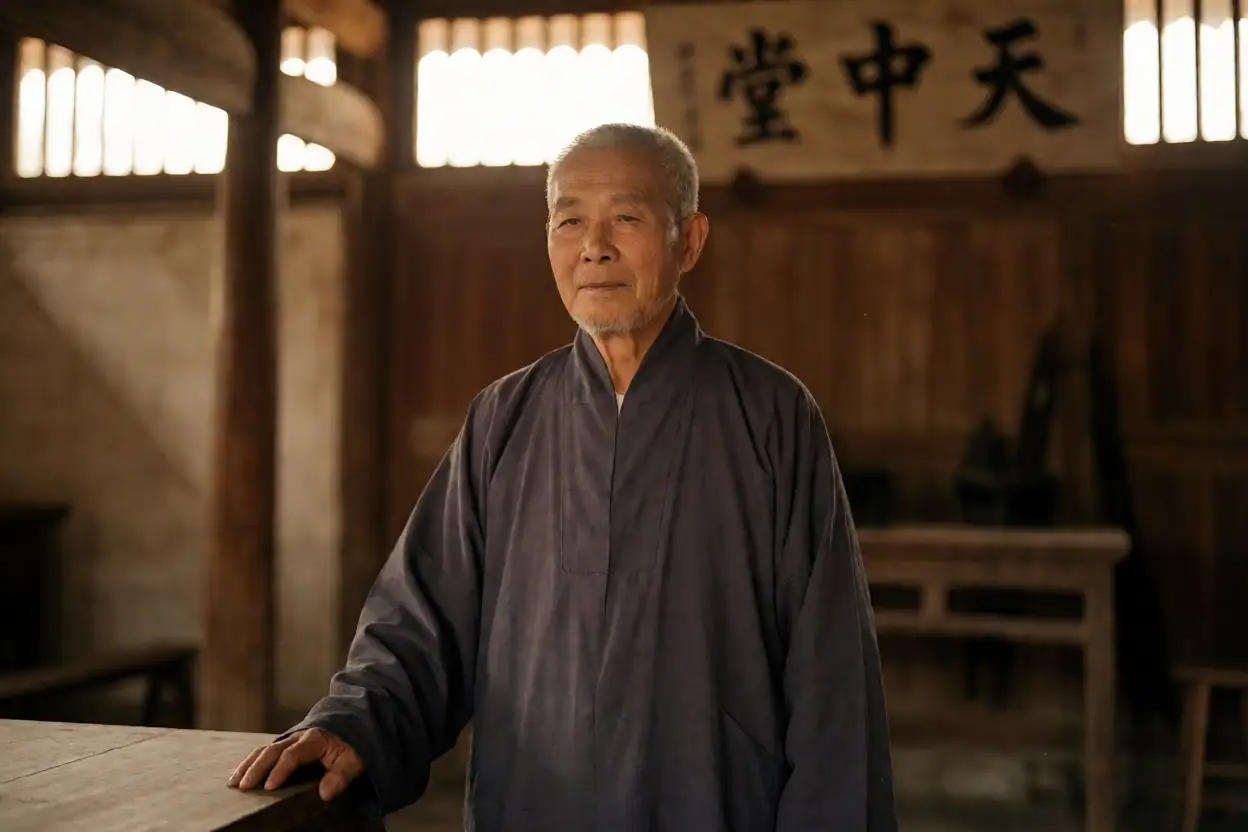
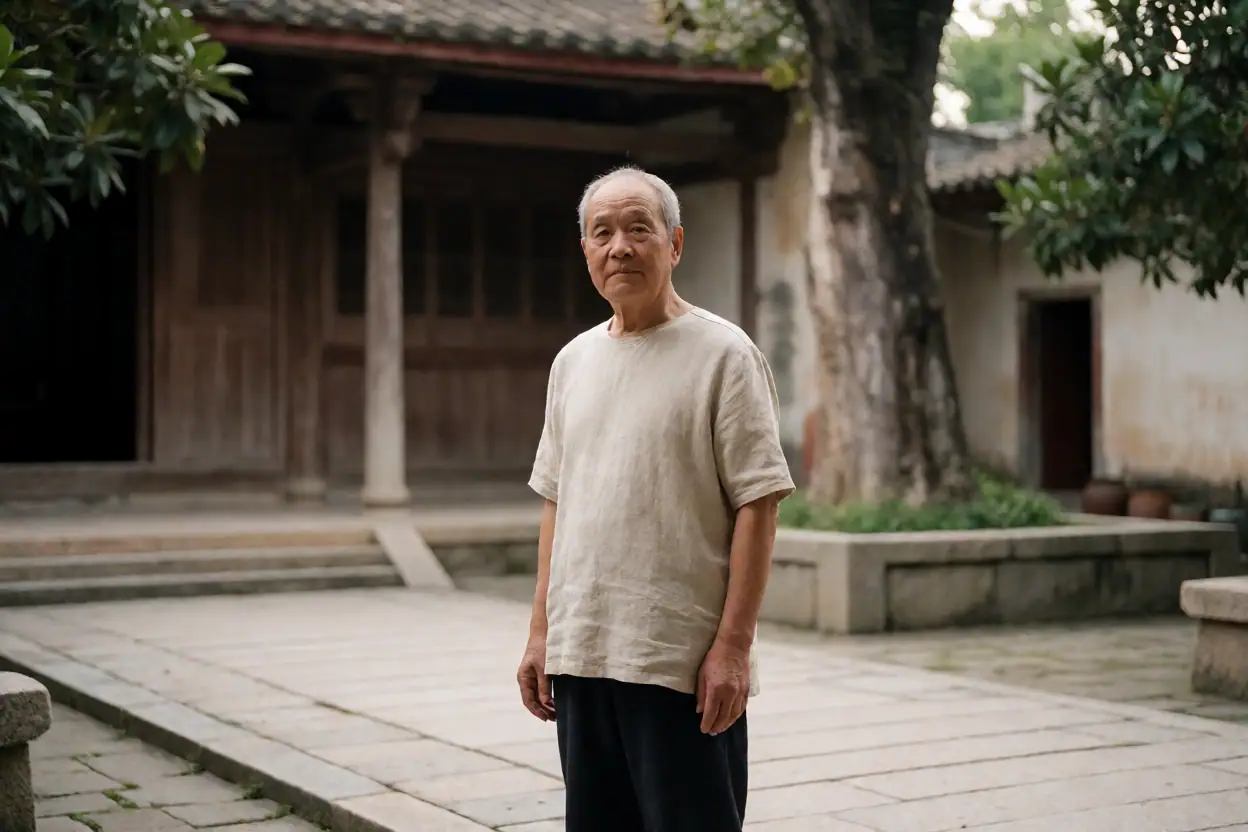
Yulan Village, Jianxin Town, Cangshan District, Fuzhou, preserves the family memories of a Gan-surname household. A 2017 account of a visit reported that family member Gan Shouxiang could speak Mongolian, write in Mongolian script, and identify as Mongolian. The local Gan-surname population was already small at the time, though some family members who had moved away still returned to their ancestral home to perform rites. The family’s everyday customs were broadly similar to those of nearby residents, while marriage ties also maintained close connections between the family and other surnames in the village.
An old building in the village known as “Tianzhong Hall” is an important repository of family memory. Records indicate that an image of Genghis Khan was enshrined in the hall, that Mongolian couplets once adorned the entrance, and that a “Tianzhong Hall” plaque was preserved. Gan Shouxiang recalled that the old compound could once host large banquets and opera performances, but that only part of the hall remained after the building’s later decline. The village also has an old longan tree regarded by family members as having been planted by an ancestor. These buildings, objects, trees, and oral recollections can serve as clues to the family’s social history, but their specific dates should still be confirmed through renovation records, title documents, old photographs, and material examination.
According to the genealogy shown by Gan Shouxiang, “Yuelu Tiemuer Buhua” is listed as the first-generation ancestor, with designations including “Yuan Grand Councillor” and “Ming Commander General”; the second-generation ancestor is recorded as “Batu Tiemuer,” and the title “Commander” also appears for several subsequent generations. Gan Shouxiang says that he belongs to the twenty-first generation and associates the surviving residence with the seventeenth-generation ancestor Gan Dapeng. These names, generational assignments, and official titles currently appear mainly in family genealogies and oral accounts, and cannot yet be used to directly confirm the individuals’ official careers or their relationships with specific historical figures.
The family also passes down accounts that its ancestors once accompanied Zheng He on maritime voyages, were ordered during the Qing dynasty to move from Quanzhou to Fuzhou, and took part in campaigns against piracy, drug-control efforts, and local development. Such narratives span multiple periods. Verification should first establish the genealogy’s compilation date, transmission history among editions, prefaces and postscripts, and migration entries, and then cross-check them against relevant local gazetteers of Quanzhou and Fuzhou, guard-house rosters, official post tables, household registers, and records of ethnic affairs. If the original genealogy contains later additions, early texts must also be distinguished from subsequent recollections.
A surname is only an entry point for research. Sharing the Gan surname does not mean that people descend from the same ancestral line, nor can “Golden Family” ancestry be inferred solely from the use of Mongolian script, the objects of worship, or family testimony. When organizing materials, surname resources can separately record the written form of the surname, ethnic identity, and place of residence; online genealogies should retain images of the genealogy pages, edition information, and uncertainty markers; and family memoirs can include elders’ oral accounts, changes to old residences, and ancestral worship activities. Further research should also use local-gazetteer databases to investigate the former names of Yulan Village, administrative changes, and records of Gan-surname households. Only when genealogical records, physical evidence, oral accounts, and public documents corroborate one another can this family’s migration routes and historical identity gradually become clear.