The Preservation and Research Value of the Kuai Clan Genealogy Documents of Shouxian, Anhui
Existing materials indicate that the Kuai clan in Shouxian County, Anhui, compiled eight sets of genealogies, which were edited and printed in the 21st year of the Republic of China by Kuai Yingshan and Kuai Yinghai. Information about the preservation and storage of these documents provides clues for understanding local Kuai clan memories, the transmission of genealogical records, and subsequent research into family origins, but specific genealogical lines still require verification against the original genealogies.
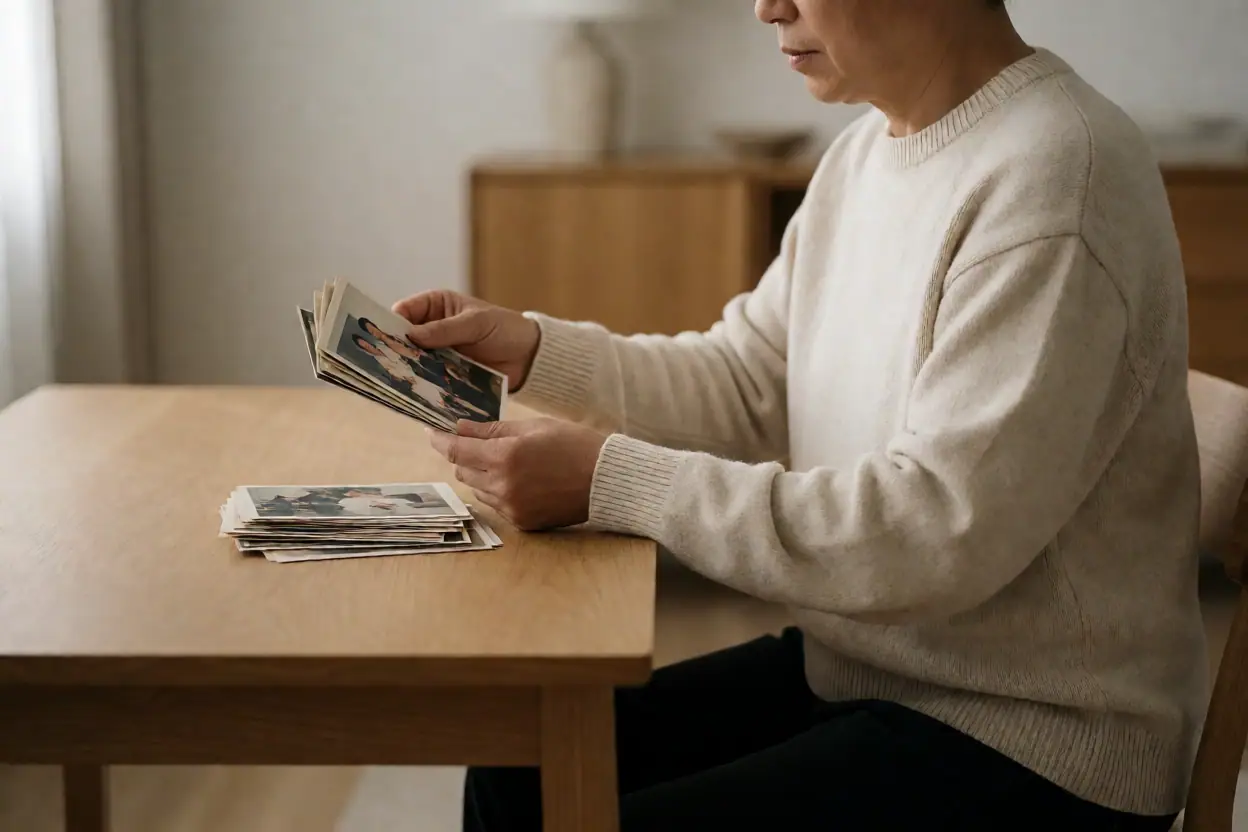
The Kuai clan genealogy of Shouxian, Anhui, is an important source for researching local family history and traditional genealogical culture. Existing records state that the Shouxian Kuai clan compiled a total of eight sets of genealogies. In the 21st year of the Republic of China (1932), Kuai Yingshan and Kuai Yinghai compiled and published them in a woodblock movable-type printed edition. The materials also mention that one set has been relatively well preserved and is currently held at the Kuai family ancestral hall of the Kuaitai Team, Guanyin Village, Yangxian Town, Shouxian County, Anhui Province.
In terms of documentary form, woodblock movable-type printed editions combine the traditional method of block printing with the convenience of continued revision and reprinting, making them a relatively common type of edition among modern genealogies. Genealogies may typically include accounts of early ancestors, migration histories, branch distribution, lineage charts, biographical notes, ancestral-hall rituals, and family rules and clan regulations. However, publicly available clues currently confirm only the compilers, publication year, edition format, number of sets, and place of preservation; they are not yet sufficient to fully reconstruct the Kuai clan’s founding migrant ancestor, migration routes, hall name, or the lineages of its various branches in Shouxian.
Genealogical research requires particular attention to the fact that “sharing a surname does not mean sharing the same ancestry.” The Kuai surname may have developed multiple origins and branches in different regions. Even when people live in nearby areas and use the same hall name, verification is still required through mutual comparison of prefaces, lineage records, generation names, tombs, ancestral-hall inscriptions, local gazetteers, and oral family histories. For the Kuai clan of Shouxian, determining the relationship between a particular branch and the genealogical records should begin with checking the preface, general notes, lineage charts, and continuation notes in the original genealogy, and comparing the place names therein with historical changes in administrative divisions.
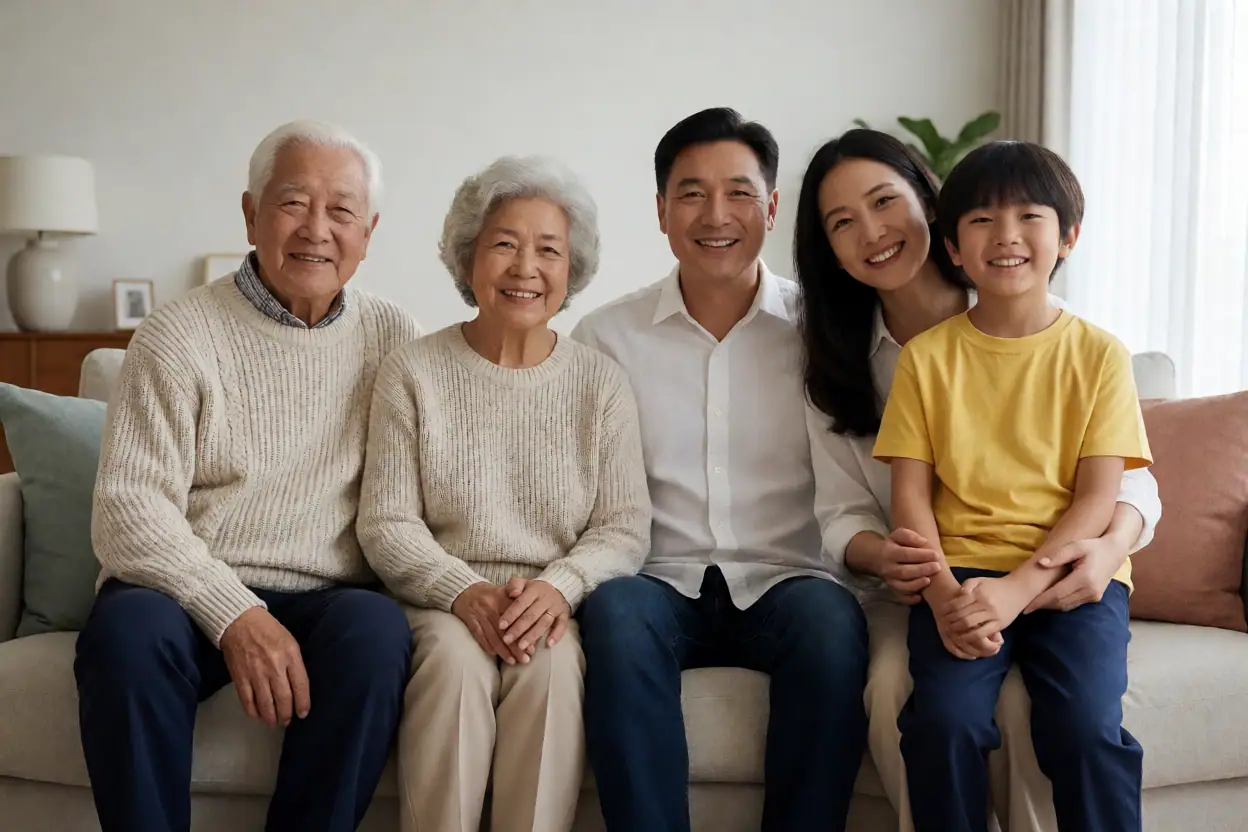
Family memory is also an important supplement to genealogical research. Oral accounts from elders, old photographs, deeds to ancestral homes, rubbings of tomb inscriptions, ritual records, and documents concerning relocations can often provide information omitted from or only briefly recorded in genealogies. The organization of online genealogies can help family members dispersed across different regions bring together relevant clues, while family memoirs can help preserve the history of modern and contemporary everyday life. However, oral materials may be affected by memory lapses, variant names, and the conversion of dates, so they are best registered initially as leads and then verified item by item against written documents.
Further work on organizing the Kuai clan genealogy of Shouxian can proceed in several areas, including edition registration, image preservation, interpretation of genealogical pages, person indexing, and the textual examination of place names. Local gazetteers can supplement information on regional administrative changes, settlement histories, and the social context; surname databases can be used to compare how Kuai clan documents from different regions are recorded; and online genealogies and ancestral searches can help make contact with related branches. However, until the full text of the original genealogy has been examined and genealogical cross-verification completed, judgments concerning a shared founding ancestor, specific migration dates, and branch affiliation should all remain cautious.
Learn More and Verify
- Chronological Information in the First Volume of the Shao Clan Genealogy and Its Value for Tracing Roots
- Volume 3 of the Sang Clan Genealogy: Tracing Family Branches Through Clues in the Genealogy Pages
- The Genealogical Value of the Third Volume of the Pi Clan’s Genealogy, Revised for the Fifth Time
- Research and Verification of Preservation and Migration Clues in the Tan Clan Genealogy
Genealogy Knowledge and Methods for Compiling Genealogies · Finding Genealogies and Local Gazetteers · Organize family-root-seeking leads