Quannan Zeng Ancestral Hall: Where Architectural Remains Meet Collective Memory
The Zeng ancestral hall in Zhenzai Village, Chengxiang Town, Quannan County, Jiangxi, is regarded in relevant sources as a surviving Hakka ancestral hall. Its architectural scale, construction date, and ritual traditions convey historical memories of local clan-based settlement and reverence for ancestors, while also providing clues for Zeng family root research and the study of local history and culture.
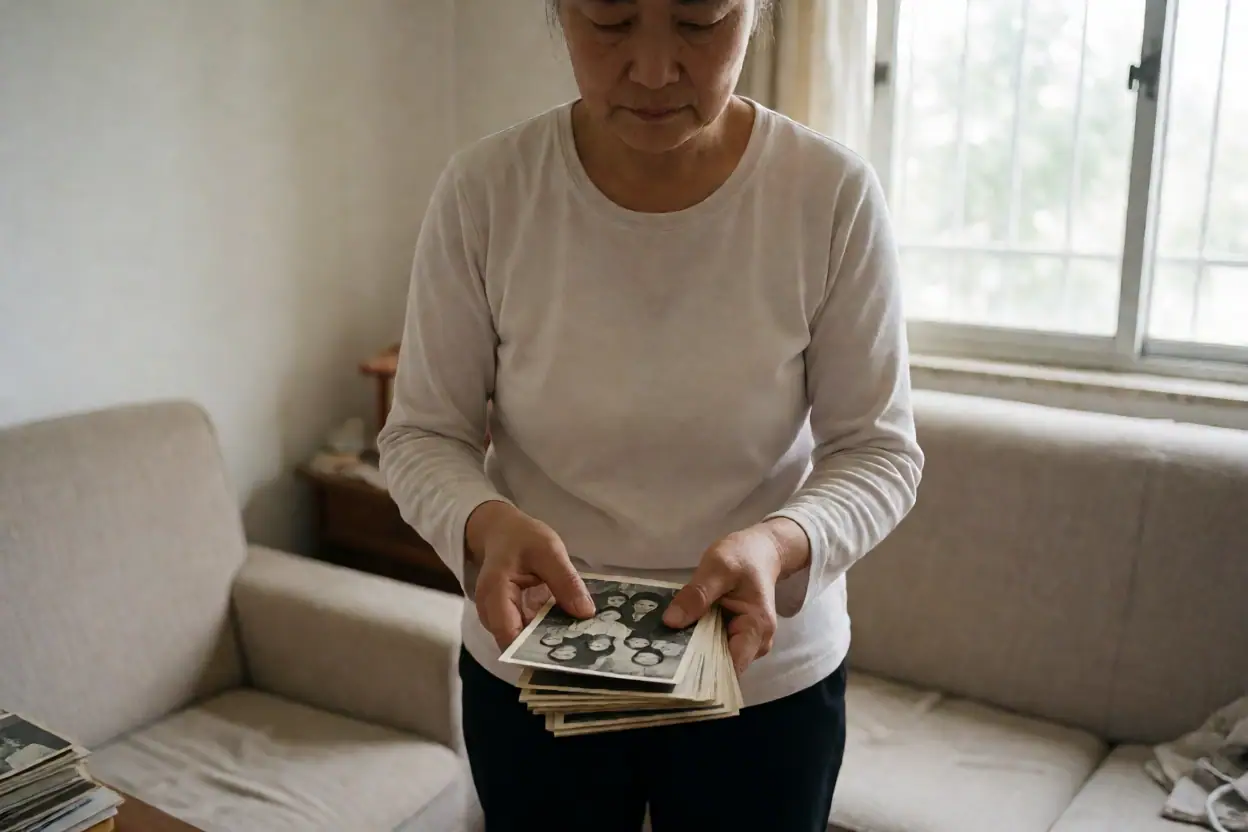
In Zhenzai Village, Chengxiang Town, Quannan County, Jiangxi Province, a traditional ancestral hall associated with the memory of the Zeng family has been preserved. Relevant sources refer to it as the Zeng ancestral hall and call it the “Zongsheng Gong Ancestral Hall,” considering it characteristic of a traditional Hakka ancestral hall. An ancestral hall is not merely a place of worship; it often also serves functions such as clan deliberation, the preservation of genealogical records, the transmission of family values, and the maintenance of ties within the local community. For local society, the construction, restoration, and continuation of an ancestral hall often reflect a family’s settlement process and forms of social organization in the area.
Existing records indicate that the ancestral hall is approximately 52.8 meters wide, 18.5 meters deep, and 9.7 meters high, with a footprint of approximately 976.8 square meters, making it a relatively substantial structure overall. Sources state that construction began in the second year of the Yongle reign of the Ming dynasty, corresponding to AD 1404, and was completed in the seventh year of the Yongle reign. They identify the builder as Rong Qian Jiulang, regarded as the founding ancestor of the local Zeng family, and associate the construction with the worship of Zeng Shen. These dates, individuals, and the reasons for construction should still be further checked against surviving inscriptions, old genealogies, local gazetteers, and architectural components; in the absence of continuous original documentation, it is inadvisable to confirm a complete lineage or the earliest date of construction solely on the basis of a single account.
Accounts of the origins and development of the surname “Zeng” vary considerably. Traditional surname sources commonly associate it with the descendants of the ancient State of Zeng and with the account that the 邑 component was removed to form 曾. Place names such as the State of Lu, Luling, and Wucheng, as well as hall names such as “Lu State Hall,” also appear in different genealogies and narratives of surname culture. However, hall names, ancestral commandery affiliations, or a shared surname can serve only as research leads and cannot directly prove that Zeng families in different places belong to the same branch. Determining the specific relationship between the Zeng family of Zhenzai Village and Zeng families in other regions requires mutual corroboration from migration records, information about the first ancestor to migrate, continuity in generation names, tomb inscriptions, and original family genealogies.
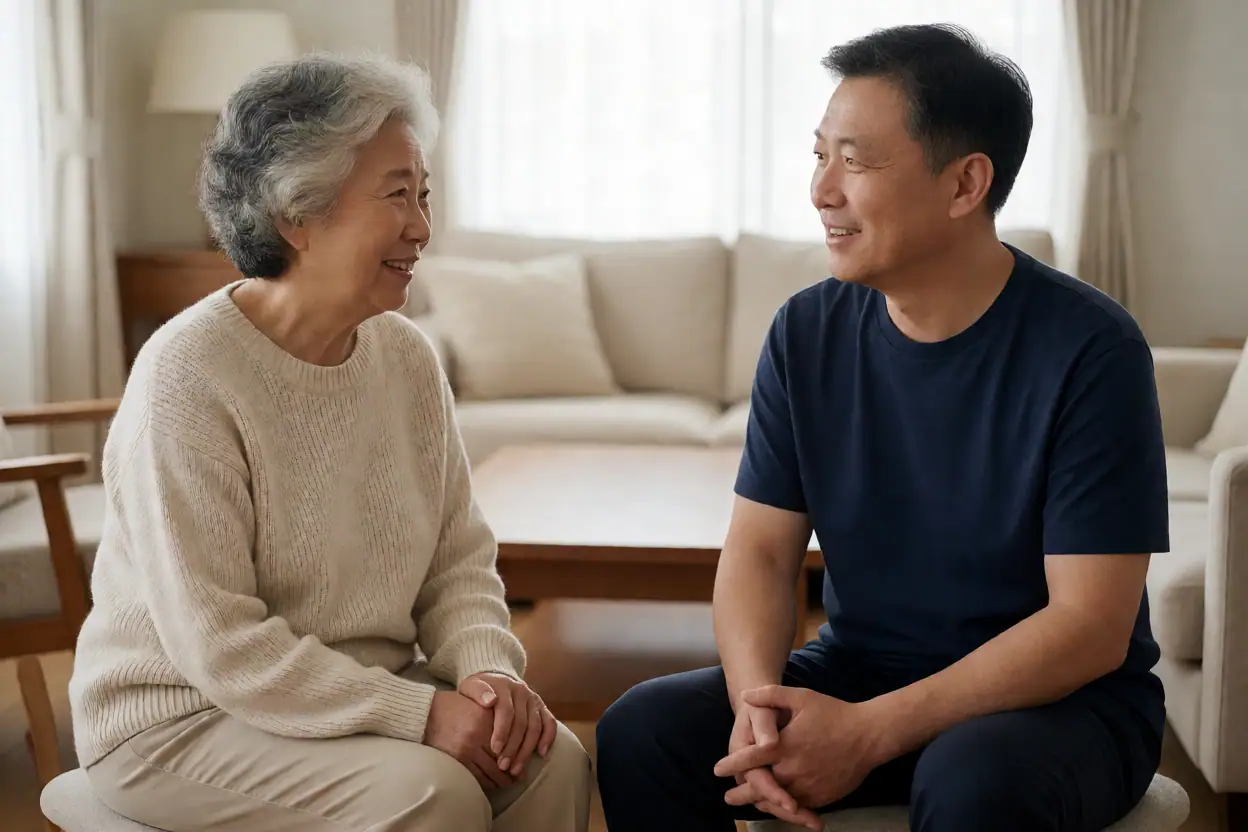
From the perspective of family memory, an ancestral hall is an important point connecting written genealogies with local space. Online family genealogies can be used to compare lineages, generation names, and places of migration; family memoirs can supplement oral information about ancestral-hall restoration, worship ceremonies, the division of family branches, and migration; and local gazetteer databases can help verify village history, administrative divisions, and records of historic buildings. When undertaking ancestral research, it is advisable to first organize genealogy pages kept at home, photographs of tombstones, place names of ancestral homes, and oral accounts from elders, and then cross-reference them with relevant surname materials and local documents. This approach preserves both the emotions and traditions embodied by the ancestral hall and avoids overinterpretation based on a shared surname, the same hall name, or similar legends.
Learn More and Verify
- The Si Surname in Wangyun Village: Ancestral Hall Remains and Migration Clues
- Tracing Roots Under an Assumed Surname: The Convergence of Rugao Memories and Genealogical Clues
- Zou family memories and ancestral-root clues in the remains of the ancestral hall
- Wei clan gathering in Wenshang: ancestral hall memories and clues for tracing family roots through genealogical records
Genealogy Knowledge and Methods for Compiling Genealogies · Finding Genealogies and Local Gazetteers · Organize family-root-seeking leads